
1018 North Guignard, Sumter, SC 29150
For more information about senior living options: (866) 208-4318
Overall Review of Nhc Healthcare - Sumter
Pros
 NHC is clean, quiet, and spacious, with kind and professional staff that makes residents and visitors feel welcome.
- The staff treat residents like family, giving a home-away-from-home atmosphere.
- The facility offers daily activities and on-site physical, occupational, and speech therapy, plus church services.
- Staffing is attentive, with medications dispensed on time and clear safety practices in place.
- The environment is well-maintained, nicely decorated, and has a homely atmosphere with engaging activities.
- It is regarded as one of the best nursing homes in the area.
Cons
 He incurred over 30 falls, resulting in broken ribs, a brain bleed, and numerous contusions during his nine-week stay.
- On four occasions staff did not administer his correct medication dose, with no apology given.
- He lost 35 pounds during his stay.
- He was often found in urine, and there were times when residents dropped their food on themselves and the floor due to inadequate feeding support.
- He was sedated with medications that caused adverse reactions, and he was Sundowning without empathy or patience from caregivers.
- The administrator threatened to discharge him unless he stayed sedated, effectively making him a liability due to emergency room visits.
- A lead nurse rolled her eyes at concerns and the administrator laughed about it, described as the most unprofessional meeting.
Review
Nhc Healthcare Sumter is best suited for seniors who want a warm, home-like skilled nursing and rehabilitation environment with strong in-house therapy and a visible, caring staff. Residents who respond well to daily engagement, activities, church services, social interaction, and a steady rhythm of care, tend to flourish here. The facility’s emphasis on a community feel, clean and quiet surroundings, and a patient-centered rehab program makes it a solid choice for post-hospital recovery, hip fractures, and ongoing nursing care where independence can be rebuilt with professional support. The combination of in-house PT, OT, and speech therapy, wellness-oriented programming, and a setting that feels more like a residence than a hospital is a decisive advantage for families seeking tangible activity and progress.
Those who may want to consider alternatives are those whose loved ones require intense, highly specialized dementia care or constant, ultra-safety-focused supervision. A resident with severe Parkinson’s-related dementia or sundowning that demands meticulous medication management and vigilant, immediately responsive care may find the environment challenging if staffing pressures or gaps arise. Families uncomfortable with the need for frequent, proactive family involvement in care planning and execution, such as demanding daily updates, close oversight of medications, and regular care conferences, should evaluate other options that offer even higher levels of supervision and more specialized memory-care capabilities.
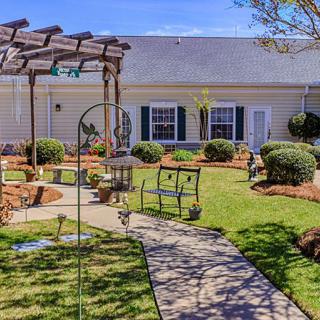
The strongest payoffs come from the facility’s people and routines. Staff across the care spectrum are repeatedly described as kind, professional, and readily available, contributing to a sense of welcome and security on entry. The environment supports an active lifestyle: residents participate in daily activities, have access to in-house therapy, and enjoy amenities like sunrooms and courtyards that encourage movement and socialization. The presence of in-house therapy teams, properly dressed nursing staff for easy identification, and practical safety features such as bed alarms and well-maintained wound care reflect a disciplined, resident-centered operation. Cleanliness, decor, and the home-like atmosphere help offset the clinical feel that some families fear in nursing facilities.
Nevertheless, a substantial caveat exists in one very negative testimony that centers on safety and care concerns. The reviewer claims medication dosing errors, multiple falls, weight loss, a brain bleed, and widespread issues with supervision and communication during a difficult period. They describe unempathetic responses from leadership and a sense of coercion around sedation and caregiver behavior. While this account is not the representative experience of every resident, it underscores a real risk that cannot be dismissed: medication safety, consistent staffing, and respectful, transparent communication are nonnegotiable when care needs are complex. Any family relying on Nhc Sumter should actively verify these dimensions before committing.
To balance the picture, the institution’s positives can be leveraged by diligent planning. Prospective residents should request detailed care plans, insist on weekly or biweekly updates, and secure a dedicated point of contact for day-to-day questions. Ask for a clear staffing schedule, confirmation of in-house therapy availability, and a formal approach to wound care and fall prevention. Given the concerns raised in a skeptical review, it is prudent to insist on a thorough orientation, a documented plan of care tailored to Parkinson’s-related needs if applicable, and a mechanism for ongoing family involvement in every care decision. This approach turns the facility’s strengths, staff devotion, rehabilitation focus, and a homelike setting, into reliable, sustained outcomes.
Overall, Nhc Sumter stands out as a capable, compassionate option for families seeking a proactive rehabilitation-oriented environment with a caregiver-rich culture and a home-like setting. It works best for residents who can engage with daily activities, participate in therapy, and benefit from visible, attentive staff. The caveats call for careful due diligence: confirm medication management practices, assess how the team handles complex neurological needs, and establish a clear, ongoing line of communication with leadership and frontline caregivers. With that framework, Nhc Sumter can be a strong, practical choice that delivers meaningful recovery and daily quality of life, provided a family commits to attentive oversight and a well-structured care plan from day one.
 138 resident community capacity
 Skilled Nursing Facility
 Air-conditioning
 Beauty salon
 Cable or satellite TV
 Computer center
 Dining room
 Fitness room
 Fully furnished
 Gaming room
 Garden
 Housekeeping services
 Kitchenette
 Move-in coordination
 Outdoor space
 Private bathrooms
 Restaurant-style dining
 Small library
 Telephone
 Wellness center
 Wi-Fi/high-speed internet available
 Community operated transportation
 12-16 hour nursing
 24-hour call system
 Activities of daily living assistance
 Assistance with bathing
 Assistance with dressing
 Assistance with transfers
 Diabetes diet
 Medication management
 Mental wellness program
 Special dietary restrictions
 Concierge services
 Planned day trips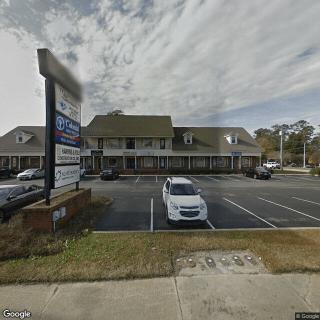



 Powerful Realities of Elder Abuse and the Most Effective Ways to Report It
 Ten Vital Duties of a Senior Caregiver: A Comprehensive Guide
 9 Stimulating Memory Activities for Seniors: Puzzles, Cards, and Much More