
703 Broad Street, Sumter, SC 29150
For more information about senior living options: (866) 208-4318
Overall Review of Community Residential Care Facility
Pros
 It is a warm and friendly place where one can not only see but feel the love of everyone.
- It is very welcoming.
Cons
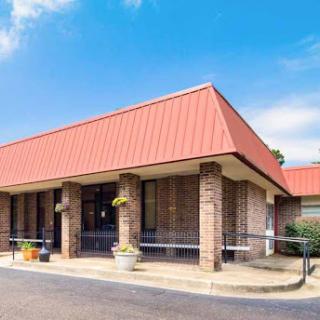
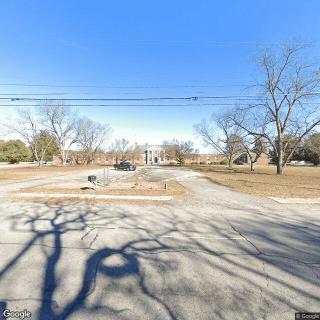
 The building was destroyed by fire and left in a hazardous manner in the community.
Review
This Sumter community residential care facility is best suited for seniors who want a small, home-like setting with genuine warmth and personal attention. It appeals to families seeking a nurturing environment where staff know residents by name, daily routines feel familiar, and social connections form quickly. For residents who value belonging and intimate interaction over the amenities of a larger campus, the intimate scale and approachable caregivers translate into meaningful daily engagement and steady, reassuring support. In short, this option fits those who prioritize relationship-driven care and a welcoming atmosphere over institutional size.
The most important caveat is safety and the durability of the building. Potential residents or families with high safety expectations, or those requiring robust hazard management, should look elsewhere until structural and hazard concerns are fully resolved. Anyone needing specialized memory care, intensive clinical oversight, or a facility with formal accreditation and a larger caregiving team will likely find a better fit in a different community. Even for straightforward assisted living needs, the risk of hazardous conditions should prompt thorough comparison with safer options that offer stronger maintenance, updated infrastructure, and clearer remediation plans.
The positives are tangible: a warm, friendly atmosphere that can transform daily life, turning routine tasks into meaningful interactions and reducing loneliness. The sense of welcome and the feeling that staff and neighbors care deeply can offset stress for residents who thrive on social engagement and a small-scale rhythm of care. Those strengths matter because they translate into more frequent check-ins, personalized conversation, and quicker attention when needs arise. Yet the most significant drawback, a building that was destroyed by fire and left in a hazardous condition, casts a long shadow. Structural safety, reliable exits, and concrete assurance that hazards are fully remedied are fundamental requirements for any long-term residence.
How the positives weigh against the main con is decisive. Human warmth can be a true lifeline, helping residents stay engaged, maintain dignity, and experience less agitation in daily living. However, no amount of hospitality can compensate for ongoing safety concerns or unaddressed hazards. For some families, the emotional value may justify an interim placement while remediation progresses; for others, the risk profile is simply unacceptable and points toward a different operator with verified, up-to-date safety work and a proven track record of hazard remediation. Overall, warmth buys time, but safety must win the decision.
Practical steps to evaluate before deciding center on transparent, documented risk management. Request a current, third-party safety assessment and a remediation plan with explicit timelines. Seek the latest fire marshal or building inspector reports, licenses, and any compliance letters. Meet with the administrator to review staff ratios, training, and emergency response procedures, and personally tour the facility to observe exits, lighting, and maintenance conditions. Interview current residents about how hazards were communicated and addressed, and confirm insurance coverage. Compare costs and terms with other Sumter options that offer modernized facilities and stronger risk controls to determine whether the emotional climate justifies tradeoffs for infrastructure.
Bottom-line guidance: this community can be an excellent fit for seniors who prize a warm, intimate, relationship-focused environment and who are comfortable with a remediation plan for building hazards. For families prioritizing safety, modernization, and formal risk management, alternatives will likely deliver greater peace of mind. If pursuing this option, insist on transparent remediation milestones, request current safety documentation, and schedule a decisive visit with multiple stakeholders present. When the safety concerns are satisfactorily addressed and the home-like culture is genuine, this option offers meaningful companionship and daily reassurance; if not, it is prudent to steer toward a safer, more contained setting.
 20 resident community capacity
 Assisted Living
 Board and Care Home
 Activities on-site
 Beauty salon
 Cable or satellite TV
 Devotional services off-site
 Dining room
 Fully furnished
 Garden
 Housekeeping services
 Indoor common areas
 Kitchenette
 Move-in coordination
 Outdoor space
 Telephone
 Wi-Fi/high-speed internet available
 24-hour call system
 Ambulatory care
 Assistance with bathing
 Assistance with dressing
 Assistance with transfers
 Diabetes diet
 Diabetic care
 Meal preparation and service
 Medication management
 Mental wellness program
 Special dietary restrictions
 Transportation arrangement (medical)
 Transportation to doctors appointments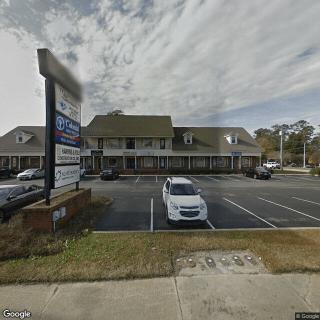


 An Extensive Exploration of the VA Aid and Attendance Benefit
 Senior Transition Services: Understanding Their Role, Cost, and Importance
 Exploring the Path to Senior Living: A Comprehensive Look at Independent Living and Assisted Living