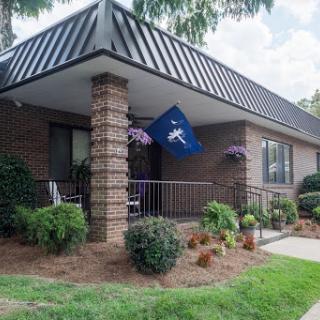
White Oak Village in Spartanburg, SC

Information last verified:

130 East Main Street, Spartanburg, SC 29306

For more information about senior living options: (844) 490-3973

1.6 from 7 reviews
5 stars
1
4 stars
0
3 stars
0
2 stars
0
1 stars
6

Overall Review of White Oak Village

Pros

  • pro They emphasize that residents deserve compassionate and attentive care.
  • pro They affirm that elderly patients should be treated with dignity and not as dollar signs.
  • pro They urge staff to regularly check on residents, manage pain, and assist with mobility to prevent falls.
  • pro They call for a safe, supportive environment where residents can move and receive help when needed.
  • pro They demand transparent communication about services and billing, and that promised services are honored.

Cons

  • pro The staff treated the grandmother horribly.
  • pro They neglected her pain and never checked on her.
  • pro The staff were mean to the father and failed to assist him.
  • pro The company has the worst track record of abuse and neglect.
  • pro These residents deserve better.
  • pro The facility keeps residents in bed and won’t let them get out.
  • pro If residents try to get out of bed and need help with balance, the staff won’t assist, causing them to fall.
  • pro The facility is unfit for any animal.
  • pro White Oak Management was unresponsive about promised no-cost services and billed for talking in bed.

Review

White Oak Village in Spartanburg is best suited for no one who expects reliable, compassionate daily care. The available reviews paint a stark, cautionary picture: this community appears ill-equipped to provide basic safety, pain management, and dignified treatment. Families facing decisions for a loved one who needs regular assistance should not count on consistent checks, responsive staff, or proactive problem-solving. In practical terms, the facility tends to attract residents who can’t rely on consistent help, or families who are prepared to live with the risk of neglect. Until demonstrated, current staffing, training, and accountability improve, the path that leads here should be avoided for anyone prioritizing safety, respect, and clear communication.

Alternatives demand attention for anyone with real care needs. Any senior requiring mobility support, fall prevention, wound care, medication management, or effective pain relief should look at other options with proven staffing, routine oversight, and transparent governance. The consensus in these accounts is that staff responsiveness is severely lacking, which makes even routine activities hazardous. For families with loved ones who rely on timely help, getting out of bed, transferring, or reaching assistance when in pain, these red flags suggest seeking facilities with stronger clinical teams, clearly defined care plans, and robust caregiver-to-resident ratios. Even families budgeting carefully should weigh daily quality of life against potential cost savings that come with a risky care environment.

Pros are not evident in the narrative, and any potential benefits are overshadowed by pervasive concerns. The lone high rating lacks the context to shift the balance, and the absence of corroborating positive detail undermines its credibility. The most meaningful advantages, rapidity of response, consistent staffing, transparent billing, and respect, are not demonstrated here. When a reviewer notes a favorable impression without quantifiable evidence, that signal cannot compensate for multiple, independently reported failures. In other words, the apparent low cost or simplicity does not offset safety and dignity risks observed by families and prospective residents.

Safety and care quality emerge as the decisive issues. Recounted experiences describe pain being neglected, with no timely checks on a resident’s discomfort. Reports suggest residents are kept in bed with little assistance to move, heightening the risk of falls or injury. Where staff are supposed to be present, a pattern of unresponsiveness and limited support appears, eroding trust and inviting dangerous situations. The impact goes beyond discomfort; it touches the fundamental respect owed to elderly residents. Even those who can physically withstand days without attention may suffer from isolation and neglect that degrade overall well-being. These patterns point to systemic staffing and supervision gaps rather than isolated incidents.

Billing and transparency add another layer of risk. While one description claimed services were included at no cost, a subsequent bill from a house doctor unsettled that assertion. Such contradictions create financial stress and erode confidence in the facility’s governance. When pricing is unclear and disputed, families cannot accurately compare value or anticipate ongoing obligations. The combination of care quality concerns and billing ambiguity makes White Oak Village a high-stakes gamble: even small changes in health or mood could trigger costs that were never clearly disclosed.

Actionable next steps are straightforward. Prioritize visits to multiple communities, insist on detailed care plans, staffing ratios, incident reports, and written agreements on what services are included and at what price. Speak directly with current residents and families to gauge day-to-day reality, not just marketing materials. Check state licensure standings, inspection results, and any complaints. Compare the total package, care quality, safety records, staff reliability, and financial transparency, across several options. If a loved one requires reliable daily care, opt for settings with proven safety records and respectful treatment. When in doubt, widen the search and let reputation for compassionate, capable care guide the decision rather than a low price or minimal assurances.

Features

Housing

  • 22 resident community capacity 22 resident community capacity

Types of Care

  • Assisted Living Assisted LivingAssisted living facilities provide crucial support and care for seniors who may need help with daily tasks such as medication management, bathing, and meal preparation. These communities offer a safe and comfortable environment where seniors can maintain their independence while receiving the assistance they need to thrive in their golden years.
  • Continuing Care Retirement Community (CCRC) Continuing Care Retirement Community (CCRC)Continuing Care Retirement Communities (CCRCs) are important for seniors because they provide a range of housing options and care services all in one location. This allows seniors to age in place and receive the level of care they need as their health changes, without having to move to a new facility. CCRCs provide a sense of security and peace of mind for seniors and their families, knowing that they will be taken care of no matter what the future holds.
  • Independent Living Independent LivingIndependent living communities are important for seniors because they offer a safe and supportive environment where older adults can live independently while still having access to amenities and services that enhance their quality of life. These communities provide social opportunities, recreational activities, and assistance with daily tasks, promoting overall well-being and allowing seniors to maintain their independence for as long as possible.
  • Memory Care Memory CareMemory care is crucial for seniors as it provides specialized support and services for individuals with dementia or Alzheimer's disease. These programs offer a safe and secure environment where residents receive personalized care, cognitive stimulation, and help with daily activities. Memory care helps seniors maintain their independence, quality of life, and dignity while also providing peace of mind for their families.

Amenities

  • Beauty salon Beauty salonBeauty salons are important for seniors because they provide a space for them to feel pampered, socialize, and maintain their personal grooming and hygiene. Regular visits to a beauty salon can help boost seniors' self-esteem and overall well-being.
  • Cable or satellite TV Cable or satellite TVCable or satellite TV is important for seniors because it provides entertainment, news, and companionship, helping to combat loneliness and boredom. It also offers a wide range of programming options tailored to different interests and preferences.
  • Fully furnished Fully furnishedFully furnished senior living communities are important for seniors because they provide convenience, comfort, and a hassle-free moving experience. Seniors can easily settle into their new living space without the stress of having to buy and move furniture. This allows them to focus on enjoying their new home and community.
  • Garden GardenGardens are important for seniors as they provide a peaceful and therapeutic environment for relaxation, physical activity, and socialization. Being in nature has been shown to reduce stress, improve mood, and promote overall well-being. Gardens also offer opportunities for seniors to engage in gardening activities, which can improve mobility, flexibility, and cognitive function. Additionally, gardens create a sense of community and connection with others who share a passion for plants and outdoor spaces.
  • Housekeeping services Housekeeping servicesHousekeeping services are important for seniors because they help maintain a clean and safe living environment, promote independence, and reduce the risk of accidents or illnesses. Additionally, having assistance with household chores can alleviate physical strain and allow seniors to focus on other aspects of their well-being.
  • Kitchenette KitchenetteKitchenettes are important for seniors living in senior living communities because they provide the convenience and independence of being able to prepare simple meals and snacks in the comfort of their own living space. This can help promote a sense of autonomy and well-being for seniors, allowing them to maintain some level of control over their dietary choices and daily routines.
  • Move-in coordination Move-in coordinationMove-in coordination is important for seniors because it helps ease the transition into their new living environment. It ensures that all logistics, such as packing, organizing movers, and setting up utilities are taken care of, allowing seniors to focus on settling in and adjusting to their new home. Having a smooth move-in process can alleviate stress and anxiety, making the transition smoother and more enjoyable for seniors.
  • Outdoor space Outdoor spaceOutdoor spaces are important for seniors as they provide opportunities for physical activity, social interaction, exposure to natural light and fresh air, and a sense of connection to nature. Having access to outdoor spaces can improve overall well-being and quality of life for older adults living in senior communities.
  • Private bathrooms Private bathroomsPrivate bathrooms are important for seniors in senior living communities because they provide independence, dignity, and comfort. Having a private bathroom allows seniors to maintain their personal hygiene routines without the need for assistance, promoting a sense of autonomy and privacy. Additionally, private bathrooms help prevent the spread of infections and provide a safe and clean environment for seniors to navigate safely.
  • Wi-Fi/high-speed internet available Wi-Fi/high-speed internet availableWi-Fi/high-speed internet is important for seniors to stay connected with loved ones, access online resources, and participate in virtual activities to combat feelings of loneliness and isolation. It also allows them to easily manage healthcare needs, access entertainment, and engage in lifelong learning opportunities.

Transportation

  • Greenville-Spartanburg (17 miles away) Greenville-Spartanburg (17 miles away)
  • Community operated transportation Community operated transportationCommunity operated transportation is crucial for seniors as it provides them with the means to access essential services, social activities, and medical appointments. It allows seniors to maintain their independence and quality of life by ensuring they can participate in activities outside of their homes. Additionally, community-operated transportation services offer a safe and reliable way for seniors to travel without having to rely on family or friends for assistance.
  • Transportation arrangement Transportation arrangementTransportation arrangements are crucial for seniors as they may face challenges with driving, mobility, or access to public transportation. Having reliable transportation services ensures that seniors can easily attend appointments, social activities, and maintain their independence and quality of life.
  • Transportation arrangement (non-medical) Transportation arrangement (non-medical)Transportation arrangements are essential for seniors as they provide access to essential services, activities, and social interactions outside the home. This service helps maintain independence, mobility, and overall well-being for seniors who may have limited transportation options.

Care Services

  • 24-hour call system 24-hour call system24-hour call systems are important for seniors because they provide peace of mind and immediate assistance in case of emergencies. This technology ensures that help is always available, promoting safety and security for elderly individuals living alone or in assisted living facilities.
  • 24-hour supervision 24-hour supervision24-hour supervision is important for seniors to ensure their safety, well-being, and access to immediate assistance in case of emergencies or health issues. This constant support provides peace of mind for both seniors and their loved ones, allowing them to age in place with dignity and security.
  • Activities of daily living assistance Activities of daily living assistanceActivities of daily living assistance are important for seniors because they provide essential support with tasks such as eating, bathing, dressing, and mobility. This assistance helps seniors maintain their independence, dignity, and overall quality of life as they age.
  • Assistance with bathing Assistance with bathingAssistance with bathing is crucial for seniors as it helps maintain personal hygiene, prevents infections, and ensures their overall well-being and comfort. It also provides a sense of dignity and independence for seniors who may struggle with this task on their own.
  • Assistance with dressing Assistance with dressingAssistance with dressing is important for seniors because it helps maintain their independence, promotes personal hygiene, prevents accidents and injuries, and improves overall quality of life. This service ensures that seniors can continue to dress comfortably and confidently, despite any physical limitations they may have.
  • Assistance with transfers Assistance with transfersAssistance with transfers is crucial for seniors as it helps prevent falls and injuries, maintains their independence, and ensures they can safely navigate their living environment. It also provides peace of mind for both seniors and their loved ones.
  • Diabetes diet Diabetes dietA diabetes diet is crucial for seniors as it helps manage blood sugar levels, reduce risks of complications, and improve overall health and well-being. By following a balanced and nutritious diet tailored to their specific needs, seniors can better control their diabetes and enhance their quality of life.
  • Meal preparation and service Meal preparation and serviceMeal preparation and service are crucial for seniors as they may have limited mobility or energy to cook nutritious meals. Having access to healthy and convenient food options can ensure they are getting the proper nutrition needed to maintain their overall health and well-being.
  • Medication management Medication managementMedication management is crucial for seniors to ensure they are taking the right medications at the correct dosages and times. This helps prevent adverse drug interactions, reduces the risk of medication errors, and promotes overall health and well-being. Proactive management also allows for adjustments as needed based on changing health conditions or new prescriptions.
  • Special dietary restrictions Special dietary restrictionsSpecial dietary restrictions are important for seniors because age-related changes in metabolism and health conditions can make it difficult for their bodies to process certain foods. By following a diet tailored to their specific needs, seniors can maintain their overall health and well-being, manage chronic conditions, and reduce the risk of complications such as malnutrition or food interactions with medications.

Dining

  • Diabetes diet Diabetes dietA diabetes diet is crucial for seniors as it helps manage blood sugar levels, reduce risks of complications, and improve overall health and well-being. By following a balanced and nutritious diet tailored to their specific needs, seniors can better control their diabetes and enhance their quality of life.
  • Special dietary restrictions Special dietary restrictionsSpecial dietary restrictions are important for seniors because age-related changes in metabolism and health conditions can make it difficult for their bodies to process certain foods. By following a diet tailored to their specific needs, seniors can maintain their overall health and well-being, manage chronic conditions, and reduce the risk of complications such as malnutrition or food interactions with medications.

Activities

  • Community-sponsored activities Community-sponsored activitiesCommunity-sponsored activities are important for seniors as they provide opportunities for social interaction, mental stimulation, and physical activity. These activities can help improve overall well-being, combat loneliness and isolation, and promote a sense of belonging and purpose among older adults.
  • Fitness programs Fitness programsFitness programs are crucial for seniors as they help improve strength, flexibility, balance, and overall well-being. Staying active can reduce the risk of chronic diseases, improve mental health, and enhance quality of life in older adults.
  • Resident-run activities Resident-run activitiesResident-run activities are important for seniors as they encourage social interaction, creativity, and a sense of autonomy. These activities empower seniors to stay engaged and active in their community while fostering meaningful connections with their peers.
  • Scheduled daily activities Scheduled daily activitiesScheduled daily activities are important for seniors because they provide structure, socialization, mental stimulation, and physical activity. Engaging in regular activities can improve overall well-being and quality of life for seniors living in a community setting.

Description

White Oak Village in Spartanburg, SC is a welcoming and comfortable assisted living community that offers a range of care services to meet the individual needs of our residents. As a continuing care retirement community (CCRC), we provide various levels of care including independent living, memory care, and 24-hour supervision.

Our community boasts numerous amenities to enhance the living experience for our residents. Each apartment is fully furnished and equipped with cable or satellite TV, Wi-Fi/high-speed internet, a kitchenette, and private bathrooms. Housekeeping services are provided to ensure a clean and tidy living environment.

At White Oak Village, we understand the importance of maintaining an active and fulfilling lifestyle. Our residents have access to community-operated transportation for convenient travel within the area. We also offer move-in coordination services to assist with the smooth transition into our community.

With beautiful outdoor spaces and gardens, our residents can enjoy nature and fresh air whenever they desire. Engaging in fitness programs and scheduled daily activities promotes overall well-being and social interaction amongst residents. Additionally, we encourage resident-run activities which allow individuals to pursue their hobbies or interests within the community.

Care is at the forefront of our community's mission. Our dedicated staff provides assistance with activities of daily living such as bathing, dressing, and transfers. Diabetes diet management, medication management, and special dietary restrictions are all carefully attended to by our trained professionals. Transportation arrangement for non-medical purposes is available for our residents' convenience.

Located in close proximity to various amenities, White Oak Village offers easy access to cafes, parks, pharmacies, physicians' offices, restaurants, places of worship, transportation options, and hospitals. This ensures that our residents can easily fulfill their everyday needs without any hassle.

White Oak Village strives to create an inclusive environment where residents can feel safe and well-cared for while enjoying an enriching lifestyle surrounded by like-minded individuals.

Nearby Places of Interest

Pharmacies

  • Smith's Drug Store (0 miles)
  • Smith's Drugs No. 1 (0.3 miles)
  • Ford's Drugs & Medical (0.6 miles)
  • CVS Pharmacy (1.1 miles)
  • Carolina's Upstate Pharmacy (1.2 miles)
  • CVS Pharmacy (2.2 miles)
  • Shertech Compounding Pharmacy (2.2 miles)

Restaurants

  • FR8yard (0.1 miles)
  • Delaney's Irish Pub (0.1 miles)
  • Boots' & Sonny's Drive-In (0.2 miles)
  • Level 10 (0.3 miles)
  • Cribbs Kitchen (0.3 miles)
  • RJ Rockers Brewing Co. (0.3 miles)
  • Main Street Pub (0.3 miles)

Cafes

  • Spill the Beans (0.1 miles)
  • Starbucks (1 miles)
  • Starbucks (2.1 miles)
  • Panera Bread (2.7 miles)

Physicians

  • Barnet Park Family Medicine (0.5 miles)
  • Betone of Spartanburg (0.7 miles)
  • Eyes on Henry (0.7 miles)
  • Spartanburg Nephrology (0.7 miles)
  • Neurology Centers of the Carolinas (0.7 miles)
  • Retina Consultants Of Carolina (0.7 miles)
  • ReGenesis Health Care (0.7 miles)

Places of Worship

  • First Presbyterian Church (0.5 miles)
  • Westminster Presbyterian Church (2.2 miles)

Hospitals

  • Spartanburg Surgery Center (1.2 miles)
  • Spartanburg Regional Wound Center (1.3 miles)
  • Spartanburg Regional Medical Center (1.3 miles)
  • Medical Group of the Carolinas - Woman's Clinic (1.6 miles)
  • Mary Black Health System Emergency Room/Department (2.8 miles)
  • Mary Black Memorial Hospital (2.8 miles)

Parks

  • Hillcrest Park (2.5 miles)

Transportation

  • Spartanburg Downtown Memorial Airport (SPA) (2.6 miles)

Frequently Asked Questions

Where is White Oak Village?
Does White Oak Village provide care for residents with dementia or Alzheimer's disease?

Nearby Communities

  • Harry C White Manor

    Harry C White Manor

    Spartanburg, SC

    4.8 from 5 reviews
     

    pro Convenient access to nearby amenities

  • BrightStar Healthcare of Spartanburg

    BrightStar Healthcare of Spartanburg

    Spartanburg, SC

    4.7 from 91 reviews
     

    pro Close to numerous amenities and healthcare services.

  • Heritage Court Apartments

    Heritage Court Apartments

    Spartanburg, SC

    3.3 from 21 reviews
    $4,440 / month

    pro Diabetic care and devotional services with on-site activities for an engaged senior lifestyle.

  • Benchmark Homes Spartanburg

    Benchmark Homes Spartanburg

    Spartanburg, SC

    3 from 4 reviews
     

    pro 24/7 supervision with ADL and medication management.

  • J C Bull Apartments

    J C Bull Apartments

    Spartanburg, SC

    3.7 from 36 reviews
     

    pro Vibrant 55+ assisted living with extensive nearby amenities and healthcare access.

  • White Oak Manor - Spartanburg

    White Oak Manor - Spartanburg

    Spartanburg, SC

    3.5 from 19 reviews
     

    pro New, well-maintained facility with caring, responsive staff.

  • Magnolia Manor of Spartanburg

    Magnolia Manor of Spartanburg

    Spartanburg, SC

    3 from 62 reviews
     

    pro Effective therapy programs and attentive staff.

  • Woodland Place Senior Living

    Woodland Place Senior Living

    Spartanburg, SC

    3.7 from 63 reviews
    $2,195 to $3,895 / month

    pro Friendly, attentive staff; engaging activities; spacious rooms with private baths.

  • TerraBella Spartanburg

    TerraBella Spartanburg

    Spartanburg, SC

    4.5 from 93 reviews
    $2,175 to $3,775 / month

    pro Friendly, attentive staff with engaging activities and good value.

Related Resources

  • dementia stagesUnderstanding Dementia Through Its Seven Stages: A Comprehensive Look at Progression and Expectations

    Dementia encompasses a range of cognitive impairments characterized by types such as Alzheimer's and vascular dementia, and follows a seven-stage progression model known as the Global Deterioration Scale (GDS), highlighting varying symptoms and decline timelines. Early detection allows for lifestyle adjustments to potentially slow progression, while caregivers need support and resources to manage the challenges involved in caring for affected individuals.

  • how to prevent memory loss in old ageSafeguarding Your Memory Through the Golden Years: Eight Ways to Preserve Cognitive Health

    The article presents eight strategies for preserving cognitive health and memory in older adults, emphasizing a nutrient-rich diet, regular exercise, intellectually stimulating activities, adequate sleep, social connections, stress management techniques, limiting harmful substances, and regular medical checkups to mitigate age-related memory decline.

  • activities of daily livingComprehensive Insights into Activities of Daily Living (ADLs) and Their Assessment

    Activities of Daily Living (ADLs) are fundamental tasks vital for an individual's independence, particularly in older adults over 85, and include functions like bathing and dressing; assessing ADLs alongside Instrumental Activities of Daily Living (IADLs) helps determine the level of required assistance due to age-related health challenges. Tailored support plans, involving family and community resources, are essential for maintaining dignity and autonomy in assisted living environments.