








831 Mcdow Drive, Rock Hill, SC 29732
For more information about senior living options: (866) 208-4318
Overall Review of Westminster Health & Rehab Center
Pros
 RH Acute Care is A+ and highly recommended.
- Westminster Rehab was well-regarded by reviewers for attentive staff.
- The food at Westminster Rehab was pretty good.
- The nurses and CNAs were helpful, kind, and caring.
- The staff consistently went above and beyond the necessary.
Cons
 Pebbles were strewn across her room for her to step on, which led to her breaking her ankle.
- Her ankle was not elevated, not iced, and she received no pain relief.
- The experience was disastrous.
- It was believed an employee tried to harm her mother.
- Management would not comment on the incident.
- Pain medication took more than two hours to administer.
- The facility was described as a complete circus.
- Most staff were described as nasty and unfriendly.
- Call buttons were answered after about 60 minutes or more.
- Meals were forgotten on two separate occasions.
- The reviewer would never place another family there.
- What was supposed to be 14 days of rehab ended in neglect that could have caused her death.
Review
Westminster Health & Rehab Center in Rock Hill is best suited for families who can stay deeply involved in daily care decisions, especially during rehab or short-term stays. It is a place where compassionate aides and CNAs can make a meaningful difference when present, and where some residents report reasonable meals and genuine kindness from staff. The practical reality, however, is that daily care quality is highly envelope-dependent: outcomes hinge on staffing levels, supervisor responsiveness, and the ability of the administration to implement consistent routines. For families able to monitor closely, and for residents who can tolerate variable service while advocating for timely care, Westminster can deliver meaningful relief during a transition period.
Those considering alternatives should plan for options that emphasize reliable medical oversight, consistent call-bell response, and predictable daily routines. If the primary need is unwavering pain control, timely meals, safety, and a steady, respectful environment, other facilities, plus private home care or at-home rehab, are worth evaluating. Several reviews flag persistent concerns about understaffing, delayed responses, and occasional lapses in basic safety and nourishment. For families with higher expectations around performance metrics, outcome consistency, and accountable leadership, Westminster may fall short and a different setting could avoid repeated stress.
On the upside, there are glimpses of quality that can matter in a rehab or long-term setting. A portion of staff, nurses, CNAs, and aides, are described as helpful, kind, and patient, with moments when care was genuinely attentive and supportive. In some cases, residents reported that meals, while not perfect everywhere, were acceptable and that dining staff or aides made efforts to improve the experience. Where this positive engagement occurs, it can ease the daily burden for both residents and their families and may translate into better mood, cooperation with therapy, and less agitation for those in recovery.
Yet the negatives dominate the overall picture in most accounts. The most troubling themes center on safety and neglect: long call-bell wait times, missed meals, and insufficient response to urgent needs. Several families recount incidents suggesting disorganization and inadequate oversight, including episodes where pain medication was delayed and basic comforts, such as proper blankets or prompt nourishment, were absent. Reports of older, dated facilities and a general perception of a high-stress atmosphere create an environment that can feel perilously unstable, especially for the most frail or those with complex medical needs.
In weighing pros against cons, the small but real moments of warmth and capable interaction do not compensate for pervasive reliability issues or potential safety risks. The occasional kindness and decent meals may be meaningful mini-wins, but they are not substitutes for consistent nursing coverage, rapid response to alarms, and a transparent, accountable leadership culture. Families must decide whether variable day-to-day care aligns with their tolerance for risk and the level of advocacy they can sustain. In practice, Westminster tends to work best for caregivers who are prepared to intervene regularly and push for timely, patient-centered care.
Actionable next steps place emphasis on due diligence before committing. Prospective residents should tour repeatedly, observe call-bell responsiveness during peak hours, and request to see current staffing schedules and recent incident logs. Ask for a detailed care plan with timelines for therapy milestones, pain management, and daily meals. Verify recent state inspection reports and speak with multiple staff members across shifts to gauge consistency. If choosing Westminster, arrange a structured family oversight plan and assure direct lines of contact with nursing leadership. If the answers feel uncertain or the level of accountability seems unclear, prioritize alternatives, whether another nearby facility or home-based rehab, that offer clearer staffing stability and demonstrably fewer lapses in basic care.
 66 resident community capacity
 Assisted Living
 Independent Living
 Air-conditioning
 Beauty salon
 Cable or satellite TV
 Computer center
 Dining room
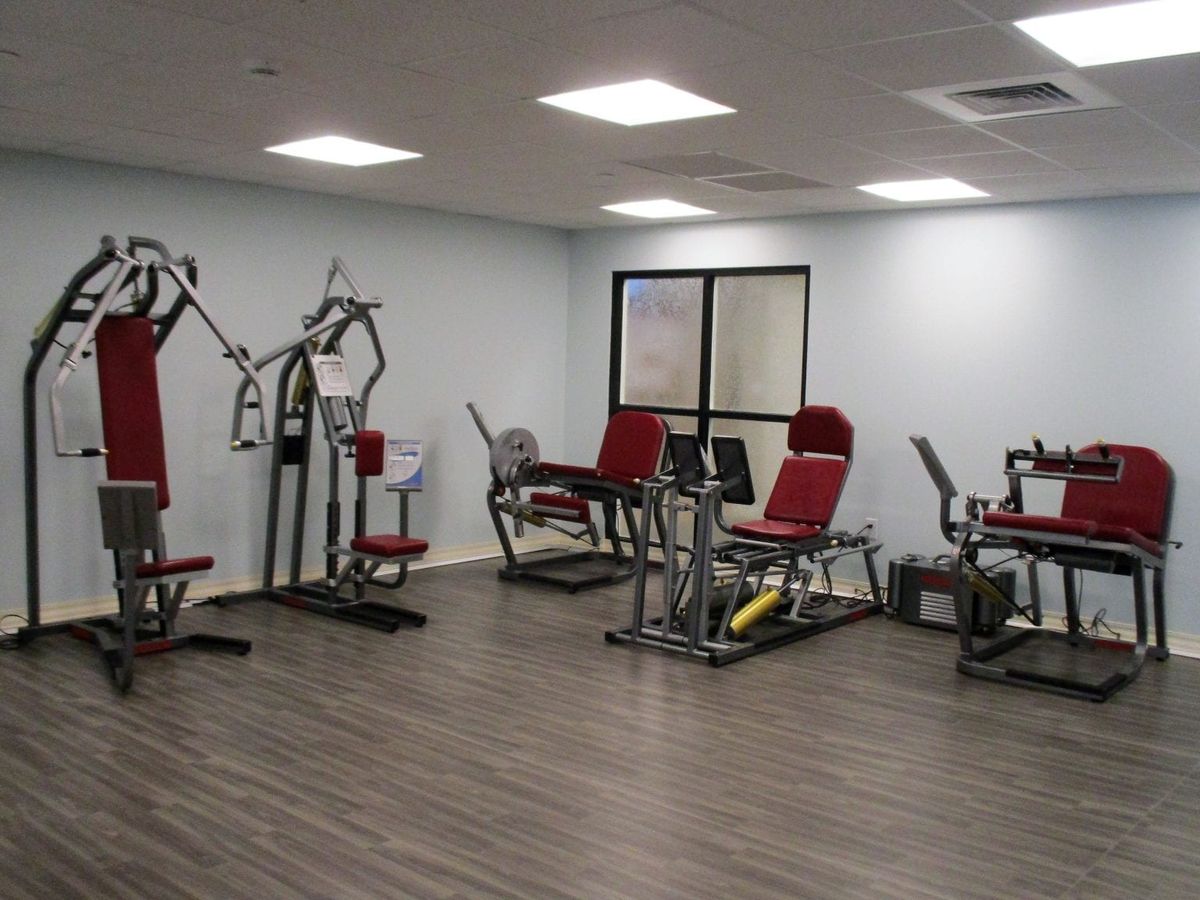
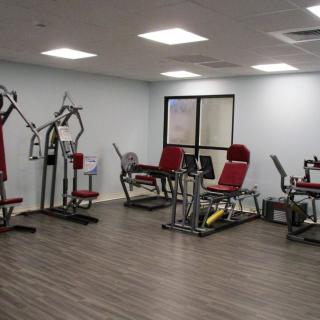
 Fitness room
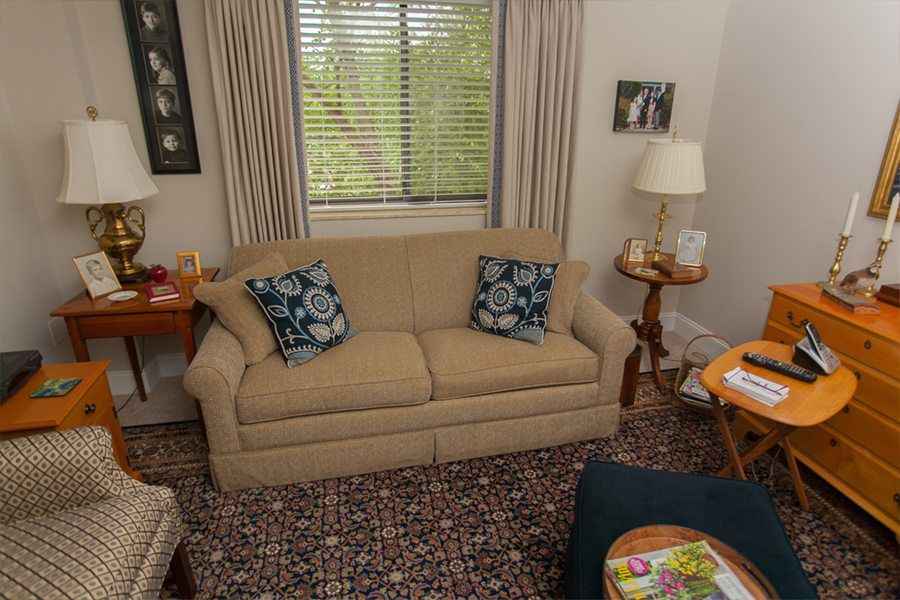
 Fully furnished
 Gaming room
 Garden
 Housekeeping services
 Kitchenette
 Move-in coordination
 Outdoor space
 Private bathrooms
 Restaurant-style dining
 Small library
 Telephone
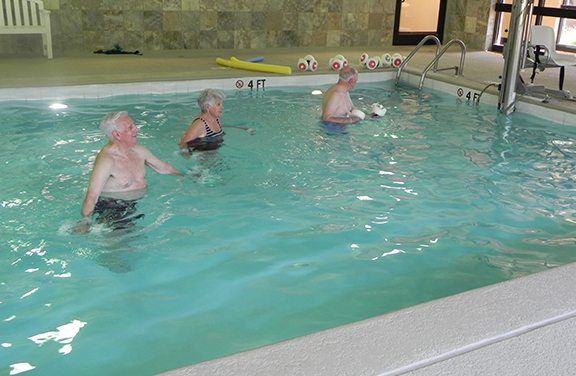
 Wellness center
 Wi-Fi/high-speed internet available
 Charlotte Douglas International (19 miles away)
 Community operated transportation
 12-16 hour nursing
 24-hour call system
 Activities of daily living assistance
 Assistance with bathing
 Assistance with dressing
 Assistance with transfers
 Diabetes diet
 Medication management
 Mental wellness program
 Special dietary restrictions
 Concierge services
 Planned day trips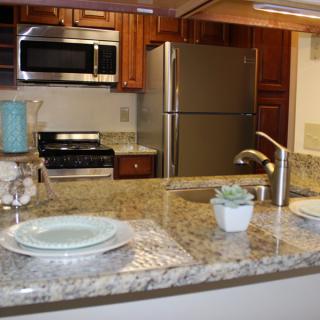








 Exploring the Path to Senior Living: A Comprehensive Look at Independent Living and Assisted Living
 Is Assisted Living Deductible on Your Taxes? Understanding the Complexities of Assisted Living Expenses and Deductions
 Assisted Living Support for Veterans: A Complete and Detailed Overview