For more information about senior living options: (866) 208-4318
3.5 from 72 reviews
5 stars
44
4 stars
1
3 stars
2
2 stars
0
1 stars
25
Overall Review of Rock Hill Post Acute Care Center
common11 reviews mention this
Therapy gets strong praise
Therapy staff are repeatedly described as excellent and focused on progress.
Multiple residents and families highlight physical, occupational, and speech therapy as a standout part of the stay, often crediting therapists for helping someone get stronger or improve walking and daily skills. Several reviews describe therapy staff as attentive and knowledgeable, including being honest about progress expectations. A few reviews also say therapy helped during rehab after major events like a broken hip or extended hospitalizations.
common29 reviews mention this
Caring, friendly staff stand out
Residents and families often describe staff as kind, compassionate, and responsive.
A large portion of reviewers emphasize the friendliness and compassion they saw from nurses, nursing assistants, social workers, and therapists. Many mention being greeted with warmth, receiving updates, and feeling that staff treated them like people rather than just patients. Some reviewers specifically praise individual caregivers by name and describe the atmosphere as welcoming and supportive for both residents and families.
caveat6 reviews mention this
Cleanliness is mixed
Cleanliness experiences vary, with both praise and serious complaints.
Several reviews say the building was clean and well kept, including rooms and hallways, and one notes infection-control steps during COVID-era visits. Other reviewers report unpleasant odors, sticky floors, and rooms that did not look clean. Taken together, cleanliness is not consistently described, so prospective residents may want to look for recent firsthand reports during a visit.
caveat3 reviews mention this
Medication issues come up
Some families report medication mistakes or communication problems.
A few reviews describe medication-related concerns, including allegations of a nurse giving medication intended for another resident and a complaint that meds were changed to something the reviewer said was not supposed to be given. Another review recounts a troubling experience involving pills and water when the resident had difficulty swallowing. These stories point to medication safety and follow-through as a recurring concern for some families.
caveat13 reviews mention this
Care and staffing concerns recur
Several reviews describe delays, missed basics, or understaffing concerns.
While many reviewers praise care, a substantial number report problems with basic support such as getting help with getting up, toileting, turning, hydration, or timely responses when help is requested. Some reviews mention short staffing and long waits for assistance, and one detailed review raises concerns about patient safety and responsiveness to concerns. Overall, the negative feedback focuses on caregivers not showing up consistently enough to meet basic needs.
How we summarize
Counts show how many written reviews mention each theme; a review can touch several themes, and only frequently mentioned themes are displayed.
Features
Housing
99 resident community capacity
Types of Care
Skilled Nursing Facility
Amenities
Air-conditioning
Beauty salon
Cable or satellite TV
Computer center
Dining room
Fitness room
Fully furnished
Gaming room
Garden
Housekeeping services
Kitchenette
Move-in coordination
Outdoor space
Private bathrooms
Restaurant-style dining
Small library
Telephone
Wellness center
Wi-Fi/high-speed internet available
Transportation
Charlotte Douglas International (19 miles away)
Community operated transportation
Transportation arrangement
Transportation arrangement (non-medical)
Transportation to doctors appointments
Care Services
12-16 hour nursing
24-hour call system
24-hour supervision
Activities of daily living assistance
Assistance with bathing
Assistance with dressing
Assistance with transfers
Diabetes diet
Meal preparation and service
Medication management
Mental wellness program
Special dietary restrictions
Transportation to doctors appointments
Dining
Diabetes diet
Special dietary restrictions
Activities
Community-sponsored activities
Concierge services
Fitness programs
Planned day trips
Resident-run activities
Scheduled daily activities
Nearby Places of Interest
Physicians
Rock Hill Family Practice (0.2 miles)
Rock Hill Pediatrics (0.4 miles)
Rock Hill Pediatric Associates (0.4 miles)
Piedmont Wound Care Center (0.5 miles)
Southeast Pulmonary & Critical Care (0.5 miles)
Digestive Disease Associates (0.6 miles)
Tri-County Pediatrics (0.6 miles)
Pharmacies
Palmetto Family Pharmacy (0.6 miles)
Walgreens (0.6 miles)
Carolina Pharmacy (0.7 miles)
Walgreens (1.3 miles)
CVS Pharmacy (1.4 miles)
CVS Pharmacy (1.8 miles)
Harris Teeter Pharmacy (1.9 miles)
Restaurants
Burgers & Barley (0.6 miles)
Hobo's Burgers Shakes & Brews Rock Hill (0.7 miles)
Chicken Salad Chick (0.9 miles)
Fatz (1.3 miles)
El Cancun Mexican Restaurant (1.3 miles)
McDonald's (1.3 miles)
Legal Remedy Brewing (1.6 miles)
Cafes
Starbucks (0.6 miles)
Starbucks (0.7 miles)
Starbucks (3.3 miles)
Starbucks (6.8 miles)
Panera Bread (6.8 miles)
Gateway Canteen (8.2 miles)
Hospitals
Amisub of South Carolina (0.8 miles)
ICU Piedmont Hospital (0.8 miles)
Piedmont Medical Center (0.8 miles)
Piedmont Hospital Emergency Room (0.8 miles)
Places of Worship
The Body (1.3 miles)
Crawford Road Church Of Christ (3.2 miles)
Elevation Church - Riverwalk (3.8 miles)
Grace Community United Methodist Church (8.7 miles)
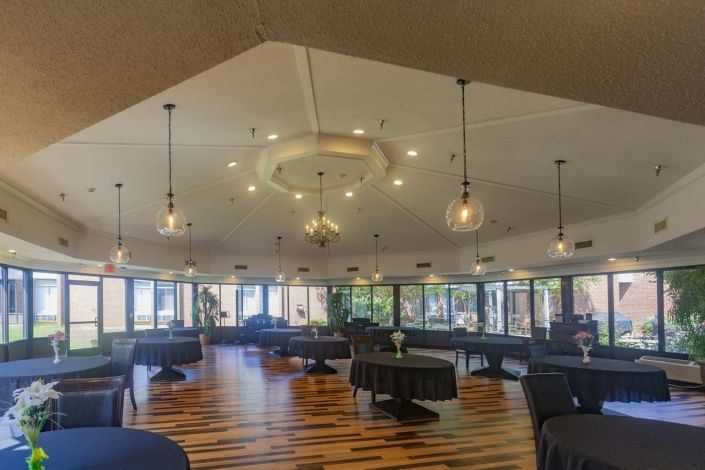
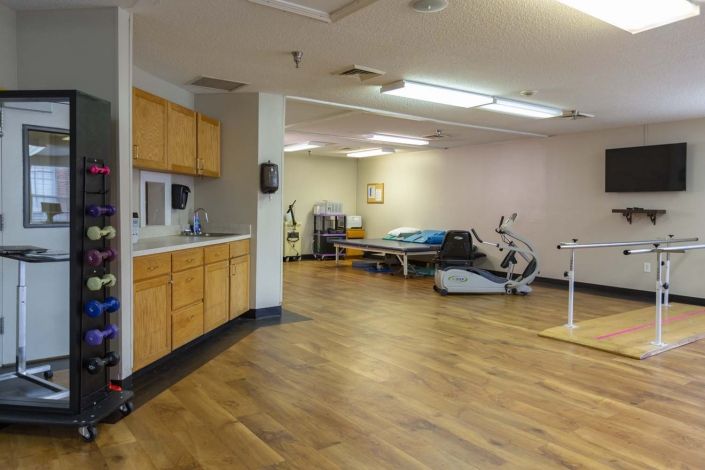
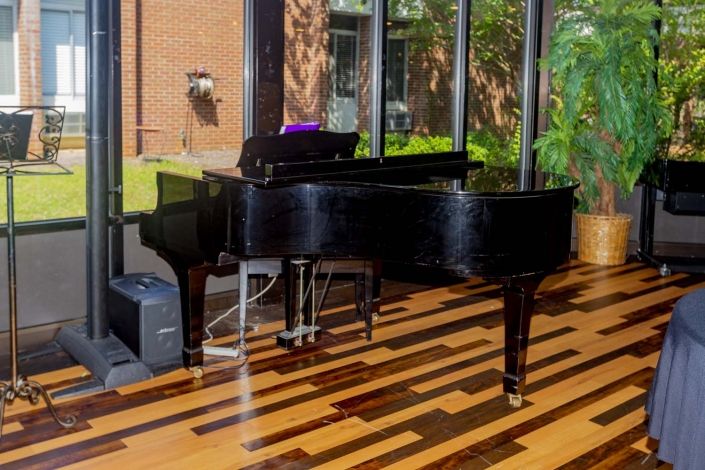
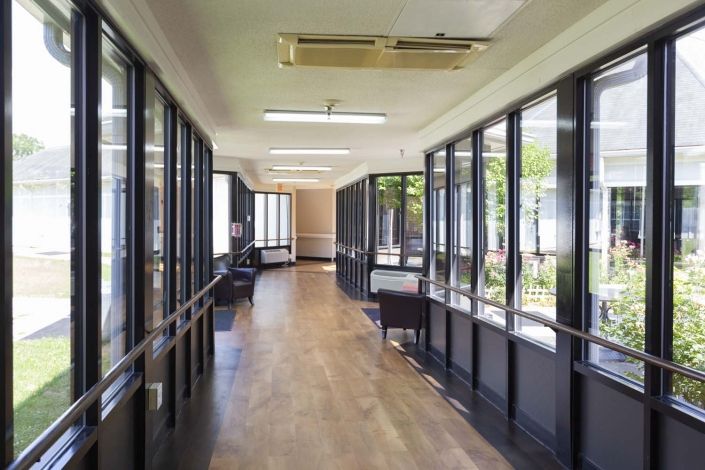
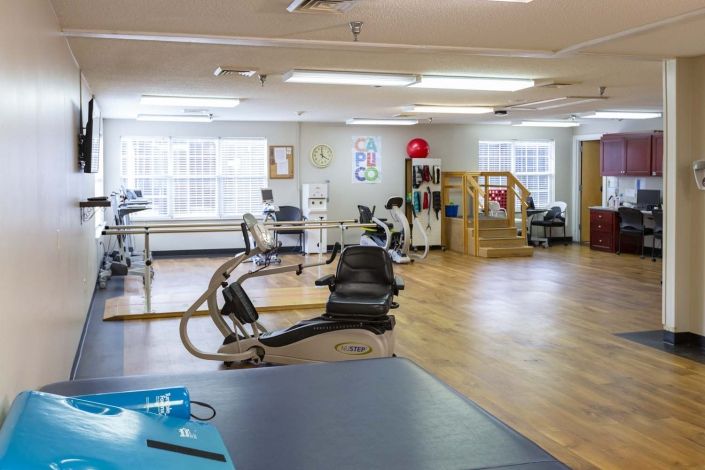
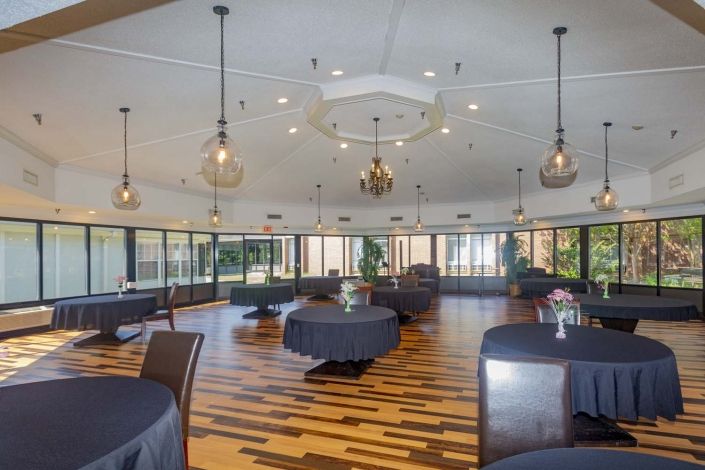
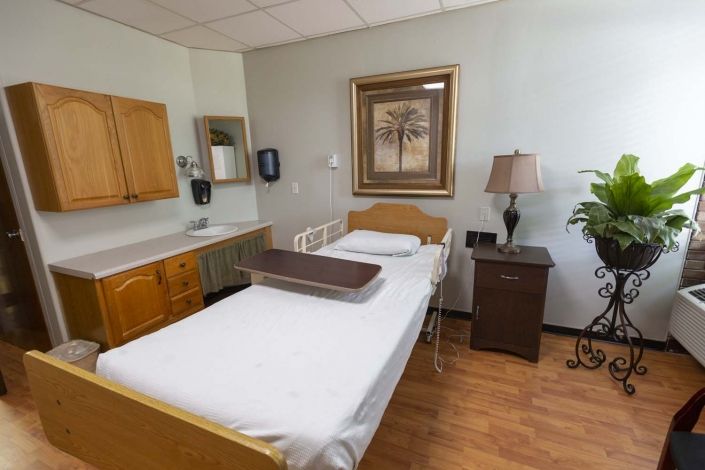
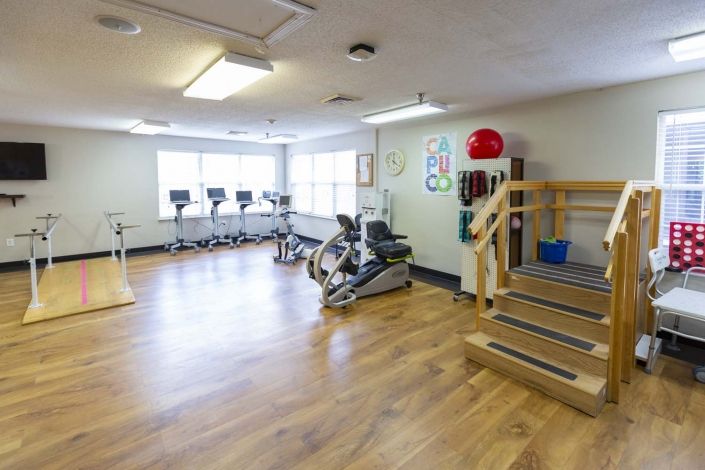
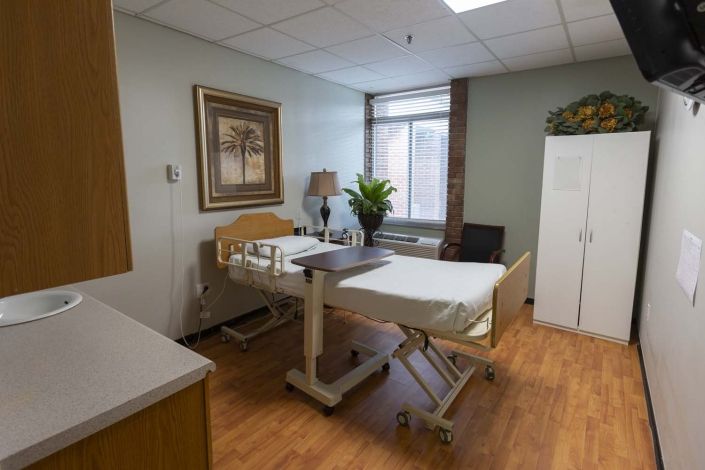
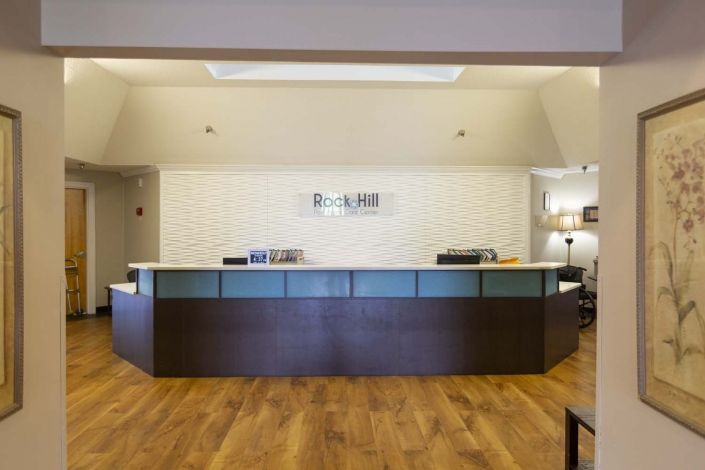
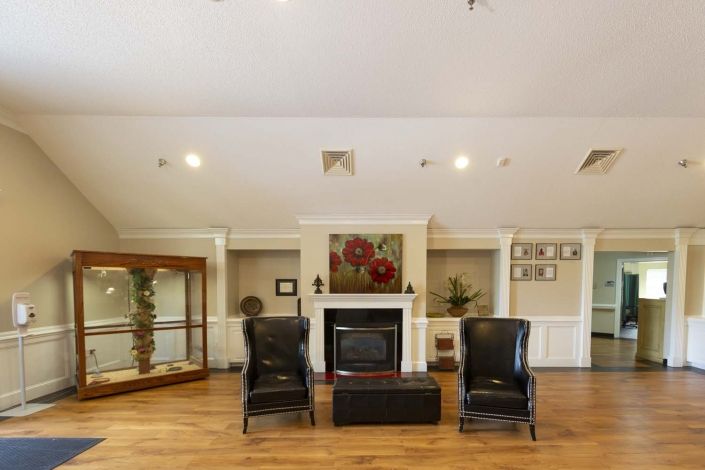
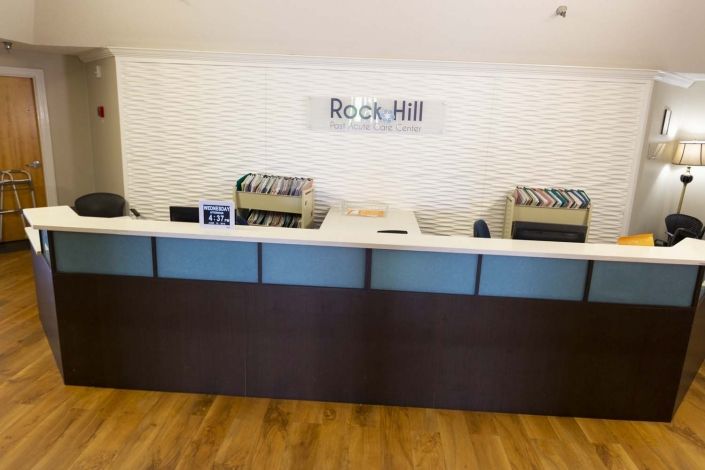
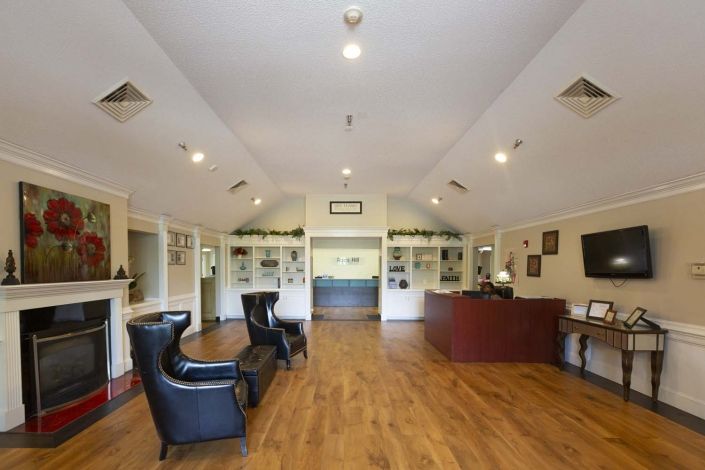
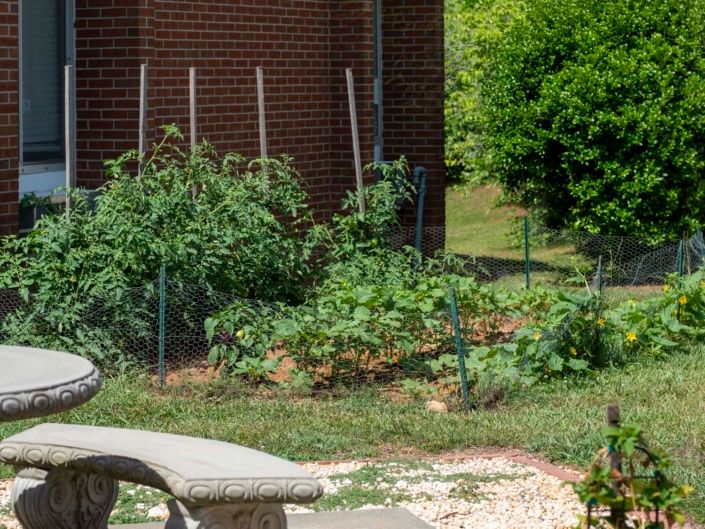
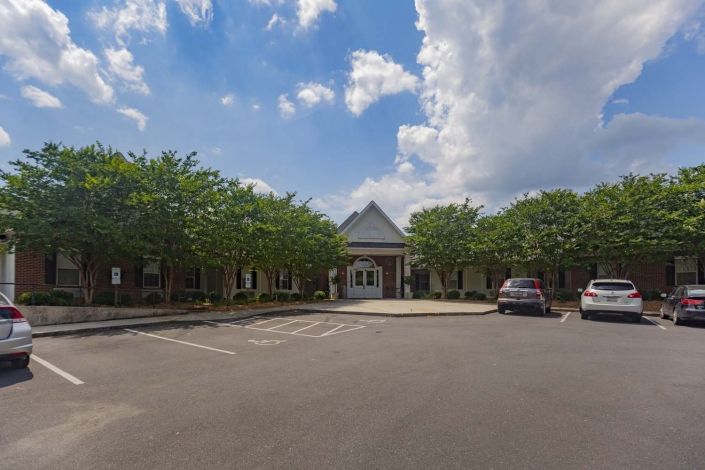
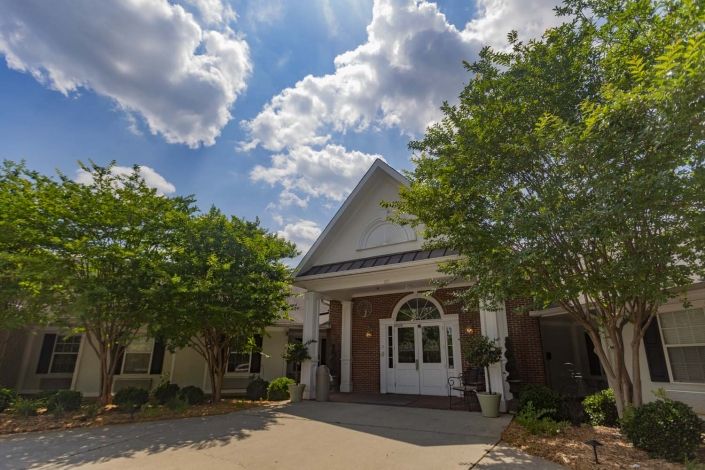
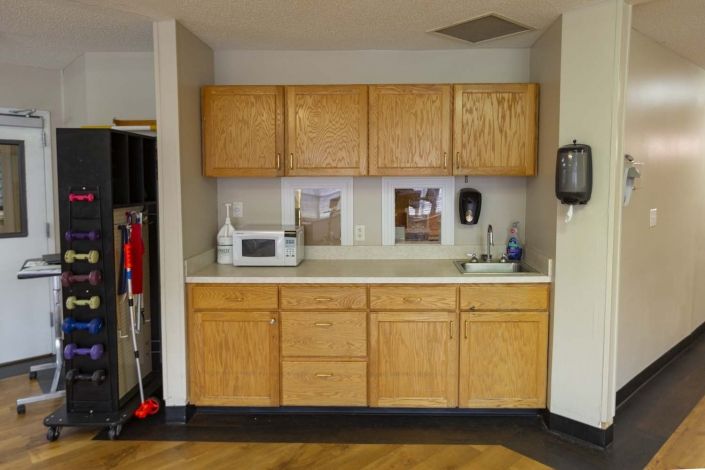
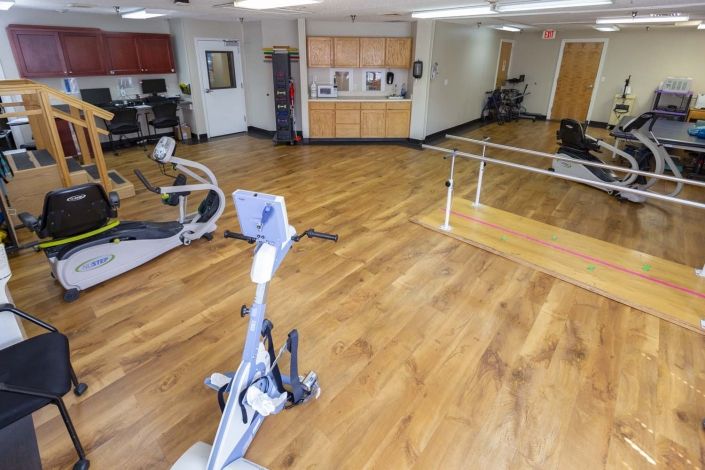
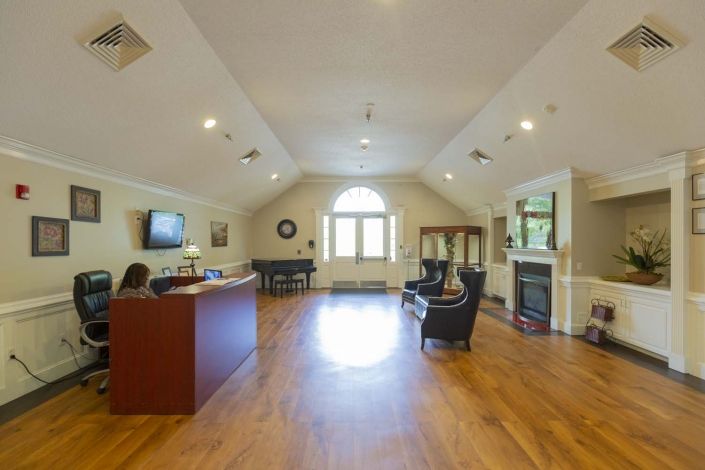
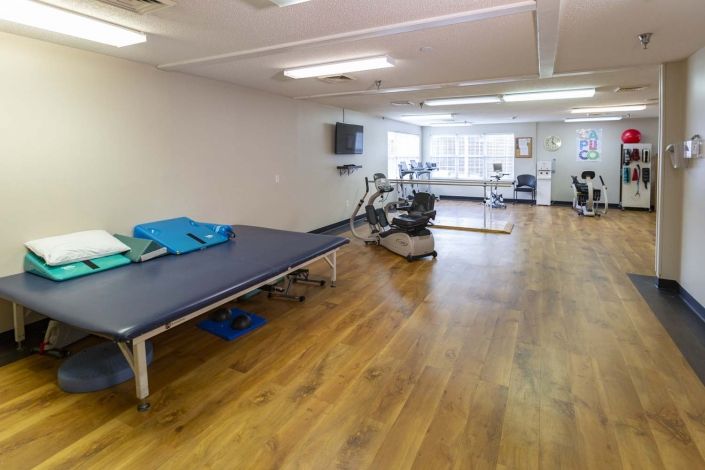
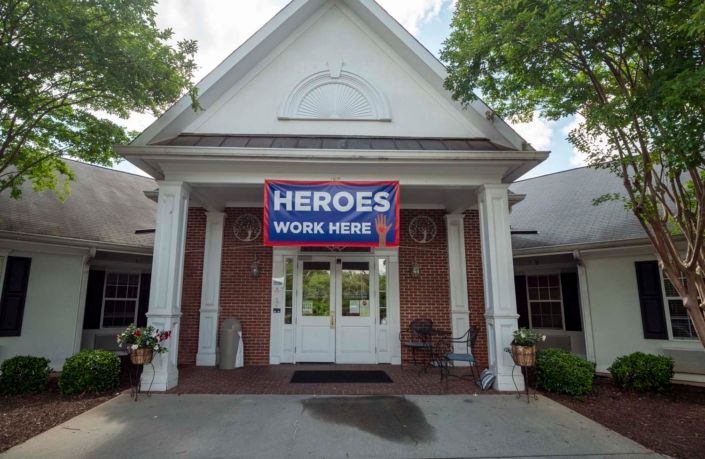
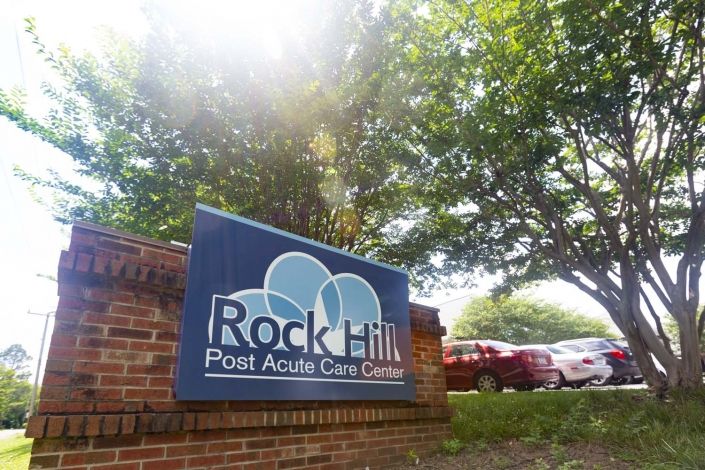
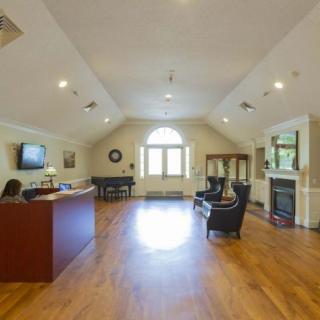
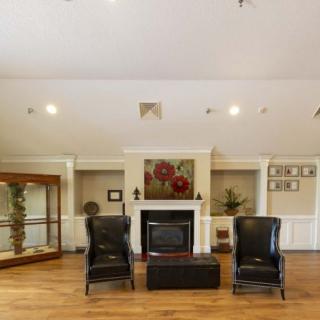
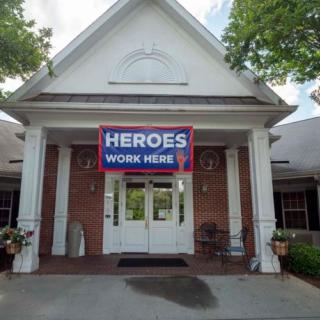
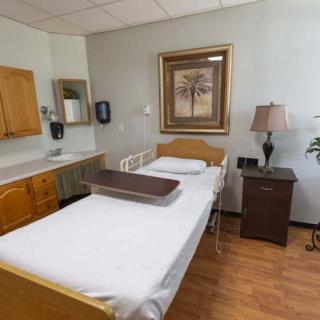
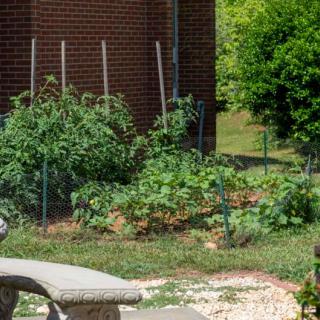
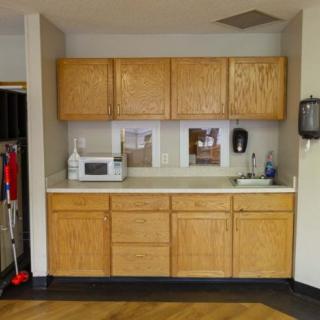
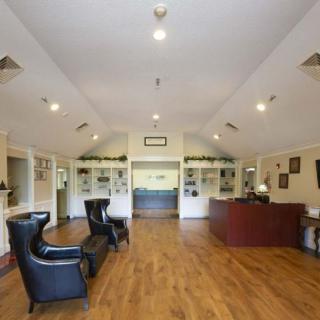
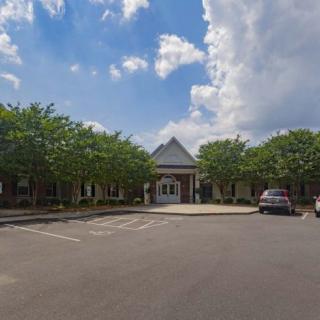
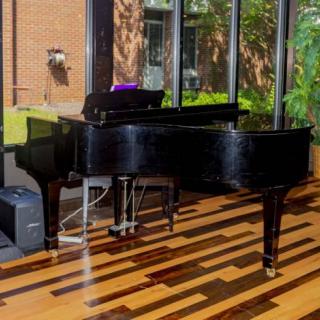
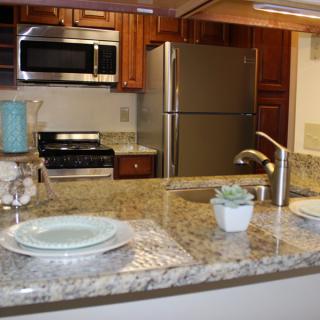
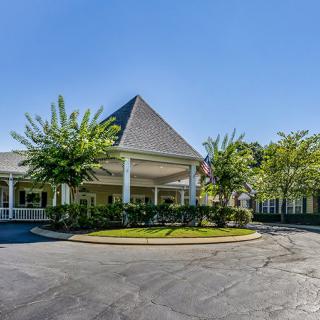
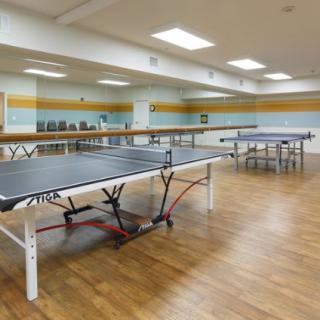
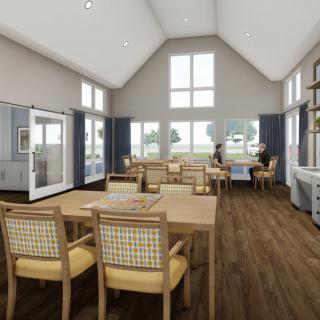
Rock Hill Post Acute Care Center on seniors.fyi includes 27 photos including images showing interior, exercise equipment, trees, building, lobby, windows, landscaping, gym, and more.
Nearby Communities
Ebenezer Nursing Home Inc
Rock Hill, SC
4.6 from 10 reviews
Strong nearby health services and amenities.
Magnolia Manor of Rock Hill
Rock Hill, SC
2.9 from 85 reviews
Clean facility with friendly, helpful staff and good communication.
Westminster Towers
Rock Hill, SC
3.7 from 28 reviews
Renovated facility with modern amenities, active programs, and friendly staff.
Palliative care focuses on alleviating distress at any stage of a serious illness and can accompany curative treatments, while hospice care is for those nearing the end of life with a prognosis of six months or less, emphasizing comfort over curative measures. Both prioritize holistic care for patients and families but differ in timing, goals, and scope.
Fecal incontinence, prevalent among older adults, arises from factors like weakened pelvic muscles and nerve damage, significantly affecting well-being and social interactions. Diagnosis involves clinical evaluation and tests to inform tailored treatments, while caregivers and preventive measures can aid in managing the condition effectively.
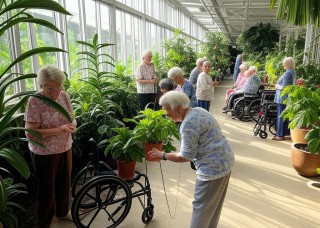
Gardening provides seniors with physical exercise, mental and emotional support, and social interaction opportunities, while accommodating their needs through raised beds and ergonomic tools. It promotes health benefits like improved dexterity and cardiovascular health, encourages sustainable practices, and allows for manageable upkeep with low-maintenance plants.
Get PricingAsk A QuestionSchedule A TourContact Senior Advisor
By clicking submit, you agree to our Partner's Terms of Use. You
also consent to receive calls and texts, which may be autodialed, from our Partner. Your consent is not a condition to
using our Partner's service. Please visit our Partner's Privacy Policy for information about their privacy practices.





 99 resident community capacity
 Skilled Nursing Facility
 Air-conditioning
 Beauty salon
 Cable or satellite TV
 Computer center
 Dining room
 Fitness room
 Fully furnished
 Gaming room
 Garden
 Housekeeping services
 Kitchenette
 Move-in coordination
 Outdoor space
 Private bathrooms
 Restaurant-style dining
 Small library
 Telephone
 Wellness center
 Wi-Fi/high-speed internet available
 Charlotte Douglas International (19 miles away)
 Community operated transportation
 12-16 hour nursing
 24-hour call system
 Activities of daily living assistance
 Assistance with bathing
 Assistance with dressing
 Assistance with transfers
 Diabetes diet
 Medication management
 Mental wellness program
 Special dietary restrictions
 Concierge services
 Planned day trips
 Strong nearby health services and amenities.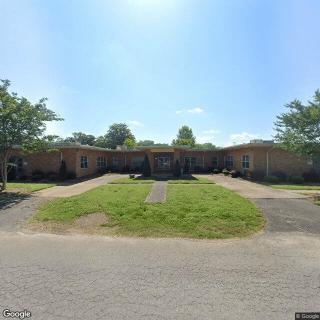



 Understanding the Nuances of Palliative Care and Hospice: A Comprehensive Exploration
 Fecal Incontinence in Older Adults: A Comprehensive Guide
 Nurturing Well-Being Through Gardening: A Detailed Guide for Senior Enthusiasts