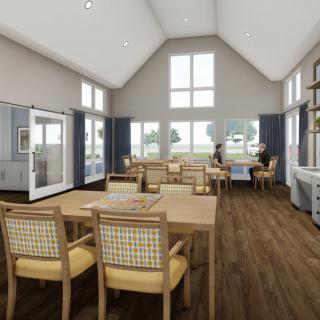
Bird Street II Community Residential Care Facility in Rock Hill, SC

Information last verified:

1711 Bird Street, Rock Hill, SC 29730

For more information about senior living options: (844) 490-3973

4.6 from 73 reviews
5 stars
62
4 stars
5
3 stars
1
2 stars
1
1 stars
4

Seniors.FYI Elite Community Awards

Top 5% Senior Living Community in 2023Top 5% Senior Living Community in 2025

Add this award to your website

Overall Review of Bird Street II Community Residential Care Facility

Pros

  • pro The staff are wonderful and caring for residents.
  • pro The environment is very nice, clean, and welcoming.
  • pro Residents are treated with kindness, respect, and compassion.
  • pro Families feel supported by the staff and look forward to returning.
  • pro Therapy dog visits are warmly welcomed by the team.
  • pro The memory care team meets residents where they are and provides patient, loving care.
  • pro The facility is well maintained, organized, and home-like.
  • pro Staff are friendly, helpful, and responsive to questions.
  • pro The memory care unit is delightful and pleasant.

Cons

  • pro A family member reported a resident on the floor for at least ten minutes before staff arrived after the panic alarm was pulled.
  • pro The reviewer said Chandler Place charged a 14-day move-out fee regardless of whether the resident stayed, and would not waive it.
  • pro The reviewer claimed a shared room had a strong odor and an unfriendly occupant, hurting the mother-in-law's feelings.
  • pro The reviewer asserted the facility cares more about money than residents’ wellbeing.
  • pro A reviewer warned not to use the facility, calling the management incompetent and the care deplorable.
  • pro There were concerns about understaffing on evenings and weekends.
  • pro The staff were described as terrible and uncaring, sometimes not acknowledging visitors.

Review

Bird Street II Community Residential Care Facility appears best suited for seniors who want a warm, resident-centered environment where daily life is structured around meaningful activities, companionship, and steady caregiving support, including memory care needs. The reviews repeatedly praise a clean, inviting setting and a staff culture that feels approachable and attentive. It is especially appealing to families seeking a home-like atmosphere rather than a clinical or institutional feel, with residents who benefit from regular engagement, social outings, and on-site services. For memory care, the facility’s approach, treating residents with dignity, meeting them where they are, and preserving humanity in the dementia journey, stands out as a decisive advantage.

Those who should consider alternatives are families emphasizing absolute flexibility and transparency in policies, or those with particular concerns about evening and weekend staffing. A concrete area to probe is after-hours care: several reviews note that daytime staffing appears strong, but the consistency and responsiveness at night or on weekends can be uneven. The move-out policy also matters: one family described a mandatory 14-day charge even when the transition occurred earlier or under less-than-ideal circumstances, and questions about forwarding medical records point to administrative friction that can complicate transitions. For those needing ultra-flexible terms, or a facility with an especially transparent, paperwork-light exit process, other communities may be preferable.

On the positive side, Bird Street II earns its keep with consistently strong pros. Cleanliness and a welcoming atmosphere are recurrent themes, with residents and families highlighting the hotel-like feel and inviting common areas. Staff are repeatedly described as friendly, patient, and genuinely caring, capable of forming meaningful connections with both residents and visiting family members. In memory care, the care teams are lauded for their ability to honor residents’ dignity, provide consistent attention, and tailor interactions to individual needs. The program is complemented by engaging activities, opportunities for social interaction, and on-site supports such as therapy services and access to clinicians, which collectively help residents thrive day to day.

Those strengths do not float free from concerns, but they do offer a credible counterbalance to the drawbacks. The most salient cons, stated staffing gaps after hours and a rigid move-out policy, are real objections for families needing 24/7 assurances or flexibility during transitions. Yet the same reviews underscore a culture of attentiveness and accountability within the core caregiving teams, and point to a memory care unit that is notably well-run and person-centered. When staff stability, director involvement, and consistent, respectful engagement are the baseline expectations, the overall care experience can still be compelling, particularly for residents who prize daily activity and warm interactions over a more clinical pace.

In practical decision terms, families should approach Bird Street II with targeted questions and a careful site visit. Observe how staff respond to residents’ cues, assess the tone of interactions, and check whether there is visible, reliable assistance during routines and in response to alarms. Inquire about the after-hours staffing model, request concrete numbers or ratios, and ask for examples of how emergencies are managed overnight. Clarify the exit terms in writing, and confirm a transparent process for transferring medical records between facilities. Scrutinize the cost structure beyond the base rate, including any memory care supplements, and verify transportation options, meals, and on-site medical oversight. Collect viewpoints from current residents and families, and insist on speaking with the memory care director to understand care plans and escalation processes.

Ultimately, Bird Street II stands out as a practical, well-regarded option for families prioritizing warmth, cleanliness, and a robust memory care philosophy. It is particularly attractive to those who value consistent caregiver relationships, a lively activity calendar, and a homey environment where residents are treated with dignity. It may be less suitable for families where exit flexibility, after-hours assurance, or ultra-transparent billing practices are non-negotiables. With careful due diligence, asking pointed questions, visiting multiple times, and comparing with alternatives, families can determine whether this community will meet their loved one’s needs and align with the family’s expectations for care, communication, and overall quality of life.

Features

Housing

  • 8 resident community capacity 8 resident community capacity

Types of Care

  • Assisted Living Assisted LivingAssisted living facilities provide crucial support and care for seniors who may need help with daily tasks such as medication management, bathing, and meal preparation. These communities offer a safe and comfortable environment where seniors can maintain their independence while receiving the assistance they need to thrive in their golden years.
  • Board and Care Home Board and Care HomeBoard and care homes provide a smaller, more intimate setting for seniors who require assistance with daily tasks but do not need the level of care offered by a nursing home. They offer personalized care, meals, and social activities in a homelike environment, ensuring that seniors receive individualized attention and support in their golden years.

Amenities

  • Cable or satellite TV Cable or satellite TVCable or satellite TV is important for seniors because it provides entertainment, news, and companionship, helping to combat loneliness and boredom. It also offers a wide range of programming options tailored to different interests and preferences.
  • Dining room Dining roomDining rooms are important for seniors as they provide a space for socialization, connection, and nutritious meals. They offer opportunities for residents to bond over shared meals, foster a sense of community, and promote healthy eating habits. Dining rooms also ensure that seniors have access to well-balanced meals tailored to their dietary needs and preferences.
  • Fully furnished Fully furnishedFully furnished senior living communities are important for seniors because they provide convenience, comfort, and a hassle-free moving experience. Seniors can easily settle into their new living space without the stress of having to buy and move furniture. This allows them to focus on enjoying their new home and community.
  • Garden GardenGardens are important for seniors as they provide a peaceful and therapeutic environment for relaxation, physical activity, and socialization. Being in nature has been shown to reduce stress, improve mood, and promote overall well-being. Gardens also offer opportunities for seniors to engage in gardening activities, which can improve mobility, flexibility, and cognitive function. Additionally, gardens create a sense of community and connection with others who share a passion for plants and outdoor spaces.
  • Housekeeping services Housekeeping servicesHousekeeping services are important for seniors because they help maintain a clean and safe living environment, promote independence, and reduce the risk of accidents or illnesses. Additionally, having assistance with household chores can alleviate physical strain and allow seniors to focus on other aspects of their well-being.
  • Move-in coordination Move-in coordinationMove-in coordination is important for seniors because it helps ease the transition into their new living environment. It ensures that all logistics, such as packing, organizing movers, and setting up utilities are taken care of, allowing seniors to focus on settling in and adjusting to their new home. Having a smooth move-in process can alleviate stress and anxiety, making the transition smoother and more enjoyable for seniors.
  • Outdoor space Outdoor spaceOutdoor spaces are important for seniors as they provide opportunities for physical activity, social interaction, exposure to natural light and fresh air, and a sense of connection to nature. Having access to outdoor spaces can improve overall well-being and quality of life for older adults living in senior communities.
  • Telephone TelephoneTelephones are important for seniors as they provide a lifeline for communication with loved ones, emergency services, and healthcare providers. They offer a sense of security and independence, enabling seniors to stay connected and access assistance when needed.
  • Wi-Fi/high-speed internet available Wi-Fi/high-speed internet availableWi-Fi/high-speed internet is important for seniors to stay connected with loved ones, access online resources, and participate in virtual activities to combat feelings of loneliness and isolation. It also allows them to easily manage healthcare needs, access entertainment, and engage in lifelong learning opportunities.

Transportation

  • Charlotte Douglas International (19 miles away) Charlotte Douglas International (19 miles away)

Care Services

  • 24-hour supervision 24-hour supervision24-hour supervision is important for seniors to ensure their safety, well-being, and access to immediate assistance in case of emergencies or health issues. This constant support provides peace of mind for both seniors and their loved ones, allowing them to age in place with dignity and security.
  • Activities of daily living assistance Activities of daily living assistanceActivities of daily living assistance are important for seniors because they provide essential support with tasks such as eating, bathing, dressing, and mobility. This assistance helps seniors maintain their independence, dignity, and overall quality of life as they age.
  • Assistance with bathing Assistance with bathingAssistance with bathing is crucial for seniors as it helps maintain personal hygiene, prevents infections, and ensures their overall well-being and comfort. It also provides a sense of dignity and independence for seniors who may struggle with this task on their own.
  • Assistance with dressing Assistance with dressingAssistance with dressing is important for seniors because it helps maintain their independence, promotes personal hygiene, prevents accidents and injuries, and improves overall quality of life. This service ensures that seniors can continue to dress comfortably and confidently, despite any physical limitations they may have.
  • Assistance with transfers Assistance with transfersAssistance with transfers is crucial for seniors as it helps prevent falls and injuries, maintains their independence, and ensures they can safely navigate their living environment. It also provides peace of mind for both seniors and their loved ones.
  • Coordination with health care providers Coordination with health care providersCoordination with health care providers is crucial for seniors to ensure proper medical care, medication management, and overall well-being. This collaboration helps prevent overlapping treatments, track progress more effectively, and provide comprehensive support tailored to individual needs.
  • Diabetes diet Diabetes dietA diabetes diet is crucial for seniors as it helps manage blood sugar levels, reduce risks of complications, and improve overall health and well-being. By following a balanced and nutritious diet tailored to their specific needs, seniors can better control their diabetes and enhance their quality of life.
  • Meal preparation and service Meal preparation and serviceMeal preparation and service are crucial for seniors as they may have limited mobility or energy to cook nutritious meals. Having access to healthy and convenient food options can ensure they are getting the proper nutrition needed to maintain their overall health and well-being.
  • Medication management Medication managementMedication management is crucial for seniors to ensure they are taking the right medications at the correct dosages and times. This helps prevent adverse drug interactions, reduces the risk of medication errors, and promotes overall health and well-being. Proactive management also allows for adjustments as needed based on changing health conditions or new prescriptions.
  • Special dietary restrictions Special dietary restrictionsSpecial dietary restrictions are important for seniors because age-related changes in metabolism and health conditions can make it difficult for their bodies to process certain foods. By following a diet tailored to their specific needs, seniors can maintain their overall health and well-being, manage chronic conditions, and reduce the risk of complications such as malnutrition or food interactions with medications.
  • Transportation arrangement (medical) Transportation arrangement (medical)Transportation arrangements for medical purposes are essential for seniors as they may have difficulty driving themselves to appointments or accessing public transportation. Having reliable and safe transportation options ensures that seniors can receive timely medical care and maintain their health and well-being.
  • Transportation to doctors appointments Transportation to doctors appointmentsTransportation to doctors' appointments is crucial for seniors as it ensures they have access to necessary medical care and support for their health needs. Without reliable transportation, seniors may struggle to attend important appointments, leading to potential delays in treatment and health complications. Providing transportation services helps seniors maintain their overall well-being and quality of life.

Dining

  • Diabetes diet Diabetes dietA diabetes diet is crucial for seniors as it helps manage blood sugar levels, reduce risks of complications, and improve overall health and well-being. By following a balanced and nutritious diet tailored to their specific needs, seniors can better control their diabetes and enhance their quality of life.
  • Special dietary restrictions Special dietary restrictionsSpecial dietary restrictions are important for seniors because age-related changes in metabolism and health conditions can make it difficult for their bodies to process certain foods. By following a diet tailored to their specific needs, seniors can maintain their overall health and well-being, manage chronic conditions, and reduce the risk of complications such as malnutrition or food interactions with medications.

Activities

  • Community-sponsored activities Community-sponsored activitiesCommunity-sponsored activities are important for seniors as they provide opportunities for social interaction, mental stimulation, and physical activity. These activities can help improve overall well-being, combat loneliness and isolation, and promote a sense of belonging and purpose among older adults.
  • Scheduled daily activities Scheduled daily activitiesScheduled daily activities are important for seniors because they provide structure, socialization, mental stimulation, and physical activity. Engaging in regular activities can improve overall well-being and quality of life for seniors living in a community setting.

Description

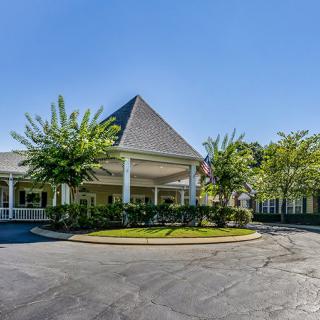
Bird Street II Community Residential Care Facility in Rock Hill, SC is a board and care home that provides exceptional care for seniors in a beautiful and comfortable setting. This facility offers a wide range of amenities to ensure the well-being and comfort of its residents.

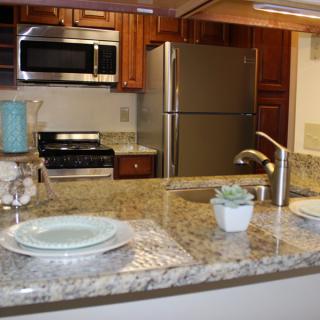
The residents at Bird Street II enjoy meals in a spacious dining room where they can socialize with other members of the community. The facility is fully furnished, providing a cozy and inviting atmosphere for its residents. Additionally, there is a lovely garden where residents can relax and enjoy the outdoors.

Housekeeping services are provided to maintain cleanliness and tidiness within the facility. Move-in coordination is also available to assist new residents during their transition into their new home. Outdoor spaces are accessible to provide opportunities for fresh air and leisurely strolls.

Residents have access to telephone services as well as Wi-Fi/high-speed internet, ensuring they can stay connected with their loved ones and engage in online activities if desired.

The dedicated staff at Bird Street II offers assistance with activities of daily living such as bathing, dressing, transfers, and medication management. They also coordinate with health care providers to ensure residents receive proper medical attention. Special dietary restrictions are accommodated by providing diabetes diets and meal preparation services.

Transportation arrangements for medical appointments are available for the convenience of the residents. Additionally, there are numerous nearby amenities including cafes, parks, pharmacies, physicians' offices, restaurants, places of worship, theaters, and hospitals offering further convenience and accessibility for the community's needs and preferences.

Bird Street II aims to provide not only essential care but also an enriching lifestyle for its residents. Scheduled daily activities keep individuals engaged and entertained within the community.

Overall, Bird Street II Community Residential Care Facility offers a nurturing environment where seniors can receive personalized care while enjoying a comfortable living experience surrounded by excellent amenities and nearby conveniences.

Nearby Places of Interest

Physicians

  • Ascension Behavioral Healthcare PA (0.8 miles)
  • Nephrology Associates PA (2.4 miles)
  • Rock Hill Family Practice (2.4 miles)
  • Shiland Family Medicine (2.5 miles)
  • Levine Cancer Institute - Rock Hill (2.5 miles)
  • Piedmont Wound Care Center (2.6 miles)
  • Rock Hill Pediatric Associates (2.6 miles)

Pharmacies

  • Avita Pharmacy (0.9 miles)
  • Carolina Pharmacy (1.6 miles)
  • Walgreens (1.7 miles)
  • Palmetto Family Pharmacy (1.8 miles)
  • Walgreens (1.9 miles)
  • CVS Pharmacy (2.6 miles)
  • Harris Teeter Pharmacy (2.7 miles)

Restaurants

  • El Cancun Mexican Restaurant (1 miles)
  • Olive Garden (1.2 miles)
  • Rock Hill Diner (1.5 miles)
  • Hobo's Burgers Shakes & Brews Rock Hill (1.7 miles)
  • Wendy's (1.7 miles)
  • Legal Remedy Brewing (1.7 miles)
  • Cracker Barrel (1.8 miles)

Theaters

  • Regal Manchester - Rock Hill (1.2 miles)
  • Redstone 14 (9.2 miles)

Parks

  • Glencairn Garden (1.4 miles)
  • Rock Hill Fountain Park (2 miles)
  • River Park (2.6 miles)
  • Catawba River/Fort Mill Access Area (5.4 miles)
  • Windjammer Park (6.8 miles)
  • Bridgemill Park (7.9 miles)

Cafes

  • Starbucks (1.6 miles)
  • Starbucks (2.3 miles)
  • Starbucks (2.8 miles)
  • Panera Bread (6 miles)
  • Starbucks (6.1 miles)
  • Gateway Canteen (7.3 miles)

Places of Worship

  • Elevation Church - Riverwalk (2.3 miles)
  • The Body (3.3 miles)
  • Crawford Road Church Of Christ (4.1 miles)
  • Grace Community United Methodist Church (8.4 miles)

Hospitals

  • Amisub of South Carolina (3 miles)
  • ICU Piedmont Hospital (3 miles)
  • Piedmont Medical Center (3 miles)
  • Piedmont Hospital Emergency Room (3 miles)

Frequently Asked Questions

Where is Bird Street II Community Residential Care Facility?

Nearby Communities

  • Bird Street I Community Residential Care Facility

    Bird Street I Community Residential Care Facility

    Rock Hill, SC

    4.6 from 74 reviews
     

    pro Intimate, small-capacity setting (8 residents) with personalized care and comprehensive daily living support.

  • Right At Home Rock Hill

    Right At Home Rock Hill

    Rock Hill, SC

    4.7 from 87 reviews
     

    pro Personalized, compassionate care with attentive staff and strong collaboration with families.

  • Marett Boulevard Community Residential Care Facility

    Marett Boulevard Community Residential Care Facility

    Rock Hill, SC

    4.6 from 73 reviews
     

    pro Small, home-like board-and-care with 24-hour supervision and ADL support.

  • HarborChase of Riverwalk

    HarborChase of Riverwalk

    Rock Hill, SC

    4.5 from 36 reviews
    $4,595 to $6,595 / month

    pro Clean, welcoming community with engaging activities and quality dining.

  • Westminster Health & Rehab Center

    Westminster Health & Rehab Center

    Rock Hill, SC

    2.3 from 12 reviews
     

    pro Kind, compassionate staff providing attentive care.

  • Westminster Towers

    Westminster Towers

    Rock Hill, SC

    3.7 from 28 reviews
     

    pro Renovated facility with modern amenities, active programs, and friendly staff.

  • Rock Hill Grove Senior Living

    Rock Hill Grove Senior Living

    Rock Hill, SC

    4.7 from 80 reviews
    $3,550 to $4,950 / month

    pro Caring, attentive staff in a clean, home-like setting with engaging activities and delicious meals.

  • The Bungalows at Indian Land

    The Bungalows at Indian Land

    Indian Land, SC

    4.5 from 19 reviews
    $4,050 to $5,250 / month

    pro Attentive staff and engaging activities in a warm, welcoming community.

  • Wellmore of Tega Cay

    Wellmore of Tega Cay

    Tega Cay, SC

    4.7 from 181 reviews
    $4,375 to $6,400 / month

    pro Caring, responsive staff with engaging activities and restaurant-style dining.

Related Resources

  • va benefits for assisted livingAssisted Living Support for Veterans: A Complete and Detailed Overview

    The guide highlights the importance of assisted living facilities for aging veterans needing daily support, discusses unique challenges they face, and outlines available financial assistance from the VA, including the Aid and Attendance program. It emphasizes understanding eligibility criteria and navigating the VA system to access necessary benefits effectively.

  • assisted living vs skilled nursingExploring the Contrasts Between Assisted Living and Skilled Nursing

    The article compares assisted living and skilled nursing facilities, detailing their differing levels of assistance, medical support, cost structures, and day-to-day experiences. It emphasizes that assisted living is for those needing help with daily activities while maintaining independence, whereas skilled nursing facilities provide intensive medical care with 24-hour staff supervision.

  • when to move from assisted living to nursing home8 Key Indicators That Suggest It May Be Time to Transition from Assisted Living to Skilled Nursing Care

    The transition from assisted living to skilled nursing care is often prompted by complex medical needs that assisted living cannot meet, with key indicators including frequent health declines, increased falls, severe memory issues, and caregiver burnout. Families should recognize these signs early to discuss options with healthcare providers and prepare for the emotional and logistical aspects of moving to a facility that offers comprehensive medical support.