Columbia Presbyterian Community in Lexington, SC

Save

Columbia Presbyterian Community in Lexington, SC

Information last verified:

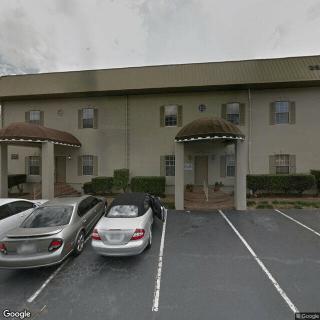
700 Davega Road, Lexington, SC 29073

For more information about senior living options: (844) 490-3973

4.3 from 33 reviews
5 stars
25
4 stars
2
3 stars
0
2 stars
2
1 stars
4

Overall Review of Columbia Presbyterian Community

Pros

  • pro The Jasmine Place staff are incredible and devoted to each resident.
  • pro Amy Walker and her team provide professional, kind, compassionate, loving care to both residents and their families.
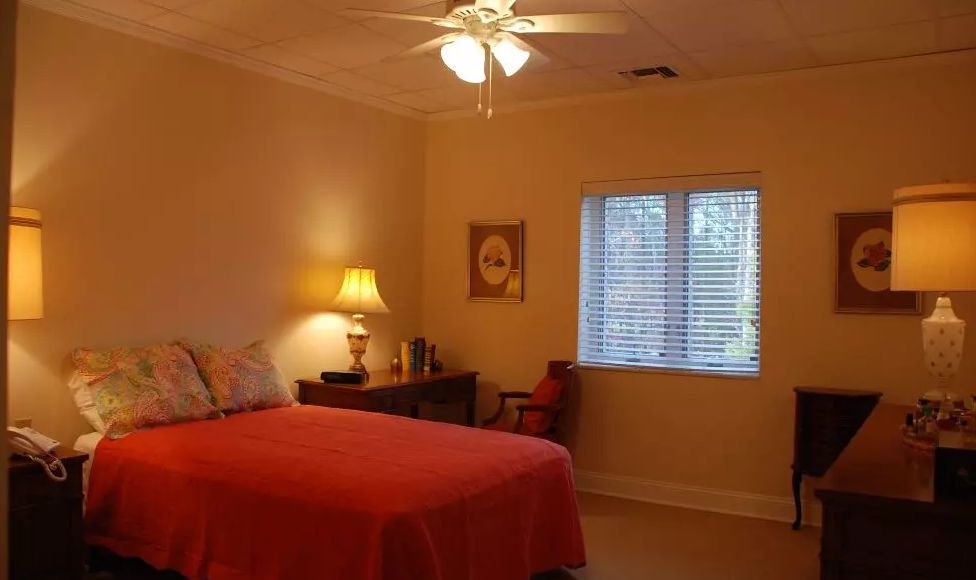
  • pro Jasmine Place is a safe and lovely home environment for the residents.
  • pro The staff handle challenging behaviors with patience and skill, never losing their tempers.
  • pro They fill the residents’ last days with love, reverence, and dignity.
  • pro The caregivers are truly angels on earth, enriching the lives of those they care for.
  • pro The atmosphere is warm, uplifting, and filled with purpose, with residents engaged in meaningful activities.

Cons

  • pro One reviewer alleges that a 93-year-old blind and confused resident was left alone in bed with the head raised, leading to a fall and injuries, with no proper communication.
  • pro A commenter states the facility is not suitable for residents who are not completely independent, especially those with degenerative diseases.
  • pro A nurse reviewer describes the care as awful and notes zero communication, with medication errors including wrong pills, doses, or timing.
  • pro A family claims a patient was left in bed for three days in the same position and was sent home with missing belongings, including wet urinal bottles and clothes.
  • pro Another person says a patient almost died from sepsis due to improper wiping.
  • pro A reviewer reports staff were slow to answer call buttons, with 10 to 20 minute delays.
  • pro A commenter single-handedly labels the place as the "Worst place ever."
  • pro There is criticism of a rehab policy that prevents residents from having phones in their rooms, hindering communication.

Review

Columbia Presbyterian Community’s memory-care offering, Jasmine Place, is best suited for families seeking a dementia-focused environment where compassion, consistent staffing, and family involvement are the core pillars. It shines for residents who need careful supervision wrapped in a loving, home-like atmosphere, with staff who treat each resident as an individual and keep families closely in the loop. The community consistently earns praise for leaders and caregivers who demonstrate patience, dedication, and genuine affection, creating a sense of safety and belonging for residents amid cognitive decline. For families prioritizing dignity, meaningful activity, and steady routines, Jasmine Place frequently meets that mandate with notable strength.

Those weighing alternatives should consider options if the primary need is strong rehab focus, aggressive medical oversight, or a model that emphasizes independence over structured memory care. Some reviews flag experiences in the broader Presbyterian Communities of SC system that include concerns about rehab-specific care and inconsistent daily pace, with occasional delays in response to call bells or questions about medication management. For residents who require high levels of physical assistance around the clock, or who need a more medicalized, non-memory-care setting, it may be prudent to examine other facilities or ensure a highly explicit, current care plan is in place before committing.

The strongest positives, staff devotion, specialized memory-care expertise, and open family communication, largely offset the main drawbacks when the resident’s needs align with Jasmine Place’s strengths. Families repeatedly describe caregivers as patient, calm, and deeply engaged, able to redirect agitation and preserve dignity during wandering or confusion. The leadership tone, anchored by long-tenured supervisors and nurses, translates into reliable routines, personalized medication support, and continuous, respectful interaction with both residents and families. The environment itself supports purpose and belonging, with activities tailored to individual histories and interests and a culture that invites family input into daily life and care planning.

However, several reviews underscore caution. There are accounts of safety concerns and lapses in care in other parts of the Presbyterian system and at times in the broader care continuum, including delayed call-bell responses and experiences where residents suffered from medical or rehabilitation missteps. While Jasmine Place is praised for its dementia-specific approach, these cautions remind families to verify current staffing levels, care protocols, and the on-site culture on a visit day. The risk signals highlight the need for proactive family involvement, clear expectations, and a direct conversation about emergency procedures, medication verification, and daily monitoring before choosing any community within this system.

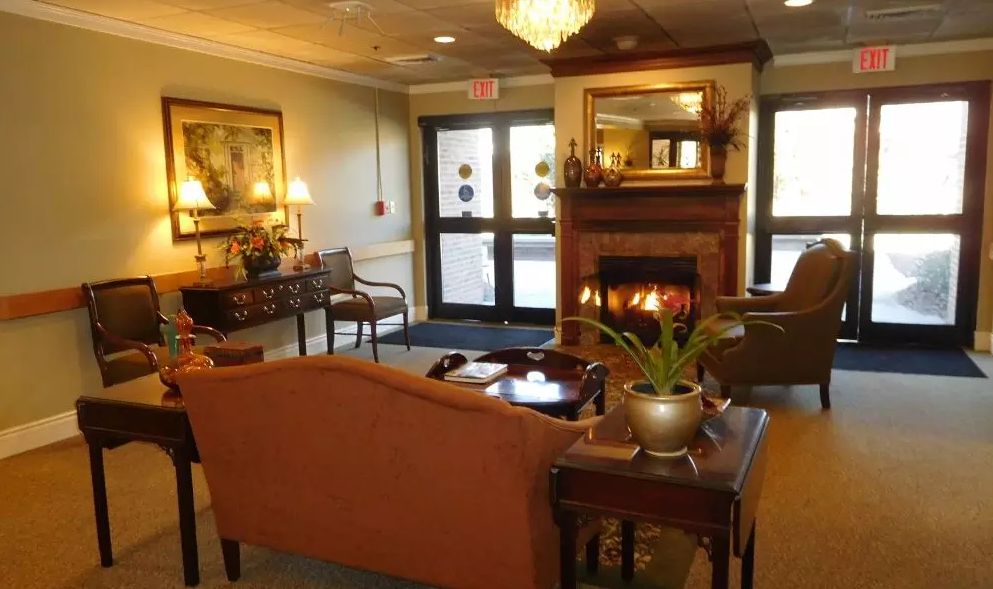
Practical considerations reinforce why Jasmine Place remains a strong contender for memory care in this region. The Lexington location benefits from a scenic setting along the Saluda River, with convenient access and thoughtful design that supports safety and comfort. Reviews converge on the view that the campus, food service, and the overall atmosphere are often described as top-tier when the focus is dementia care; residents appear engaged, and caregivers convey a sense of purpose and pride in their work. The undeniable strength lies in the intimate, respectful culture: staff know residents’ stories, celebrate their preferences, and maintain open lines of communication with families, which reduces anxiety during disease progression.

The bottom-line judgment: for families confronting dementia progression, Jasmine Place within Columbia Presbyterian Community is one of the most human-centered, professionally run memory-care options in the area. Its proven ability to foster belonging, provide reliable daily routines, and deliver compassionate, individualized care makes it a strong fit when independence is no longer feasible but dignity remains non-negotiable. If the need centers on rehab intensity, aggressive medical management, or a model that prioritizes independent living with limited assisted-living support, it is wise to explore alternatives or insist on a transparent, up-to-date performance check, current staffing, fall prevention measures, medication protocols, and response times. A targeted tour, meetings with Amy Walker and Jasmine Place’s key staff, and a careful review of the resident’s care plan will reveal whether this community truly aligns with the family’s risk tolerance, expectations, and long-term goals.

Features

Housing

  • 22 resident community capacity 22 resident community capacity

Types of Care

  • Assisted Living Assisted LivingAssisted living facilities provide crucial support and care for seniors who may need help with daily tasks such as medication management, bathing, and meal preparation. These communities offer a safe and comfortable environment where seniors can maintain their independence while receiving the assistance they need to thrive in their golden years.
  • Continuing Care Retirement Community (CCRC) Continuing Care Retirement Community (CCRC)Continuing Care Retirement Communities (CCRCs) are important for seniors because they provide a range of housing options and care services all in one location. This allows seniors to age in place and receive the level of care they need as their health changes, without having to move to a new facility. CCRCs provide a sense of security and peace of mind for seniors and their families, knowing that they will be taken care of no matter what the future holds.
  • Independent Living Independent LivingIndependent living communities are important for seniors because they offer a safe and supportive environment where older adults can live independently while still having access to amenities and services that enhance their quality of life. These communities provide social opportunities, recreational activities, and assistance with daily tasks, promoting overall well-being and allowing seniors to maintain their independence for as long as possible.
  • Memory Care Memory CareMemory care is crucial for seniors as it provides specialized support and services for individuals with dementia or Alzheimer's disease. These programs offer a safe and secure environment where residents receive personalized care, cognitive stimulation, and help with daily activities. Memory care helps seniors maintain their independence, quality of life, and dignity while also providing peace of mind for their families.

Amenities

  • Beauty salon Beauty salonBeauty salons are important for seniors because they provide a space for them to feel pampered, socialize, and maintain their personal grooming and hygiene. Regular visits to a beauty salon can help boost seniors' self-esteem and overall well-being.
  • Cable or satellite TV Cable or satellite TVCable or satellite TV is important for seniors because it provides entertainment, news, and companionship, helping to combat loneliness and boredom. It also offers a wide range of programming options tailored to different interests and preferences.
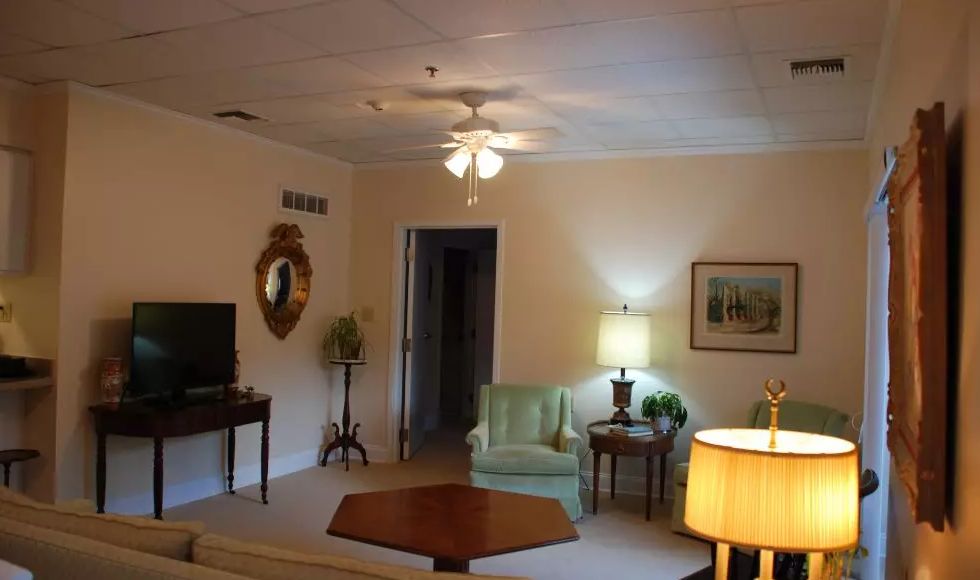
  • Fully furnished Fully furnishedFully furnished senior living communities are important for seniors because they provide convenience, comfort, and a hassle-free moving experience. Seniors can easily settle into their new living space without the stress of having to buy and move furniture. This allows them to focus on enjoying their new home and community.
  • Garden GardenGardens are important for seniors as they provide a peaceful and therapeutic environment for relaxation, physical activity, and socialization. Being in nature has been shown to reduce stress, improve mood, and promote overall well-being. Gardens also offer opportunities for seniors to engage in gardening activities, which can improve mobility, flexibility, and cognitive function. Additionally, gardens create a sense of community and connection with others who share a passion for plants and outdoor spaces.
  • Housekeeping services Housekeeping servicesHousekeeping services are important for seniors because they help maintain a clean and safe living environment, promote independence, and reduce the risk of accidents or illnesses. Additionally, having assistance with household chores can alleviate physical strain and allow seniors to focus on other aspects of their well-being.
  • Kitchenette KitchenetteKitchenettes are important for seniors living in senior living communities because they provide the convenience and independence of being able to prepare simple meals and snacks in the comfort of their own living space. This can help promote a sense of autonomy and well-being for seniors, allowing them to maintain some level of control over their dietary choices and daily routines.
  • Move-in coordination Move-in coordinationMove-in coordination is important for seniors because it helps ease the transition into their new living environment. It ensures that all logistics, such as packing, organizing movers, and setting up utilities are taken care of, allowing seniors to focus on settling in and adjusting to their new home. Having a smooth move-in process can alleviate stress and anxiety, making the transition smoother and more enjoyable for seniors.
  • Outdoor space Outdoor spaceOutdoor spaces are important for seniors as they provide opportunities for physical activity, social interaction, exposure to natural light and fresh air, and a sense of connection to nature. Having access to outdoor spaces can improve overall well-being and quality of life for older adults living in senior communities.
  • Private bathrooms Private bathroomsPrivate bathrooms are important for seniors in senior living communities because they provide independence, dignity, and comfort. Having a private bathroom allows seniors to maintain their personal hygiene routines without the need for assistance, promoting a sense of autonomy and privacy. Additionally, private bathrooms help prevent the spread of infections and provide a safe and clean environment for seniors to navigate safely.
  • Wi-Fi/high-speed internet available Wi-Fi/high-speed internet availableWi-Fi/high-speed internet is important for seniors to stay connected with loved ones, access online resources, and participate in virtual activities to combat feelings of loneliness and isolation. It also allows them to easily manage healthcare needs, access entertainment, and engage in lifelong learning opportunities.

Transportation

  • Columbia Metropolitan (6 miles away) Columbia Metropolitan (6 miles away)
  • Community operated transportation Community operated transportationCommunity operated transportation is crucial for seniors as it provides them with the means to access essential services, social activities, and medical appointments. It allows seniors to maintain their independence and quality of life by ensuring they can participate in activities outside of their homes. Additionally, community-operated transportation services offer a safe and reliable way for seniors to travel without having to rely on family or friends for assistance.
  • Transportation arrangement Transportation arrangementTransportation arrangements are crucial for seniors as they may face challenges with driving, mobility, or access to public transportation. Having reliable transportation services ensures that seniors can easily attend appointments, social activities, and maintain their independence and quality of life.
  • Transportation arrangement (non-medical) Transportation arrangement (non-medical)Transportation arrangements are essential for seniors as they provide access to essential services, activities, and social interactions outside the home. This service helps maintain independence, mobility, and overall well-being for seniors who may have limited transportation options.

Care Services

  • 24-hour call system 24-hour call system24-hour call systems are important for seniors because they provide peace of mind and immediate assistance in case of emergencies. This technology ensures that help is always available, promoting safety and security for elderly individuals living alone or in assisted living facilities.
  • 24-hour supervision 24-hour supervision24-hour supervision is important for seniors to ensure their safety, well-being, and access to immediate assistance in case of emergencies or health issues. This constant support provides peace of mind for both seniors and their loved ones, allowing them to age in place with dignity and security.
  • Activities of daily living assistance Activities of daily living assistanceActivities of daily living assistance are important for seniors because they provide essential support with tasks such as eating, bathing, dressing, and mobility. This assistance helps seniors maintain their independence, dignity, and overall quality of life as they age.
  • Assistance with bathing Assistance with bathingAssistance with bathing is crucial for seniors as it helps maintain personal hygiene, prevents infections, and ensures their overall well-being and comfort. It also provides a sense of dignity and independence for seniors who may struggle with this task on their own.
  • Assistance with dressing Assistance with dressingAssistance with dressing is important for seniors because it helps maintain their independence, promotes personal hygiene, prevents accidents and injuries, and improves overall quality of life. This service ensures that seniors can continue to dress comfortably and confidently, despite any physical limitations they may have.
  • Assistance with transfers Assistance with transfersAssistance with transfers is crucial for seniors as it helps prevent falls and injuries, maintains their independence, and ensures they can safely navigate their living environment. It also provides peace of mind for both seniors and their loved ones.
  • Diabetes diet Diabetes dietA diabetes diet is crucial for seniors as it helps manage blood sugar levels, reduce risks of complications, and improve overall health and well-being. By following a balanced and nutritious diet tailored to their specific needs, seniors can better control their diabetes and enhance their quality of life.
  • Meal preparation and service Meal preparation and serviceMeal preparation and service are crucial for seniors as they may have limited mobility or energy to cook nutritious meals. Having access to healthy and convenient food options can ensure they are getting the proper nutrition needed to maintain their overall health and well-being.
  • Medication management Medication managementMedication management is crucial for seniors to ensure they are taking the right medications at the correct dosages and times. This helps prevent adverse drug interactions, reduces the risk of medication errors, and promotes overall health and well-being. Proactive management also allows for adjustments as needed based on changing health conditions or new prescriptions.
  • Special dietary restrictions Special dietary restrictionsSpecial dietary restrictions are important for seniors because age-related changes in metabolism and health conditions can make it difficult for their bodies to process certain foods. By following a diet tailored to their specific needs, seniors can maintain their overall health and well-being, manage chronic conditions, and reduce the risk of complications such as malnutrition or food interactions with medications.

Dining

  • Diabetes diet Diabetes dietA diabetes diet is crucial for seniors as it helps manage blood sugar levels, reduce risks of complications, and improve overall health and well-being. By following a balanced and nutritious diet tailored to their specific needs, seniors can better control their diabetes and enhance their quality of life.
  • Special dietary restrictions Special dietary restrictionsSpecial dietary restrictions are important for seniors because age-related changes in metabolism and health conditions can make it difficult for their bodies to process certain foods. By following a diet tailored to their specific needs, seniors can maintain their overall health and well-being, manage chronic conditions, and reduce the risk of complications such as malnutrition or food interactions with medications.

Activities

  • Community-sponsored activities Community-sponsored activitiesCommunity-sponsored activities are important for seniors as they provide opportunities for social interaction, mental stimulation, and physical activity. These activities can help improve overall well-being, combat loneliness and isolation, and promote a sense of belonging and purpose among older adults.
  • Fitness programs Fitness programsFitness programs are crucial for seniors as they help improve strength, flexibility, balance, and overall well-being. Staying active can reduce the risk of chronic diseases, improve mental health, and enhance quality of life in older adults.
  • Resident-run activities Resident-run activitiesResident-run activities are important for seniors as they encourage social interaction, creativity, and a sense of autonomy. These activities empower seniors to stay engaged and active in their community while fostering meaningful connections with their peers.
  • Scheduled daily activities Scheduled daily activitiesScheduled daily activities are important for seniors because they provide structure, socialization, mental stimulation, and physical activity. Engaging in regular activities can improve overall well-being and quality of life for seniors living in a community setting.

Description

Columbia Presbyterian Community in Lexington, SC is a vibrant and welcoming assisted living community that offers a range of care services and amenities for its residents. As a Continuing Care Retirement Community (CCRC), it provides various levels of care to meet the changing needs of its residents over time.

For those who value independent living, Columbia Presbyterian Community offers spacious and fully furnished apartments equipped with cable or satellite TV, Wi-Fi/high-speed internet, and private bathrooms. Housekeeping services are also provided to ensure a clean and comfortable living environment. Residents can enjoy the beautiful outdoor spaces and gardens, as well as the convenience of community-operated transportation for outings and errands.

When it comes to personal care, the community offers 24-hour supervision and assistance with activities of daily living such as bathing, dressing, and transfers. Medication management is also available to ensure that residents receive their prescribed medications on time. For those with special dietary needs, the community accommodates special dietary restrictions with diabetes diets and other specific requirements.

Columbia Presbyterian Community understands the importance of social engagement and offers a variety of activities for its residents. Fitness programs promote an active lifestyle while resident-run activities allow individuals to showcase their talents or pursue their hobbies. Scheduled daily activities provide opportunities for social interaction and entertainment.

Located in Lexington, SC, this assisted living community benefits from its proximity to numerous amenities. With five parks nearby, residents can enjoy nature walks or picnics in peaceful surroundings. There are also plenty of options for dining out with 29 restaurants in the area. The presence of 11 pharmacies ensures easy access to medications, while 33 physicians provide convenient healthcare services. Additionally, there are places of worship and theaters nearby for cultural enrichment.

At Columbia Presbyterian Community, seniors can expect compassionate care in a warm and supportive environment that promotes independence and overall well-being.

Nearby Places of Interest

Restaurants

  • Cracker Barrel (0.7 miles)
  • Real Mexico Restaurant Y Tienda (0.8 miles)
  • Waffle House (1.3 miles)
  • Freddy's Frozen Custard & Steakburgers (1.4 miles)
  • Chick-Fil-A (1.5 miles)
  • McDonald's (1.5 miles)
  • McDonald's (1.9 miles)

Pharmacies

  • Alcohol & Drug Abuse (0.8 miles)
  • Intramed Plus (0.8 miles)
  • CVS Pharmacy (1.9 miles)
  • Agape Pharmacy (2.5 miles)
  • Walgreens (2.8 miles)
  • Medicine Mart Pharmacy (3.3 miles)
  • Walgreens (3.3 miles)

Physicians

  • Associates In Oral & Maxillofacial Surgery (0.8 miles)
  • Allergy Partners of the Midlands: Dr. Hector Rodriguez (1 miles)
  • The Pain Center Of First Choice Healthcare Pc (1 miles)
  • Doctors Care (1 miles)
  • Palmetto Dermatology (1 miles)
  • Carolina Eye Center (1 miles)
  • Carolina Orthopedic & Sports Medicine (1 miles)

Hospitals

  • Lexington Medical Center Emergency Room (1.3 miles)
  • Lexington Medical Center (1.4 miles)
  • Urgent Care Center (4.8 miles)
  • Palmetto Health Baptist Parkridge (4.8 miles)
  • Palmetto Health Parkridge (4.9 miles)

Parks

  • Saluda Riverwalk (2.7 miles)
  • Saluda Shoals Park (3.7 miles)
  • River Center At Saluda Shoals (3.7 miles)
  • Columbia Canal & Riverfront Park (4.7 miles)
  • West Columbia Riverwalk (4.8 miles)

Theaters

  • Regal Columbiana Grande (3.5 miles)
  • AMC Harbison 14 (4.1 miles)

Places of Worship

  • Cornerstone Presbyterian Church (3.9 miles)
  • First Baptist Church Of Irmo (5.2 miles)

Transportation

  • National Car Rental (5.3 miles)
  • USO Columbia Airport (5.3 miles)

Frequently Asked Questions

Where is Columbia Presbyterian Community?
Does Columbia Presbyterian Community provide care for residents with dementia or Alzheimer's disease?
What photos are available for Columbia Presbyterian Community in Lexington, South Carolina?

Nearby Communities

  • Presbyterian Communities Of South Carolina-Columbia

    Presbyterian Communities Of South Carolina-Columbia

    Lexington, SC

    4.2 from 34 reviews
    $7,250 to $9,100 / month

    pro Comprehensive amenities with on-site activities and specialized diabetic care, plus devotional services and strong access to nearby health resources.

  • Colonial Gardens Memory Care & Transitional Assisted Living

    Colonial Gardens Memory Care & Transitional Assisted Living

    West Columbia, SC


    pro Specialized memory care with 24-hour supervision

  • NHC Healthcare-Lexington

    NHC Healthcare-Lexington

    West Columbia, SC

    3.4 from 61 reviews
     

    pro Caring staff and a well-maintained environment with engaging activities.

  • Asbury Arms Apartments

    Asbury Arms Apartments

    West Columbia, SC

    3.5 from 8 reviews
     

    pro Excellent location with abundant nearby dining, parks, and healthcare options.

  • Comfort Keepers

    Comfort Keepers

    West Columbia, SC

    4.4 from 8 reviews
     

    pro Pleasant, flexible staff delivering compassionate care.

  • Pines Columbia

    Pines Columbia

    West Columbia, SC

    4.3 from 60 reviews
    $2,600 / month

    pro Friendly, attentive staff; improved family communication; clean, updated facility with spacious rooms and good dining options.

  • Millennium Post Acute Rehabilitation

    Millennium Post Acute Rehabilitation

    W Columbia, SC

    4.2 from 106 reviews
     

    pro Extensive on-site amenities and 24/7 care options (restaurant-style dining, beauty salon, fitness room, transportation).

  • Colonial Gardens Transitional Assisted Living and Memory Care

    Colonial Gardens Transitional Assisted Living and Memory Care

    West Columbia, SC

    4.3 from 32 reviews
    $4,400 to $6,200 / month

    pro Friendly, attentive staff with memory-care-focused programming and a clean, welcoming environment.

  • Harbison Hall

    Harbison Hall

    Columbia, SC

    3.4 from 7 reviews
     

    pro Warm, family-like staff with affordable rates and engaging activities.

Related Resources

  • assisted living waiver programA Detailed Exploration of Assisted Living Medicaid Waivers Across the United States

    Medicaid waivers for assisted living services provide vital support for seniors and individuals with disabilities in need of long-term care, with varying state-specific eligibility criteria and benefits. These waivers cover personal care and case management but often do not fully cover room and board, leading to waiting lists for many applicants.

  • assisted living vs skilled nursingExploring the Contrasts Between Assisted Living and Skilled Nursing

    The article compares assisted living and skilled nursing facilities, detailing their differing levels of assistance, medical support, cost structures, and day-to-day experiences. It emphasizes that assisted living is for those needing help with daily activities while maintaining independence, whereas skilled nursing facilities provide intensive medical care with 24-hour staff supervision.

  • active senior livingVibrant Senior Living: A Comprehensive Guide for Active Older Adults


    Vibrant Senior Living emphasizes active senior living communities that promote independence and engagement through diverse amenities and activities, fostering wellness and social interaction among older adults. These communities range from independent to assisted living, with a focus on personal growth, family involvement, financial planning, and leveraging technology to enhance residents' experiences.