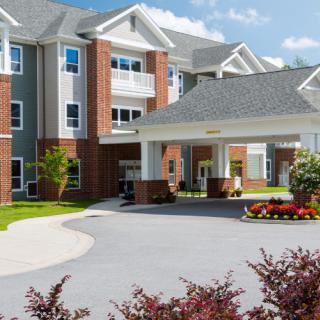
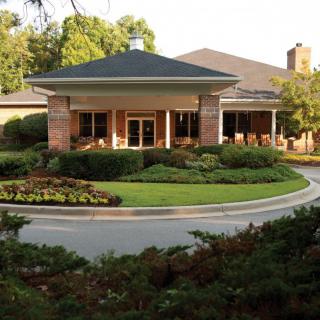
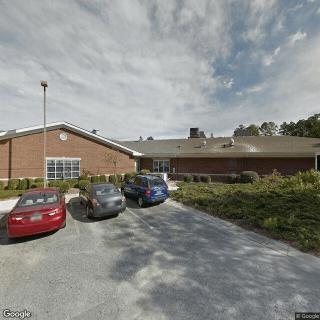
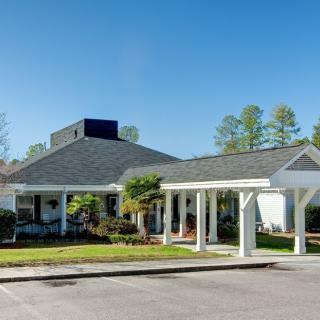
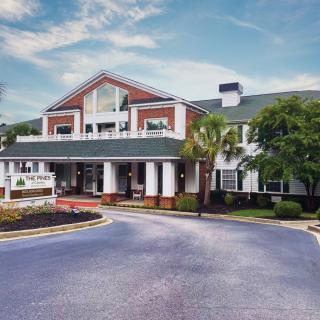
Pines Columbia in West Columbia, SC

Save

Pines Columbia in West Columbia, SC

Information last verified:

190 McSwain Dr, West Columbia, SC 29169

For more information about senior living options: (844) 490-3973

4.3 from 60 reviews
5 stars
40
4 stars
6
3 stars
8
2 stars
3
1 stars
3

Pines Columbia Costs & Pricing

At Pines Columbia, the monthly cost for a studio apartment is set at $2,600, which offers an attractive alternative when compared to the broader market rates in Lexington County and South Carolina. In Lexington County, similar accommodations average around $3,302 per month, while the overall state average rises to approximately $3,649. This significant difference in pricing not only highlights Pines Columbia's competitive positioning but also underscores its commitment to providing quality living options that are more accessible to residents seeking affordability without compromising on comfort and amenities.

Floor plansPines ColumbiaLexington CountySouth Carolina
Studio$2,600$3,302$3,649

Overall Review of Pines Columbia

Pros

  • pro The Pines makes residents feel loved and cared for by the staff.
  • pro The staff go over and beyond the call of duty and treat families with kindness.
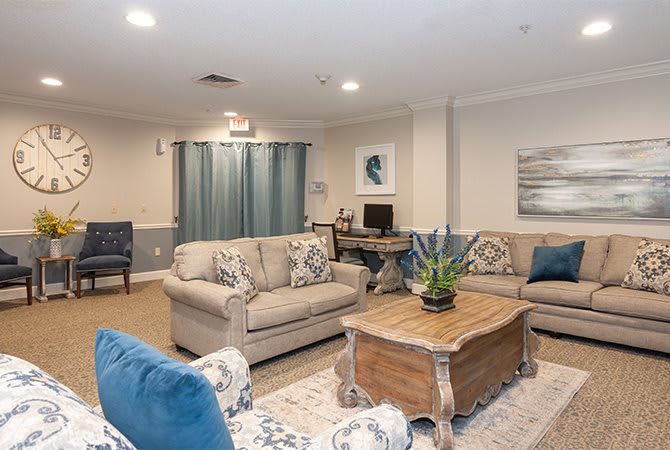
  • pro The environment at The Pines is cheery, warm, and feels like home.
  • pro The staff treats residents like family and are consistently kind and patient.
  • pro The Pines provides clear communication and keeps families well informed.
  • pro The therapies through Fox Rehabilitation are phenomenal and help residents regain strength quickly.
  • pro The Pines is a wonderful, welcoming, and family-friendly community.
  • pro The rooms are spacious, clean, and comfortable.
  • pro The intake process is smooth, with staff providing thorough and helpful information.
  • pro The Pines supports residents' independence and offers engaging activities.
  • pro The staff are friendly, responsive, and readily available.
  • pro The Pines offers good value for the price with attentive care.

Cons

  • pro The staff and management are unprofessional and mistreat residents.
  • pro The facility is short staffed and the administration is not good.
  • pro The public bathrooms are outdated and need repairs to look clean.
  • pro The executive director told a nurse not to provide a pill count, effectively withholding information.
  • pro The executive director refused to share information out of spite.
  • pro The quality of care has fallen off in recent years; rooms are unkept and staffing is slack.
  • pro Residents sometimes wait in distress because staff did not answer the phones at night.
  • pro Medications have been given incorrectly and essential dosage information was not shared with nurses.

Review

This community is best suited for families seeking a smaller, home-like assisted living where personalized caregiving lives at the center of daily life. Pines Columbia excels for residents who want strong, ongoing relationships with a consistent staff, meaningful engagement through daily activities, and accessible rehabilitation services on site. The vibe favors independence with abundant support, a cheery, communal atmosphere, and the sense that staff genuinely know residents and their preferences. For families prioritizing a warm, family-style culture, predictable daily rhythms, and easy access to medical and therapy supports, this community is a natural fit.

Those who should consider alternatives are families facing higher-acuity needs or those who cannot tolerate even occasional lapses in staffing or administrative communication. Several reviews flag persistent short-staffing and some management gaps that translate into delayed responses, inconsistent medication administration, and billing or care-plan communication glitches. For a loved one requiring near-perfect consistency in nursing oversight, rapid call-answering, or rigid adherence to a care schedule, Pines Columbia may carry more risk of gaps in coverage. Similarly, if a detailed, transparent rate schedule, documented care plans, and steady administrative reliability are non-negotiables, exploring other options with a more uniform leadership track record could be warranted.

The strongest positives orbit around the staff and the social fabric of the place. Families consistently praise caregivers who go “over and beyond,” with many noting the care team feels like a trusted extended family. The environment balances a comfortable home feel with attentive professionalism, and the community offers robust social programming that keeps residents active and engaged. A number of families highlight transparent intake processes, prompt communications from front-line staff, and the sense that activities director and caregivers cultivate genuine connections. The Pines also earns points for cleanliness, well-kept common areas, and the perception of a positive, uplifting culture that makes visitors feel welcome. On the rehabilitation front, the Pines’ partnership with Fox Rehabilitation delivers rapid, move-the-needle gains for residents who need therapy to regain mobility, sometimes enabling a return home much sooner than expected.

Yet the record includes clearly stated downsides that demand frank consideration. The most consequential recurring concern is staffing instability: reports of under-staffed shifts translate into slower call responses and, at times, insufficient hands to support all residents. Medication administration and documentation occasionally fall short, with families recounting missed doses and communication gaps about doctors’ instructions. Administrative leadership is cited in some reviews as distant or inconsistent, with a few families describing difficult experiences in resolving billing questions or care-plan details. A handful of residents’ experiences also touch on upkeep challenges and a few facility-management issues that creep into daily operations during renovation periods. These risks are not universal, but they are real enough to affect decisions for risk-averse families.

The core pros, deep staff-child bonds, a genuine sense of community, and strong rehab partnerships, partly offset the cons when balanced by family involvement and proactive oversight. The intimate, smaller-scale setting makes it easier for staff to know each resident, and for families to stay plugged in. When staff are dependable and communicative, the daily experience feels consistently warm, with residents participating in regular activities, enjoying meals, and maintaining a level of independence that suits many mid-to late-stage scenarios. The rehab program, in particular, creates a practical pathway to greater mobility or even discharge home, a powerful offset to the desire for comfort with a home-like environment. For families who can sustain regular check-ins, prompt questions, and collaborative problem-solving with staff and administration, the Pines’ strengths often prevail over its weaknesses.

Practically, families evaluating Pines Columbia should structure their next visit around a few concrete checks. Confirm staffing levels across day and night shifts and ask for recent nurse-to-resident ratios to gauge real-time coverage. Request to review a sample care plan and medication administration log, and ask how documentation is shared with families, preferably in real time during any change in condition. Probe the intake process, including a clear explanation of which services are included in the base rate versus add-ons, and request a current rate schedule to compare with other communities. Visit during a meal and during an activity to observe engagement; meet the administrator and care leadership to assess responsiveness and expectations for accountability. Finally, assess whether the rehab partner’s schedule and therapists align with the resident’s goals and whether there is a clear pathway for stepping down to home care if stepping down is desired.

In sum, Pines Columbia represents a compelling option for families seeking a warm, compact, and people-centric setting with strong on-site rehab support and a true sense of community. It works best for residents who thrive on personal attention, enjoy social programming, and can tolerate some variability in staffing and administrative processes with active family participation. For those who cannot compromise on flawless medication handling, immediate responsiveness, and rock-solid management, alternatives may offer a more predictable baseline. When the fit is right, the Pines delivers meaningful peace of mind: a welcoming home where caregivers treat every resident like family, and where rehab and daily life harmonize with a gentleness that can restore confidence and independence.

Features

Types of Care

  • Assisted Living Assisted LivingAssisted living facilities provide crucial support and care for seniors who may need help with daily tasks such as medication management, bathing, and meal preparation. These communities offer a safe and comfortable environment where seniors can maintain their independence while receiving the assistance they need to thrive in their golden years.

Pets

  • Cats allowed Cats allowed"Pet friendly" senior living communities are important for seniors because pets provide companionship, reduce feelings of loneliness and depression, promote physical activity and mental stimulation, and offer a sense of purpose and responsibility. Pets can improve overall well-being and quality of life for seniors in many ways.
  • Dogs allowed Dogs allowed"Pet friendly" senior living communities are important for seniors because pets provide companionship, reduce feelings of loneliness and depression, promote physical activity and mental stimulation, and offer a sense of purpose and responsibility. Pets can improve overall well-being and quality of life for seniors in many ways.

Amenities

  • Activities off-site Activities off-siteEngaging in off-site activities is crucial for seniors to maintain social connections, stay active, and stimulate their minds. It promotes overall well-being and helps combat feelings of isolation and loneliness.
  • Activities on-site Activities on-siteActivities on-site are important for seniors because they provide opportunities for socialization, mental stimulation, physical activity, and overall well-being. Engaging in activities can help seniors stay active, maintain their independence, and improve their quality of life.
  • Air-conditioning Air-conditioningAir conditioning is important for seniors as they are more vulnerable to heat-related illnesses and may have underlying health conditions that make it difficult for them to regulate their body temperature. It helps to keep them comfortable, safe, and healthy in hot weather.
  • Beautician on-site Beautician on-siteHaving a beautician on-site at a senior living community is important for seniors as it allows them to easily access grooming and personal care services, boosting their self-esteem and overall well-being. It also provides convenience and helps seniors maintain their sense of independence and personal style.
  • Devotional services off-site Devotional services off-siteDevotional services off-site are important for seniors as they provide spiritual nourishment, social engagement, and a sense of community outside of the senior living facility. This can enhance overall well-being and help combat feelings of isolation and loneliness often experienced by older adults.
  • Devotional services on-site Devotional services on-siteDevotional services on-site provide seniors with spiritual support and a sense of community, as well as an opportunity for reflection and guidance during their senior living experience. This can promote emotional well-being and connection to others, leading to a more fulfilling and enriching lifestyle in their later years.
  • Ground floor units Ground floor unitsGround floor units are important for seniors because they provide easy accessibility, reduced risk of falls and injuries, and convenience for those with mobility issues. Seniors can avoid climbing stairs or using elevators, making daily tasks and activities more manageable and enjoyable.
  • Handicap accessible Handicap accessible"Handicap accessible" amenities are crucial for seniors to ensure they can easily navigate and access facilities, services, and activities without barriers or limitations due to physical impairments. This promotes independence, safety, and inclusivity for seniors in senior living communities.
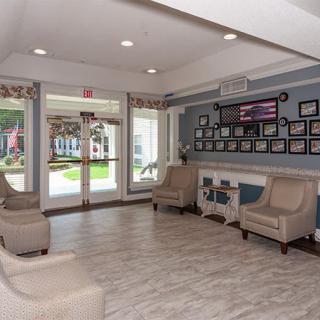
  • Indoor common areas Indoor common areasIndoor common areas are crucial for seniors as they provide a space for socialization, recreation, and community engagement, promoting overall well-being and reducing feelings of isolation and loneliness.
  • Kitchenette KitchenetteKitchenettes are important for seniors living in senior living communities because they provide the convenience and independence of being able to prepare simple meals and snacks in the comfort of their own living space. This can help promote a sense of autonomy and well-being for seniors, allowing them to maintain some level of control over their dietary choices and daily routines.
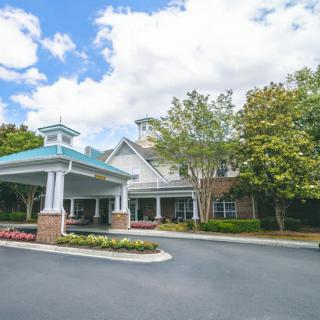
  • Outdoor common areas Outdoor common areasOutdoor common areas are important for seniors as they provide a space for socialization, physical activity, and relaxation. Being outside in nature can improve mood and overall well-being, while also encouraging movement and engagement with others. These spaces can help combat feelings of isolation and promote a sense of community among residents.
  • Respite or short term stays offered Respite or short term stays offeredRespite or short term stays provide seniors with a temporary solution when their regular caregiver is unavailable, offering them the opportunity to receive additional care and support during times of need, while also giving caregivers a chance to rest and recharge.
  • Wheelchair accessible showers Wheelchair accessible showersWheelchair accessible showers are crucial for seniors as they provide a safe and independent bathing option for those with mobility challenges. These showers help prevent falls and allow seniors to maintain their dignity and autonomy while ensuring they can bathe comfortably.
  • Wi-Fi/high-speed internet available Wi-Fi/high-speed internet availableWi-Fi/high-speed internet is important for seniors to stay connected with loved ones, access online resources, and participate in virtual activities to combat feelings of loneliness and isolation. It also allows them to easily manage healthcare needs, access entertainment, and engage in lifelong learning opportunities.

Transportation

  • Columbia Metropolitan (5 miles away) Columbia Metropolitan (5 miles away)

Care Services

  • Ambulatory care Ambulatory care"Ambulatory care services provide essential medical support and treatment to seniors without requiring hospitalization, allowing them to maintain their independence and quality of life while managing chronic conditions or receiving routine medical care."
  • Diabetic care Diabetic careDiabetic care is crucial for seniors as they are more susceptible to developing diabetes due to aging and other health conditions. Proper management of diabetes can help prevent complications such as heart disease, vision loss, and nerve damage, improving the overall quality of life for seniors in senior living communities.
  • Incontinence care Incontinence careIncontinence care is essential for seniors to maintain their dignity, hygiene, and overall quality of life. By addressing incontinence issues promptly and effectively, seniors can enjoy a sense of independence and comfort in their daily activities.
  • Medication management Medication managementMedication management is crucial for seniors to ensure they are taking the right medications at the correct dosages and times. This helps prevent adverse drug interactions, reduces the risk of medication errors, and promotes overall health and well-being. Proactive management also allows for adjustments as needed based on changing health conditions or new prescriptions.

Dining

  • Guest meals Guest mealsGuest meals are important for seniors living in senior living communities because they provide an opportunity for socialization and companionship. Sharing a meal with friends, family, or new acquaintances can help combat feelings of loneliness and isolation, promote a sense of community, and enhance overall well-being. Additionally, guest meals allow seniors to enjoy delicious food in a comfortable setting without the hassle of cooking or cleaning up, making dining a pleasurable and stress-free experience.
  • Low / no sodium Low / no sodiumLow/no sodium options are important for seniors because excessive sodium intake can lead to high blood pressure, heart disease, and other health issues commonly experienced by older adults. By choosing low/no sodium foods, seniors can better manage their health and reduce their risk of developing these conditions.
  • Meals provided Meals provided"Meals provided" are crucial for seniors in assisted living communities as it ensures they have access to nutritious, balanced meals without the stress of meal planning and preparation. This can help promote overall health and well-being for seniors who may have limited mobility or cognitive abilities.
  • No Sugar No SugarNo sugar diets are important for seniors because they can help prevent or manage chronic conditions such as diabetes, heart disease, and obesity. Sugar can also contribute to cognitive decline and inflammation in the body, so reducing sugar intake can lead to overall improved health and well-being in older adults.
  • Restaurant style dining Restaurant style diningRestaurant style dining is important for seniors as it offers them a social and enjoyable dining experience, promotes healthy eating habits, and provides personalized menu options to cater to their dietary needs and preferences. This type of dining setting can enhance their overall quality of life and create a sense of community within the senior living facility.
  • Room service Room serviceRoom service is important for seniors in a senior living community because it provides convenience and allows them to have their meals delivered directly to their room. This can be especially beneficial for seniors who may have mobility issues or difficulty accessing the dining area. Room service ensures that seniors are able to receive nutritious meals without having to navigate through the facility, allowing them to maintain their independence and overall well-being.
  • Vegetarian VegetarianA vegetarian diet is important for seniors because it can help lower the risk of chronic diseases, maintain a healthy weight, and provide essential nutrients needed for aging bodies. Additionally, plant-based diets are often easier on digestive systems and can contribute to overall well-being in older adults.

Activities

  • Art classes Art classesArt classes are important for seniors because they provide a creative outlet, improve cognitive function, reduce stress and anxiety, promote socialization, and enhance overall well-being and quality of life.
  • Catholic services Catholic servicesCatholic services are important for seniors because they provide spiritual support, a sense of community, and opportunities for social interaction that can enhance overall well-being and quality of life in their later years.
  • Cooking classes Cooking classesCooking classes are important for seniors as they provide opportunities for social interaction, enhance cognitive skills, promote healthy eating habits, and boost confidence in the kitchen.
  • Day trips and outings Day trips and outingsDay trips and outings are important for seniors as they provide opportunities for socialization, mental stimulation, physical activity, and a break from daily routines. These experiences can enhance overall well-being and quality of life for older adults living in senior communities.
  • Devotional activities offsite Devotional activities offsiteDevotional activities offsite are important for seniors because they provide social engagement, spiritual growth, and a sense of community outside of their living environment. This can improve overall well-being, mental health, and combat feelings of isolation or loneliness.
  • Devotional activities on-site Devotional activities on-siteDevotional activities on-site provide seniors with a sense of community, spiritual fulfillment, and emotional support, promoting overall well-being and a positive sense of purpose in their lives.
  • Educational speakers / life long learning Educational speakers / life long learningEducational speakers and lifelong learning opportunities are crucial for seniors as they provide mental stimulation, promote social engagement, and contribute to overall well-being. Continuous learning helps seniors stay mentally sharp, build new skills, and maintain a sense of purpose and fulfillment in their lives. It also allows them to stay connected to the world around them and fosters a sense of community within senior living facilities.
  • Karaoke KaraokeKaraoke provides seniors with a fun and social activity that can boost mood, confidence, and cognitive function. It encourages social interaction, physical movement, and creative expression, making it an important form of entertainment for senior living communities.
  • Live well programs Live well programs"Live well programs are essential for seniors as they provide opportunities for physical activity, social engagement, and mental stimulation, ultimately promoting overall health and well-being in later years."
  • Other religious services Other religious servicesOther religious services are important for seniors as they provide a sense of community, spiritual comfort, and opportunities for socializing. These services can help seniors feel connected to their faith and maintain a sense of purpose and belonging in their later years.
  • Visiting Rabbi Visiting Rabbi"Visiting rabbis provide spiritual and emotional support to seniors in assisted living communities, helping them connect with their faith, find comfort in times of need, and maintain a sense of community and belonging."
  • Visiting chaplain or priest Visiting chaplain or priestHaving a visiting chaplain or priest at a senior living community is important for seniors because it provides spiritual support, comfort, and guidance during a time of life that can be challenging and uncertain. Their presence can help seniors feel connected to their faith, find peace of mind, and cope with the emotional and mental struggles they may face in their later years.

Description

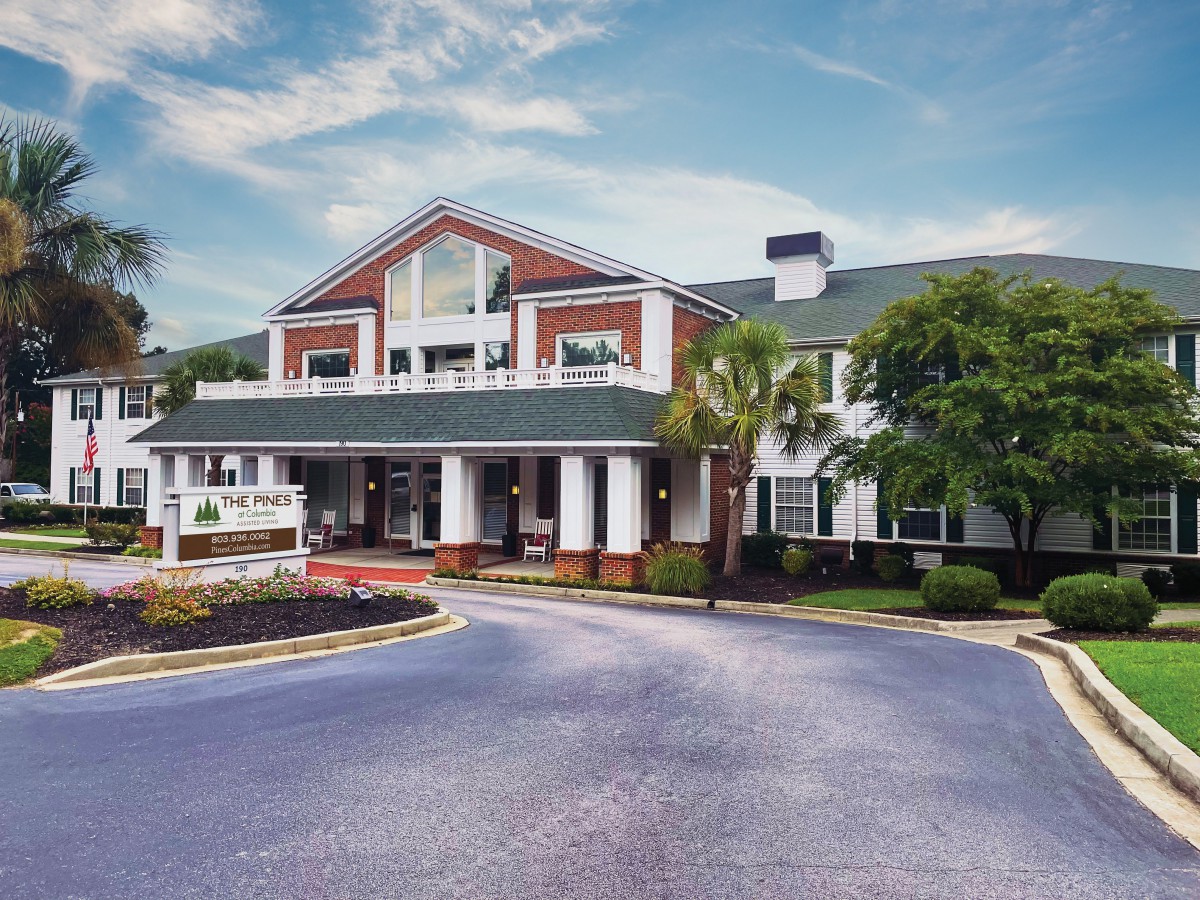
Pines Columbia in West Columbia, SC is an assisted living community offering a range of amenities to enhance the comfort and well-being of its residents. The community provides activities on-site to keep residents engaged and entertained, as well as air-conditioning throughout the facility for optimal comfort. A beautician is available on-site to provide convenient grooming services, and devotional services can be accessed both on-site and off-site.

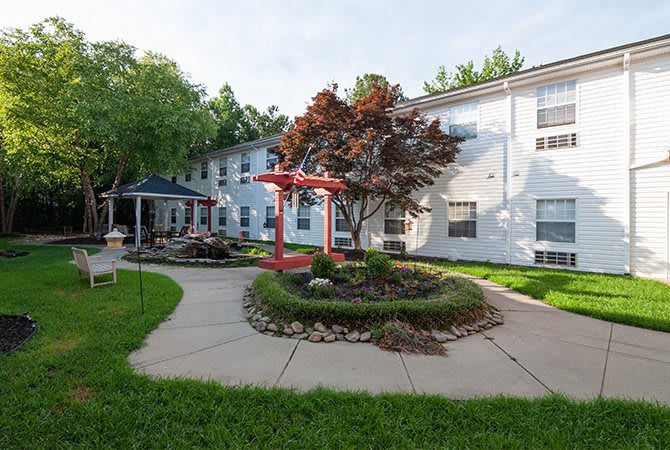
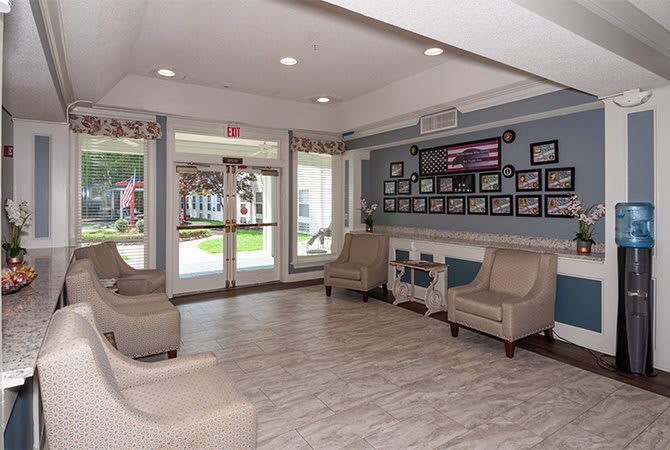
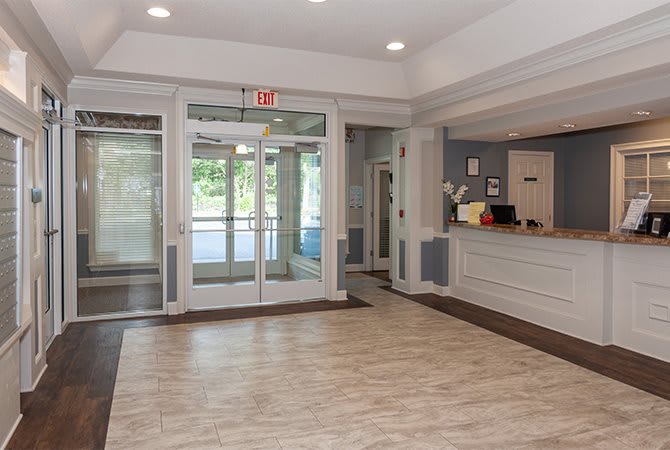
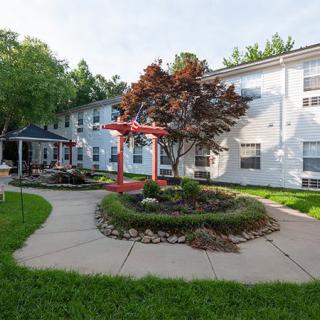
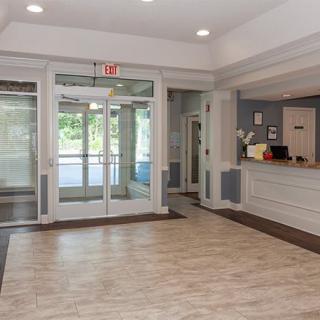
The community offers ground floor units and is handicap accessible, ensuring that all residents can easily navigate their surroundings. Indoor common areas provide spaces for socialization and relaxation, while outdoor common areas offer opportunities to enjoy the fresh air.

For short-term stays or respite care, Pines Columbia has accommodations available. Additionally, wheelchair accessible showers are provided for ease of use.

Wi-Fi/high-speed internet connectivity is available throughout the community to keep residents connected with loved ones and the wider world.

In terms of care services, Pines Columbia offers assistance with diabetic care, incontinence care, and medication management to support residents' health needs.

Dining options are varied to cater to different dietary preferences and needs. Low/no sodium meals are offered along with options for no sugar dishes. Restaurant-style dining is available for a pleasant dining experience, or room service can be provided if desired. Vegetarian options are also included in the menu choices.

A wide range of activities are provided at Pines Columbia to engage residents both spiritually and intellectually. Catholic services are available along with devotional activities offsite and on-site. Educational speakers and life-long learning opportunities promote mental stimulation. Karaoke sessions add fun entertainment value, while live well programs encourage healthy habits among residents. Other religious services such as visits from a rabbi or chaplain/priest are also facilitated by the community.

Pines Columbia benefits from its convenient location with easy access to nearby amenities such as cafes, parks, pharmacies, physicians' offices, restaurants, transportation options, and hospitals. This ensures that residents have everything they need within close proximity.

Overall, Pines Columbia in West Columbia, SC offers a vibrant and welcoming assisted living community with a range of amenities and care services to support the well-being and happiness of its residents.

Nearby Places of Interest

This part of West Columbia, South Carolina offers a convenient and accessible location for senior living. With several physicians and medical facilities nearby, residents have easy access to healthcare services. Additionally, there are plenty of dining options such as McDonald's, Rush's, and Cracker Barrel within a short distance. Pharmacies like CVS and Walgreens are also available for medication needs. For those who enjoy nature, the Saluda Riverwalk and other parks provide opportunities for outdoor recreation and relaxation. Transportation services like Enterprise Rent-A-Car and National Car Rental are available for those who may not drive themselves. Overall, this area provides a blend of necessary amenities and recreational activities that are conducive to a comfortable senior living experience.

Physicians

  • Columbia Neurological Assoc Pa (0.2 miles)
  • Riverside Surgical Group (0.2 miles)
  • Emmons Ellen M - Lexington Ent (0.3 miles)
  • Lexington Orthopaedics (0.4 miles)
  • Three Rivers Pain Management (0.6 miles)
  • Advanced Fertility (0.6 miles)
  • Jay Markowtiz MD & Associates (0.7 miles)

Hospitals

  • Lexington Medical Center (0.3 miles)
  • Lexington Medical Center Emergency Room (0.5 miles)

Restaurants

  • McDonald's (0.5 miles)
  • Rush's (0.6 miles)
  • Freddy's Frozen Custard & Steakburgers (0.6 miles)
  • Cook Out (1.5 miles)
  • Cracker Barrel (1.7 miles)
  • Real Mexico Restaurant Y Tienda (1.9 miles)
  • Waffle House (1.9 miles)

Pharmacies

  • CVS Pharmacy (0.6 miles)
  • Intramed Plus (1.2 miles)
  • Agape Pharmacy (1.4 miles)
  • Alcohol & Drug Abuse (1.7 miles)
  • Medicine Mart Pharmacy (1.9 miles)
  • Walgreens (2 miles)
  • CVS Pharmacy (3 miles)

Parks

  • Saluda Riverwalk (1.6 miles)
  • Columbia Canal & Riverfront Park (3.4 miles)
  • West Columbia Riverwalk (3.4 miles)

Cafes

  • Piecewise Coffee (4 miles)
  • Starbucks (4.3 miles)
  • Sweetwaters Coffee & Tea Park St (4.3 miles)
  • The Corner Blend (4.7 miles)

Transportation

  • Enterprise Rent-A-Car (4.2 miles)
  • National Car Rental (4.5 miles)
  • USO Columbia Airport (4.5 miles)

Frequently Asked Questions

How much does it cost to live at Pines Columbia in West Columbia, SC?
Where is Pines Columbia?
Does Pines Columbia allow residents to have pets?
What photos are available for Pines Columbia in West Columbia, South Carolina?

Nearby Communities

  • Lexington Place

    Lexington Place

    West Columbia, SC

    4.6 from 31 reviews
     

    pro Friendly, attentive staff with clean, comfortable rooms and strong dining and activity options.

  • Asbury Arms Apartments

    Asbury Arms Apartments

    West Columbia, SC

    3.5 from 8 reviews
     

    pro Excellent location with abundant nearby dining, parks, and healthcare options.

  • Millennium Post Acute Rehabilitation

    Millennium Post Acute Rehabilitation

    W Columbia, SC

    4.2 from 106 reviews
     

    pro Extensive on-site amenities and 24/7 care options (restaurant-style dining, beauty salon, fitness room, transportation).

  • NHC Healthcare-Lexington

    NHC Healthcare-Lexington

    West Columbia, SC

    3.4 from 61 reviews
     

    pro Caring staff and a well-maintained environment with engaging activities.

  • Jenni-Lynn

    Jenni-Lynn

    West Columbia, SC

    4.3 from 53 reviews
    $2,194 to $2,700 / month

    pro Quiet location, affordable pricing, and devoted staff with engaging activities.

  • Jenni Lynn

    Jenni Lynn

    West Columbia, SC

    4.5 from 49 reviews
     

    pro Friendly staff, clean, well-maintained facility with engaging activities.

  • Colonial Gardens Transitional Assisted Living and Memory Care

    Colonial Gardens Transitional Assisted Living and Memory Care

    West Columbia, SC

    4.3 from 32 reviews
    $4,400 to $6,200 / month

    pro Friendly, attentive staff with memory-care-focused programming and a clean, welcoming environment.

  • Laurel Crest

    Laurel Crest

    West Columbia, SC

    4.7 from 28 reviews
     

    pro Personalized care with long-tenured staff and strong hydration monitoring.

  • Merrill Gardens at Columbia

    Merrill Gardens at Columbia

    Columbia, SC

    4.6 from 59 reviews
    $2,195 to $4,595 / month

    pro Welcoming, clean setting with friendly staff and diverse activities.

Related Resources

  • assisted living vs memory careAssisted Living and Memory Care: Understanding Their Core Differences

    Assisted living provides moderate support for seniors seeking independence, while memory care offers specialized support for individuals with dementia or cognitive impairments through structured routines and trained staff. Key differences include care approaches, environment security measures, staff training levels, activity types, and cost considerations.

  • assisted living activitiesBeyond the Bingo Hall: 50+ Enriching Activities for Seniors in Assisted Living

    Assisted living communities offer diverse activities beyond traditional games to enhance seniors' physical health, cognitive well-being, emotional enrichment, and social connections, including fitness classes, creative expression, and intergenerational interactions. These enriching programs foster community bonds and support residents' independence and happiness.

  • assisted living vs memory careUnderstanding the Distinctions: Assisted Living and Memory Care Explained

    The article differentiates between assisted living and memory care, explaining that assisted living supports seniors with daily activities while promoting independence, whereas memory care provides specialized services for individuals with dementia, focusing on secure environments and cognitive support. It also addresses staff training, safety considerations, costs, family involvement, and transition strategies for families navigating these care options.