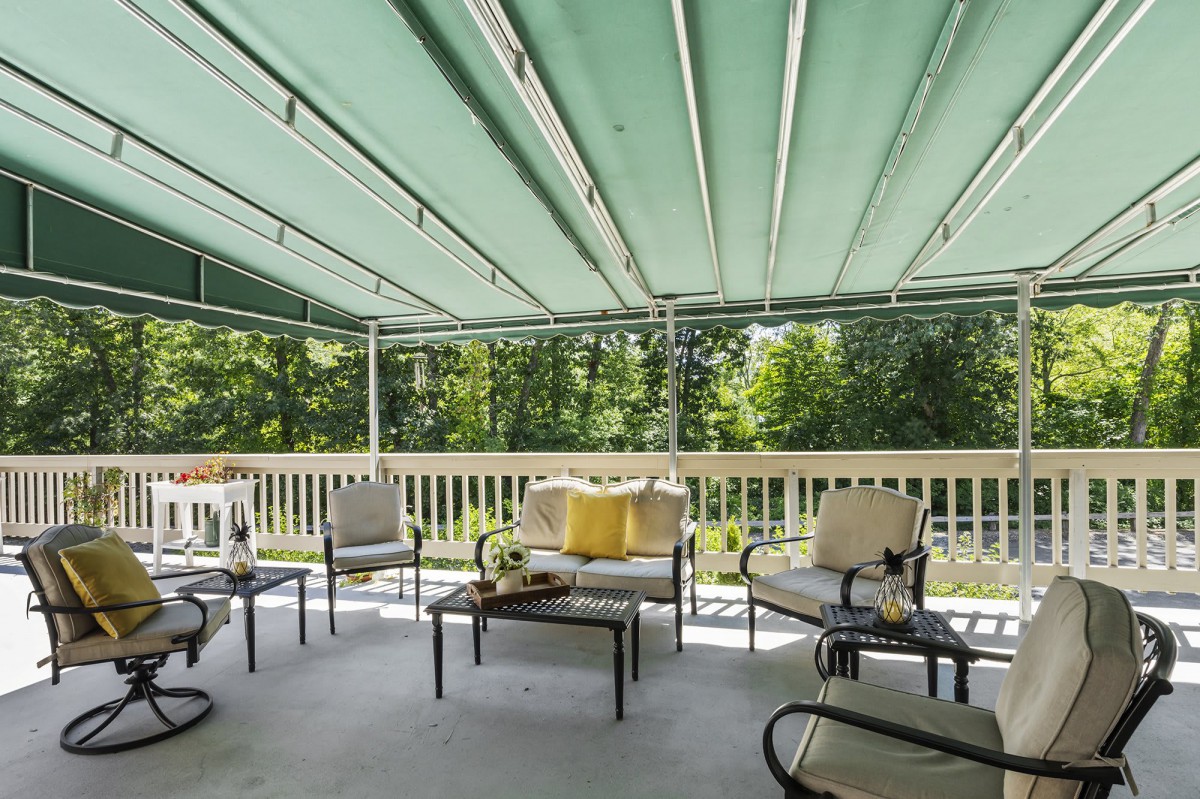
Smithfield Woods in Smithfield, RI

Save

  • Interior

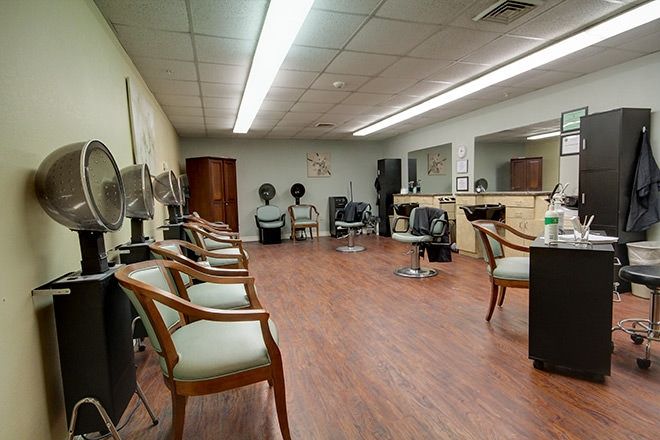
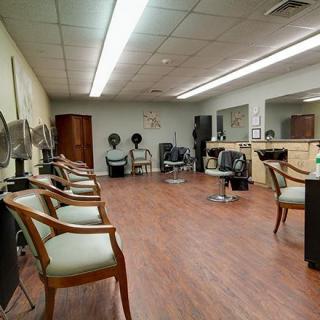
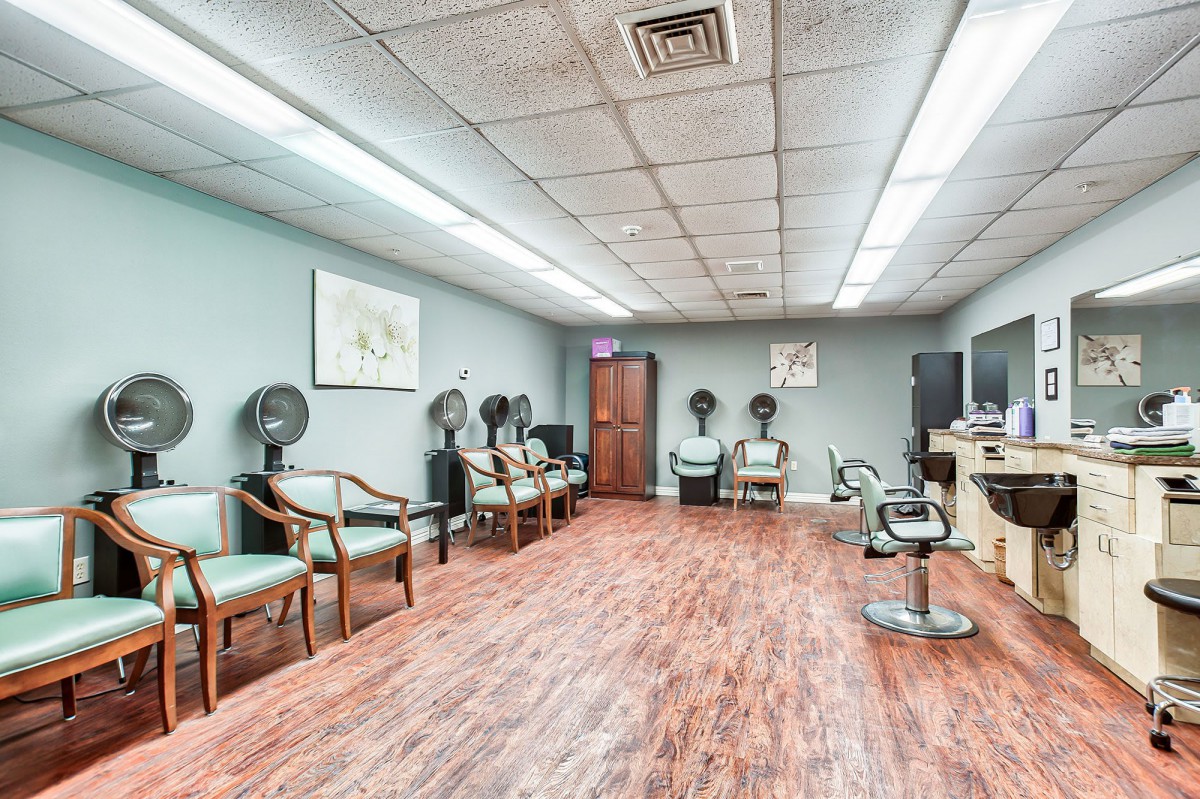
    A spacious hair salon with chairs and mirrors lining the walls.
  • Outdoors

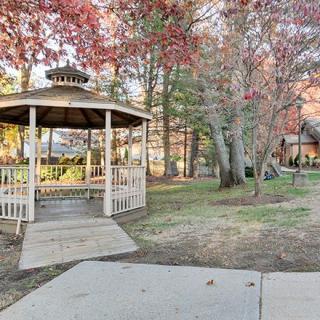
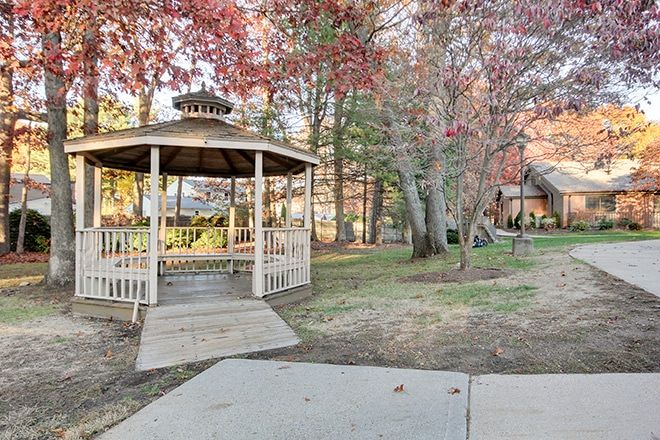
    A scenic view of a gazebo surrounded by autumn foliage in a park setting.
  • Decor

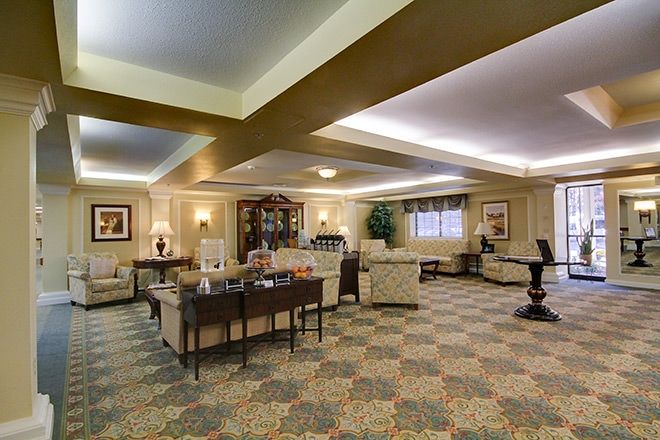
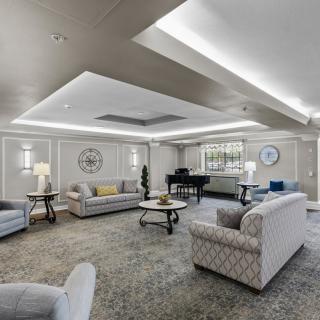
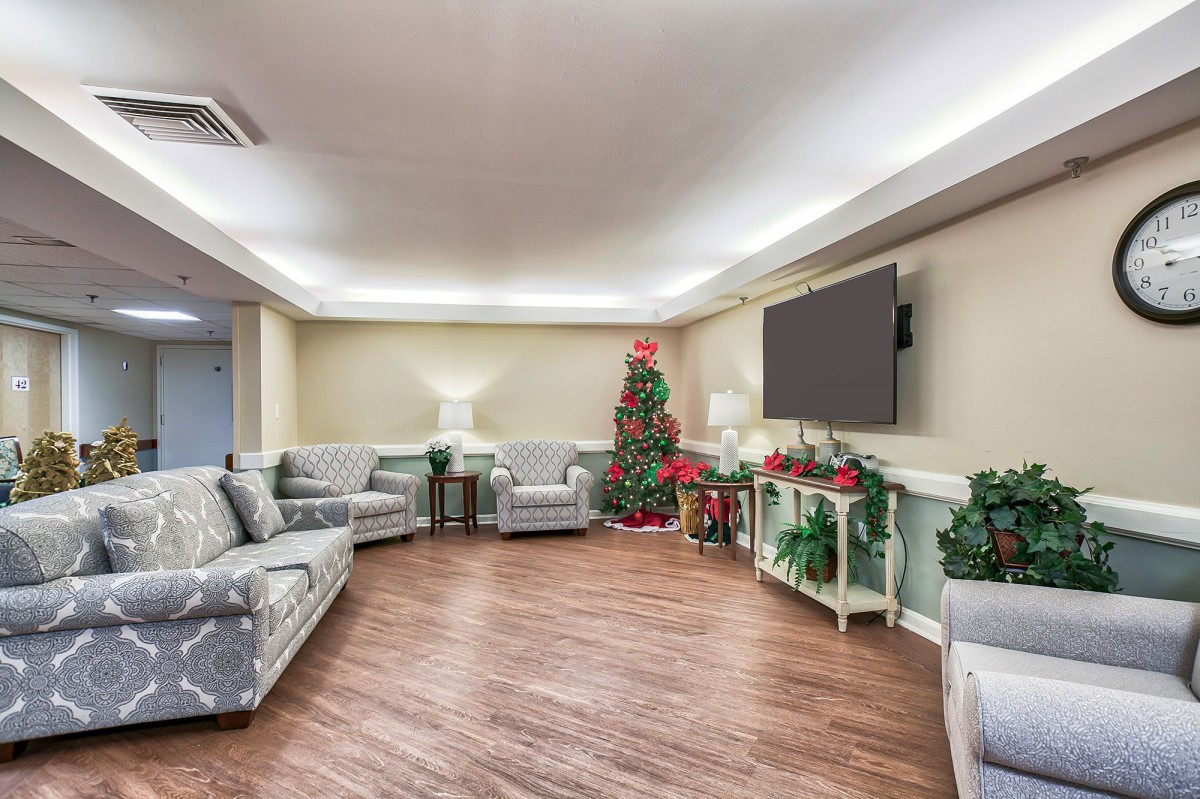
    A spacious and elegantly designed living room featuring comfortable seating, a grand piano, and ambient lighting.
  • Living Room

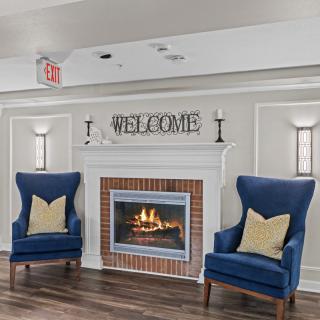
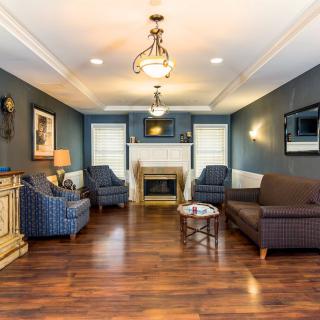
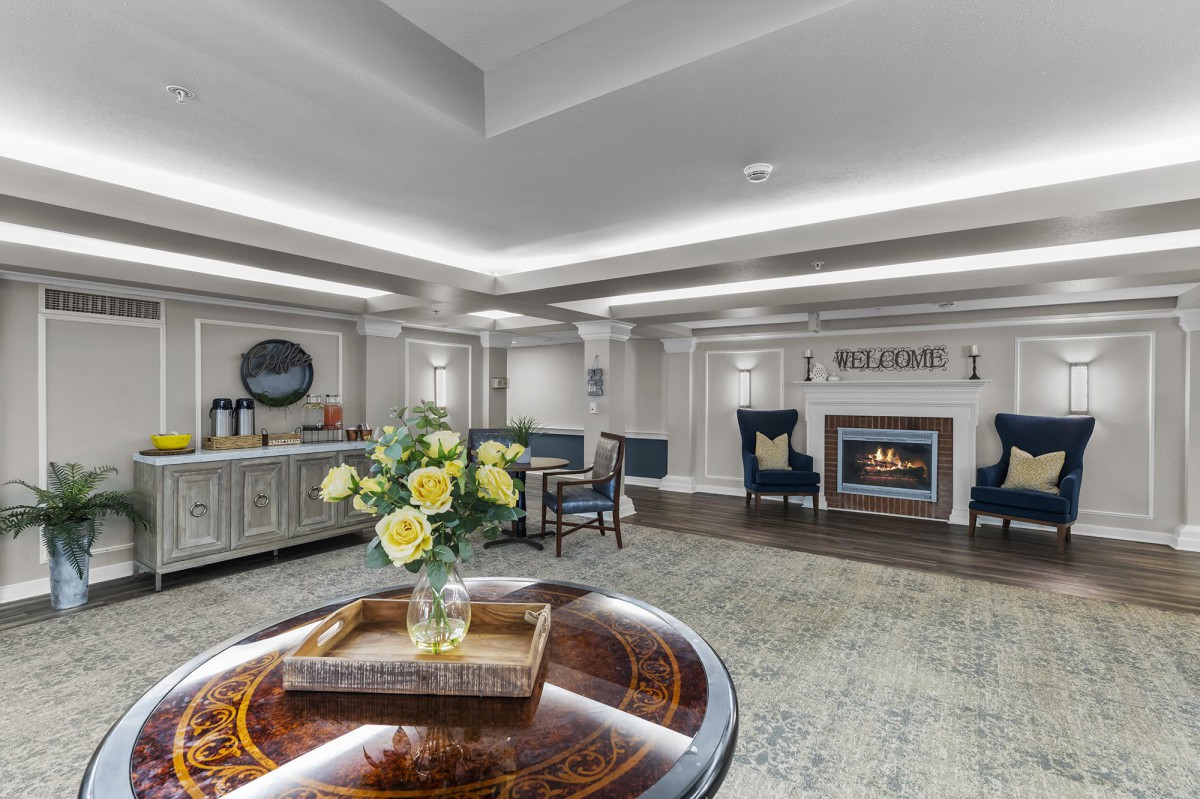
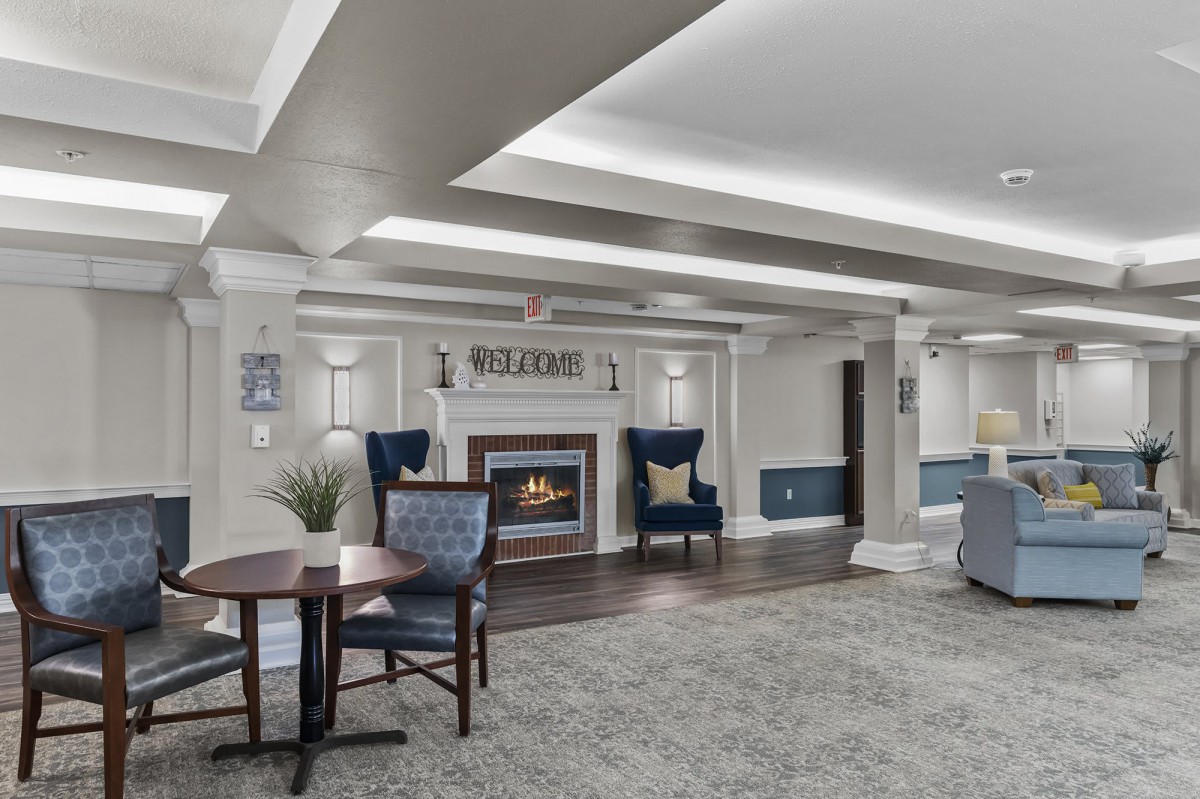
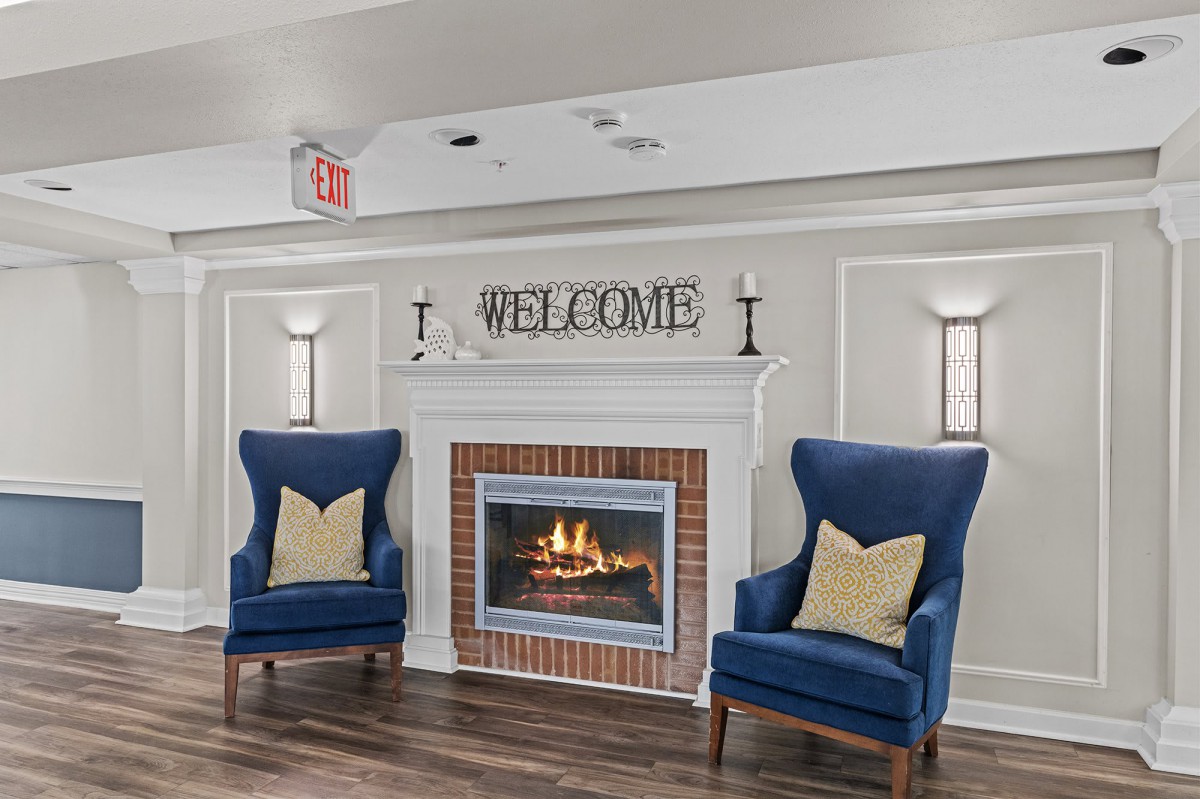
    A cozy living room with a fireplace, featuring blue chairs and a 'Welcome' sign.
  • Building

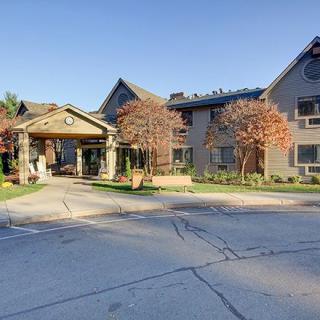
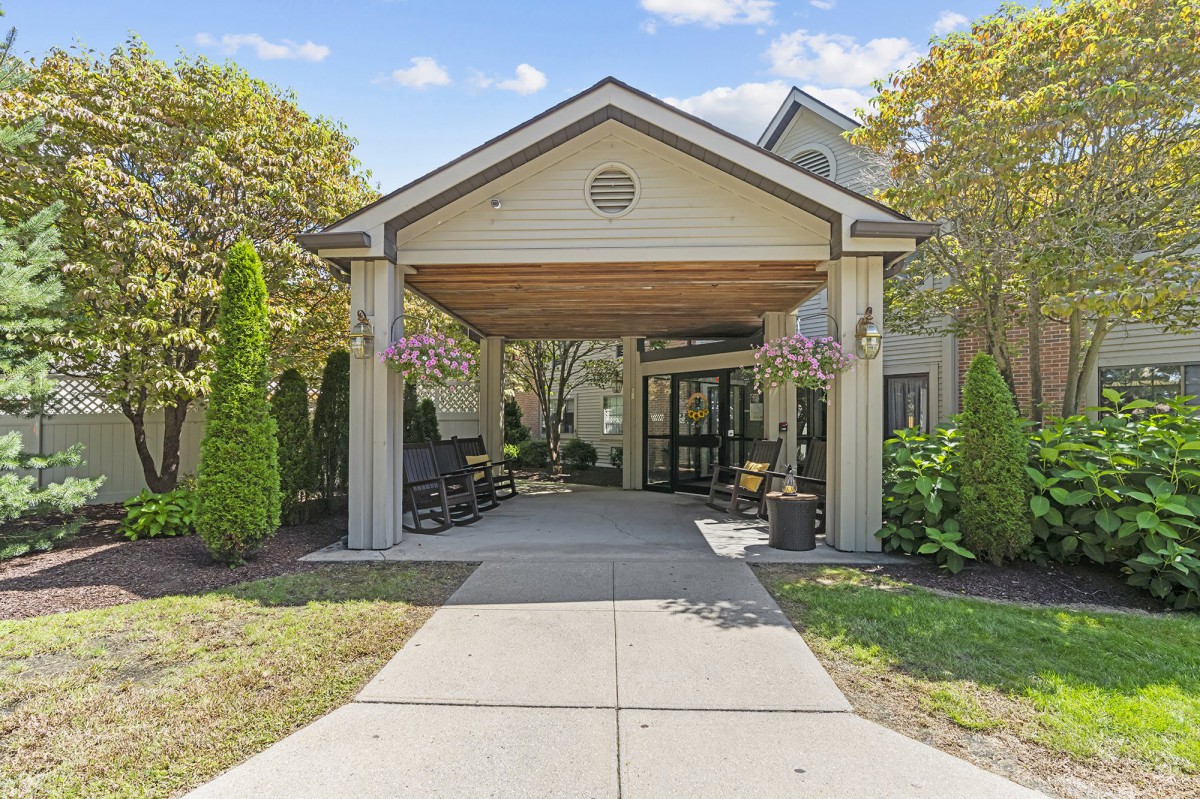
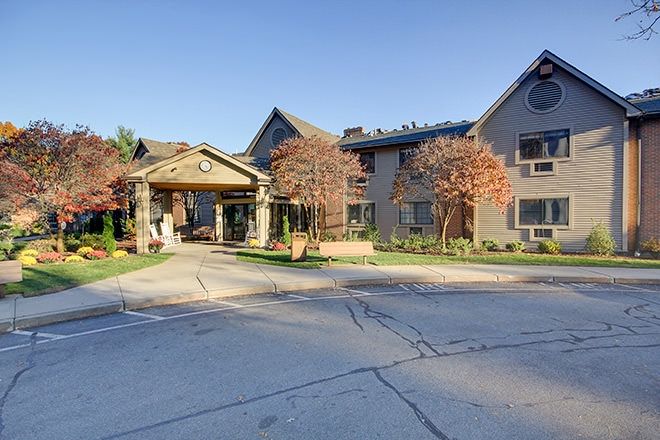
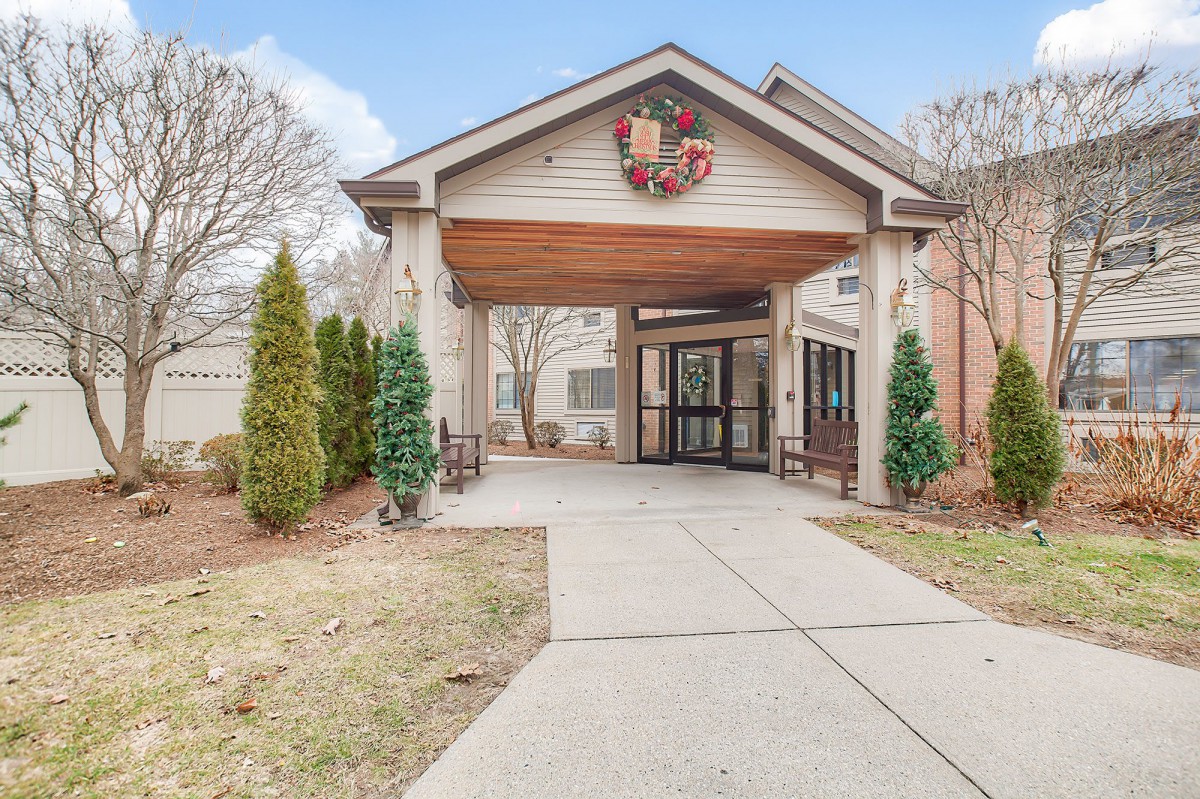
    A large building with a covered entrance and surrounding trees.
  • Architecture

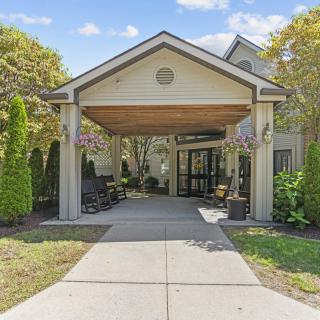
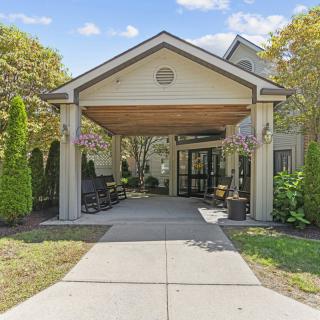
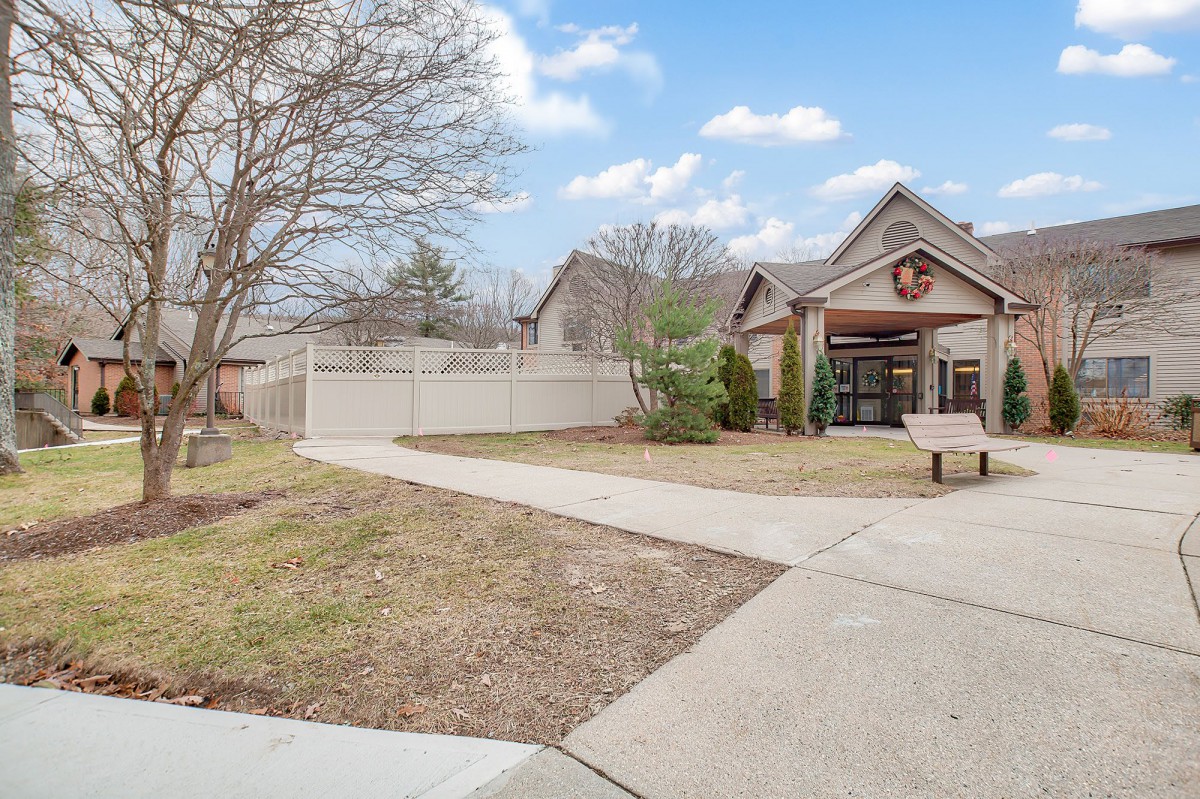
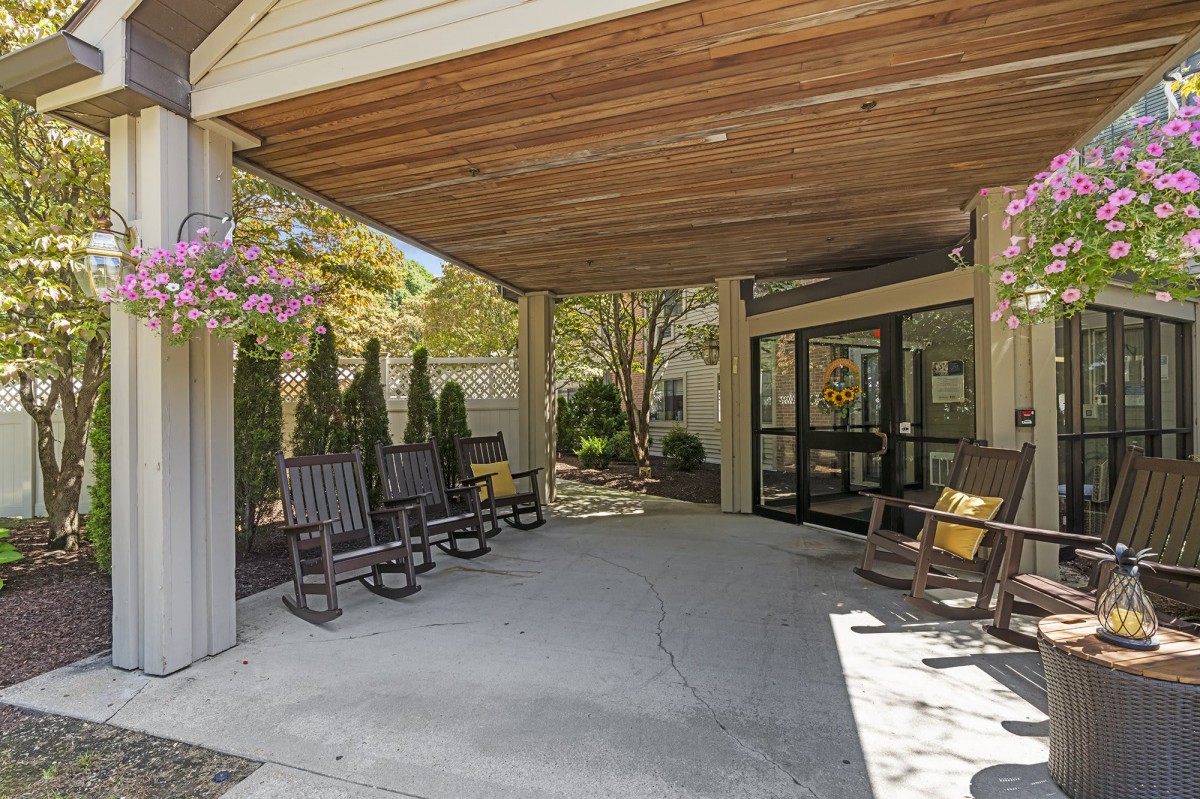
    A building entrance with a canopy surrounded by trees and landscaping.
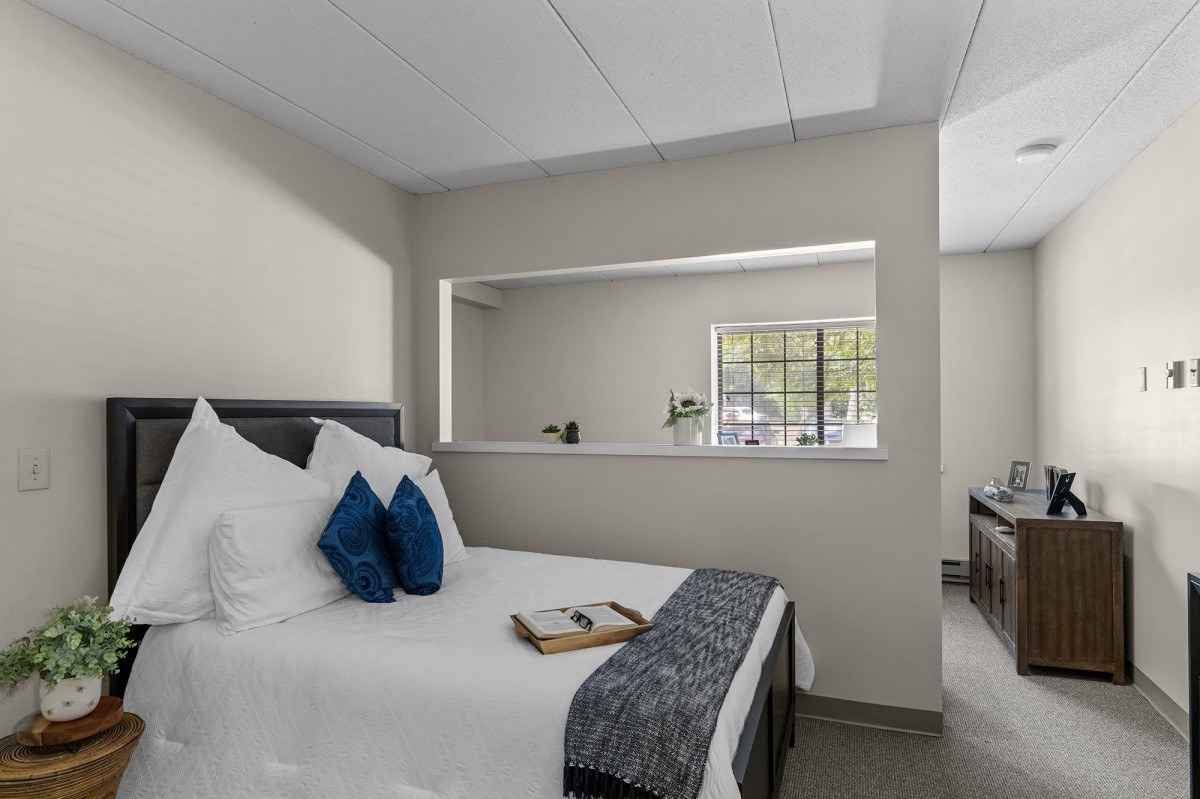
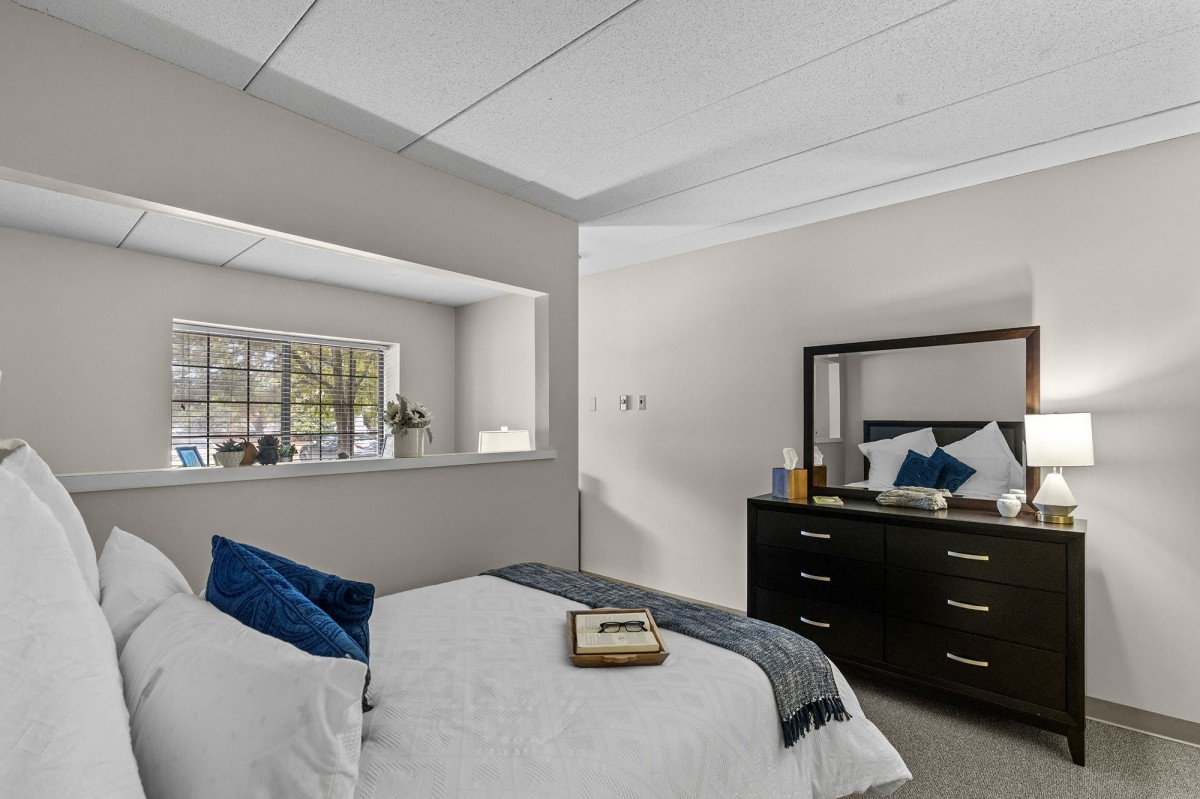
  • Bedroom

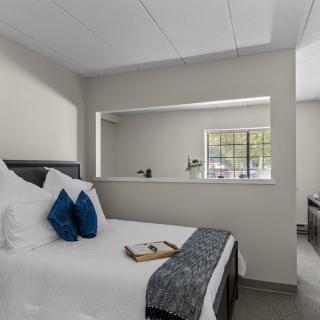
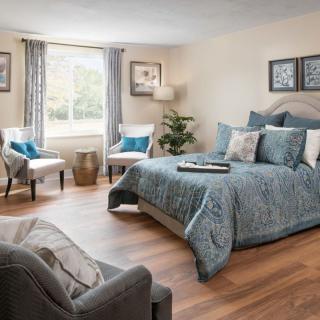
    A modern bedroom with a neatly made bed and decorative pillows, featuring a window and a neutral color scheme.
  • Trees

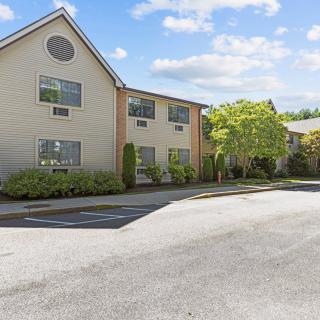
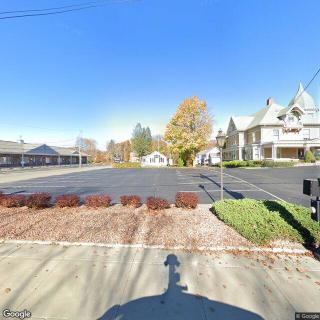
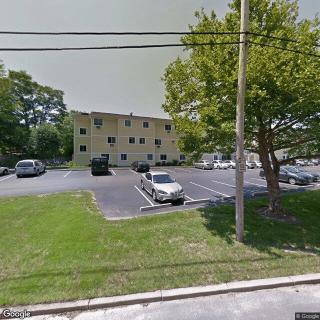
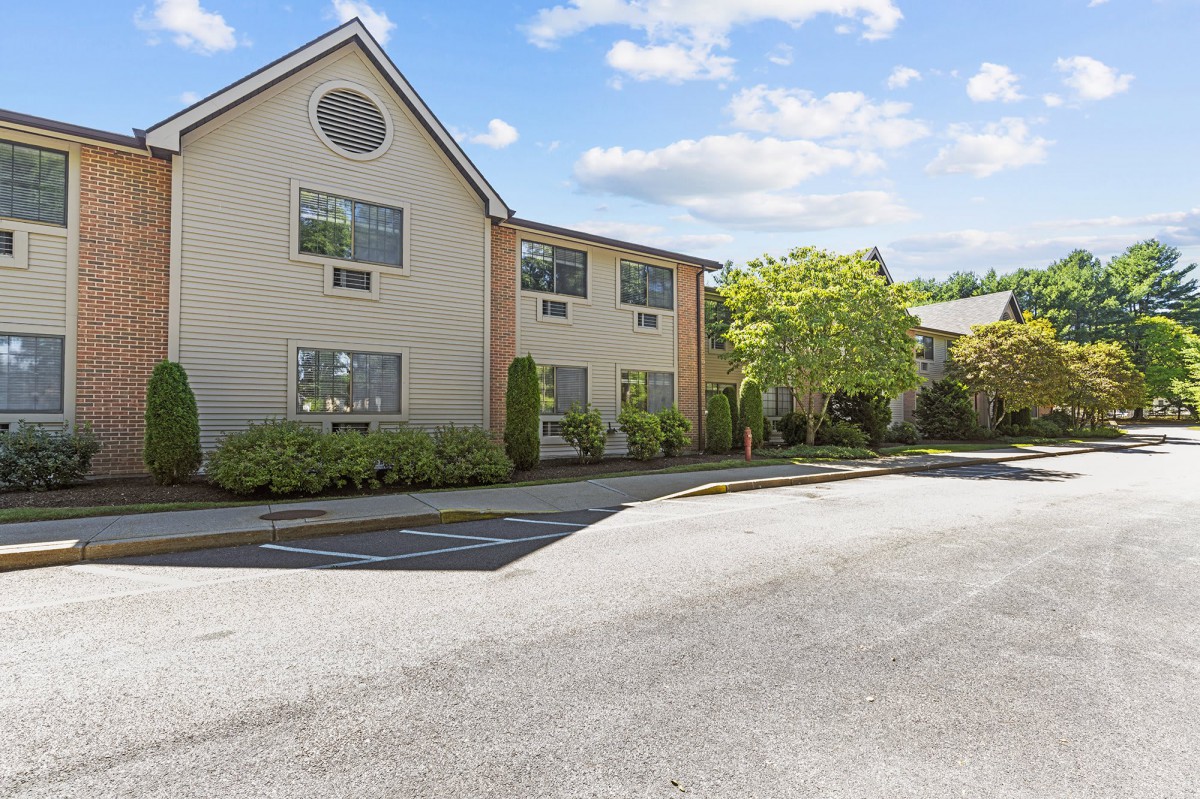
    A view of a residential building with a parking lot and trees on a sunny day.
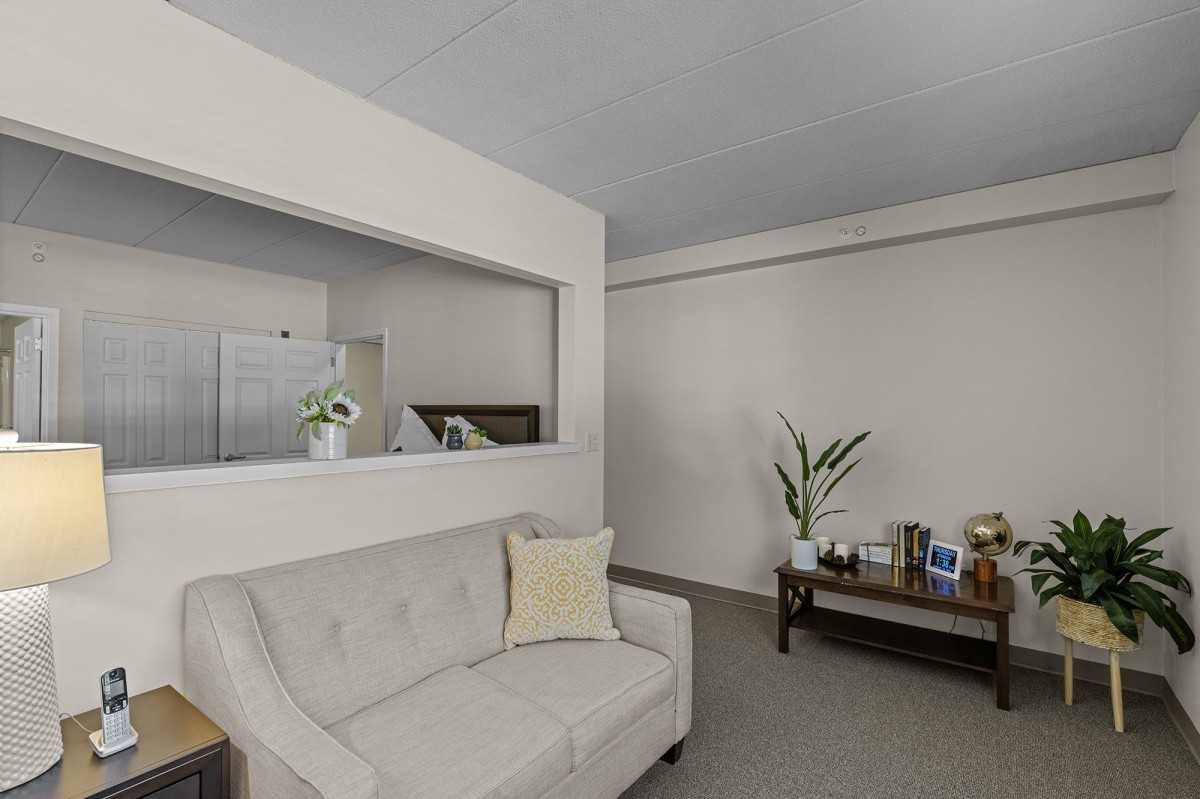
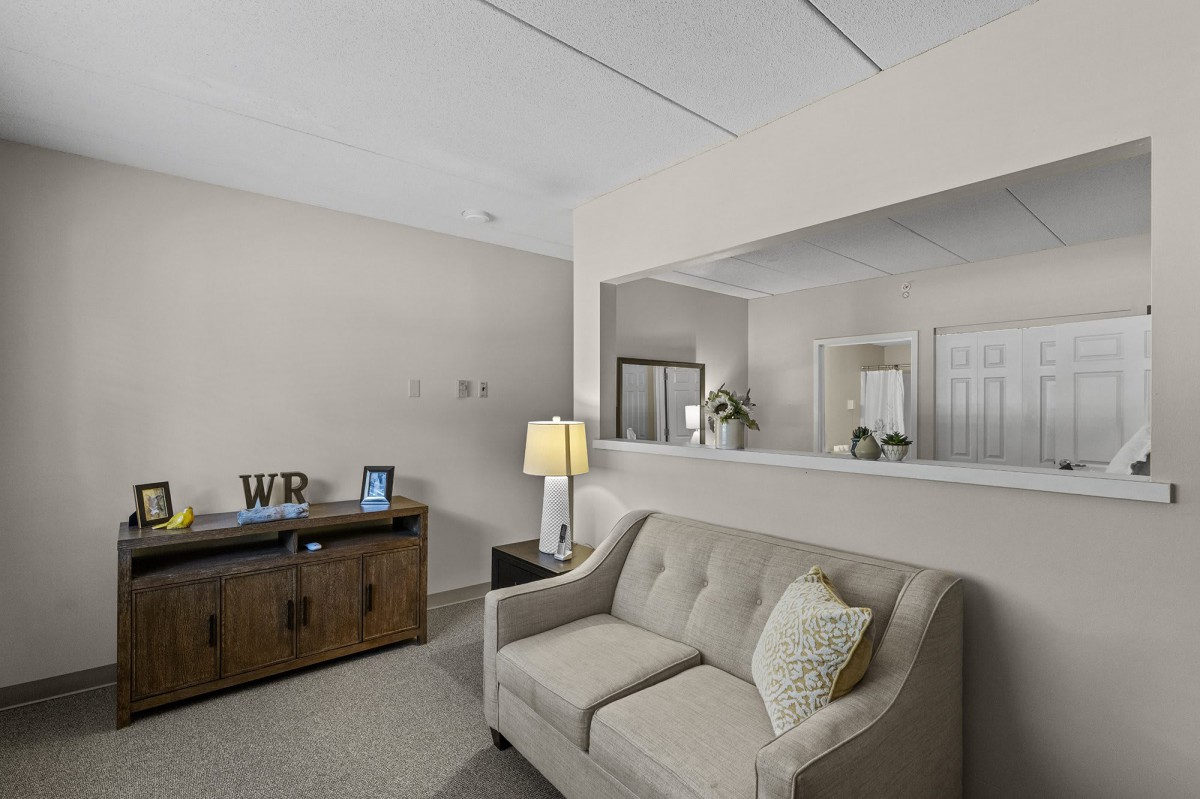
  • Windows

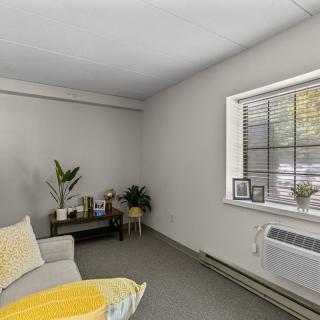
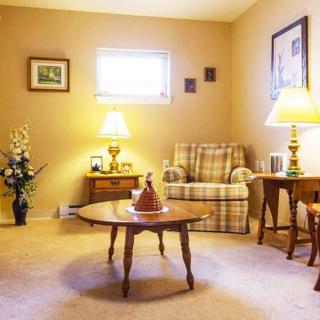
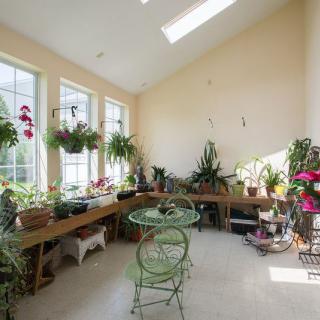
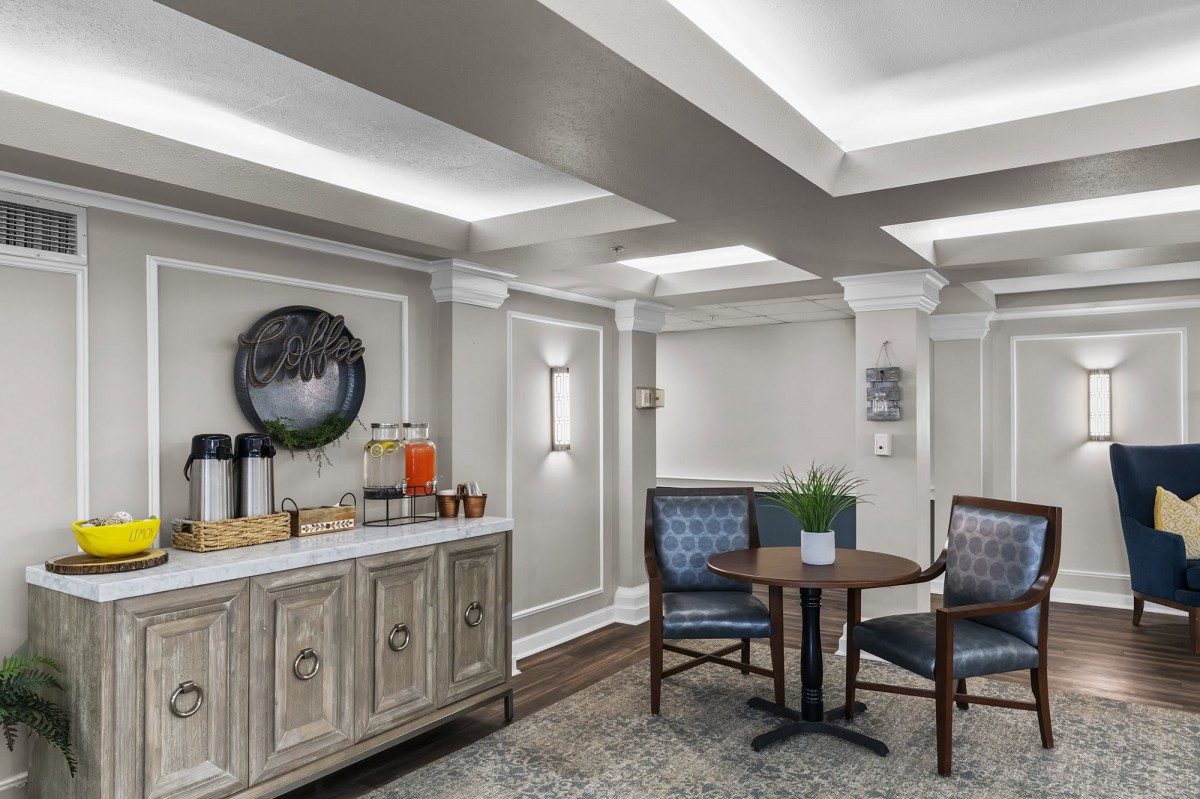
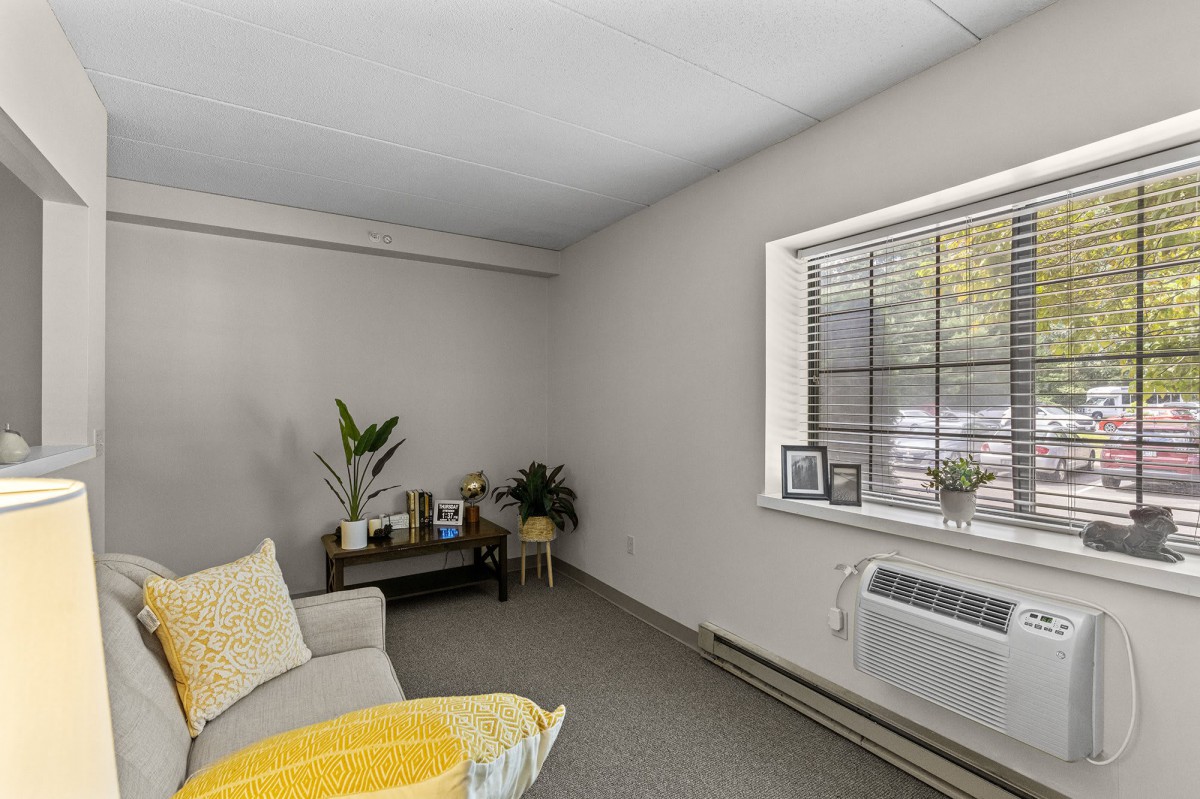
    A cozy living room with a sofa, indoor plants, and a window letting in natural light.
  • Dining

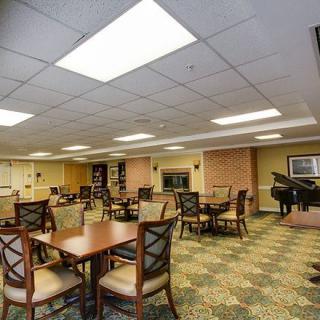
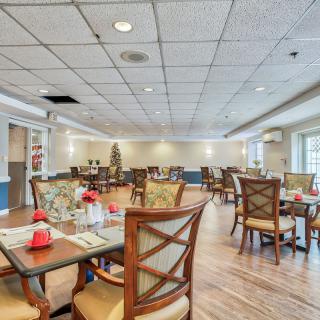
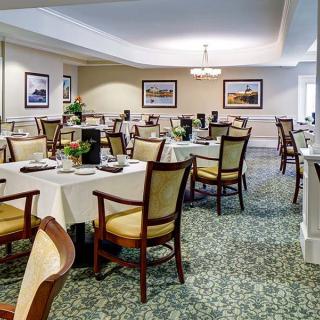
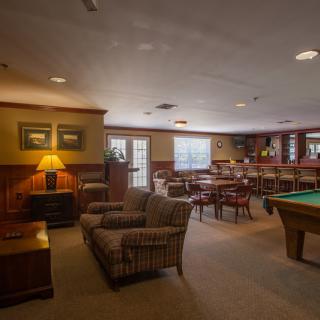
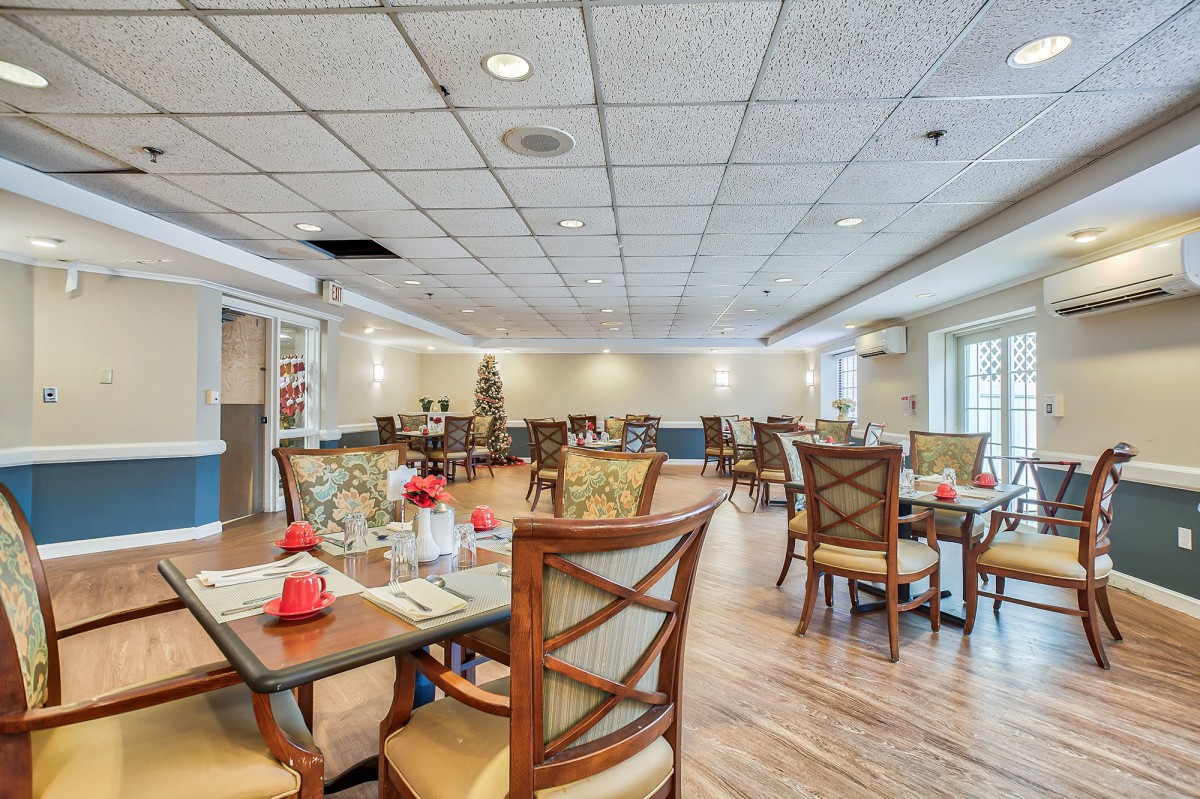
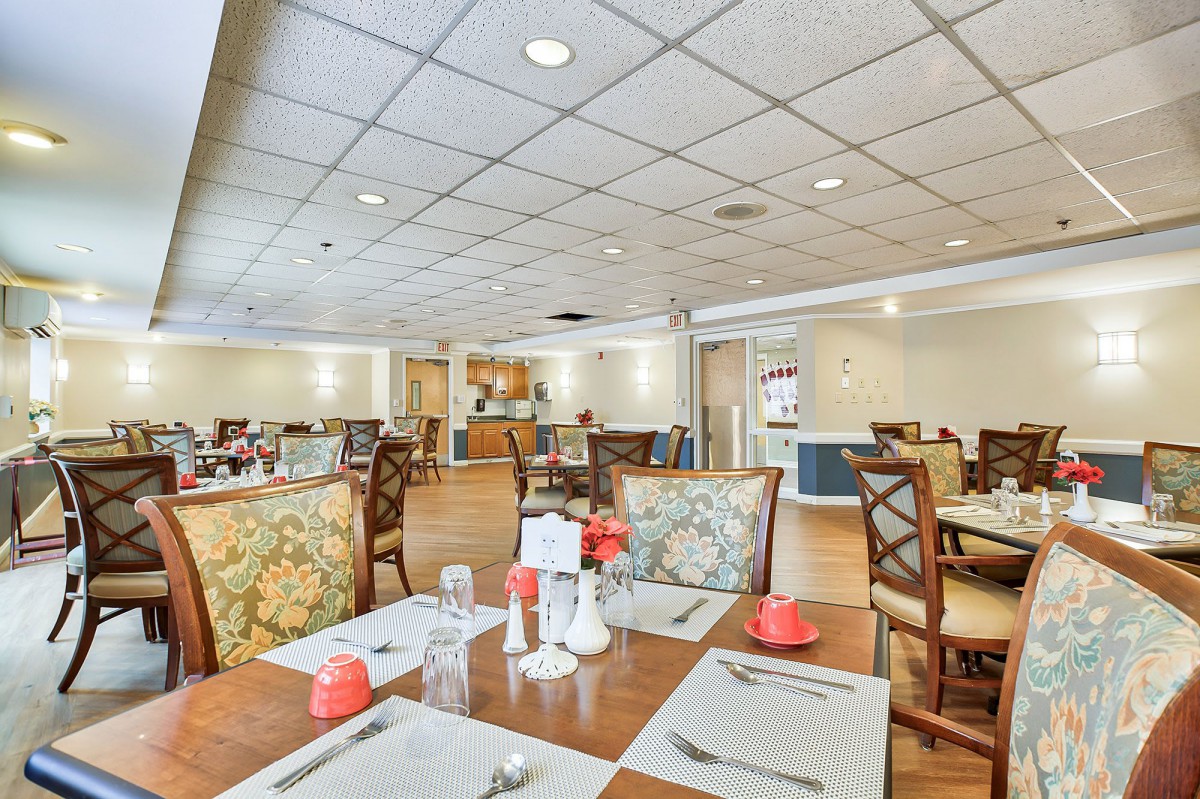
    A spacious dining room with multiple tables and chairs, featuring a piano in the corner and overhead ceiling lights.
  • Landscaping

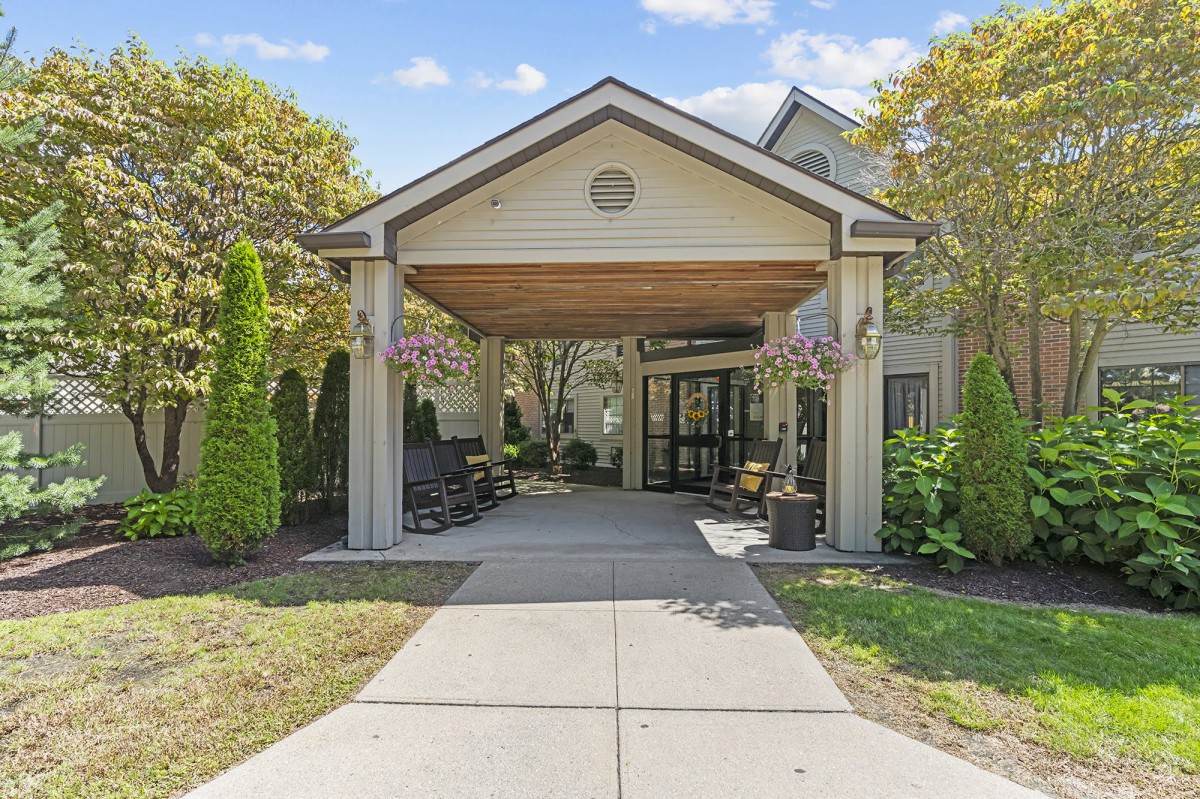
    A covered entrance with a pathway leading to a building, surrounded by landscaping and greenery.
  • Kitchen

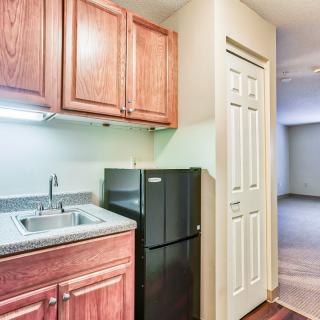
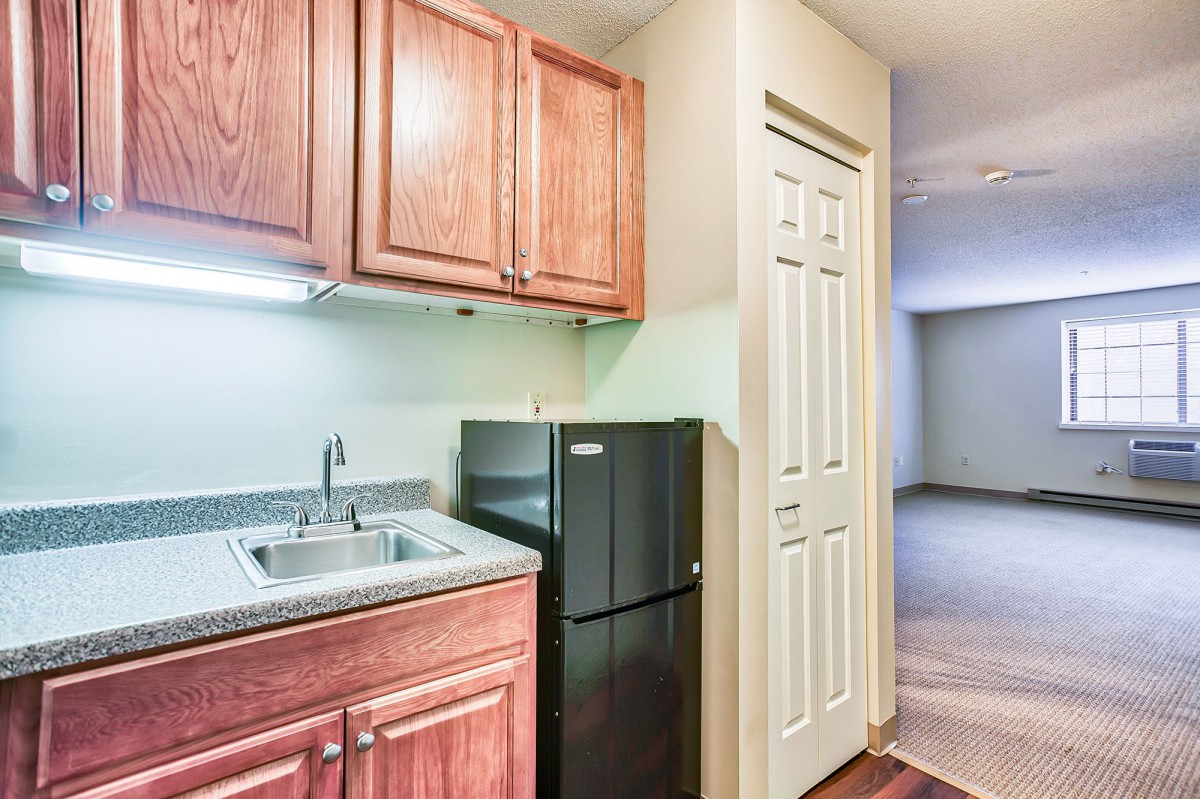
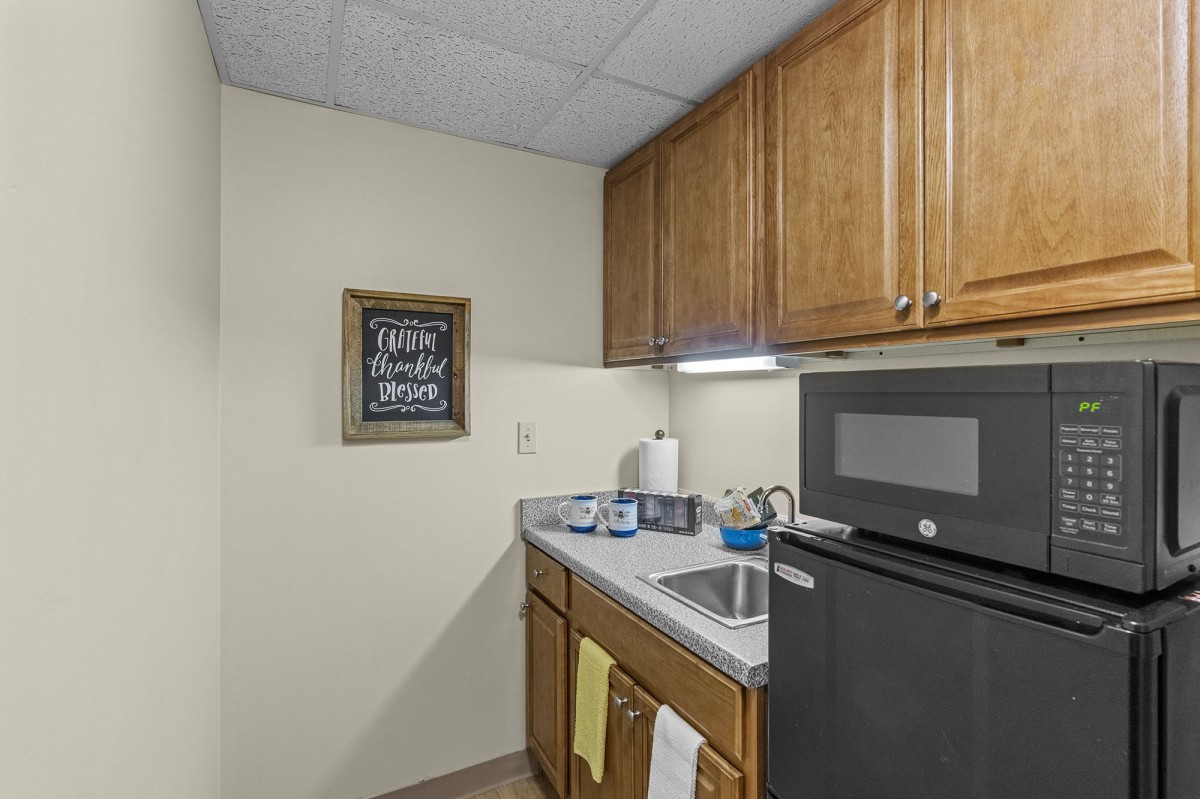
    A compact kitchen area with wooden cabinets, a sink, and a small refrigerator in an apartment setting.
  • Lighting

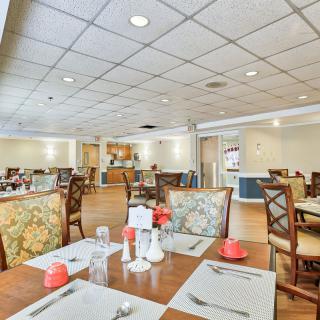
    A spacious and well-lit dining area featuring elegantly arranged tables and chairs.
  • Entrance

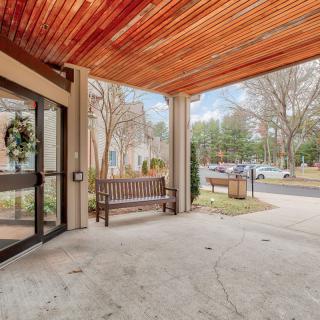
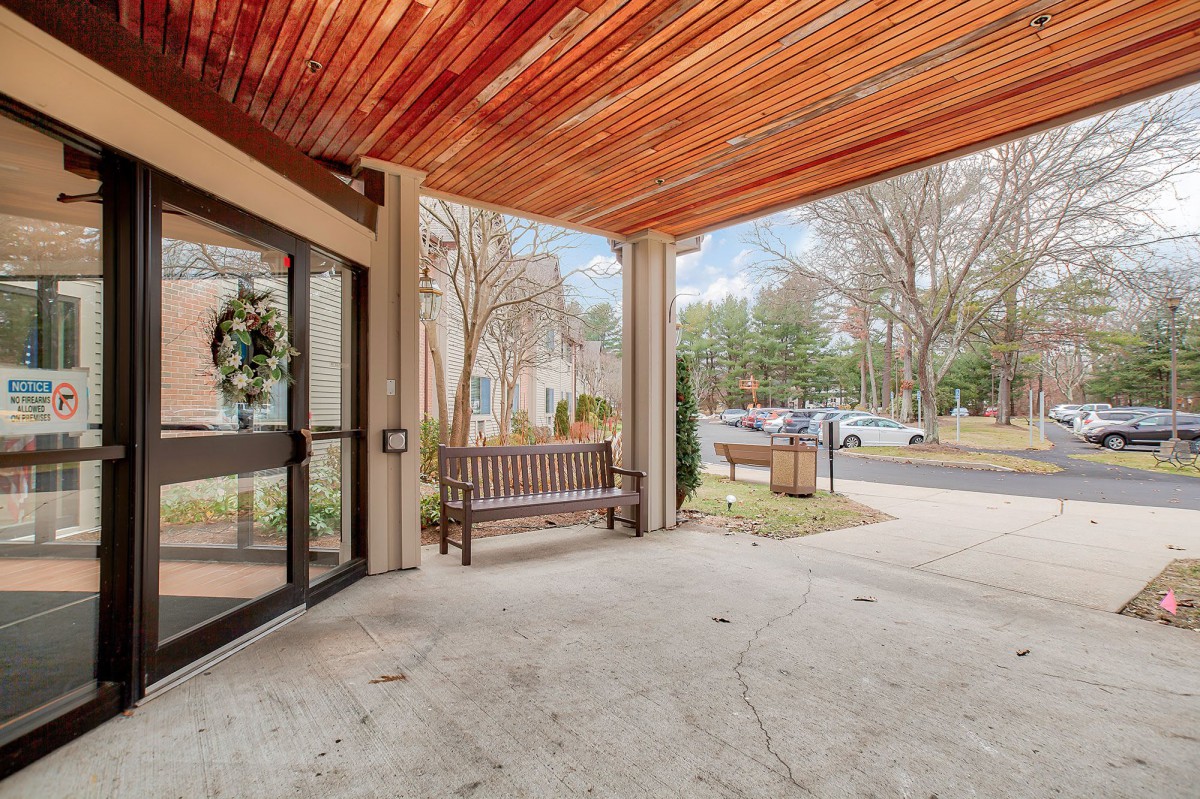
    Outdoor building entrance with a wooden canopy and benches.

Smithfield Woods in Smithfield, RI

Information last verified:

171 Pleasant View Avenue, Smithfield, RI 02917

For more information about senior living options: (844) 490-3973

4.4 from 96 reviews
5 stars
69
4 stars
13
3 stars
5
2 stars
2
1 stars
7

Seniors.FYI Elite Community Awards

Top 5% Senior Living Community in 2021

Add this award to your website

Smithfield Woods Costs & Pricing

At Smithfield Woods, the monthly costs for various room types reflect a premium compared to both Providence County and the broader state of Rhode Island. For instance, a studio at Smithfield Woods is priced at $4,100, which exceeds the county's average of $3,847 and the state's average of $4,015. Similarly, the semi-private accommodation costs $5,000, surpassing Providence County's average of $4,241 and Rhode Island's average of $4,389. The one-bedroom option is also positioned above local norms at $5,100 compared to the county's $4,449 and the state's $4,796. These figures suggest that while Smithfield Woods may carry higher fees than surrounding options, it likely offers distinctive amenities or services that justify these increased costs.

Floor plansSmithfield WoodsProvidence CountyRhode Island
Studio$4,100$3,847$4,015
Semi-Private$5,000$4,241$4,389
1 Bedroom$5,100$4,449$4,796

Overall Review of Smithfield Woods

Pros

  • pro The staff are friendly and the grounds are beautiful.
  • pro Smithfield Woods is a beautiful and welcoming place.
  • pro The staff are genuinely kind-hearted and sincerely concerned for residents.
  • pro Mercedes is kind, authentic, and attentive to residents.
  • pro The staff treat residents like family and go above and beyond.
  • pro The memory care unit keeps residents engaged with activities, music, and outings.
  • pro The meals are excellent and the service is wonderful.
  • pro The apartments are upgraded, clean, and comfortable.
  • pro The facility feels like home with attentive, helpful staff.
  • pro Families feel reassured and confident in the care provided; the community is warm and inviting.

Cons

  • pro The facility is understaffed with no clear leadership from management.
  • pro The meals are inconsistent and not up to par, and residents are rushed through dining.
  • pro The director is not doing an adequate job and is unprofessional with poor communication.
  • pro The facility has filthy conditions in every apartment, with dusty surfaces and filthy carpeting.
  • pro A recent takeover left the place downhill, focused on bottom-line profits.
  • pro The business practices are terrible, with ongoing battles to get insurance guidelines.
  • pro Care is inconsistent: staff can be hard to find when needed, personal needs are neglected, and medications are not administered as directed.
  • pro The executive director is described as the problem and is said to be in over her head.
  • pro The memory care unit is dark and lacks adequate outdoor space or social opportunities for some residents.
  • pro They charged for an extra day after a resident passed, showing a lack of compassion.

Review

Smithfield Woods is best suited for families seeking a memory-care-forward assisted living environment where warmth of care staff and a home-like atmosphere carry the day. This community consistently earns praise for the way caregivers treat residents like family, with genuine kindness, daily personal attention, and a culture that emphasizes comfort, belonging, and social connection. The memory care wing, in particular, shines for residents who benefit from structured activities, meaningful engagement, and regular outings. The campus itself is inviting, recent updates, attractive common spaces, and a setting by a pond contribute to a sense of serenity that families value when considering long-term placement. In short, it is a place designed to minimize isolation and maximize daily meaning for residents who want to stay engaged and well cared for.

Those weighing alternatives should note that Smithfield Woods may not be the best fit for every situation. Families that prioritize ironclad oversight, consistent leadership, and fully transparent, predictable billing may want to compare options. A segment of reviews flags concerns about staffing levels and management responsiveness, plus occasional critiques about meal quality, cleanliness in certain apartments, and front-desk visibility during busy times. For residents with complex medical needs requiring highly consistent clinical management or for families who demand unwavering administrative speed and clarity, the variance in experiences across shifts and departments could feel unresolved. Additionally, a handful of former residents’ families raise caution about communication gaps and the need for more robust ongoing oversight. These points suggest alternatives could deliver steadier processes and stronger governance for some.

The strongest pros, genuine warmth from the staff, a palpable family-oriented culture, and a rich program of activities, often offset the main drawbacks in meaningful ways. Families report that caregivers consistently go the extra mile, whether in dementia care moments or in day-to-day routines, making residents feel valued and safe. The activity calendar is broad: music programs, social clubs, art and cooking projects, exercise classes, and regular outings keep minds and bodies engaged. Dining is frequently praised, with attentive service and meals that residents look forward to; the on-site dining culture reinforces a sense of normalcy and social life rather than clinical formality. When a resident needs quick, compassionate help, like navigating a denture incident or coordinating a ride to a doctor’s appointment, the staff’s responsiveness is often a defining positive that makes families feel confident in the care trajectory.

Where the cons land most heavily, the impact depends on the family’s priorities. Understaffing and leadership questions appear in multiple reviews and can translate into slower response times, variability in day-to-day experiences, and occasional gaps in program delivery. Meal consistency and cleanliness surface as concerns in some resident stories, as do occasional communication lapses with families or questions about how billing is structured. Yet even here, many families report fast remediation when concerns are raised and observe improvements as care teams adjust. The message is not that these issues are universal, but that they exist enough to merit a proactive approach: request clear staffing ratios, insist on direct contact with the executive director or memory-care director, and verify a written care plan with measurable goals so expectations stay aligned.

From a practical decision-making standpoint, prospective movers should structure their visit around concrete confirmations. Tour readiness matters: observe how attention is distributed in common areas and at mealtimes, and note whether staff doorways and counters feel accessible and responsive. Ask for a sample weekly activity calendar and a detailed dining menu, including how meals accommodate special diets. Request a transparent outline of all costs, including what is included in the monthly rate and what incurs extra charges, and obtain a written care plan if a memory-care resident will need ongoing cognitive or behavioral supports. For families considering a transition, explore respite or trial-stay options to test the climate and routines before a full commitment. And crucially, insist on meeting the leadership team, exec director, memory-care manager, and the liaison who coordinates family communications, to confirm a workable communication cadence.

Overall, Smithfield Woods stands out as a compelling choice for memory care or assisted living when the top priorities are a warm, engaged staff and an environment that feels like a welcoming home. The community earns its credibility through countless stories of residents thriving, made possible by caregivers who deliver patient, respectful, and personalized care, along with programming that keeps people connected to friends, family, and meaningful activities. For families who place a premium on atmosphere, relationship-driven care, and a structured daily rhythm that supports ongoing social engagement, the positives frequently outweigh the concerns. The call to action is clear: proceed with confidence if the goal is long-term companionship, steady caregiving, and a setting that nurtures dignity and participation.

However, for those whose yardstick emphasizes airtight governance, consistent staffing without variance, and crystal-clear financial terms, Smithfield Woods warrants a rigorous comparison with other local options. Alternatives may provide more predictable administrative oversight, tighter control over operational processes, and a more uniform dining and housekeeping standard. The community can still be a strong match for many families, particularly those seeking a lively, caring home for a loved one with memory needs. The final call should rest on whether the resident’s happiness and daily engagement, delivered by a devoted, emotionally invested staff, trump the possibility of occasional staffing flux or administrative growing pains. In the right match, Smithfield Woods is not just a place to live; it’s a daily affirmation that care can feel like family.

Features

Housing

  • 148 resident community capacity 148 resident community capacity

Types of Care

  • Assisted Living Assisted LivingAssisted living facilities provide crucial support and care for seniors who may need help with daily tasks such as medication management, bathing, and meal preparation. These communities offer a safe and comfortable environment where seniors can maintain their independence while receiving the assistance they need to thrive in their golden years.
  • Memory Care Memory CareMemory care is crucial for seniors as it provides specialized support and services for individuals with dementia or Alzheimer's disease. These programs offer a safe and secure environment where residents receive personalized care, cognitive stimulation, and help with daily activities. Memory care helps seniors maintain their independence, quality of life, and dignity while also providing peace of mind for their families.

Pets

  • Cats allowed Cats allowed"Pet friendly" senior living communities are important for seniors because pets provide companionship, reduce feelings of loneliness and depression, promote physical activity and mental stimulation, and offer a sense of purpose and responsibility. Pets can improve overall well-being and quality of life for seniors in many ways.
  • Dogs allowed Dogs allowed"Pet friendly" senior living communities are important for seniors because pets provide companionship, reduce feelings of loneliness and depression, promote physical activity and mental stimulation, and offer a sense of purpose and responsibility. Pets can improve overall well-being and quality of life for seniors in many ways.

Amenities

  • Activities on-site Activities on-siteActivities on-site are important for seniors because they provide opportunities for socialization, mental stimulation, physical activity, and overall well-being. Engaging in activities can help seniors stay active, maintain their independence, and improve their quality of life.
  • Air-conditioning Air-conditioningAir conditioning is important for seniors as they are more vulnerable to heat-related illnesses and may have underlying health conditions that make it difficult for them to regulate their body temperature. It helps to keep them comfortable, safe, and healthy in hot weather.
  • Beautician on-site Beautician on-siteHaving a beautician on-site at a senior living community is important for seniors as it allows them to easily access grooming and personal care services, boosting their self-esteem and overall well-being. It also provides convenience and helps seniors maintain their sense of independence and personal style.
  • Beauty salon Beauty salonBeauty salons are important for seniors because they provide a space for them to feel pampered, socialize, and maintain their personal grooming and hygiene. Regular visits to a beauty salon can help boost seniors' self-esteem and overall well-being.
  • Cable or satellite TV Cable or satellite TVCable or satellite TV is important for seniors because it provides entertainment, news, and companionship, helping to combat loneliness and boredom. It also offers a wide range of programming options tailored to different interests and preferences.
  • Computer center Computer centerA computer center is essential for seniors as it provides access to technology, communication tools, and resources that can enhance their daily lives. It allows them to stay connected with loved ones, engage in online activities, and learn new skills, ultimately promoting socialization and mental stimulation.
  • Dining room Dining roomDining rooms are important for seniors as they provide a space for socialization, connection, and nutritious meals. They offer opportunities for residents to bond over shared meals, foster a sense of community, and promote healthy eating habits. Dining rooms also ensure that seniors have access to well-balanced meals tailored to their dietary needs and preferences.
  • Family private dining rooms Family private dining roomsFamily private dining rooms are important for seniors as they provide a space for quality time with loved ones, encourage social interaction, and allow for a sense of normalcy and comfort in their living environment. This can greatly improve their overall well-being and quality of life.
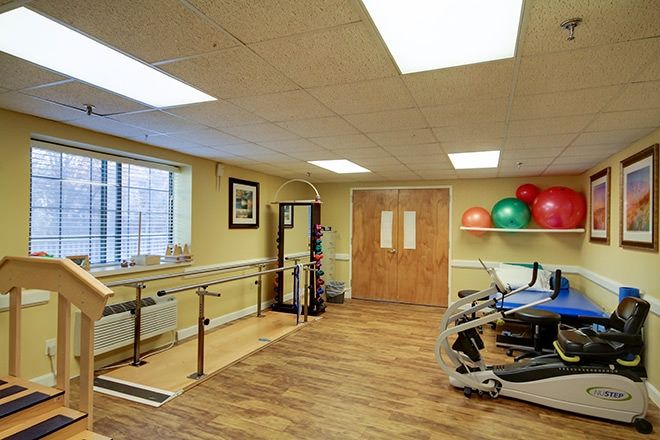
  • Fitness room Fitness roomHaving a fitness room in a senior living community is essential for seniors to stay active, maintain their physical health, and improve their overall well-being. Regular exercise can help prevent falls, reduce the risk of chronic diseases, and promote mental sharpness. It also provides social opportunities for residents to connect with others and enjoy a sense of community.
  • Fully furnished Fully furnishedFully furnished senior living communities are important for seniors because they provide convenience, comfort, and a hassle-free moving experience. Seniors can easily settle into their new living space without the stress of having to buy and move furniture. This allows them to focus on enjoying their new home and community.
  • Gaming room Gaming roomGaming rooms are important for seniors as they provide a fun and engaging environment for socializing, cognitive stimulation, and physical activity. Games can improve memory, problem-solving skills, and overall mental well-being while fostering friendships and reducing feelings of isolation.
  • Garden GardenGardens are important for seniors as they provide a peaceful and therapeutic environment for relaxation, physical activity, and socialization. Being in nature has been shown to reduce stress, improve mood, and promote overall well-being. Gardens also offer opportunities for seniors to engage in gardening activities, which can improve mobility, flexibility, and cognitive function. Additionally, gardens create a sense of community and connection with others who share a passion for plants and outdoor spaces.
  • Housekeeping services Housekeeping servicesHousekeeping services are important for seniors because they help maintain a clean and safe living environment, promote independence, and reduce the risk of accidents or illnesses. Additionally, having assistance with household chores can alleviate physical strain and allow seniors to focus on other aspects of their well-being.
  • Indoor common areas Indoor common areasIndoor common areas are crucial for seniors as they provide a space for socialization, recreation, and community engagement, promoting overall well-being and reducing feelings of isolation and loneliness.
  • Kitchenette KitchenetteKitchenettes are important for seniors living in senior living communities because they provide the convenience and independence of being able to prepare simple meals and snacks in the comfort of their own living space. This can help promote a sense of autonomy and well-being for seniors, allowing them to maintain some level of control over their dietary choices and daily routines.
  • Move-in coordination Move-in coordinationMove-in coordination is important for seniors because it helps ease the transition into their new living environment. It ensures that all logistics, such as packing, organizing movers, and setting up utilities are taken care of, allowing seniors to focus on settling in and adjusting to their new home. Having a smooth move-in process can alleviate stress and anxiety, making the transition smoother and more enjoyable for seniors.
  • Outdoor common areas Outdoor common areasOutdoor common areas are important for seniors as they provide a space for socialization, physical activity, and relaxation. Being outside in nature can improve mood and overall well-being, while also encouraging movement and engagement with others. These spaces can help combat feelings of isolation and promote a sense of community among residents.
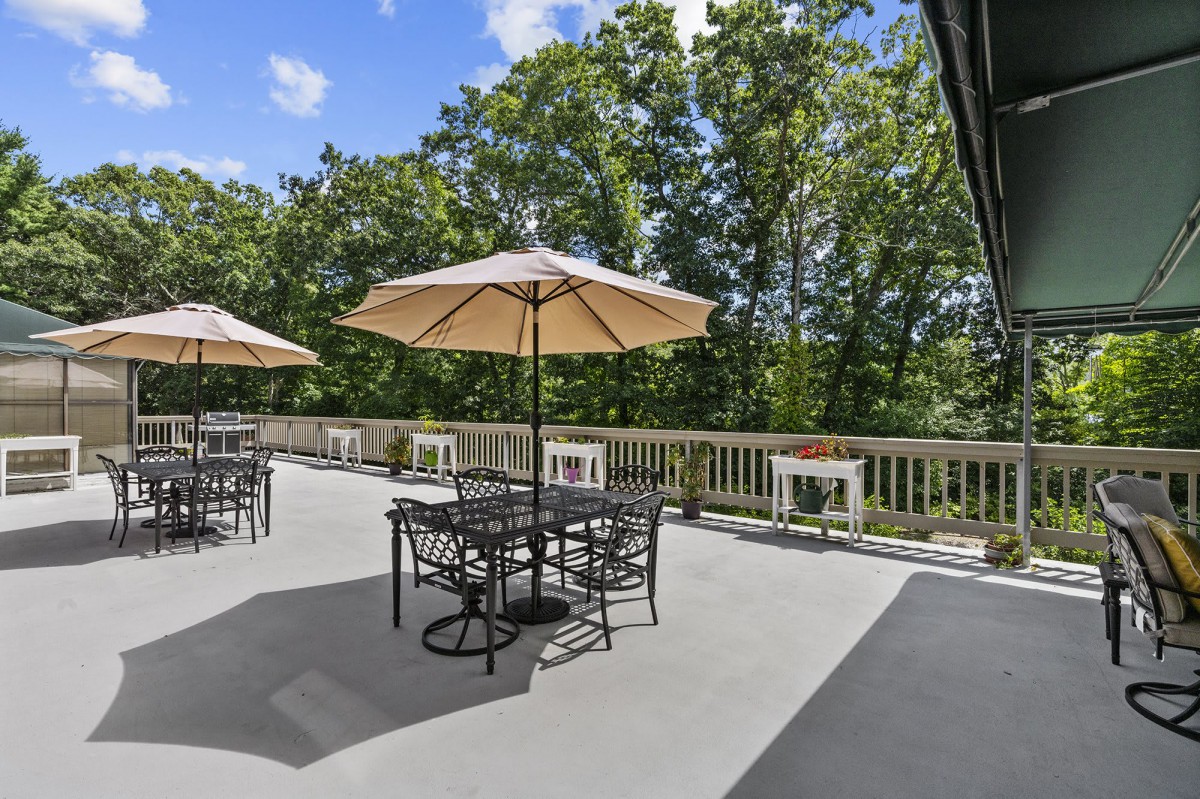
  • Outdoor patio Outdoor patioOutdoor patios are essential for seniors as they provide a safe and peaceful space for them to enjoy the outdoors, socialize with friends and family, engage in physical activity, and soak up natural sunlight which promotes overall well-being and mental health.
  • Outdoor space Outdoor spaceOutdoor spaces are important for seniors as they provide opportunities for physical activity, social interaction, exposure to natural light and fresh air, and a sense of connection to nature. Having access to outdoor spaces can improve overall well-being and quality of life for older adults living in senior communities.
  • Pet friendly Pet friendly"Pet friendly" senior living communities are important for seniors because pets provide companionship, reduce feelings of loneliness and depression, promote physical activity and mental stimulation, and offer a sense of purpose and responsibility. Pets can improve overall well-being and quality of life for seniors in many ways.
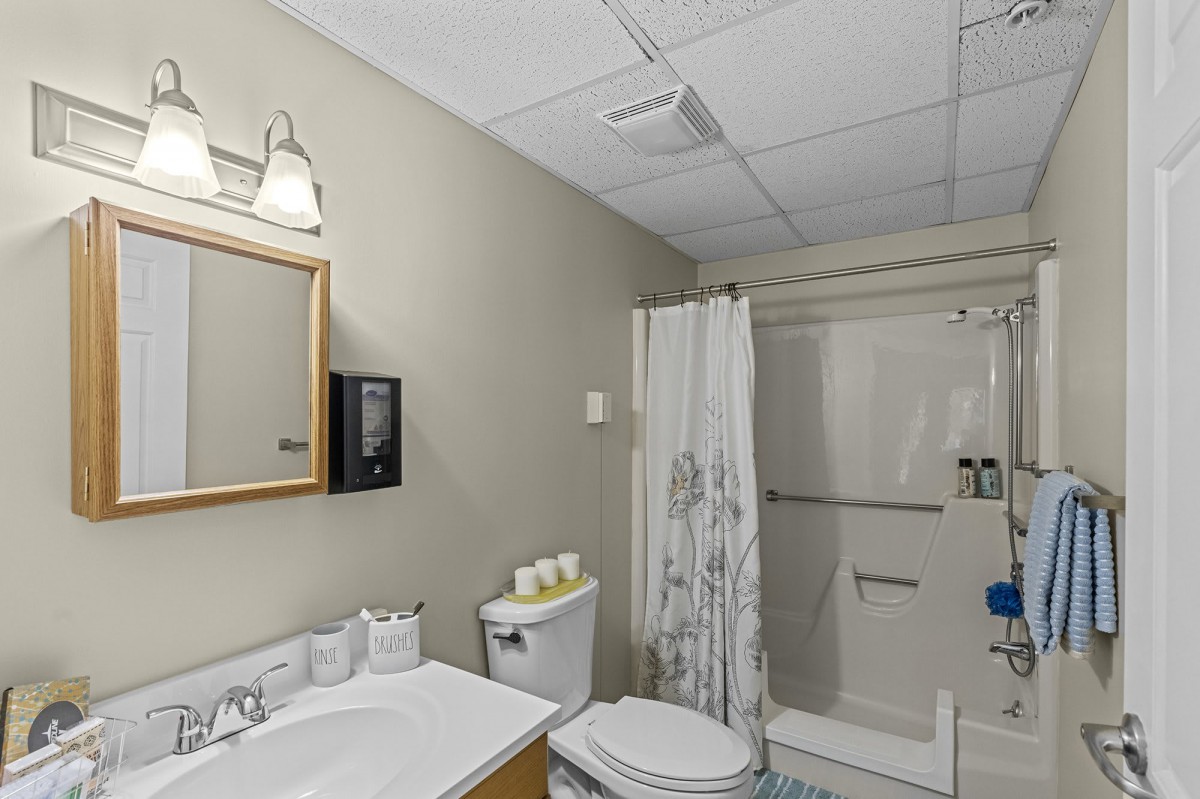
  • Private bathrooms Private bathroomsPrivate bathrooms are important for seniors in senior living communities because they provide independence, dignity, and comfort. Having a private bathroom allows seniors to maintain their personal hygiene routines without the need for assistance, promoting a sense of autonomy and privacy. Additionally, private bathrooms help prevent the spread of infections and provide a safe and clean environment for seniors to navigate safely.
  • Religious/meditation center Religious/meditation centerReligious and meditation centers provide seniors with a sense of community, purpose, and spiritual fulfillment. They offer opportunities for social connection, personal growth, stress relief, and emotional support. These centers can help seniors maintain mental and emotional well-being as they navigate the challenges of aging.
  • Respite or short term stays offered Respite or short term stays offeredRespite or short term stays provide seniors with a temporary solution when their regular caregiver is unavailable, offering them the opportunity to receive additional care and support during times of need, while also giving caregivers a chance to rest and recharge.
  • Restaurant-style dining Restaurant-style diningRestaurant-style dining is important for seniors because it allows them to enjoy delicious, nutritious meals in a social and upscale setting. This enhances their dining experience, promotes healthy eating habits, and fosters socialization with fellow residents, ultimately contributing to their overall well-being and quality of life.
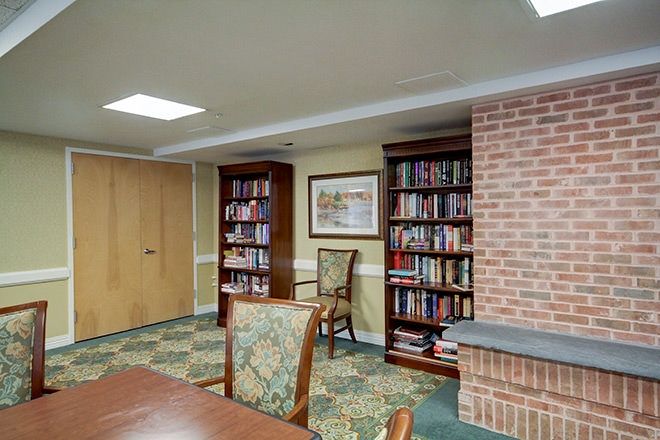
  • Small library Small librarySmall libraries are important for seniors as they provide access to a variety of reading materials, including books, newspapers, and magazines. This can help stimulate their minds, keep them engaged, and provide a sense of community through book clubs and other social activities. Additionally, reading has been shown to improve cognitive function and overall mental well-being in older adults.
  • Telephone TelephoneTelephones are important for seniors as they provide a lifeline for communication with loved ones, emergency services, and healthcare providers. They offer a sense of security and independence, enabling seniors to stay connected and access assistance when needed.
  • Wellness center Wellness centerWellness centers are important for seniors because they offer a variety of programs and services that promote physical, mental, and emotional well-being. These centers provide opportunities for exercise, socialization, education, and relaxation, helping seniors maintain their overall health and quality of life.
  • Wi-Fi/high-speed internet available Wi-Fi/high-speed internet availableWi-Fi/high-speed internet is important for seniors to stay connected with loved ones, access online resources, and participate in virtual activities to combat feelings of loneliness and isolation. It also allows them to easily manage healthcare needs, access entertainment, and engage in lifelong learning opportunities.

Transportation

  • Theodore F Green State (13 miles away) Theodore F Green State (13 miles away)
  • Community operated transportation Community operated transportationCommunity operated transportation is crucial for seniors as it provides them with the means to access essential services, social activities, and medical appointments. It allows seniors to maintain their independence and quality of life by ensuring they can participate in activities outside of their homes. Additionally, community-operated transportation services offer a safe and reliable way for seniors to travel without having to rely on family or friends for assistance.
  • Transportation arrangement Transportation arrangementTransportation arrangements are crucial for seniors as they may face challenges with driving, mobility, or access to public transportation. Having reliable transportation services ensures that seniors can easily attend appointments, social activities, and maintain their independence and quality of life.
  • Transportation arrangement (non-medical) Transportation arrangement (non-medical)Transportation arrangements are essential for seniors as they provide access to essential services, activities, and social interactions outside the home. This service helps maintain independence, mobility, and overall well-being for seniors who may have limited transportation options.

Care Services

  • 12-16 hour nursing 12-16 hour nursing12-16 hour nursing care is crucial for seniors in order to ensure around-the-clock monitoring, timely medication administration, and prompt response to any health concerns or emergencies. This level of care helps to promote the overall well-being and safety of seniors living in senior living communities.
  • 24-hour call system 24-hour call system24-hour call systems are important for seniors because they provide peace of mind and immediate assistance in case of emergencies. This technology ensures that help is always available, promoting safety and security for elderly individuals living alone or in assisted living facilities.
  • 24-hour supervision 24-hour supervision24-hour supervision is important for seniors to ensure their safety, well-being, and access to immediate assistance in case of emergencies or health issues. This constant support provides peace of mind for both seniors and their loved ones, allowing them to age in place with dignity and security.
  • Activities of daily living assistance Activities of daily living assistanceActivities of daily living assistance are important for seniors because they provide essential support with tasks such as eating, bathing, dressing, and mobility. This assistance helps seniors maintain their independence, dignity, and overall quality of life as they age.
  • Ambulatory care Ambulatory care"Ambulatory care services provide essential medical support and treatment to seniors without requiring hospitalization, allowing them to maintain their independence and quality of life while managing chronic conditions or receiving routine medical care."
  • Assistance with bathing Assistance with bathingAssistance with bathing is crucial for seniors as it helps maintain personal hygiene, prevents infections, and ensures their overall well-being and comfort. It also provides a sense of dignity and independence for seniors who may struggle with this task on their own.
  • Assistance with dressing Assistance with dressingAssistance with dressing is important for seniors because it helps maintain their independence, promotes personal hygiene, prevents accidents and injuries, and improves overall quality of life. This service ensures that seniors can continue to dress comfortably and confidently, despite any physical limitations they may have.
  • Assistance with transfers Assistance with transfersAssistance with transfers is crucial for seniors as it helps prevent falls and injuries, maintains their independence, and ensures they can safely navigate their living environment. It also provides peace of mind for both seniors and their loved ones.
  • Care with behavioral issues Care with behavioral issuesCare with behavioral issues is important for seniors because it ensures they receive the specialized support and attention they need to manage their unique challenges and maintain their quality of life. This type of care helps address issues such as dementia, aggression, anxiety, depression or mood swings, allowing seniors to live comfortably and safely in a senior living community.
  • Coordination with health care providers Coordination with health care providersCoordination with health care providers is crucial for seniors to ensure proper medical care, medication management, and overall well-being. This collaboration helps prevent overlapping treatments, track progress more effectively, and provide comprehensive support tailored to individual needs.
  • Dementia waiver Dementia waiverDementia waivers are essential for seniors as they provide critical protections and accommodations for those experiencing cognitive decline. These waivers ensure individuals with dementia receive appropriate care, support, and resources to maintain their quality of life and dignity as they navigate the challenges of this progressive condition.
  • Diabetes diet Diabetes dietA diabetes diet is crucial for seniors as it helps manage blood sugar levels, reduce risks of complications, and improve overall health and well-being. By following a balanced and nutritious diet tailored to their specific needs, seniors can better control their diabetes and enhance their quality of life.
  • Diabetic care Diabetic careDiabetic care is crucial for seniors as they are more susceptible to developing diabetes due to aging and other health conditions. Proper management of diabetes can help prevent complications such as heart disease, vision loss, and nerve damage, improving the overall quality of life for seniors in senior living communities.
  • Hospice waiver Hospice waiverHospice waivers are important for seniors because they allow individuals to receive specialized end-of-life care and support at home or in a hospice facility. This waiver ensures that seniors can access the necessary resources and services to maintain comfort and dignity during their final days.
  • Incontinence care Incontinence careIncontinence care is essential for seniors to maintain their dignity, hygiene, and overall quality of life. By addressing incontinence issues promptly and effectively, seniors can enjoy a sense of independence and comfort in their daily activities.
  • Meal preparation and service Meal preparation and serviceMeal preparation and service are crucial for seniors as they may have limited mobility or energy to cook nutritious meals. Having access to healthy and convenient food options can ensure they are getting the proper nutrition needed to maintain their overall health and well-being.
  • Medication management Medication managementMedication management is crucial for seniors to ensure they are taking the right medications at the correct dosages and times. This helps prevent adverse drug interactions, reduces the risk of medication errors, and promotes overall health and well-being. Proactive management also allows for adjustments as needed based on changing health conditions or new prescriptions.
  • Mental wellness program Mental wellness programMental wellness programs are essential for seniors as they promote cognitive stimulation, emotional support, and social engagement. These programs help prevent isolation, depression, and cognitive decline, ultimately enhancing the overall quality of life for older adults.
  • Mild cognitive impairment Mild cognitive impairment"Mild cognitive impairment" is important for seniors because it is an early stage of cognitive decline that can potentially progress to more severe conditions such as dementia. Recognizing and addressing mild cognitive impairment can help seniors receive appropriate care and support to maintain their quality of life and independence for as long as possible.
  • Physical therapy Physical therapyPhysical therapy is essential for seniors to maintain and improve their mobility, strength, and overall quality of life. It helps reduce pain, prevent falls, and enhance independence in daily activities. By promoting movement and function, physical therapy can help seniors stay active, healthy, and engaged in their communities.
  • Same day assessments Same day assessmentsSame day assessments are crucial for seniors because they provide immediate insight into their needs and abilities, allowing for more timely and effective care planning. This can help address any urgent concerns or issues that may arise, ensuring seniors receive the appropriate support as quickly as possible.
  • Special dietary restrictions Special dietary restrictionsSpecial dietary restrictions are important for seniors because age-related changes in metabolism and health conditions can make it difficult for their bodies to process certain foods. By following a diet tailored to their specific needs, seniors can maintain their overall health and well-being, manage chronic conditions, and reduce the risk of complications such as malnutrition or food interactions with medications.
  • Specialized memory care programming Specialized memory care programmingSpecialized memory care programming is crucial for seniors with cognitive impairments such as dementia or Alzheimer's disease. These programs provide a safe and supportive environment tailored to the unique needs of individuals with memory loss, helping them maintain their independence, dignity, and quality of life.
  • Transportation arrangement (medical) Transportation arrangement (medical)Transportation arrangements for medical purposes are essential for seniors as they may have difficulty driving themselves to appointments or accessing public transportation. Having reliable and safe transportation options ensures that seniors can receive timely medical care and maintain their health and well-being.
  • Transportation to doctors appointments Transportation to doctors appointmentsTransportation to doctors' appointments is crucial for seniors as it ensures they have access to necessary medical care and support for their health needs. Without reliable transportation, seniors may struggle to attend important appointments, leading to potential delays in treatment and health complications. Providing transportation services helps seniors maintain their overall well-being and quality of life.

Dining

  • Diabetes diet Diabetes dietA diabetes diet is crucial for seniors as it helps manage blood sugar levels, reduce risks of complications, and improve overall health and well-being. By following a balanced and nutritious diet tailored to their specific needs, seniors can better control their diabetes and enhance their quality of life.
  • Low / no sodium Low / no sodiumLow/no sodium options are important for seniors because excessive sodium intake can lead to high blood pressure, heart disease, and other health issues commonly experienced by older adults. By choosing low/no sodium foods, seniors can better manage their health and reduce their risk of developing these conditions.
  • Meals provided Meals provided"Meals provided" are crucial for seniors in assisted living communities as it ensures they have access to nutritious, balanced meals without the stress of meal planning and preparation. This can help promote overall health and well-being for seniors who may have limited mobility or cognitive abilities.
  • Restaurant style dining Restaurant style diningRestaurant style dining is important for seniors as it offers them a social and enjoyable dining experience, promotes healthy eating habits, and provides personalized menu options to cater to their dietary needs and preferences. This type of dining setting can enhance their overall quality of life and create a sense of community within the senior living facility.
  • Room service Room serviceRoom service is important for seniors in a senior living community because it provides convenience and allows them to have their meals delivered directly to their room. This can be especially beneficial for seniors who may have mobility issues or difficulty accessing the dining area. Room service ensures that seniors are able to receive nutritious meals without having to navigate through the facility, allowing them to maintain their independence and overall well-being.
  • Special dietary restrictions Special dietary restrictionsSpecial dietary restrictions are important for seniors because age-related changes in metabolism and health conditions can make it difficult for their bodies to process certain foods. By following a diet tailored to their specific needs, seniors can maintain their overall health and well-being, manage chronic conditions, and reduce the risk of complications such as malnutrition or food interactions with medications.
  • Special dining programs Special dining programsSpecial dining programs are important for seniors because they provide nutritious meals tailored to their dietary needs and preferences. These programs also offer socialization opportunities, promote overall health and well-being, and can help prevent malnutrition.

Activities

  • Art classes Art classesArt classes are important for seniors because they provide a creative outlet, improve cognitive function, reduce stress and anxiety, promote socialization, and enhance overall well-being and quality of life.
  • Brain fitness Brain fitnessBrain fitness is important for seniors as it helps to maintain cognitive function, memory, and overall mental well-being. Engaging in activities that challenge the brain can help prevent cognitive decline and promote a healthier, more fulfilling quality of life in older adults.
  • Catholic services Catholic servicesCatholic services are important for seniors because they provide spiritual support, a sense of community, and opportunities for social interaction that can enhance overall well-being and quality of life in their later years.
  • Community-sponsored activities Community-sponsored activitiesCommunity-sponsored activities are important for seniors as they provide opportunities for social interaction, mental stimulation, and physical activity. These activities can help improve overall well-being, combat loneliness and isolation, and promote a sense of belonging and purpose among older adults.
  • Concierge services Concierge servicesConcierge services are essential for seniors as they provide assistance with daily tasks and errands, enhance their quality of life by offering convenience and personalized care, and promote a sense of safety and security.
  • Cooking classes Cooking classesCooking classes are important for seniors as they provide opportunities for social interaction, enhance cognitive skills, promote healthy eating habits, and boost confidence in the kitchen.
  • Day trips and outings Day trips and outingsDay trips and outings are important for seniors as they provide opportunities for socialization, mental stimulation, physical activity, and a break from daily routines. These experiences can enhance overall well-being and quality of life for older adults living in senior communities.
  • Fitness programs Fitness programsFitness programs are crucial for seniors as they help improve strength, flexibility, balance, and overall well-being. Staying active can reduce the risk of chronic diseases, improve mental health, and enhance quality of life in older adults.
  • Gardening club Gardening clubGardening clubs are important for seniors because they provide a sense of community, promote physical activity and mental well-being, and offer opportunities for socialization and connection with nature. Gardening can also improve cognitive function and overall quality of life for seniors.
  • Happy hour Happy hourHappy hour is important for seniors as it provides a social activity that promotes camaraderie and reduces feelings of loneliness or isolation. It also offers an opportunity for older adults to relax, unwind, and enjoy some drinks or snacks in a fun and welcoming atmosphere.
  • Karaoke KaraokeKaraoke provides seniors with a fun and social activity that can boost mood, confidence, and cognitive function. It encourages social interaction, physical movement, and creative expression, making it an important form of entertainment for senior living communities.
  • Live dance or theater performances Live dance or theater performancesLive dance or theater performances are important for seniors because they provide opportunities for socialization, mental stimulation, and emotional engagement. These performances can help combat feelings of isolation and loneliness, while also offering a sense of connection to the arts and culture. Additionally, watching live performances can bring joy and create lasting memories for seniors in their later years.
  • Live musical performances Live musical performancesLive musical performances can provide seniors with a sense of joy, nostalgia, and connection. Music has the power to evoke emotions and memories, improve mood and cognitive function, and foster social interaction among seniors. It can also serve as a form of therapy and stress relief for older adults, making it an important activity to include in senior living communities.

  • Planned day trips Planned day tripsPlanned day trips are important for seniors because they offer opportunities for socialization, mental stimulation, and physical activity. They provide a change of scenery and help seniors stay engaged and connected to their community, promoting overall well-being and quality of life.
  • Resident-run activities Resident-run activitiesResident-run activities are important for seniors as they encourage social interaction, creativity, and a sense of autonomy. These activities empower seniors to stay engaged and active in their community while fostering meaningful connections with their peers.
  • Scheduled daily activities Scheduled daily activitiesScheduled daily activities are important for seniors because they provide structure, socialization, mental stimulation, and physical activity. Engaging in regular activities can improve overall well-being and quality of life for seniors living in a community setting.
  • Stretching classes Stretching classesStretching classes are important for seniors because they help improve flexibility, reduce the risk of injury, and promote overall health and well-being. Regular stretching can also help alleviate joint pain and stiffness, enhance balance and coordination, and increase range of motion.
  • Visiting chaplain or priest Visiting chaplain or priestHaving a visiting chaplain or priest at a senior living community is important for seniors because it provides spiritual support, comfort, and guidance during a time of life that can be challenging and uncertain. Their presence can help seniors feel connected to their faith, find peace of mind, and cope with the emotional and mental struggles they may face in their later years.
  • Yoga / chair yoga Yoga / chair yogaYoga and chair yoga are important for seniors as they promote flexibility, balance, strength, and overall wellbeing. These practices can help improve mobility, reduce stress, and enhance mental clarity, ultimately leading to a higher quality of life in their senior years.

Description

Smithfield Woods in Smithfield, RI is an assisted living community that specializes in memory care. Our residents receive round-the-clock care and supervision to ensure their safety and well-being.

Our community offers a wide range of amenities to enhance the comfort and enjoyment of our residents. Each apartment is fully furnished and equipped with air-conditioning for optimal comfort. Our on-site beautician and beauty salon provide convenient grooming services. Residents can enjoy their favorite TV shows with cable or satellite TV in their own private rooms. Transportation is provided by our community for outings and appointments, and we also have a shuttle service available.

We prioritize the physical and mental wellness of our residents with a variety of services and activities. Our fitness room allows residents to stay active, while our wellness center offers opportunities for rehabilitation and therapy. Our dedicated staff provides assistance with daily tasks such as bathing, dressing, transfers, meal preparation, medication management, and more.

At Smithfield Woods, we understand the importance of social engagement for seniors with memory impairments. That's why we offer a range of activities designed to stimulate the mind and foster social connections. From brain fitness exercises to cooking classes, day trips to live performances, there is something for everyone to enjoy. Our beautiful garden and outdoor patio provide peaceful outdoor spaces for relaxation.

A delicious dining experience awaits our residents with restaurant-style meals served in our elegant dining room. We accommodate special dietary restrictions such as low-sodium or diabetic diets.

Our location in Smithfield, RI offers convenience with nearby cafes, pharmacies, physicians' offices, restaurants, and places of worship.

At Smithfield Woods Assisted Living Community, we strive to create a warm and caring environment where seniors with memory impairments can thrive. Contact us today to learn more about how we can meet your loved one's individual needs.

Nearby Places of Interest

This part of Smithfield, Rhode Island offers a variety of amenities and services within close proximity for seniors looking to settle down in the area. There are multiple CVS Pharmacies nearby for convenient access to medication, as well as cafes like Starbucks and Latte Love Coffee House for socializing or enjoying a cup of coffee. In terms of dining options, there is a mix of fast food establishments like Sonic Drive-In and family-friendly restaurants such as Uncle Tony's Pizza and Pasta. For medical needs, there are several physicians' offices in the vicinity including University Gastroenterology and Rhode Island Dermatology & Cosmetic Center. Additionally, there are parks like Lincoln Woods State Park for outdoor activities and hospitals such as Providence VA Medical Center for healthcare services. The area also has transportation options available with Providence Station for easy access to MBTA and Amtrak services. Overall, this part of Smithfield provides a range of conveniences and resources that may appeal to seniors looking for a comfortable and accessible living environment.

Pharmacies

  • CVS Pharmacy (1.7 miles)
  • CVS Pharmacy (3.5 miles)
  • CVS Pharmacy (4.3 miles)
  • Walgreens (4.9 miles)
  • CVS Pharmacy (5.3 miles)
  • Shaw's Pharmacy (5.4 miles)
  • CVS Pharmacy (5.5 miles)

Cafes

  • Starbucks (1.8 miles)
  • Latte Love Coffee House (5.9 miles)
  • New Harvest Coffee (7.2 miles)
  • Latte Love Coffee House (7.4 miles)
  • Providence Bagel (7.7 miles)
  • The Nitro Bar (7.8 miles)
  • Starbucks (7.8 miles)

Restaurants

  • Sonic Drive-In (1.8 miles)
  • Condesa Restaurante Mexicano (1.9 miles)
  • Laura's Bar and Grill (1.9 miles)
  • Crickets Restaurant (2.1 miles)
  • Uncle Tony's Pizza and Pasta (3.4 miles)
  • McDonald's (4.4 miles)
  • Wright's Dairy Farm (6.2 miles)

Places of Worship

  • New Life Worship Center (1.9 miles)
  • Our Lady of Grace Church (4.7 miles)

Physicians

  • University Gastroenterology (2 miles)
  • Coastal Medical Laboratory (2 miles)
  • Rhode Island Dermatology & Cosmetic Center (4.4 miles)
  • Lincoln Primary Care (4.4 miles)
  • Atmed Treatment Center (5 miles)
  • Lim Richard Atwood Medical Associates Limited Johnston (5 miles)
  • Aspire Dermatology (5 miles)

Parks

  • Lincoln Woods State Park (5.6 miles)
  • Dunn Memorial Park (7.3 miles)
  • Roger Williams National Monument (7.9 miles)

Hospitals

  • Providence VA Medical Center (7 miles)
  • Miriam Hospital - Infection, Disease, & Immunology Center (7.7 miles)

Theaters

  • Providence Place Showcase IMAX Theaters (7.8 miles)

Transportation

  • Providence Station - MBTA & Amtrak (PVD) (7.9 miles)

Frequently Asked Questions

How much does it cost to live at Smithfield Woods in Smithfield, RI?
Where is Smithfield Woods?
Does Smithfield Woods provide care for residents with dementia or Alzheimer's disease?
Does Smithfield Woods allow residents to have pets?
What photos are available for Smithfield Woods in Smithfield, Rhode Island?

Nearby Communities

  • Hebert Nursing Home

    Hebert Nursing Home

    Smithfield, RI

    2.3 from 42 reviews
     

    pro Amenities and attentive staff support engaging activities and quality care.
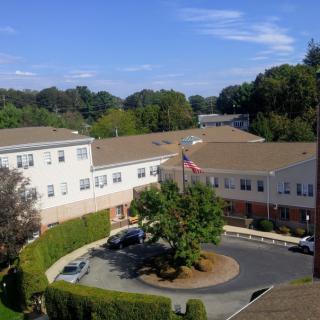

  • Stillwater Assisted Living Community

    Stillwater Assisted Living Community

    Greenville, RI

    4.3 from 67 reviews
    $2,700 to $4,130 / month

    pro Caring, professional staff with engaging activities in a clean, apartment-style setting and strong value.

  • Cortland Place

    Cortland Place

    Greenville, RI

    4.4 from 59 reviews
     

    pro Caring staff and a clean, engaging, hotel-like setting that fosters community.

  • Comfort Keepers

    Comfort Keepers

    Greenville, RI

    4.3 from 28 reviews
     

    pro Excellent access to healthcare services, dining, and places of worship in a warm, supportive setting.

  • Georgiaville Manor

    Georgiaville Manor

    Smithfield, RI

    4.7 from 9 reviews
     

    pro Great access to nearby amenities (cafes, parks, pharmacies, physicians, restaurants, places of worship).

  • Village At Waterman Lake-Lp

    Village At Waterman Lake-Lp

    Greenville, RI

    4.7 from 24 reviews
     

    pro Extensive on-site amenities and care services (dining, wellness, transportation, activities, and fully furnished apartments).

  • The Village at Waterman Lake

    The Village at Waterman Lake

    Greenville, RI

    4.7 from 103 reviews
    $3,165 to $6,585 / month

    pro Caring staff with engaging activities in a well-maintained, appealing setting.

  • The Bridge At Cherry Hill

    The Bridge At Cherry Hill

    Johnston, RI

    4.9 from 74 reviews
    $3,200 to $4,950 / month

    pro Excellent dining and engaging activities with attentive staff.

  • Anchor Bay at Pocasset

    Anchor Bay at Pocasset

    Johnston, RI

    4.4 from 147 reviews
    $2,980 to $4,770 / month

    pro Caring staff in a bright, welcoming community with engaging activities.

Related Resources

  • active senior livingVibrant Senior Living: A Comprehensive Guide for Active Older Adults

    Vibrant Senior Living emphasizes active senior living communities that promote independence and engagement through diverse amenities and activities, fostering wellness and social interaction among older adults. These communities range from independent to assisted living, with a focus on personal growth, family involvement, financial planning, and leveraging technology to enhance residents' experiences.

  • assisted living vs memory careAssisted Living and Memory Care: Understanding Their Core Differences

    Assisted living provides moderate support for seniors seeking independence, while memory care offers specialized support for individuals with dementia or cognitive impairments through structured routines and trained staff. Key differences include care approaches, environment security measures, staff training levels, activity types, and cost considerations.

  • assisted living vs nursing homeChoosing the Right Senior Care: A Detailed Exploration of Assisted Living and Nursing Homes
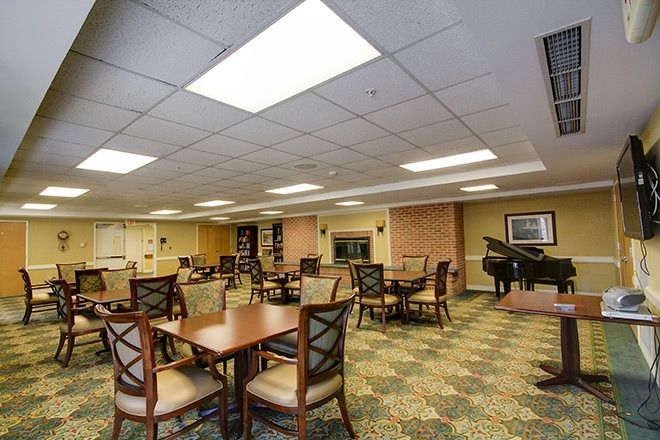
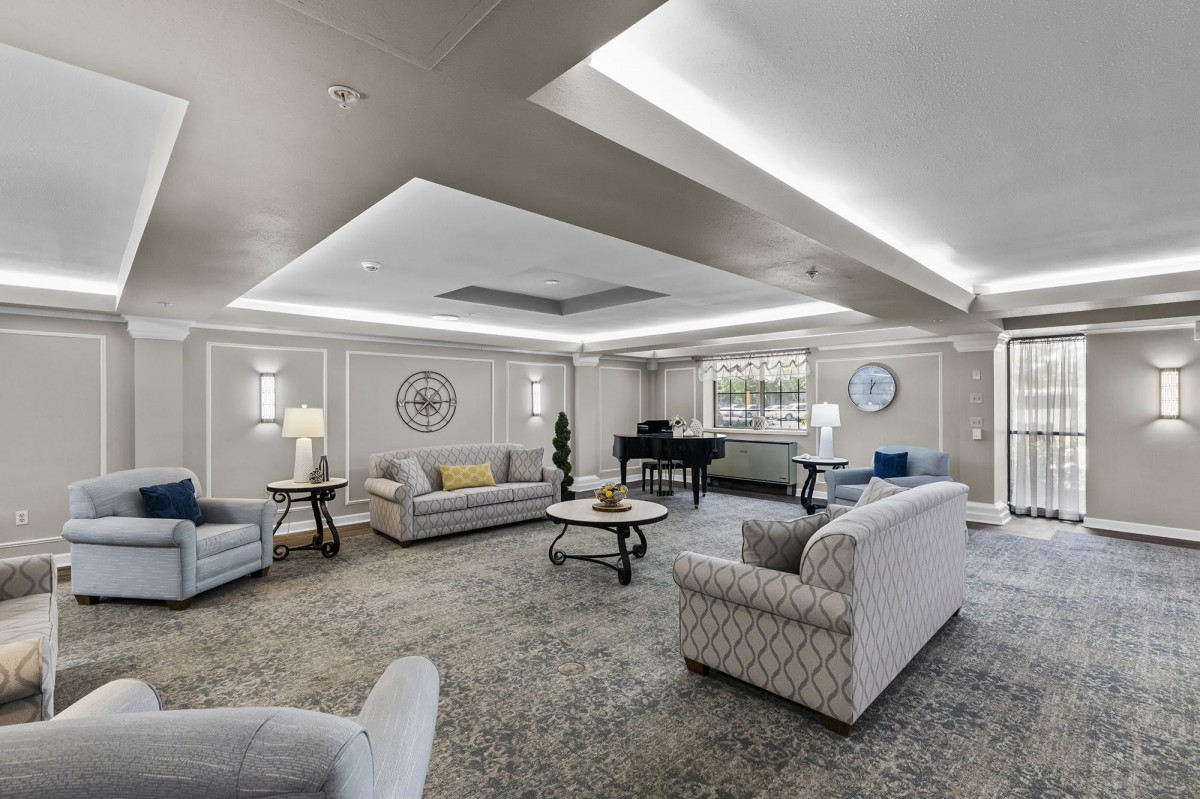
    Choosing between assisted living and nursing homes involves evaluating emotional and financial factors, with assisted living offering independence and support for daily activities at a lower cost, while nursing homes provide intensive medical care for individuals with significant health needs. The decision is influenced by personal preferences, health status, cognitive function, and varying Medicaid coverage across states.