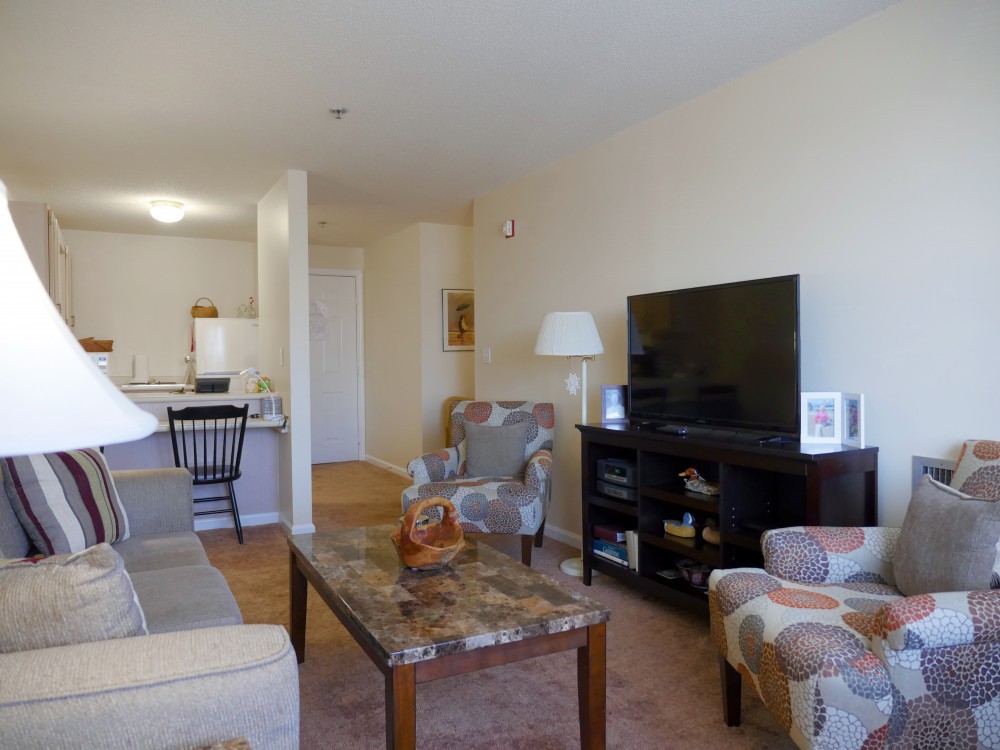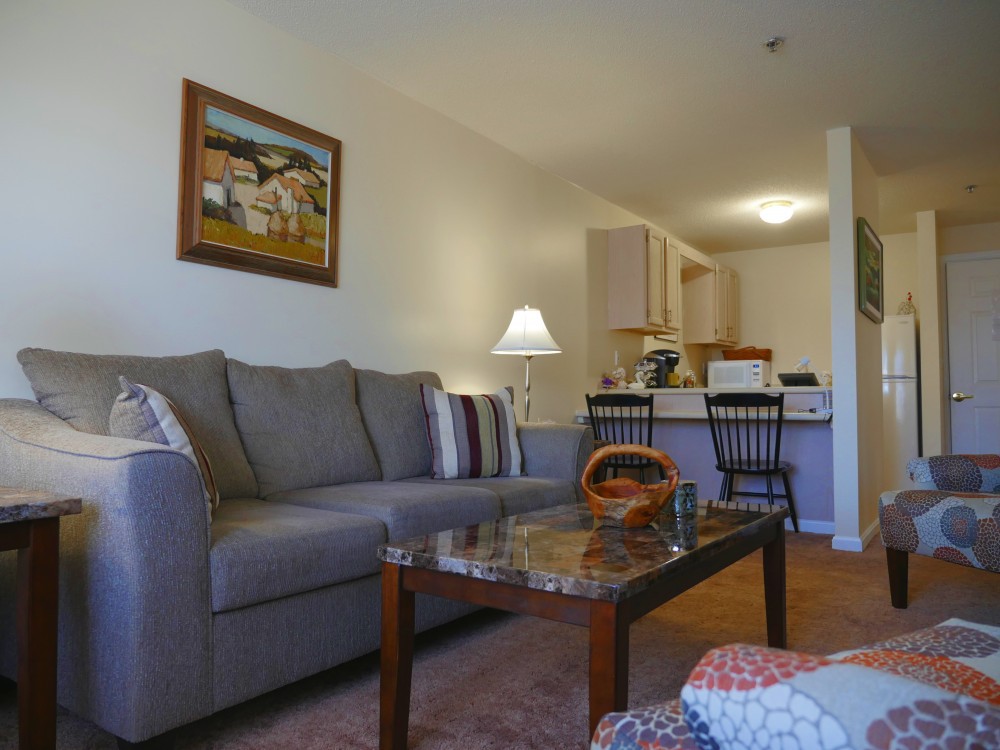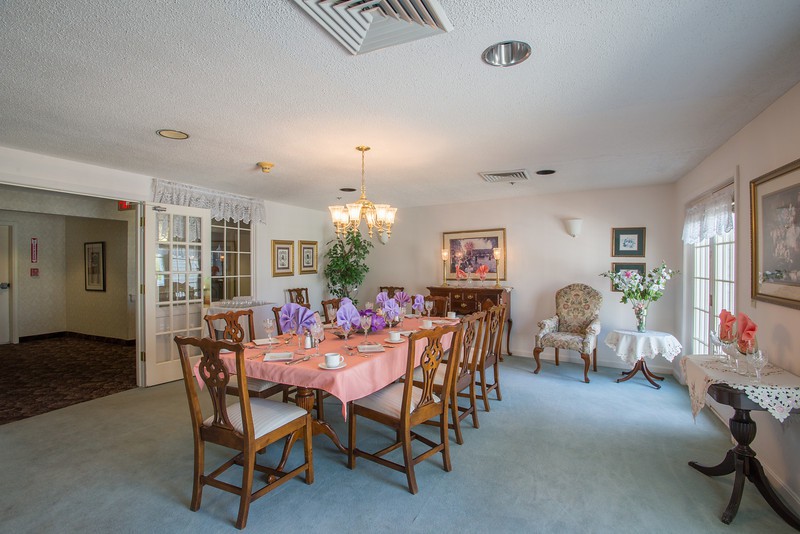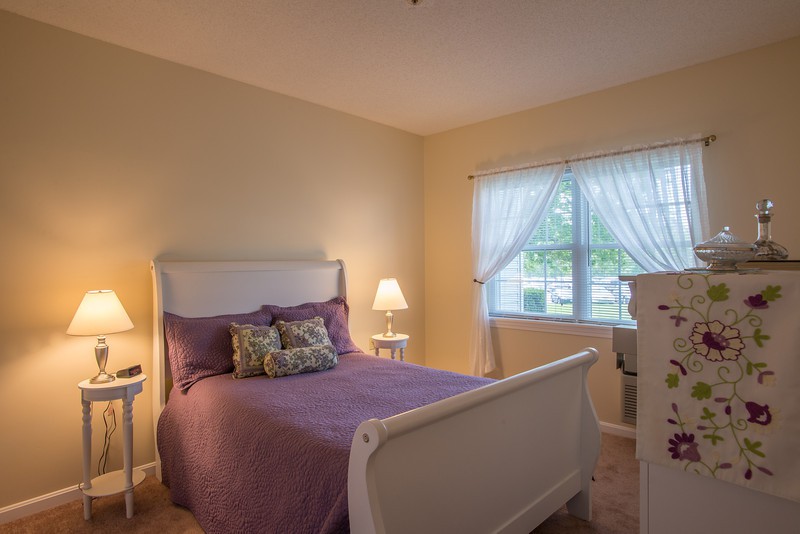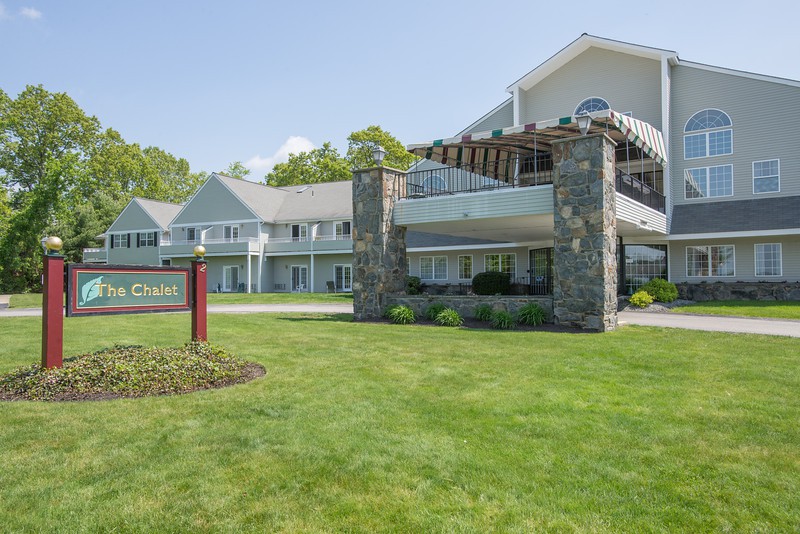


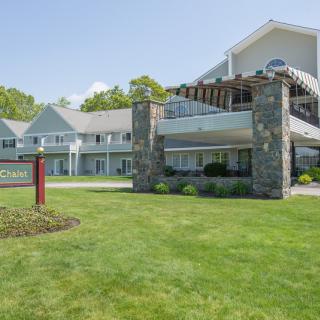
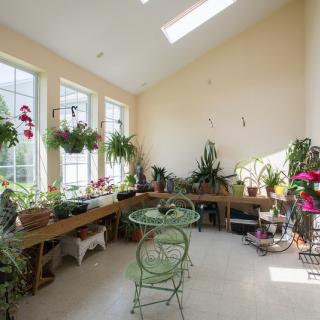

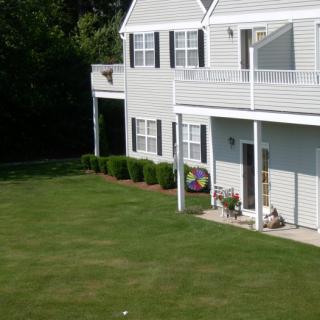
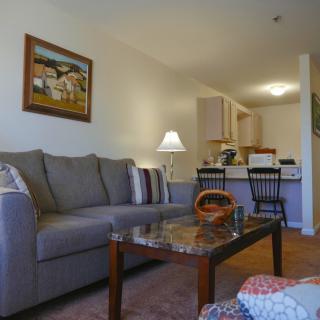
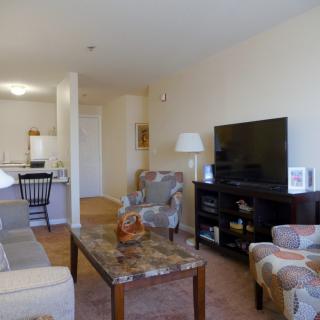
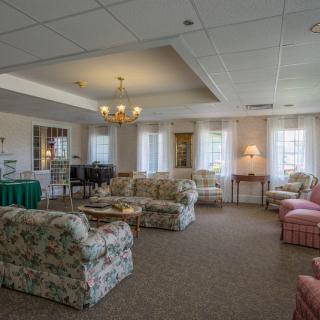
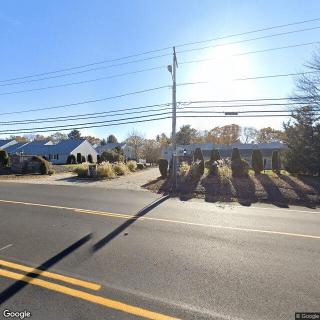
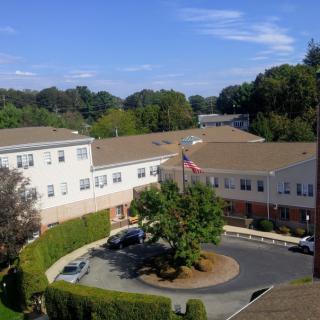
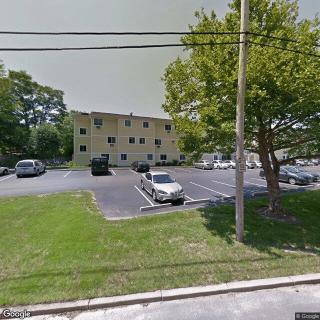
715 Putman Pike, Greenville, RI 02828
For more information about senior living options: (866) 208-4318
Overall Review of Village At Waterman Lake-Lp
Pros
 The care provided in the assisted living is excellent.
- Staff across the care team are caring and compassionate.
- The facility is immaculate, clean, and orderly.
- The Village is highly recommended and well regarded.
- Residents are happy at the Village.
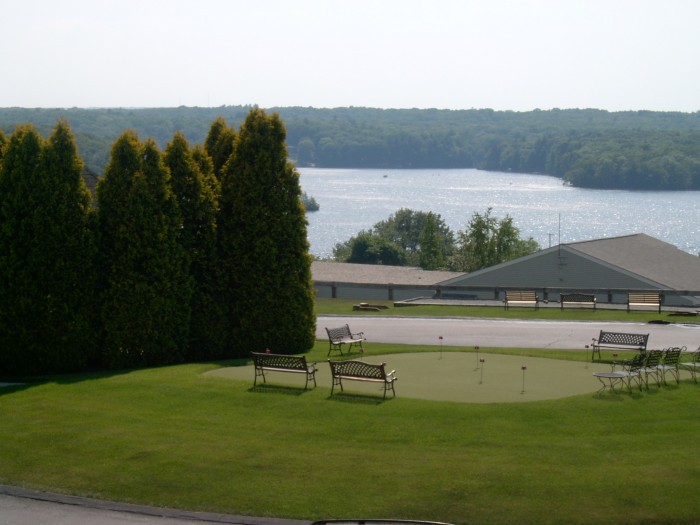
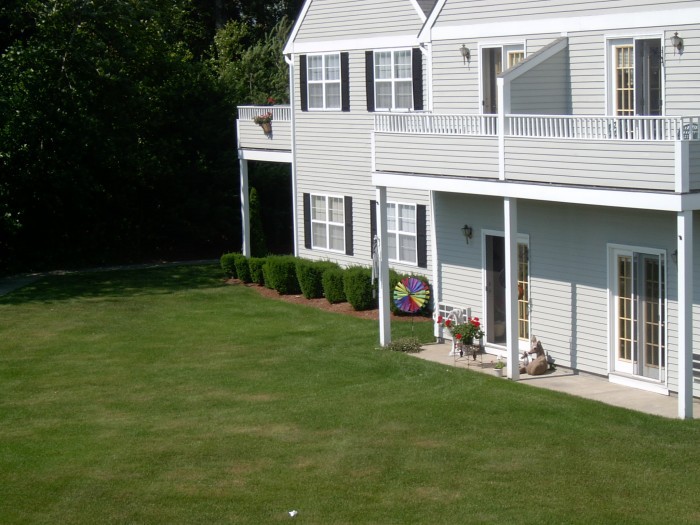
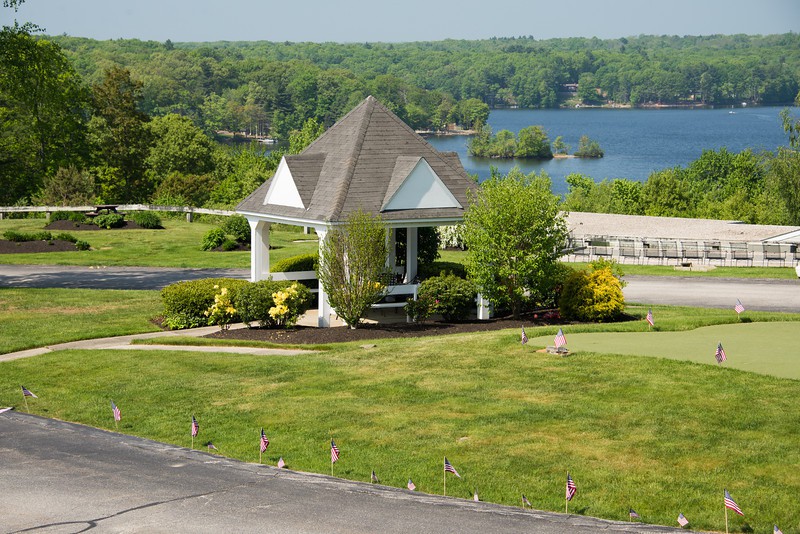
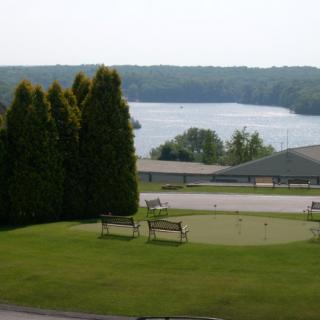
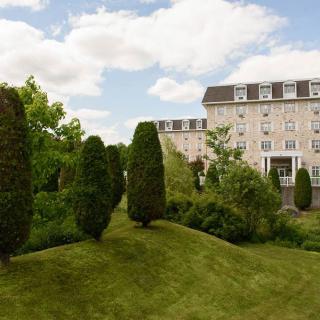
- The setting overlooks Waterman Lake and is breathtaking in every season.
- The facility and its staff go above and beyond to meet residents' needs.
- Residents are friendly and welcoming to new arrivals.
- The Village creates a warm, cheerful environment with knowledgeable staff.
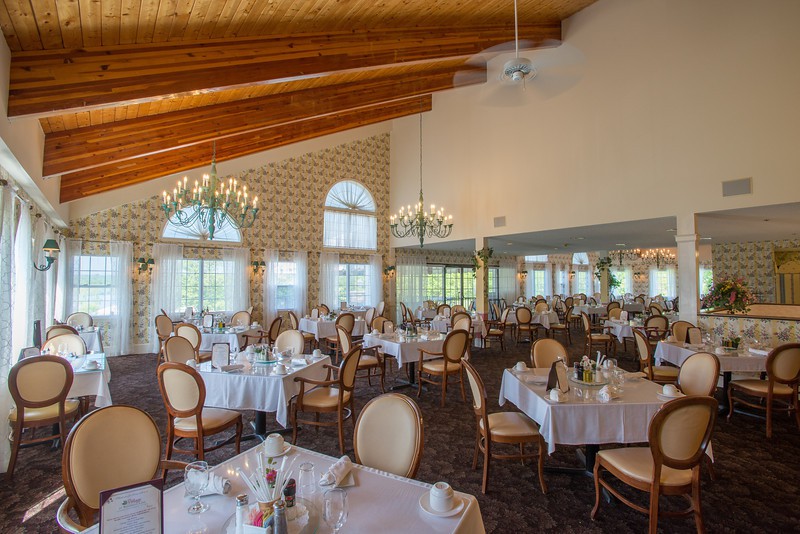
- The culinary team is outstanding and meals are superb.
- There are plenty of activities and professional physical therapy for residents.
- The atmosphere is beautiful and clean, making it a pleasant place to live.
Cons
 They were very disappointed in their parent's experience at this facility.
- They observed a lack of clear strategies to address dementia-related behaviors.
- They were unsure whether medications were administered properly.
- They felt policy communications were not handled well.
- The contract was not reviewed during a time of extreme anxiety.
- Their parent was moved to the hospital, leaving them with only four days of residence in the month.
- They could not obtain a refund of the prepaid $7,200.
- They perceived that the facility prioritized money over the well-being of elderly residents.
- They felt the staff seemed understaffed in areas of care.
Review
Village At Waterman Lake-LP is best suited for seniors who want a vibrant assisted living experience with deeply engaged staff, a warm community atmosphere, and easy access to social activities in a scenic setting. It fits families seeking closer proximity to loved ones who still need daily support but appreciate strong personal attention, clean surroundings, and a social calendar that makes aging in place feel active rather than isolating. The option remains viable for those who anticipate a transition to skilled nursing should health needs rise, with a community that can accommodate that progression without uprooting the resident.
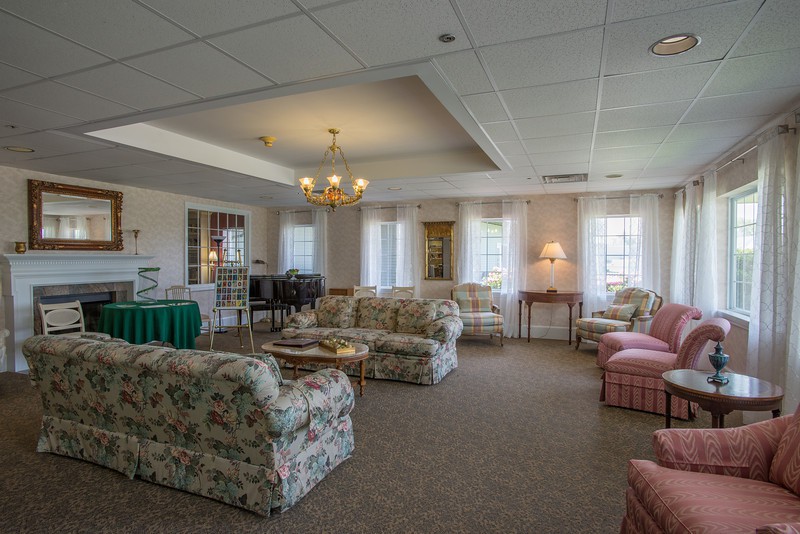
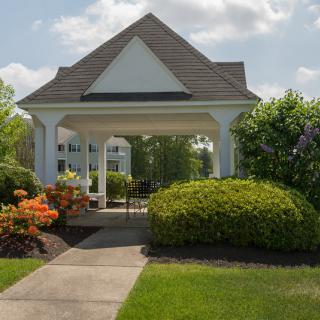
The standout strengths center on people and setting. Across the board, care teammates, from nurses to aides to housekeeping, are described as caring, compassionate, and responsive. The facility earns praise for its cleanliness and orderly operations, with reviewers repeatedly noting pristine spaces, well-maintained common areas, and a welcoming, neighborly atmosphere among residents. The culinary program receives frequent accolades, with a dining team framed as attentive and skilled, delivering meals that residents look forward to. Beyond daily living, strong rehabilitative services and a busy activities slate, ranging from physical therapy to lake outings, help residents stay engaged, contributing to stories of improved mood, mobility, and social connection.
Yet several themes warrant careful consideration. A recurring concern is staffing consistency in some care areas, with a sense that more hands-on help could translate into smoother days for residents requiring constant monitoring. A few families describe challenges around dementia-related behaviors and the timing or clarity of policy communications, especially when a loved one’s health declines or care plans shift. Financial interactions show up in a minority of reviews as well, with questions about refunds or contract specifics when a move-out or rapid transition to nursing care occurs. Taken together, these points signal a facility that delivers strong day-to-day care but benefits from ongoing attention to staffing ratios, policy transparency, and financial clarity.
However, the meaningful pros often offset these concerns in tangible, real-world ways. Stories of leadership stepping in during difficult transitions, most notably the general manager, affectionately dubbed “house mom” for her hands-on approach, underscore a culture where staff are motivated to go the extra mile. Instances where team members physically assist with moves to ensure comfort and safety illustrate a commitment to resident welfare that transcends routine duties. The hospital-to-nursing-home transitions described in some cases, and the compassionate care during end-of-life moments provided by the skilled nursing team and hospice staff, amplify the sense that the Village prioritizes dignity, warmth, and continuity of care when health status shifts.
Potential residents should consider alternatives if certain priorities loom large. Families facing pronounced dementia-care needs may want environments with more specialized memory-care programming, clearer, dementia-focused care protocols, and proven structures for behavioral challenges. Those who demand stringent financial transparency or have tight deadlines around refunds and deposits may find value in comparing contract language and refund policies at other communities. While the Village excels in atmosphere, service quality, and the human touch, it is reasonable to seek a setting with even more explicit dementia strategies and rock-solid financial terms before making a final commitment.
In the end, this community rewards families who value heartfelt caregiving paired with a beautiful, active setting. Prospective residents should plan a detailed tour with attention to staffing patterns on different shifts, ask about memory-care options, and review the contract and move-out terms in plain language. If the goal is a warm, engaging home with a capable team that can grow with changing needs, Village At Waterman Lake-LP delivers on that promise. The right fit balances exceptional day-to-day care, social vitality, and leadership-driven problem-solving, with a clear understanding of policies that matter most when health or financial circumstances shift.
 178 resident community capacity
 Assisted Living
 Air-conditioning
 Beauty salon
 Cable or satellite TV
 Computer center
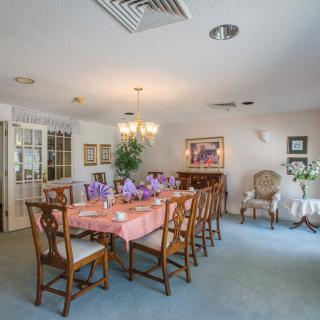
 Dining room
 Fitness room
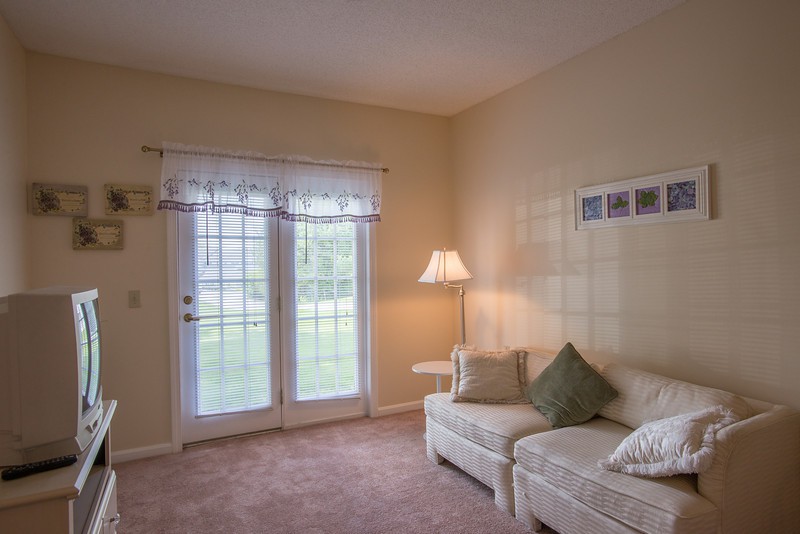
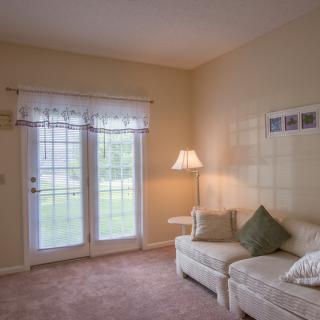
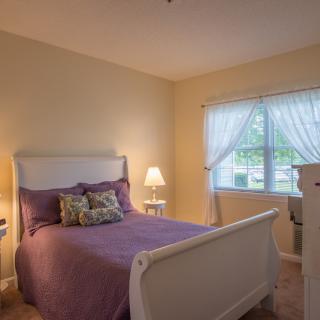
 Fully furnished
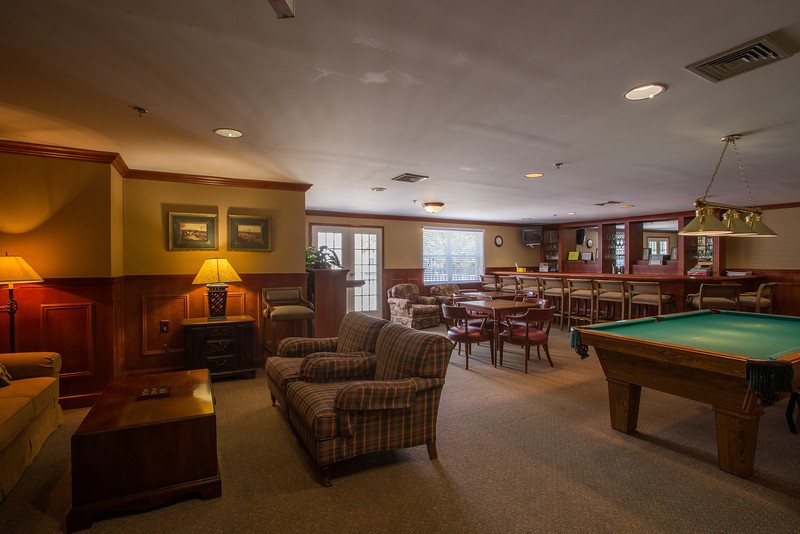
 Gaming room
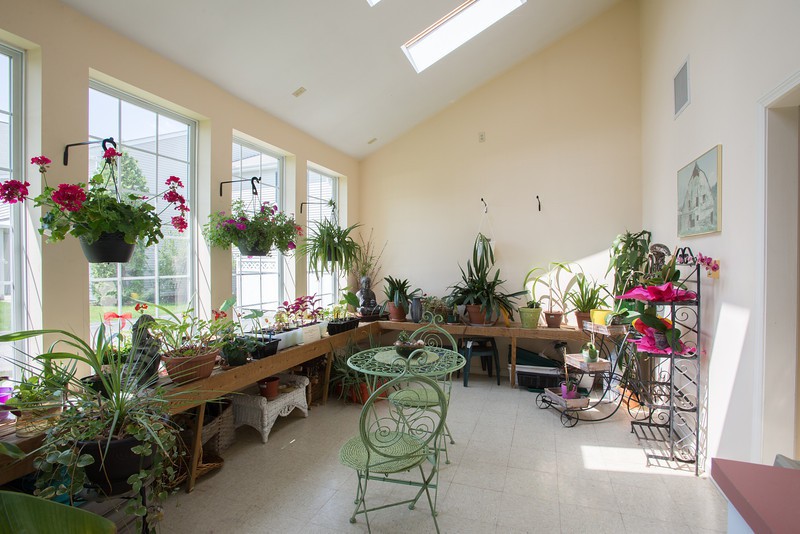
 Garden
 Housekeeping services
 Kitchenette
 Move-in coordination
 Outdoor space
 Private bathrooms
 Restaurant-style dining
 Small library
 Telephone
 Wellness center
 Wi-Fi/high-speed internet available
 Theodore F Green State (13 miles away)
 Community operated transportation
 24-hour call system
 Activities of daily living assistance
 Assistance with bathing
 Assistance with dressing
 Assistance with transfers
 Diabetes diet
 Medication management
 Special dietary restrictions
 Concierge services
 Planned day trips



 Beyond the Bingo Hall: 50+ Enriching Activities for Seniors in Assisted Living
 Understanding the Distinctions: Assisted Living and Memory Care Explained
 Guiding Elderly Parents Who Refuse Assisted Living: 6 Practical Steps