



1900 Ravine Road, Williamsport, PA 17701
For more information about senior living options: (866) 208-4318
Overall Review of Williamsport Home
Pros
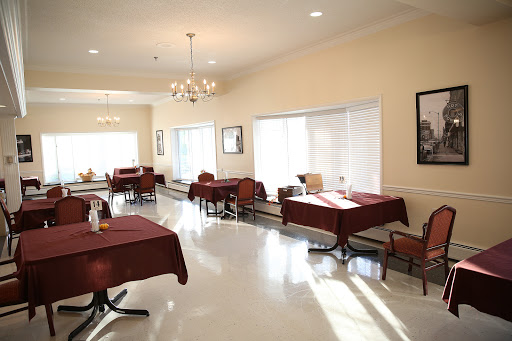
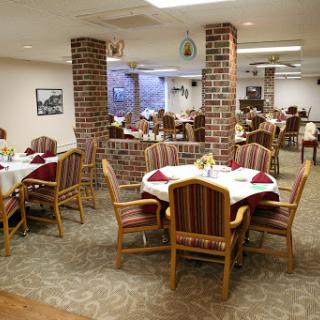
 The location is very clean and quite beautiful.
- It is a great place to work and an even better place for caring for loved ones.
- The staff are friendly and ensure families are happy and well cared for.
- It is a wonderful place to live, with wonderful people and lots to do.
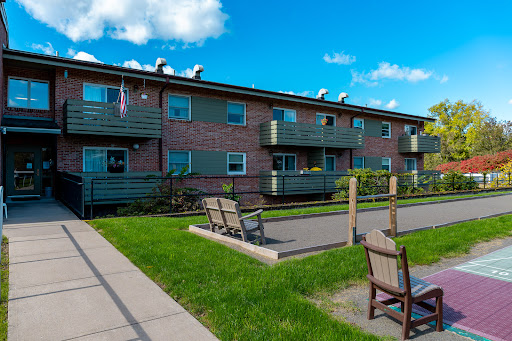
- It is an amazing place to work, and the facility is beautiful inside and out.
- The care provided is the best in Lycoming County, with excellent staff.
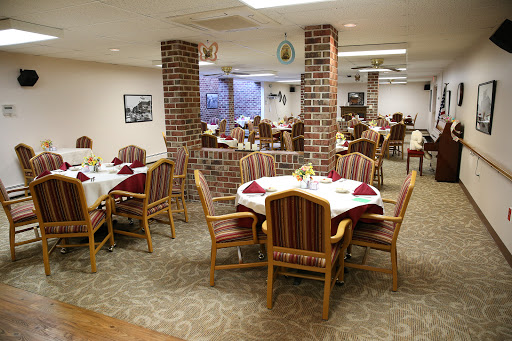
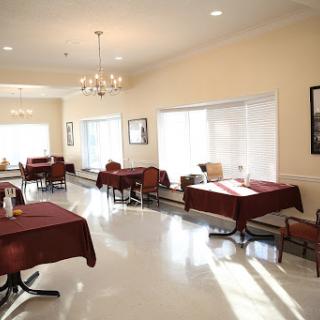
- The food is very good.
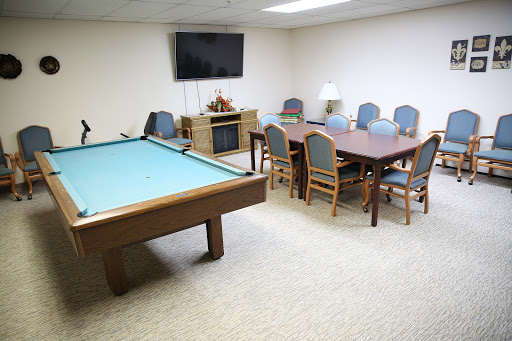
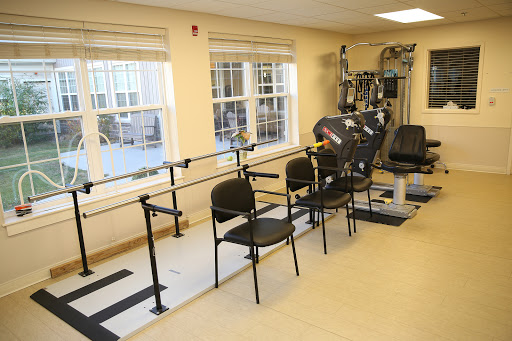
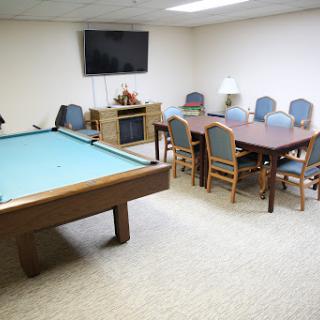
- There are exercises and a wide variety of activities such as Bible study, cards, Bingo, classes, and excursions.
Cons
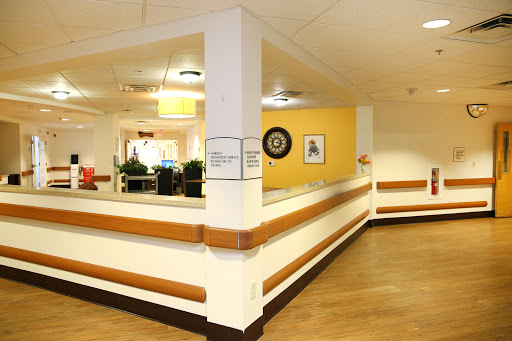
 There was nobody at the front desk and no visible reception or security late at night.
- Bell answering was often very bad.
- Some of the staff need to retire.
- They have lost their compassion.
- A resident's mother developed a very bad bed sore during her stay.
- The doctor here is disappointing, though he is dedicated.
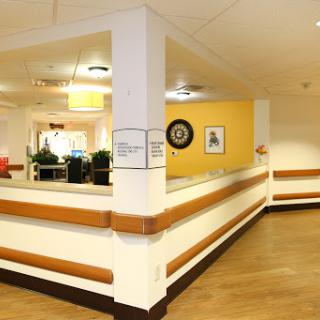
- It is quite a distance to the elevator, especially for handicapped residents.
Review
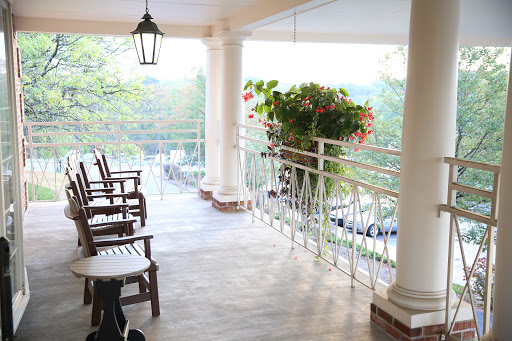
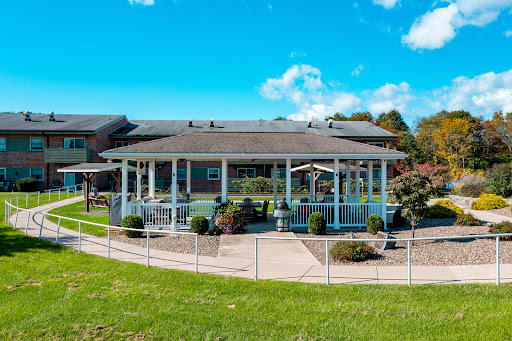
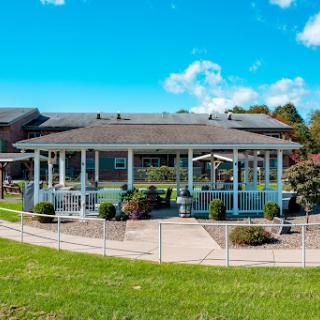
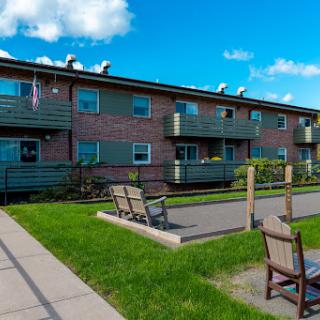
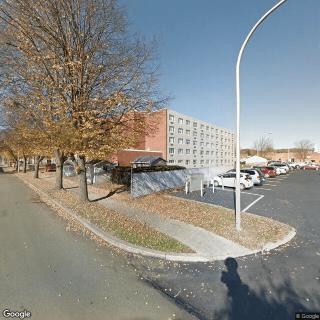
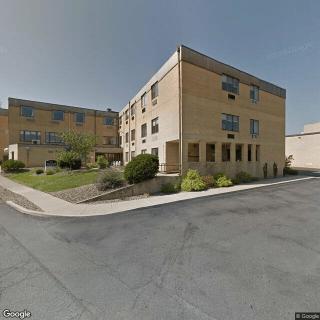
Williamsport Home is best suited for seniors who want a warm, community-driven setting with a true sense of place, especially those who have a long-standing connection to Williamsport or prefer staying in a familiar PA home base. The campus sits atop a hill, delivering clean, scenic surroundings and a sizable facility that blends the feel of an established residence with practical upgrades. It works well for residents who value an active social life, predictable routines, and a single campus for both independent living and assisted care as needs evolve. In short, it serves as a one-stop environment where families can plan around ongoing support without relocating later.
Those who should consider alternatives are individuals and families prioritizing flawless front-desk responsiveness, uniformly high bedside care across shifts, or cutting-edge medical management. Reviews flag a pattern of inconsistent staffing performance: some staff are clearly excellent, others appear closer to retirement, and there is at least one serious care lapse noted (a bed sore). For residents requiring very rapid assistance, or those who have substantial mobility constraints, the layout can be awkward, elevator distance and older building quirks can impede immediate access. If surgical precision in care delivery and the newest facility design are non-negotiable, a newer campus or a provider with a more standardized staffing model may be a better fit.
On the plus side, Williamsport Home delivers a consistently clean, quiet, and inviting milieu that many residents describe as home-like. The staff, widely perceived as friendly, often goes the extra mile to keep residents happy and well cared for, and the sense of purpose is reinforced by a robust activity calendar. Dining in the assisted living area is dependable, with three meals daily, while therapy services receive frequent praise for effectiveness. The campus supports a broad spectrum of activities, Bible study, cards, Bingo, classes, and occasional excursions, helping to maintain social bonds and cognitive engagement. Sanitation and general safety are solid, and the existence of two care levels within the same campus helps ease transitions when needs evolve.
Yet the drawbacks are real and cannot be ignored. Front-desk coverage can fail to respond promptly, producing a rough initial access experience for visitors. Call bells and response times vary by shift, underscoring the fragility of consistency in daily operations. The facility’s age means certain navigational inconveniences persist, long walks to an elevator can be burdensome for mobility-impaired residents. Staffing consistency is uneven, with some personnel delivering compassionate, capable care and others not meeting the same standard, which affects overall trust in daily care. An isolated report of a bed sore highlights the ongoing need for vigilant clinical oversight, even amid otherwise strong sanitation and programming.
These strengths and weaknesses must be weighed together because the community’s defining assets often offset the operational gaps for many families. The presence of two levels of care, combined with accessible therapy and a solid dining program, allows for preserving independence while assuring help is available. The setting, a scenic, active campus with a well-curated routine, creates social capital that reduces isolation and provides meaningful daily structure. For mobility-sensitive residents, the trade-off is tempered by knowing care is nearby on the same campus, even if some days require extra walking. Prospective residents should consider how much weight is given to the social fabric and routine versus the desire for flawless logistics and uniform clinical consistency.
Bottom line: Williamsport Home is a strong fit for seniors who prize a hospitable, active community with accessible services, particularly for those already rooted in Williamsport or seeking a familiar PA home base. Families mindful of variability in staffing, call-response reliability, and occasional care concerns will want to visit, ask direct questions about front-desk coverage, bell response times, and the care team's consistency, and verify improvements since any past issues. For others, alternatives offering newer facilities, tighter call systems, or more uniformly high bedside care may be worth considering, but only after a candid comparison of ambiance, community, and clinical consistency.
 124 resident community capacity
 Assisted Living
 Independent Living
 Memory Care
 Respite Care
 Skilled Nursing Facility
 Activities on-site
 Air-conditioning
 Beauty salon
 Cable or satellite TV
 Computer center
 Devotional services off-site
 Dining room
 Fitness room
 Fully furnished
 Gaming room
 Garden
 Housekeeping services
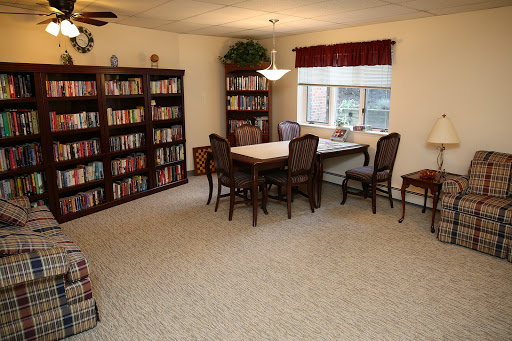
 Indoor common areas
 Kitchenette
 Move-in coordination
 Outdoor space
 Private bathrooms
 Restaurant-style dining
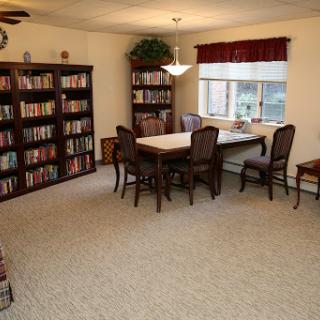
 Small library
 Telephone
 Wellness center
 Wi-Fi/high-speed internet available
 Community operated transportation
 12-16 hour nursing
 24-hour call system
 Ambulatory care
 Assistance with bathing
 Assistance with dressing
 Assistance with transfers
 Diabetes diet
 Diabetic care
 Medication management
 Mental wellness program
 Special dietary restrictions
 Concierge services
 Planned day trips


 How to Communicate with a Loved One Living with Dementia: 10 Supportive Strategies
 Comprehensive Guide to VA Nursing Homes: A Crucial Long-Term Care Resource for Veterans
 Estimating the Expenses of At-Home Dementia Care: A Detailed Exploration