Whitehall Manor presents an appealing range of monthly costs that stand out favorably when compared to both Lehigh County and the state of Pennsylvania. For instance, a studio at Whitehall Manor is priced at $1,995, significantly lower than the county average of $4,504 and the state average of $3,737. The semi-private room option is also competitively priced at $2,995, which undercuts both Lehigh County's average of $3,741 and Pennsylvania's average of $3,542. Additionally, their one-bedroom accommodations are offered at $3,495 - still more affordable than the county's rate of $4,418 and the state's average of $4,006. These pricing strategies not only enhance affordability but also reflect Whitehall Manor's commitment to providing quality living arrangements in a budget-conscious manner.
Floor plans
Whitehall Manor
Lehigh County
Pennsylvania
Studio
$1,995
$4,504
$3,737
Semi-Private
$2,995
$3,741
$3,542
1 Bedroom
$3,495
$4,418
$4,006
Memory care communities with a similar price nearby
The rent is repeatedly described as affordable for the area and care level.
Multiple families and residents describe Whitehall Manor as good value and mention affordability compared with other options they toured. Several comments connect lower cost to being able to move in sooner or make decisions quickly. A few reviewers also describe tradeoffs tied to waitlists or the overall standard of care for certain needs, so the value theme often comes with context.
common32 reviews mention this
Staff warmth and responsiveness vary
Residents and families often describe staff as caring, friendly, and easy to reach.
Across reviews, many families praise staff for being kind, personable, and supportive, including helpful administrators and caregivers who communicate with families. Several also describe the facility as clean and well kept during visits, along with staff taking care of coordination needs. At the same time, a recurring minority of reviews say updates or call-button response could be faster, which points to uneven experience rather than a consistently smooth one.
caveat12 reviews mention this
Call buttons and staffing drew complaints
Some reviews say help is slow to arrive and staffing can be inconsistent.
Some residents and family members report that answering call buttons was nonexistent or delayed, including reports of slow night-shift help and difficulty distinguishing emergencies. Others mention weekend understaffing or staffing shortages that affected daily care needs. A few reviews also raise concerns about medical coverage on-site, which becomes part of why responsiveness matters so much in their experience.
common18 reviews mention this
Meals are praised, but dietary misses appear
Food receives mixed feedback, ranging from enjoyable to bland or unhealthy.
Several reviewers say the meals are good and even single out special events or presentation, while others describe the food as disappointing, cold, salty, or lacking vegetables. Multiple comments also connect dining to dietary needs, including vegan meals and concerns about not meeting certain dietary restrictions. Reviews that mention diabetes or memory-care dietary monitoring tend to frame food and nutrition as an important part of quality of care.
caveat10 reviews mention this
Memory care is a split experience
Memory care reviews are polarized, with serious concerns alongside positive reports.
Some dementia-focused reviews warn of inadequate monitoring, poor condition, and unsafe situations, including residents being left without appropriate attention and difficulty communicating about medications. Other reviews describe the memory care unit as clean, with caring staff, good communication, and a secure setting. Because both extremes show up, families considering memory care appear to weigh responsiveness and safety most heavily.
common15 reviews mention this
Activities help residents stay engaged
Many residents enjoy scheduled activities such as bingo and outings.
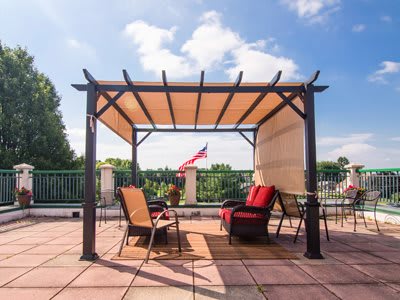
Bingo, crafts, exercise, and other scheduled activities show up repeatedly in reviews, along with mentions of parties and entertainment. Some families also describe outdoor seating and gathering spaces that support daily social time. A smaller set of comments says activities can be limited, repetitive, or less engaging in memory care, especially when residents need more individualized attention.
differentiator5 reviews mention this
Transportation and errands are built in
Residents and families describe help with appointments and non-medical transportation.
Several reviews mention being taken to doctor appointments and that the facility could handle appointment scheduling or transport without extra charges. Others describe practical support like getting hearing aids to an audiologist and coordinating needs during moves. Nearby conveniences like a local physician office and pharmacies are also within a short drive, aligning with how reviews talk about getting out for appointments.
How we summarize
Counts show how many written reviews mention each theme; a review can touch several themes, and only frequently mentioned themes are displayed.
Features
Housing
195 resident community capacity
1-bedroom apartments
Studio apartments
Types of Care
Assisted Living
Independent Living
Memory Care
Respite Care
Amenities
Activities off-site
Activities on-site
Air-conditioning
Beautician on-site
Beauty salon
Cable or satellite TV
Computer center
Devotional services on-site
Dining room
Fitness room
Full kitchen
Fully furnished
Gaming room
Garden
Housekeeping services
Indoor common areas
Kitchenette
Laundry
Move-in coordination
Outdoor common areas
Outdoor space
Private bathrooms
Respite or short term stays offered
Restaurant-style dining
Small library
Telephone
Wellness center
Wheelchair accessible showers
Wi-Fi/high-speed internet available
Transportation
Lehigh Valley International (2 miles away)
Community operated transportation
Transportation arrangement
Transportation arrangement (non-medical)
Transportation to doctors appointments
Care Services
12-16 hour nursing
24-hour call system
24-hour supervision
Activities of daily living assistance
Assistance with bathing
Assistance with dressing
Assistance with transfers
Diabetes diet
Diabetic care
Incontinence care
Meal preparation and service
Medication management
Mental wellness program
Mild cognitive impairment
Special dietary restrictions
Specialized memory care programming
Dining
Diabetes diet
Gluten-free
Guest meals
Low / no sodium
Meals provided
No Sugar
Restaurant style dining
Special dietary restrictions
Special dining programs
Vegan
Vegetarian
Activities
Activities off-site
Activities on-site
BBQs or picnics
Birthday parties
Community-sponsored activities
Concierge services
Devotional activities on-site
Fitness programs
Happy hour
Holiday parties
Live dance or theater performances
Live musical performances
Planned day trips
Resident-run activities
Scheduled daily activities
Languages Spoken
English
Nearby Places of Interest
This part of Whitehall, Pennsylvania, offers a variety of healthcare options including physicians' offices and hospitals within a close proximity to each other. With Manor Family Medicine, Allen Town Ear Nose & Throat, and Lehigh Valley Hospital nearby, seniors can easily access medical care when needed. In terms of amenities, there are several pharmacies for convenient prescription pick-ups such as CVS Pharmacy and Rite Aid. Restaurants like Olive Garden and Golden Corral provide dining options for those looking to enjoy a meal out, while cafes like Panera Bread offer a more relaxed atmosphere for socializing with friends. Places of worship like Dubbs Memorial Ucc and City Limits Assembly of God cater to spiritual needs, while transportation options such as Lehigh Valley International Airport and the Trans Bridge Bus Stop make travel accessible. Overall, this area in Whitehall provides a well-rounded community with various services catering to the needs of seniors looking for comfortable living arrangements.
Physicians
Manor Family Medicine (0.1 miles)
Allen Town Ear Nose & Throat (2.2 miles)
ABC Pediatrics (2.8 miles)
Lehigh Ob-Gyn (2.8 miles)
Smita V. Deshpande, MD (2.8 miles)
Howard J Kushnick (2.8 miles)
Lehigh Valley Hosp-Radiology (2.8 miles)
Pharmacies
CVS Pharmacy (0.2 miles)
Rite Aid (0.7 miles)
Rite Aid (2.3 miles)
CVS Pharmacy (2.6 miles)
CVS Pharmacy (2.6 miles)
Walgreens (2.6 miles)
Walter's Pharmacy (2.8 miles)
Restaurants
Olive Garden (0.3 miles)
McDonald's (0.6 miles)
Golden Corral (0.7 miles)
Shake Shack (0.9 miles)
Chick-Fil-A (1 miles)
Burger King (1 miles)
Popeyes Louisiana Kitchen (1.3 miles)
Cafes
Panera Bread (1 miles)
Starbucks (4.9 miles)
Places of Worship
Dubbs Memorial Ucc (2 miles)
City Limits Assembly of God (2.2 miles)
Christ Lutheran Church (2.8 miles)
St Peter's Preschool (2.9 miles)
St Thomas More Catholic Church (4.8 miles)
Transportation
Lehigh Valley International Airport (ABE) (2.3 miles)
Trans Bridge Bus Stop - Lehigh Valley International Airport (2.4 miles)
Hospitals
Diagnostic Care Center (2.8 miles)
Lehigh Valley Hospital (2.8 miles)
St Luke's Radiology/X-Ray-Allentown Campus (3.2 miles)
St Luke's Hospital (3.2 miles)
Singh Sandeep MD - Good Shepherd Rehab Hospital (3.3 miles)
Muhlenberg Hospital Center (3.6 miles)
St Lukes Hospital Human Resources Department (4.9 miles)
Whitehall Manor presents an appealing range of monthly costs that stand out favorably when compared to both Lehigh County and the state of Pennsylvania. For instance, a studio at Whitehall Manor is priced at $1,995, significantly lower than the county average of $4,504 and the state average of $3,737. The semi-private room option is also competitively priced at $2,995, which undercuts both Lehigh County's average of $3,741 and Pennsylvania's average of $3,542. Additionally, their one-bedroom accommodations are offered at $3,495 - still more affordable than the county's rate of $4,418 and the state's average of $4,006. These pricing strategies not only enhance affordability but also reflect Whitehall Manor's commitment to providing quality living arrangements in a budget-conscious manner.
Whitehall Manor's array of features is designed to enhance the quality of life for residents experiencing dementia or Alzheimer's disease by addressing both their physical and emotional needs. The 24-hour supervision ensures that trained staff are always available to provide immediate support, enhancing safety and comfort. Assistance with activities of daily living, such as bathing, dressing, and transfers, helps maintain dignity while promoting independence. Incontinence care further alleviates distress and embarrassment, allowing residents to feel at ease in their environment. Meal preparation and service cater to specific dietary needs, ensuring proper nutrition while also fostering social interaction during mealtimes. Medication management is crucial in keeping residents on track with their health regimen. The mental wellness program and specialized memory care programming engage residents cognitively, offering tailored activities that stimulate the mind and support emotional well-being, ultimately fostering a nurturing atmosphere conducive to the unique challenges posed by mild cognitive impairment or more advanced stages of dementia.
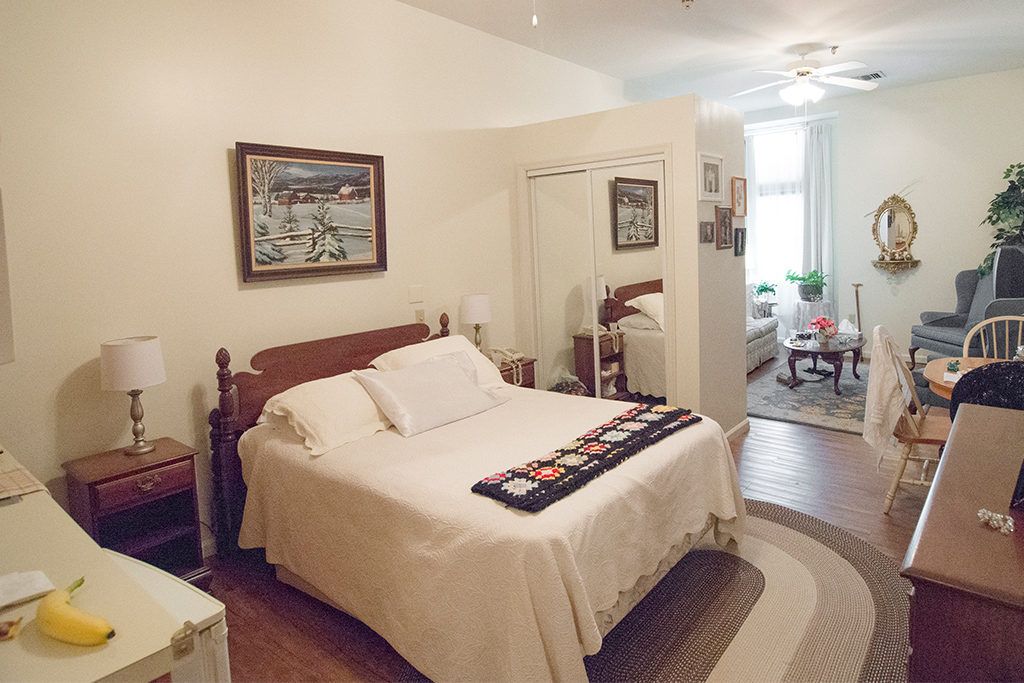
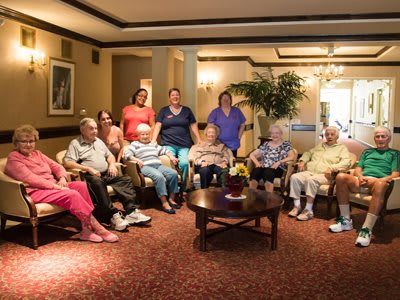
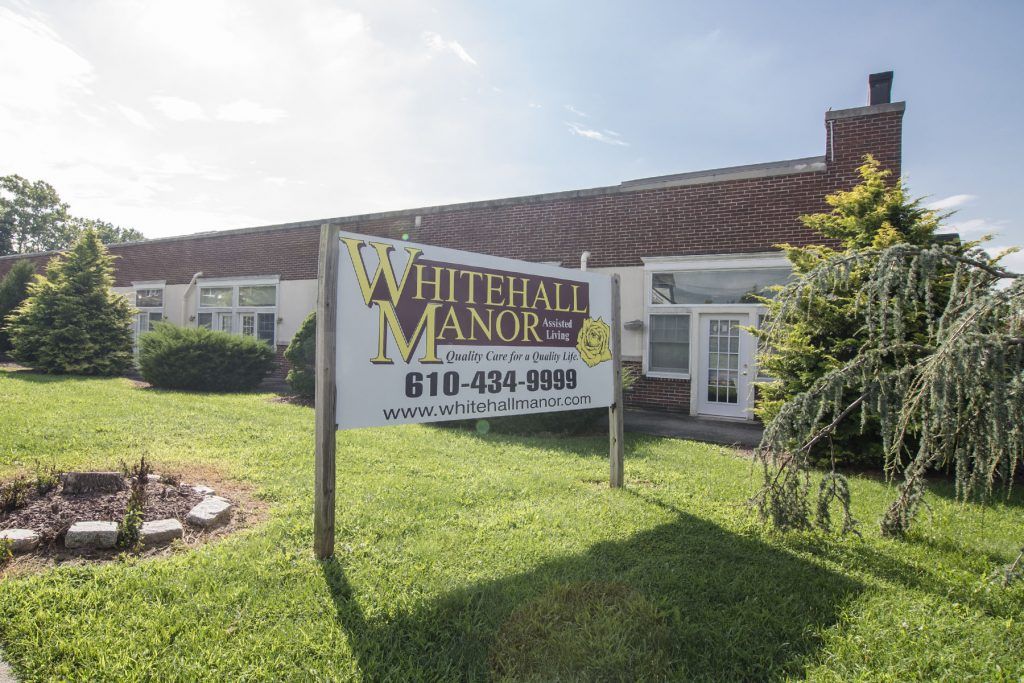
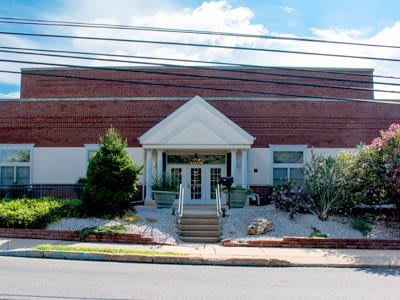
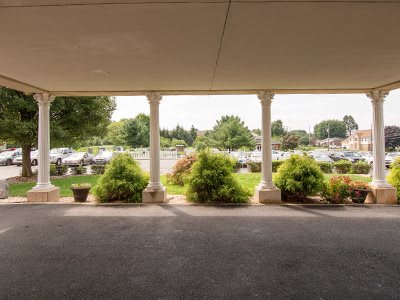
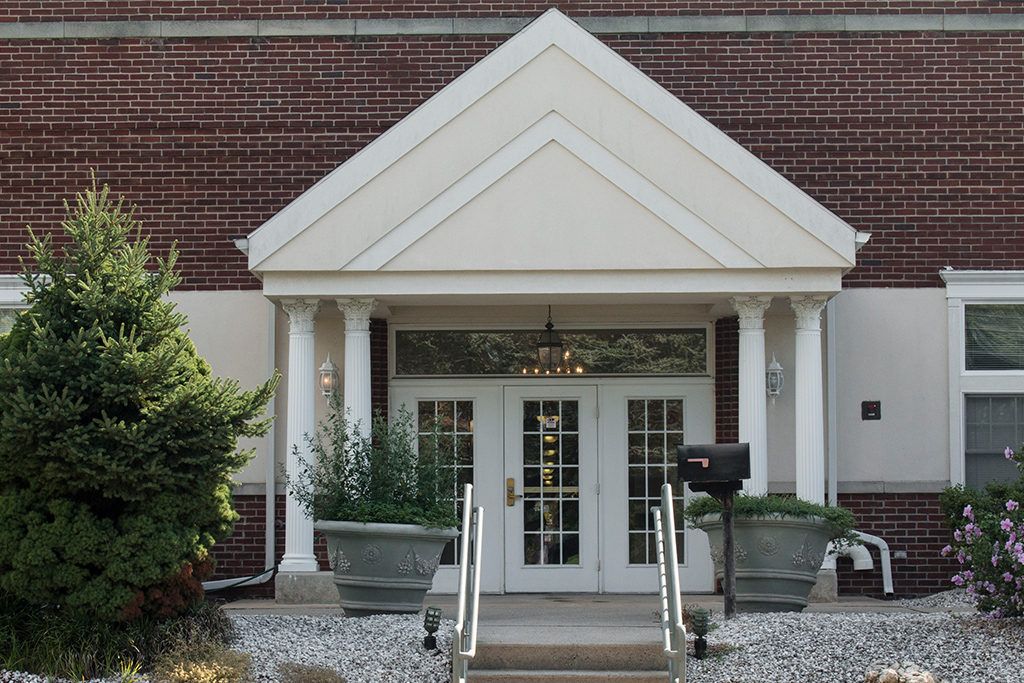
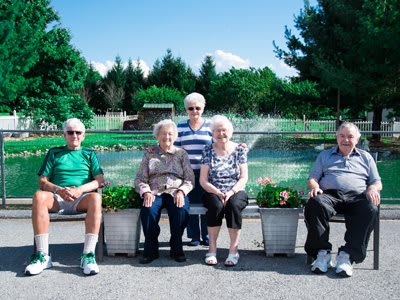
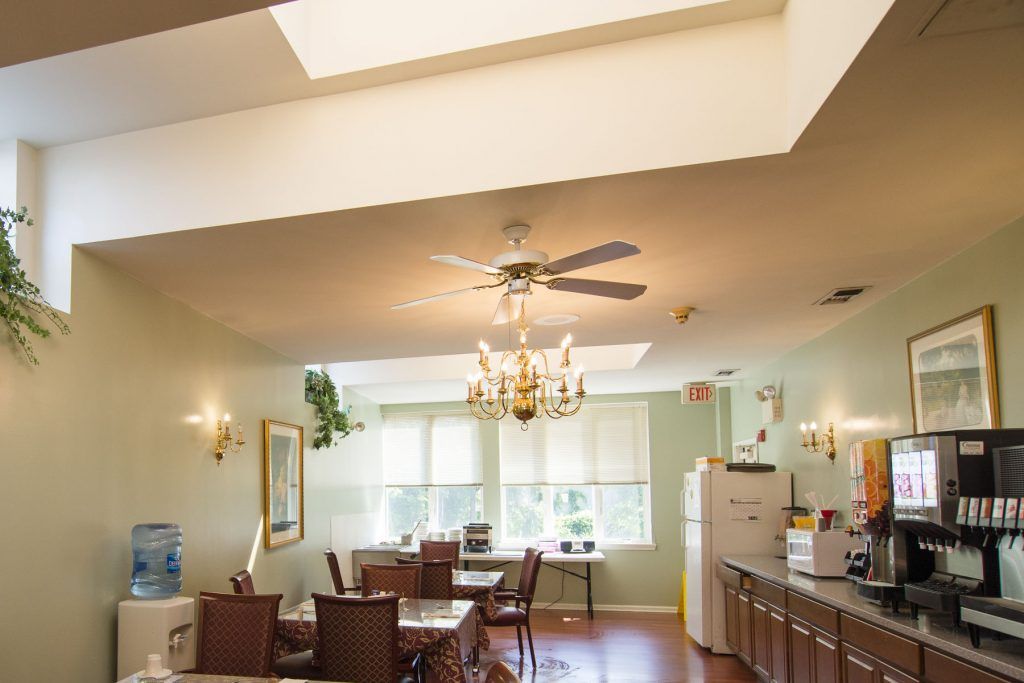
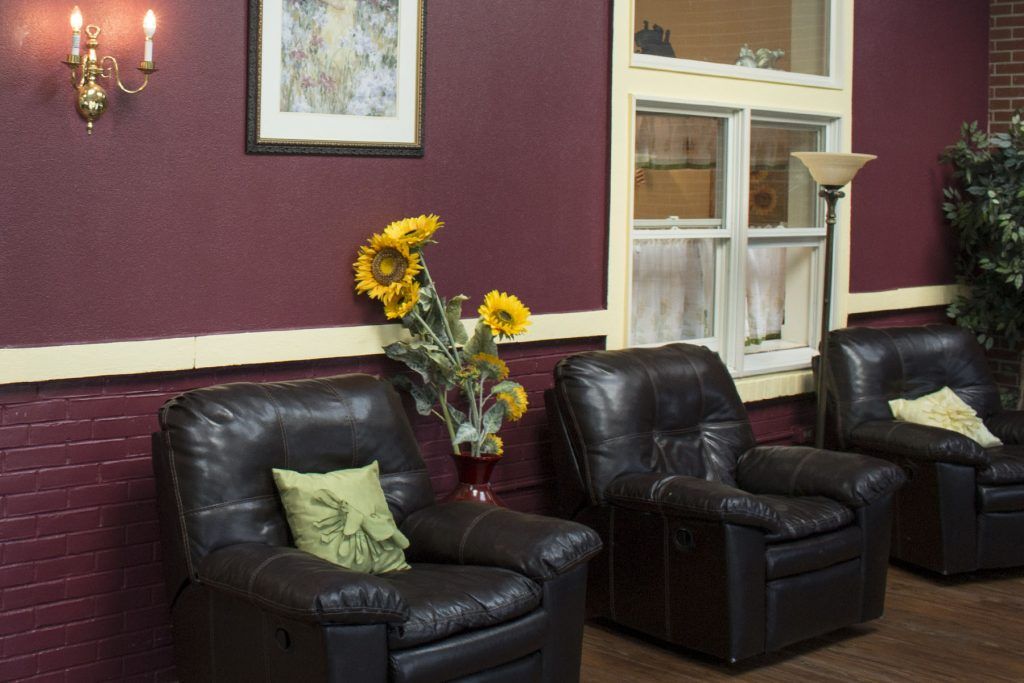
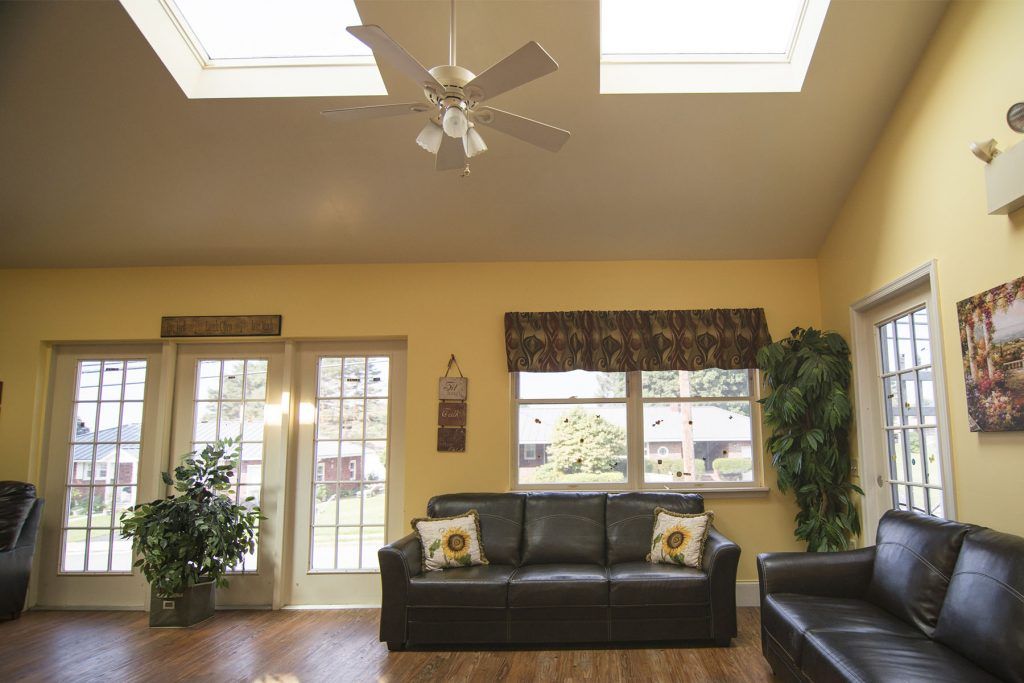
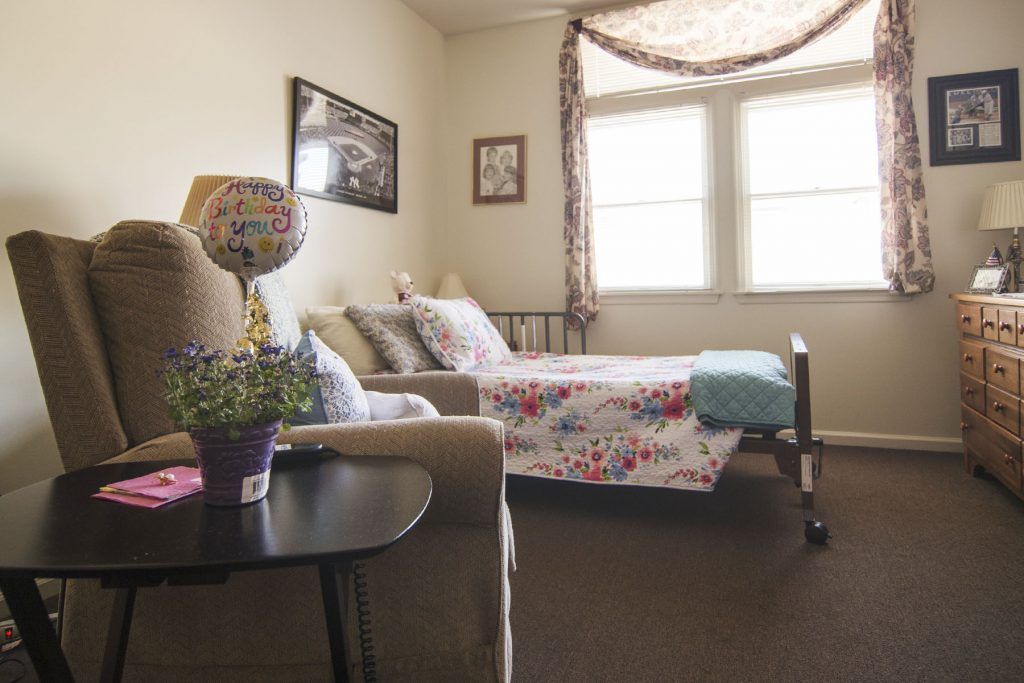
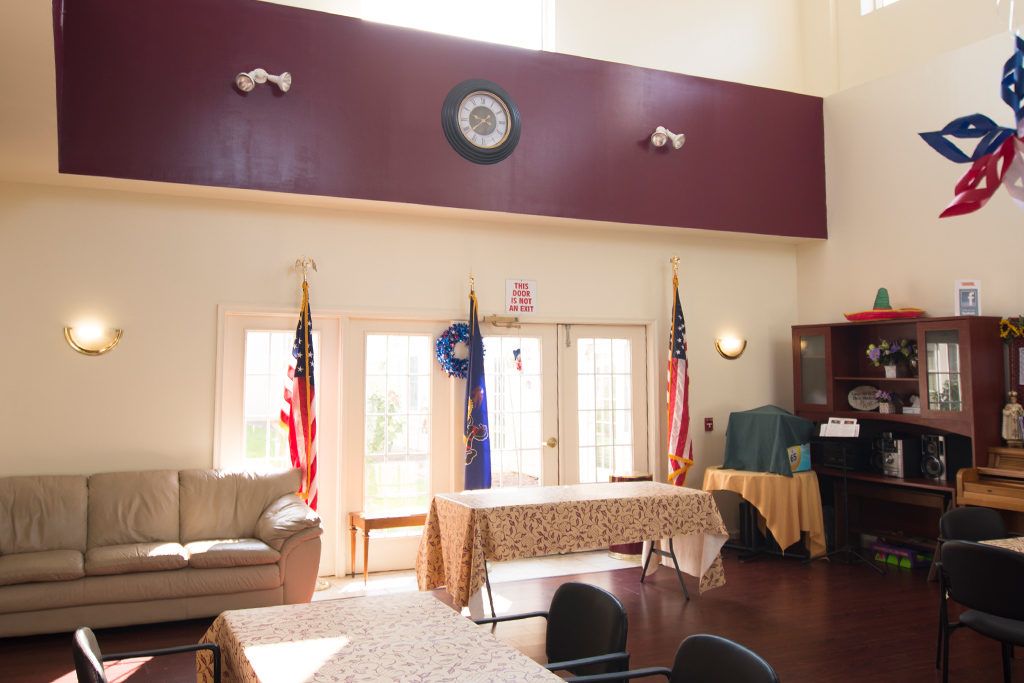
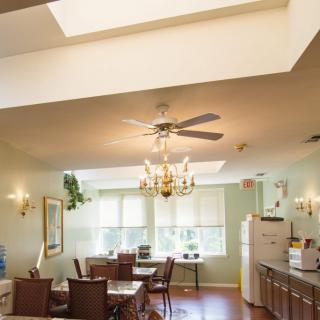
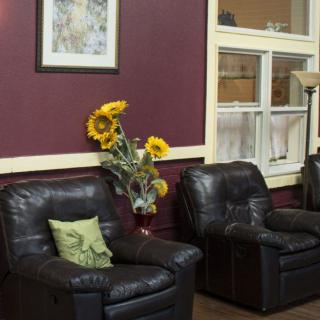
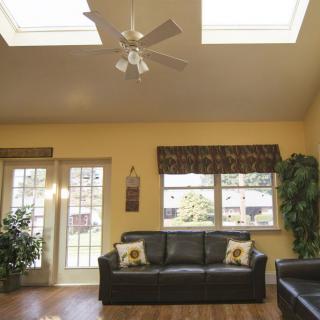
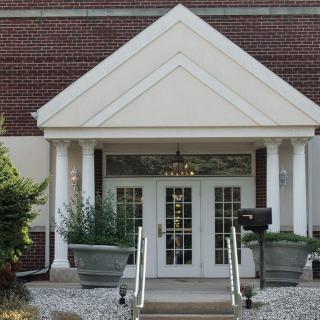
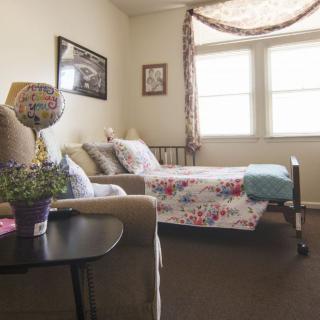
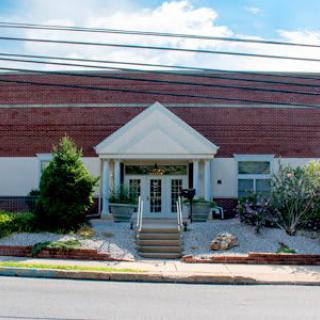
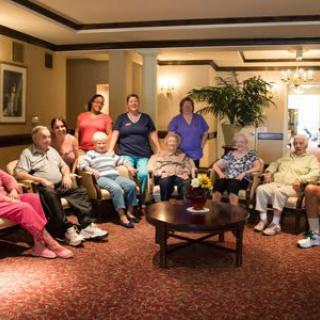
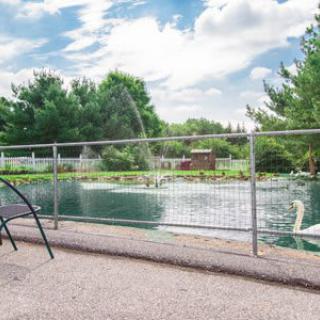
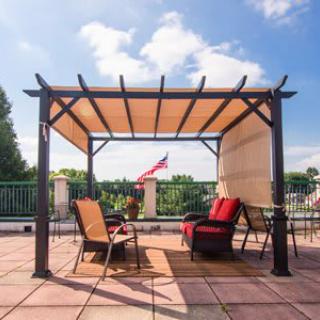
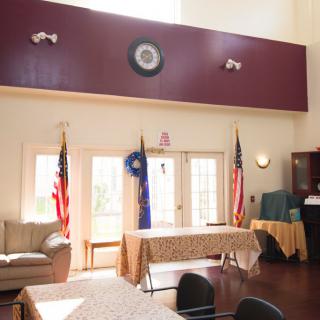
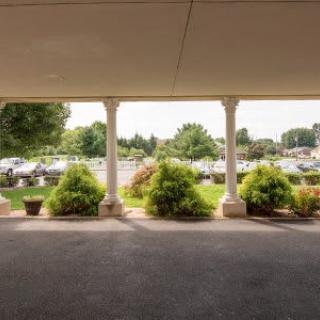
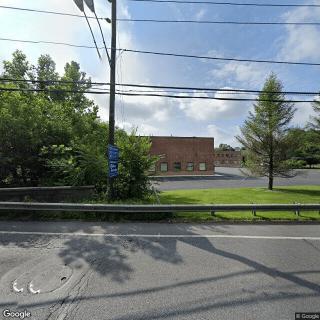
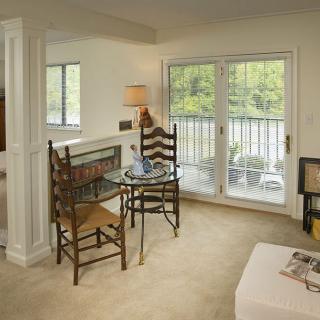
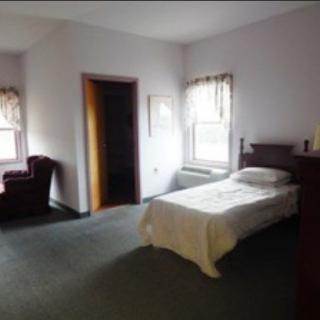
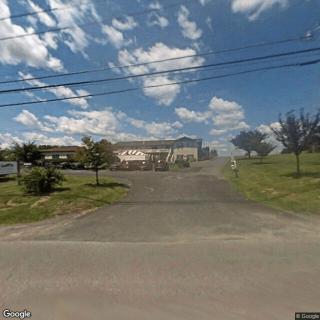
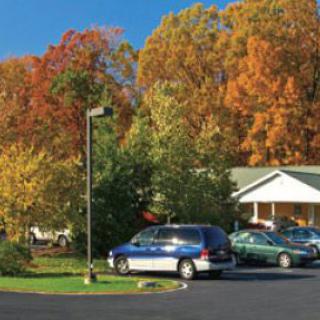
Whitehall Manor on seniors.fyi includes 23 photos including images showing interior, landscaping, decor, trees, outdoors, bedroom, building, entrance, and more.
Nearby Communities
Devon House of Catasauqua
Catasauqua, PA
4 from 2 reviews
Clean, well-maintained facility with friendly staff and a calm, relaxing environment.
Amazing Compassionate Hearts Home Care LLC
Catasauqua, PA
5 from 13 reviews
Comprehensive nearby services (healthcare, dining, transportation, worship, parks) with a compassionate staff.
CATASAUQUA MANOR
Catasauqua, PA
Personalized care with diabetic support and on-site activities.
Nursefinders of Allentown
Whitehall, PA
3.4 from 36 reviews
Prime location with easy access to dining, parks, pharmacies, physicians, and hospitals.
Home Instead - Whitehall, PA
Whitehall, PA
4 from 33 reviews
Flexible scheduling with compassionate, reliable caregivers.
Fellowship Community
Whitehall, PA
4.5 from 111 reviews
$6,150 to $7,470 / month
Caring, long-tenured staff in a well-maintained campus with engaging activities.
Casa Guadalupe Center
Allentown, PA
4.3 from 108 reviews
Great access to healthcare, dining, and transportation.
Episcopal House
Allentown, PA
3.5 from 31 reviews
Opportunity for improved management responsiveness and proactive maintenance.
Riverton Enhanced Senior Living
Allentown, PA
4.6 from 66 reviews
$4,400 to $5,100 / month
Friendly staff, engaging daily activities, and a clean, hotel-like environment.
Dementia leads to cognitive impairment and can cause emotional and behavioral changes, including aggression that arises from frustration, confusion, or fear. Effective coping strategies for caregivers include understanding dementia's nature, recognizing triggers, using empathetic communication, and employing non-pharmacological interventions like music and art therapy.
Dementia causes cognitive decline and challenging behaviors that caregivers must manage, necessitating an understanding of the neurological basis of these issues. Effective strategies and self-care for caregivers can enhance support for those with dementia and improve their daily lives.
The content outlines five key early indicators of dementia, including significant memory loss and confusion about time and place, while emphasizing the need for professional evaluation and emotional support for both individuals showing symptoms and their caregivers. It encourages family members to monitor these signs closely and use online quizzes for initial awareness.
Get PricingAsk A QuestionSchedule A TourContact Senior Advisor
By clicking submit, you agree to our Partner's Terms of Use. You
also consent to receive calls and texts, which may be autodialed, from our Partner. Your consent is not a condition to
using our Partner's service. Please visit our Partner's Privacy Policy for information about their privacy practices.




 195 resident community capacity
 1-bedroom apartments
 Assisted Living
 Independent Living
 Memory Care
 Respite Care
 Activities off-site
 Air-conditioning
 Beautician on-site
 Cable or satellite TV
 Computer center
 Devotional services on-site
 Dining room
 Fitness room
 Full kitchen
 Fully furnished
 Gaming room
 Garden
 Housekeeping services
 Indoor common areas
 Laundry
 Move-in coordination
 Outdoor common areas
 Private bathrooms
 Restaurant-style dining
 Small library
 Telephone
 Wellness center
 Wheelchair accessible showers
 Wi-Fi/high-speed internet available
 Lehigh Valley International (2 miles away)
 Community operated transportation
 12-16 hour nursing
 24-hour call system
 Assistance with bathing
 Assistance with dressing
 Assistance with transfers
 Diabetes diet
 Diabetic care
 Incontinence care
 Medication management
 Mental wellness program
 Special dietary restrictions
 BBQs or picnics
 Birthday parties
 Concierge services
 Happy hour
 Live dance or theater performances
 Live musical performances
 Planned day trips
 English
 Clean, well-maintained facility with friendly staff and a calm, relaxing environment.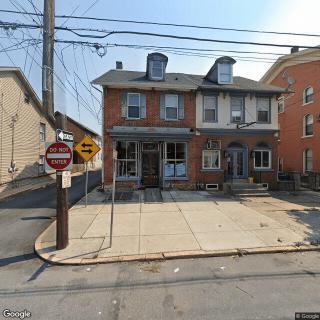
 When Dementia Sparks Anger and Aggression: Understanding the Connection and Ways to Cope
 Dementia Behaviors: In-Depth Understanding and Effective Coping Strategies
 5 Early Indicators of Dementia and What You Can Do