
Rose View Drive, West Grove, PA 19390
For more information about senior living options: (866) 208-4318
Overall Review of The Village of Rose View
Pros
 Jenner’s Pond is described as a beautiful place with an awesome staff, creating a consistently pleasant environment.
- The facilities are very nice and the food is excellent.
- The physical therapy department is outstanding, with therapists delivering wonderful care.
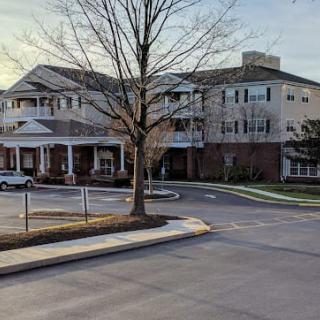
- The community is great, featuring caring staff, beautiful scenery, and easy access to a public park and the YMCA across the street.
- The cottages are comfortable with good layouts and lovely skylights, and the surrounding landscapes are nicely maintained.
- The staff are dedicated and go above and beyond for residents.
- It is viewed as an excellent retirement community with wonderful upkeep and very good food.
- The move-in process is noted to be smooth, with staff going the extra mile to assist during the transition.
Cons
 Jenner’s Pond is not honoring its contract.
- Corporate leadership is criticized for ignoring input from frontline staff.
- The facility replaced essential components with inferior products and then complained about their performance.
- Residents in memory care are reportedly left without supervision.
- There are serious allegations of neglect and abuse, including mistreatment and privacy violations.
- Refunds of entrance payments were delayed and communication about delays was inconsistent.
- The contract terms regarding refunds are vague and seem designed to withhold funds until a replacement tenant is found.
Review
The Village of Rose View is best suited for families who value a pleasant, amenity-rich setting with accessible services and a capable therapy footprint, and who are comfortable navigating complex financial terms and variable administrative responsiveness. In practice, this means residents who can tolerate a beautiful, well-maintained campus, the potential of strong rehabilitation and activity programs, and the reality that governance and contract clarity may be uneven. When the environment and programmatic offerings align, there can be meaningful benefits, but those benefits depend on steady leadership, transparent contracts, and dependable billing practices.
Those who should consider alternatives are families that prioritize airtight financial transparency and predictable, consistently high-quality care without sharp or ambiguous financial cliffs. The most prominent red flags surfaced in comparable experiences include unclear entrance-fee structures, slow or opaque refund processes, and governance gaps that leave families feeling out of the loop. When memory-care supervision is described as inconsistent or when reports surface of care lapses and communication gaps, the risk calculus grows heavier. If a resident has tight mental or physical health needs, or if the family requires clear, quickly actionable information from administration, exploring other communities with proven governance and contract clarity is prudent.
The strongest positives in this landscape tend to be tangible and ongoing: well-maintained grounds and facilities, inviting common spaces, and a therapy program that residents and families can praise when staffing is stable. Positive reviews highlight dedicated staff, helpful rehab teams, and a level of care that, in the right conditions, supports recovery and daily living with dignity. When staff turnover is low and leadership is responsive, the daily experience can feel cohesive, and residents can form meaningful routines within a supportive community. These enduring strengths offset some operational headaches, but only if administrative processes, especially billing, move-in terms, and ongoing financial disclosures, keep pace with resident needs.
However, the central concerns are hard to overlook: contracts that feel vague about refunds, entrance-fee amortization that continues long after occupancy, and money tied up in property transactions that residents cannot control. In practice, these elements translate into real, practical anxiety for families who fear delays or disputes over estate settlements, refurbishment charges, or who must chase timely refunds after a loved one’s departure. Reports of inconsistent oversight, and the haunting possibility of care lapses or privacy-related issues, reinforce the need for stringent governance, robust staff training, and a transparent, straightforward contract framework. Any community should bring these questions into the forefront of due diligence.
For decision-making, focus on a disciplined due-diligence checklist. Demand clear, written explanations of entrance-fee policies, amortization schedules, and the exact timing and conditions under which refunds are issued. Request recent audited financial statements and a sample contract that spells out ownership, re-leasing policies, and how capital improvements are charged to residents. Interview multiple staff leaders and front-line caregivers about staffing levels, turnover, and escalation protocols for safety concerns. Speak with current residents and families about responsiveness to questions, transparency in billing, and the handling of any care changes. Finally, verify licensing, memory-care supervision standards, and the existence of a formal grievance process that actually leads to timely resolutions.
In the end, The Village of Rose View presents a mix of appealing amenities and therapy potential alongside cautionary financial and governance signals. If a family can secure dependable leadership, transparent contracts, and timely, accountable communication, while still gaining access to strong rehab services and a pleasant living environment, the community can be a viable option. If, however, the priority is unwavering financial clarity and consistent, high-quality care with minimal administrative friction, it may be wise to explore alternatives first and tailor expectations accordingly. The prudent course is to insist on transparency, obtain concrete answers in writing, and verify that the day-to-day lived experience matches the promises documented in contracts and inquiries.
 6 resident community capacity
 Active Adult Communities (55+)
 Housekeeping services
 Telephone
 Wi-Fi/high-speed internet available
 New Castle County (17 miles away)
 Assistance with dressing
 Meal preparation and service
 Medication management
 Diabetes diet
 Special dietary restrictions






 Top Canine Companions for Older Adults
 Comprehensive Guide to Blood Pressure Charts for Older Adults: Understanding Normal and High Readings by Age
 Financing Long-Term Nursing Home Care Through Social Security: A Thorough Exploration