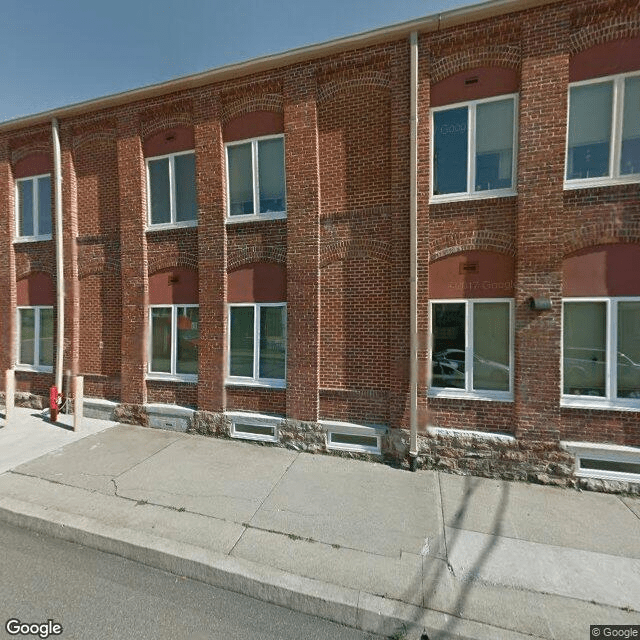
Heritage Mill Personal Care & Memory Care Residence in Tower City, PA

Save
Heritage Mill Personal Care & Memory Care Residence Heritage Mill Personal Care & Memory Care Residence Heritage Mill Personal Care & Memory Care Residence Heritage Mill Personal Care & Memory Care Residence

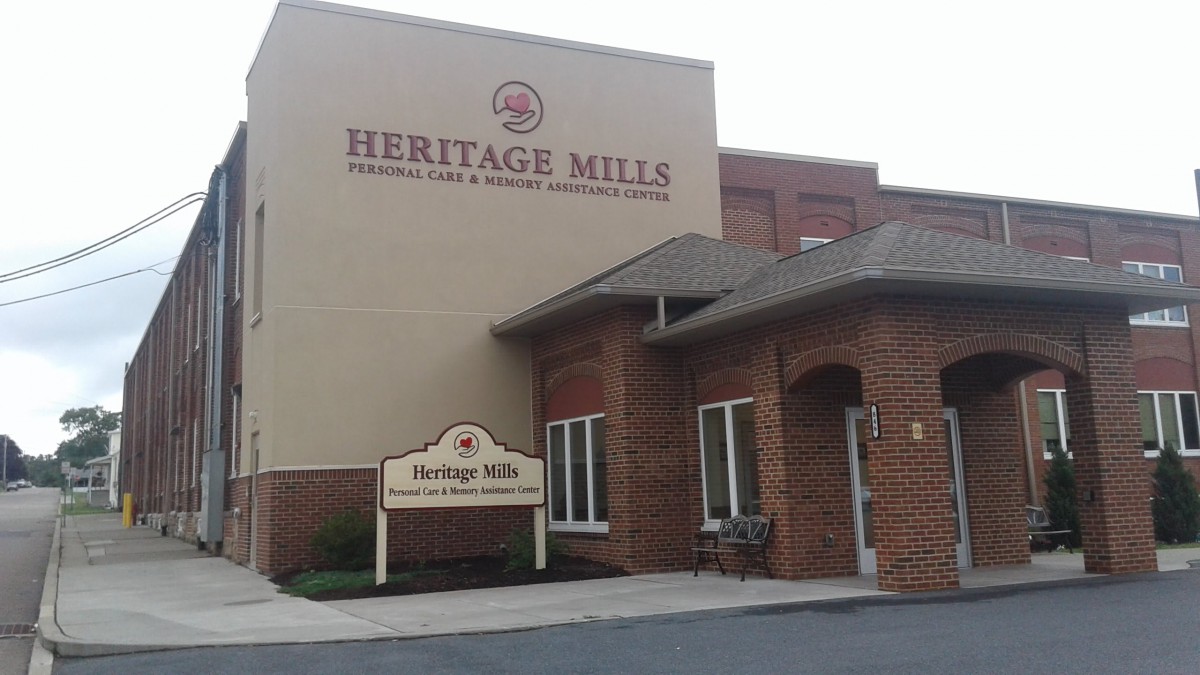
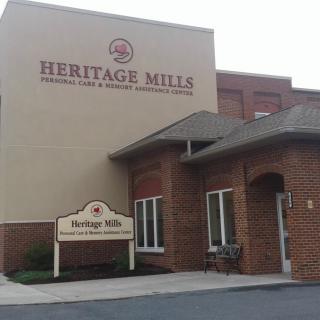
Heritage Mill Personal Care & Memory Care Residence in Tower City, PA

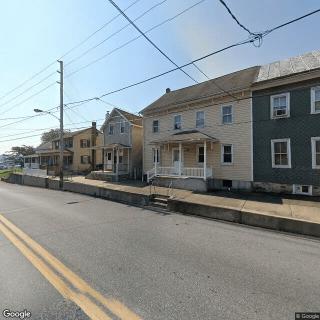
846 E Wiconisco Ave, Tower City, PA 17980

For more information about senior living options: (844) 490-3973

4.3 from 15 reviews
5 stars
11
4 stars
1
3 stars
0
2 stars
2
1 stars
1

Assisted Living Memory Care

Heritage Mill Personal Care & Memory Care Residence Costs & Pricing

Heritage Mill Personal Care & Memory Care Residence offers competitive pricing for its services compared to Schuylkill County and the broader state of Pennsylvania. For semi-private accommodations, residents can expect a monthly cost of $2,100, significantly lower than the county average of $3,934 and the state average of $3,542. Similarly, studio apartments at Heritage Mill are priced at $3,300, which is more affordable than the county's standard rate of $2,759 but slightly higher than the state average of $3,737. The one-bedroom units are priced at $4,380; this figure exceeds the county average of $3,753 yet remains in line with Pennsylvania's overall average of $4,006. Overall, Heritage Mill stands out for its attractive pricing structure that prioritizes quality care while remaining mindful of residents' financial considerations.

Floor plansHeritage Mill Personal Care & Memory Care ResidenceSchuylkill CountyPennsylvania
Semi-Private$2,100$3,934$3,542
Studio$3,300$2,759$3,737
1 Bedroom$4,380$3,753$4,006

Overall Review of Heritage Mill Personal Care & Memory Care Residence

Pros

  • pro Heritage Mills is described as very homey and conveniently located near family members' homes.
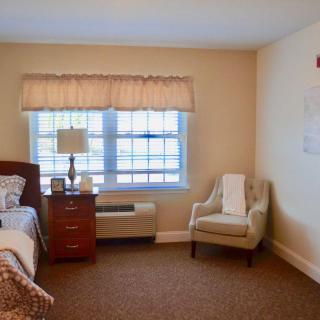
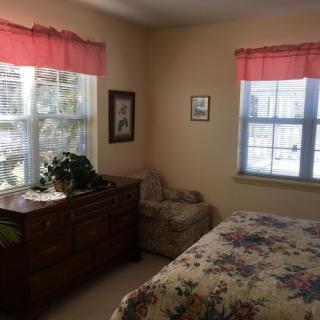
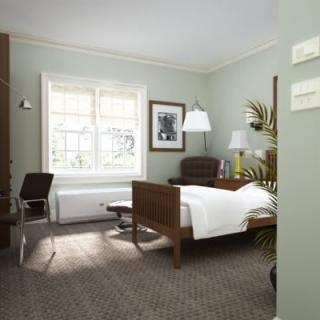
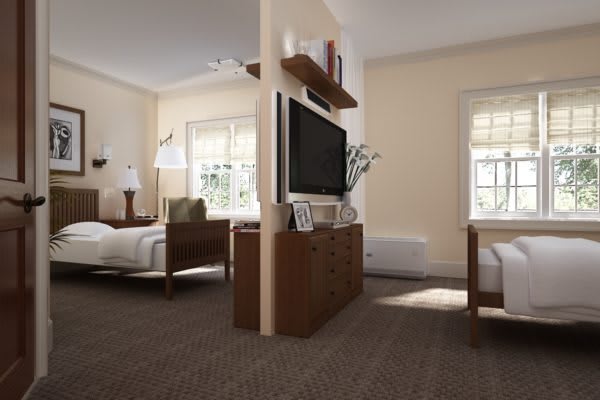
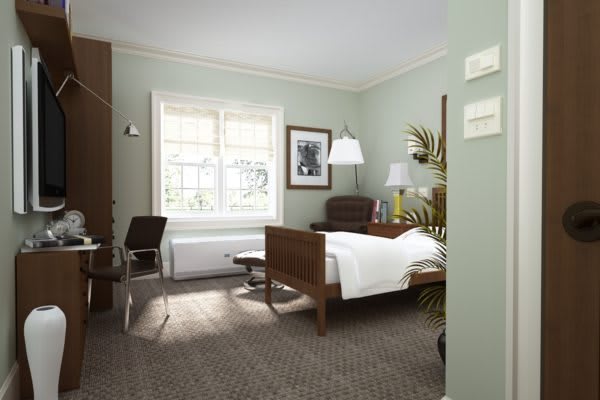
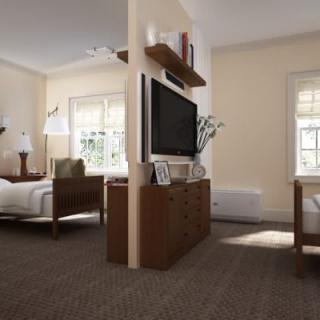
  • pro The rooms are semi-private with a view and a spacious, accessible private bathroom.
  • pro The staff are caring, attentive, and responsive to residents' needs.
  • pro There are multiple daily activities, including movies, trivia, and garden time.
  • pro The facility is clean, well-maintained, and the dining room is pleasant with good-tasting, hot meals.
  • pro The cost is considered worthwhile, including room, meals, medications, and activities.
  • pro Families feel safe, well cared for, and at peace with the care their loved ones receive.

Cons

  • pro Some staff are much friendlier than others.
  • pro Understaffing is always going to be an issue.
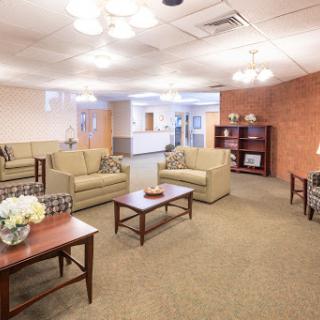
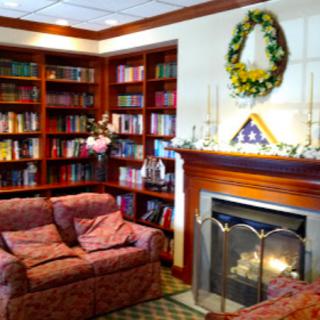
  • pro The common area is too small and residents sleep on lounge chairs, leaving little space for others.
  • pro The administration appears to lack integrity, owes an estate money, and does not respond to inquiries.
  • pro They withdrew an offer of in-home help after initially presenting themselves as a valuable resource, leaving the family with no assistance.
  • pro The rooms are small, with not much room for more than a bed and dresser, and space for a recliner or shelves is tight.
  • pro There could be more activities to engage residents and get them moving.

Review

Heritage Mills Personal Care & Memory Care Residence in Tower City, PA is best suited for families seeking an affordable, home-like environment where a loved one can receive personal care or memory support with strong daily structure. It works especially well for residents who benefit from routine, supervision, and regular engagement, and for those who value a facility that feels like a welcoming, domestic setting rather than a clinical institution. The community is a practical choice for stroke survivors or individuals living with dementia who still want to stay connected to family through frequent visits, due to its open-room layouts, accessible private bathrooms, and a dining space that encourages social meals. Proximity to home further strengthens its appeal for caregivers who need to swing by for visits or participate in care planning.

The strong points are consistently clear. The environment is clean and orderly, with a warm, homey feel that residents respond to positively. Staff members are noted for their caring nature and responsiveness; call bells are answered promptly, and supervision is frequent enough to provide reassurance for families. The semi-private rooms, each with a spacious bathroom and walk-in shower, deliver practical comfort without sacrificing affordability. Dining is described as pleasant, with good meals and hot food, while therapy and daily activities - ranging from movies to garden time - offer meaningful engagement. A sense of belonging emerges from firsthand observations of friendly interactions, and many families emphasize the value of being greeted as part of a larger, supportive community.

Where Heritage Mills truly shines is in its value proposition. At roughly $2,200 a month for a semi-private room, with room and board, medications, meals, and activities included, the cost-to-service ratio stands out against higher-priced peers. The facility's cleanliness, attentive staff, and the reassurance of a stable, family-like atmosphere help to offset some limitations that inevitably appear inSenior care settings. The memory care unit appears well-integrated, with staff who understand the needs of residents facing cognitive decline, and families repeatedly express relief at the level of safety and personalized attention their loved ones receive. For many, the combination of affordability, care quality, and the chance to participate in daily routines outweigh concerns about physical space or episodic gaps in programming.

Nonetheless, several meaningful drawbacks surface in the long view. Room size can feel cramped for residents who accumulate belongings or prefer more furniture - recliners or shelving may be difficult to fit within the footprint of a semi-private arrangement. The common areas are described as small, limiting opportunities for larger groups or spontaneous social interaction, which can matter for residents who thrive on movement and engagement. Staffing, while often excellent, is not uniformly consistent; some aides stand out for warmth and reliability while others vary in responsiveness or friendliness. And a number of observations point to administrative and ownership concerns, including reports of delayed responses to inquiries and disputes over reimbursement or billing, which understandably creates unease for families planning long-term arrangements.

These pros and cons define a practical calculus. The value, safety, and home-like atmosphere make Heritage Mills a compelling option for families prioritizing affordability, steady supervision, and regular activities - especially when family involvement remains a central component of care. The corresponding drawbacks - smaller living and social spaces, occasional variability in staff experience, and potential administrative friction - are meaningful but not insurmountable if a care plan leverages caregiver engagement and careful oversight. For many with moderate needs who can supplement programming with family visits and at-home stimulation, the positives clearly offset the drawbacks, delivering reliable day-to-day quality of life and peace of mind.

Alternatives merit serious consideration for those with higher medical acuity, a stronger emphasis on extensive rehab, or a premium on larger living spaces and fully transparent administration. Families should weigh desire for a more expansive campus with more robust activity programming against the comfort and cost savings Heritage Mills offers. Prospective residents who require highly proactive, consistently available management and a spotless record of financial handling may prefer facilities with a more proven track record in governance and resident billing; similarly, those seeking a more stimulating, varied activity calendar or larger common spaces may want to explore options with dedicated activity directors and bigger social hubs. The decision should rest on a clear picture of care level, family involvement capacity, and budget realities.

For families ready to act, practical steps lead to clarity. Schedule tours at different times to observe staff responsiveness, talk directly with front-line aides about how bells and calls are managed, and request a walkthrough of the memory care unit to assess safety protocols and engagement opportunities. Inspect rooms to gauge how furniture could be arranged and whether a recliner or shelving would fit; ask about plans to expand common areas or diversify activities, and request a detailed, written cost breakdown that clarifies what is included and what may incur extra charges. Finally, seek current input from families already navigating care transitions, and weigh Heritage Mills against alternatives that align with higher acuity needs or stronger administrative transparency. When the fit is right, Heritage Mills delivers dependable, compassionate care within a sensible budget and a welcoming, familial culture.

Features

Types of Care

  • Assisted Living Assisted LivingAssisted living facilities provide crucial support and care for seniors who may need help with daily tasks such as medication management, bathing, and meal preparation. These communities offer a safe and comfortable environment where seniors can maintain their independence while receiving the assistance they need to thrive in their golden years.
  • Memory Care Memory CareMemory care is crucial for seniors as it provides specialized support and services for individuals with dementia or Alzheimer's disease. These programs offer a safe and secure environment where residents receive personalized care, cognitive stimulation, and help with daily activities. Memory care helps seniors maintain their independence, quality of life, and dignity while also providing peace of mind for their families.

Amenities

  • Activities off-site Activities off-siteEngaging in off-site activities is crucial for seniors to maintain social connections, stay active, and stimulate their minds. It promotes overall well-being and helps combat feelings of isolation and loneliness.
  • Activities on-site Activities on-siteActivities on-site are important for seniors because they provide opportunities for socialization, mental stimulation, physical activity, and overall well-being. Engaging in activities can help seniors stay active, maintain their independence, and improve their quality of life.
  • Air-conditioning Air-conditioningAir conditioning is important for seniors as they are more vulnerable to heat-related illnesses and may have underlying health conditions that make it difficult for them to regulate their body temperature. It helps to keep them comfortable, safe, and healthy in hot weather.
  • Beautician on-site Beautician on-siteHaving a beautician on-site at a senior living community is important for seniors as it allows them to easily access grooming and personal care services, boosting their self-esteem and overall well-being. It also provides convenience and helps seniors maintain their sense of independence and personal style.
  • Devotional services on-site Devotional services on-siteDevotional services on-site provide seniors with spiritual support and a sense of community, as well as an opportunity for reflection and guidance during their senior living experience. This can promote emotional well-being and connection to others, leading to a more fulfilling and enriching lifestyle in their later years.
  • Ground floor units Ground floor unitsGround floor units are important for seniors because they provide easy accessibility, reduced risk of falls and injuries, and convenience for those with mobility issues. Seniors can avoid climbing stairs or using elevators, making daily tasks and activities more manageable and enjoyable.
  • Handicap accessible Handicap accessible"Handicap accessible" amenities are crucial for seniors to ensure they can easily navigate and access facilities, services, and activities without barriers or limitations due to physical impairments. This promotes independence, safety, and inclusivity for seniors in senior living communities.
  • Indoor common areas Indoor common areasIndoor common areas are crucial for seniors as they provide a space for socialization, recreation, and community engagement, promoting overall well-being and reducing feelings of isolation and loneliness.
  • Outdoor common areas Outdoor common areasOutdoor common areas are important for seniors as they provide a space for socialization, physical activity, and relaxation. Being outside in nature can improve mood and overall well-being, while also encouraging movement and engagement with others. These spaces can help combat feelings of isolation and promote a sense of community among residents.
  • Respite or short term stays offered Respite or short term stays offeredRespite or short term stays provide seniors with a temporary solution when their regular caregiver is unavailable, offering them the opportunity to receive additional care and support during times of need, while also giving caregivers a chance to rest and recharge.
  • Wheelchair accessible showers Wheelchair accessible showersWheelchair accessible showers are crucial for seniors as they provide a safe and independent bathing option for those with mobility challenges. These showers help prevent falls and allow seniors to maintain their dignity and autonomy while ensuring they can bathe comfortably.
  • Wi-Fi/high-speed internet available Wi-Fi/high-speed internet availableWi-Fi/high-speed internet is important for seniors to stay connected with loved ones, access online resources, and participate in virtual activities to combat feelings of loneliness and isolation. It also allows them to easily manage healthcare needs, access entertainment, and engage in lifelong learning opportunities.

Care Services

  • Ambulatory care Ambulatory care"Ambulatory care services provide essential medical support and treatment to seniors without requiring hospitalization, allowing them to maintain their independence and quality of life while managing chronic conditions or receiving routine medical care."
  • Diabetic care Diabetic careDiabetic care is crucial for seniors as they are more susceptible to developing diabetes due to aging and other health conditions. Proper management of diabetes can help prevent complications such as heart disease, vision loss, and nerve damage, improving the overall quality of life for seniors in senior living communities.
  • Incontinence care Incontinence careIncontinence care is essential for seniors to maintain their dignity, hygiene, and overall quality of life. By addressing incontinence issues promptly and effectively, seniors can enjoy a sense of independence and comfort in their daily activities.
  • Medication management Medication managementMedication management is crucial for seniors to ensure they are taking the right medications at the correct dosages and times. This helps prevent adverse drug interactions, reduces the risk of medication errors, and promotes overall health and well-being. Proactive management also allows for adjustments as needed based on changing health conditions or new prescriptions.

Dining

  • Anytime dining Anytime diningAnytime dining is important for seniors because it allows them the flexibility to eat when they are hungry, rather than being restricted to set meal times. This can be especially beneficial for those with medical conditions or medications that affect their appetite, as well as those who may have difficulty adhering to a strict dining schedule. Overall, anytime dining promotes independence and overall well-being for seniors in senior living communities.
  • Gluten-free Gluten-freeGluten-free options are important for seniors as they are more prone to digestive issues and dietary sensitivities. Offering gluten-free meal choices in senior living communities can help improve their overall health and well-being.
  • Guest meals Guest mealsGuest meals are important for seniors living in senior living communities because they provide an opportunity for socialization and companionship. Sharing a meal with friends, family, or new acquaintances can help combat feelings of loneliness and isolation, promote a sense of community, and enhance overall well-being. Additionally, guest meals allow seniors to enjoy delicious food in a comfortable setting without the hassle of cooking or cleaning up, making dining a pleasurable and stress-free experience.
  • International cuisine International cuisineInternational cuisine is important for seniors because it offers a variety of flavors, ingredients, and cultural experiences that can help keep their meals interesting and enjoyable. Trying new dishes can also stimulate the senses and provide different nutrients that contribute to overall health and well-being. Additionally, exploring international cuisine can bring back fond memories of travels or childhood experiences, making mealtime more nostalgic and fulfilling for seniors.
  • Low / no sodium Low / no sodiumLow/no sodium options are important for seniors because excessive sodium intake can lead to high blood pressure, heart disease, and other health issues commonly experienced by older adults. By choosing low/no sodium foods, seniors can better manage their health and reduce their risk of developing these conditions.
  • Meals provided Meals provided"Meals provided" are crucial for seniors in assisted living communities as it ensures they have access to nutritious, balanced meals without the stress of meal planning and preparation. This can help promote overall health and well-being for seniors who may have limited mobility or cognitive abilities.
  • No Sugar No SugarNo sugar diets are important for seniors because they can help prevent or manage chronic conditions such as diabetes, heart disease, and obesity. Sugar can also contribute to cognitive decline and inflammation in the body, so reducing sugar intake can lead to overall improved health and well-being in older adults.
  • Organic OrganicOrganic foods are important for seniors because they contain fewer chemicals and pesticides, which can be harmful to aging bodies. Additionally, organic foods often have higher nutrient levels, making them a healthier choice for maintaining overall well-being in older adults.
  • Restaurant style dining Restaurant style diningRestaurant style dining is important for seniors as it offers them a social and enjoyable dining experience, promotes healthy eating habits, and provides personalized menu options to cater to their dietary needs and preferences. This type of dining setting can enhance their overall quality of life and create a sense of community within the senior living facility.
  • Room service Room serviceRoom service is important for seniors in a senior living community because it provides convenience and allows them to have their meals delivered directly to their room. This can be especially beneficial for seniors who may have mobility issues or difficulty accessing the dining area. Room service ensures that seniors are able to receive nutritious meals without having to navigate through the facility, allowing them to maintain their independence and overall well-being.
  • Special dining programs Special dining programsSpecial dining programs are important for seniors because they provide nutritious meals tailored to their dietary needs and preferences. These programs also offer socialization opportunities, promote overall health and well-being, and can help prevent malnutrition.
  • Vegetarian VegetarianA vegetarian diet is important for seniors because it can help lower the risk of chronic diseases, maintain a healthy weight, and provide essential nutrients needed for aging bodies. Additionally, plant-based diets are often easier on digestive systems and can contribute to overall well-being in older adults.

Activities

  • Art classes Art classesArt classes are important for seniors because they provide a creative outlet, improve cognitive function, reduce stress and anxiety, promote socialization, and enhance overall well-being and quality of life.
  • Catholic services Catholic servicesCatholic services are important for seniors because they provide spiritual support, a sense of community, and opportunities for social interaction that can enhance overall well-being and quality of life in their later years.
  • Cooking classes Cooking classesCooking classes are important for seniors as they provide opportunities for social interaction, enhance cognitive skills, promote healthy eating habits, and boost confidence in the kitchen.
  • Day trips and outings Day trips and outingsDay trips and outings are important for seniors as they provide opportunities for socialization, mental stimulation, physical activity, and a break from daily routines. These experiences can enhance overall well-being and quality of life for older adults living in senior communities.
  • Devotional activities on-site Devotional activities on-siteDevotional activities on-site provide seniors with a sense of community, spiritual fulfillment, and emotional support, promoting overall well-being and a positive sense of purpose in their lives.
  • Educational speakers / life long learning Educational speakers / life long learningEducational speakers and lifelong learning opportunities are crucial for seniors as they provide mental stimulation, promote social engagement, and contribute to overall well-being. Continuous learning helps seniors stay mentally sharp, build new skills, and maintain a sense of purpose and fulfillment in their lives. It also allows them to stay connected to the world around them and fosters a sense of community within senior living facilities.
  • Happy hour Happy hourHappy hour is important for seniors as it provides a social activity that promotes camaraderie and reduces feelings of loneliness or isolation. It also offers an opportunity for older adults to relax, unwind, and enjoy some drinks or snacks in a fun and welcoming atmosphere.
  • Karaoke KaraokeKaraoke provides seniors with a fun and social activity that can boost mood, confidence, and cognitive function. It encourages social interaction, physical movement, and creative expression, making it an important form of entertainment for senior living communities.
  • Live musical performances Live musical performancesLive musical performances can provide seniors with a sense of joy, nostalgia, and connection. Music has the power to evoke emotions and memories, improve mood and cognitive function, and foster social interaction among seniors. It can also serve as a form of therapy and stress relief for older adults, making it an important activity to include in senior living communities.
  • Live well programs Live well programs"Live well programs are essential for seniors as they provide opportunities for physical activity, social engagement, and mental stimulation, ultimately promoting overall health and well-being in later years."
  • Other religious services Other religious servicesOther religious services are important for seniors as they provide a sense of community, spiritual comfort, and opportunities for socializing. These services can help seniors feel connected to their faith and maintain a sense of purpose and belonging in their later years.
  • Visiting chaplain or priest Visiting chaplain or priestHaving a visiting chaplain or priest at a senior living community is important for seniors because it provides spiritual support, comfort, and guidance during a time of life that can be challenging and uncertain. Their presence can help seniors feel connected to their faith, find peace of mind, and cope with the emotional and mental struggles they may face in their later years.
  • Wine tasting Wine tastingWine tasting can be a fun and social activity for seniors, allowing them to engage their senses, learn about different varieties of wine, and potentially meet new friends. It also offers health benefits such as improved cognitive function and reduced risk of heart disease when consumed in moderation.

Description

The Heritage Mill Personal Care & Memory Care Residence in Tower City, PA is a premier assisted living community focused on providing exceptional memory care services. Our dedicated staff is trained to support individuals with memory loss, ensuring they receive the highest level of care.

Our community offers a wide range of amenities to enhance the comfort and well-being of our residents. From indoor and outdoor common areas for socializing to air-conditioning for optimal comfort, we strive to create a warm and inviting environment. Additionally, our ground floor units and wheelchair accessible showers make it easy for residents with mobility challenges to navigate their surroundings.

We understand the importance of keeping our residents engaged and entertained. That's why we offer various activities on-site, including cooking classes, happy hour, live musical performances, and educational speakers. For those seeking spiritual fulfillment, devotional services are provided on-site along with visits from chaplains or priests.

When it comes to dining, we ensure that our residents enjoy nutritious meals tailored to their dietary needs. Our menu includes options for special diets such as gluten-free, low/no sodium, diabetic-friendly, vegetarian, organic, and no sugar options. With restaurant-style dining available as well as room service and special dining programs offered periodically, residents can savor delicious meals in a comfortable setting.

Convenience is key at Heritage Mill Personal Care & Memory Care Residence. We have two nearby pharmacies for easy access to medications and one physician in close proximity for medical care needs. Additionally, there are four restaurants located conveniently nearby for dining out options. Transportation services are also available should residents need assistance getting around the area.

Overall, our assisted living community strives to provide a supportive and enriching environment where residents can feel safe and cared for while enjoying an array of amenities and services designed specifically for their needs. At Heritage Mill Personal Care & Memory Care Residence in Tower City, PA, we prioritize the well-being and happiness of each resident in everything we do.

Nearby Places of Interest

Located in Tower City, Pennsylvania, this area offers a variety of amenities and services that cater to senior living needs. With several places of worship nearby such as S S Peter & Paul Roman Catholic Church and St John's United Methodist Church, residents can practice their faith within the community. In terms of dining options, there are restaurants like Oneals 4th St Station Pub and Traci's Place for convenient meals out. For healthcare needs, there are pharmacies like Epic Pharmacies and Tri-Valley Pharmacy, as well as physicians at Family Practice Center, PC and Integrated Medical Group PC. In case of emergencies or medical attention, Good Samaritan Health System and Geisinger Shamokin Area Community Hospital Emergency Department are available nearby. Additionally, seniors can enjoy outdoor activities at parks like Swatara State Park and Stoever's Dam Park or relax at cafes such as Swatara Coffee Company. Overall, this part of Tower City provides a supportive environment for senior residents with a range of services close by for their convenience.

Places of Worship

  • S S Peter & Paul Roman Catholic Church (0.1 miles)
  • St John's United Methodist Church (4.9 miles)
  • St Paul's United Church-Christ (8.8 miles)
  • St Pauls (8.9 miles)
  • Calvary Independent Church (10.1 miles)
  • Salem Hetzels United Ch Christ (12 miles)
  • Transfiguration of Our Lord Parish (13.9 miles)

Restaurants

  • Oneals 4th St Station Pub (0.4 miles)
  • Traci's Place (3.7 miles)
  • Uncle Jim's Tavern (3.9 miles)
  • All Stars Ice Cream (4.9 miles)
  • Gooseberry Farms Travel Plaza (7.1 miles)
  • Burger King (7.3 miles)
  • McDonald's (7.4 miles)

Transportation

  • Bendigo Airport (74N) (2 miles)
  • Fort Indiantown Gap Airfield (10.4 miles)
  • U-Haul (10.7 miles)
  • U-Haul Neighborhood Dealer (14.6 miles)
  • Geisinger Life Flight 5 (15.6 miles)
  • Grimes Airfield (16.4 miles)

Pharmacies

  • Epic Pharmacies (4.2 miles)
  • Tri-Valley Pharmacy (4.2 miles)
  • R X Shoppe (8.1 miles)
  • Tri-Valley Pharmacy (8.9 miles)
  • Weis Markets Pharmacy (13.9 miles)
  • CVS Pharmacy (14 miles)
  • Rite Aid (14 miles)

Physicians

  • Family Practice Center, PC (4.3 miles)
  • Integrated Medical Group PC (8.2 miles)
  • Family Practice Center, PC (8.4 miles)
  • Marshall-Rismiller & Associates (8.4 miles)
  • Fredericksburg Family Eyecare (11.9 miles)
  • Haggard Robert Upmc Primary Care Fredericksburg Fredericksburg (11.9 miles)
  • Jonestown Health Center (12.8 miles)

Parks

  • Swatara State Park (6.1 miles)
  • Memorial Lake State Park (11.8 miles)
  • Levitz Park (13.1 miles)
  • Pillow Carnival Grounds (14 miles)
  • Lion's Pavilion (16.1 miles)
  • Heckshersville Playground (16.8 miles)
  • Stoever's Dam Park (17.6 miles)

Cafes

  • Swatara Coffee Company (12.6 miles)
  • Dorkos Cafe (15.8 miles)

Hospitals

  • Good Samaritan Health System (12.8 miles)
  • Urology Geisinger Shampkin Hosptial (15 miles)
  • Geisinger Shamokin Area Community Hospital Emergency Department (15 miles)
  • Geisinger Health System (15 miles)
  • G-Sach (15 miles)
  • Saint Catherine Medical Center (16.9 miles)

Frequently Asked Questions

How much does it cost to live at Heritage Mill Personal Care & Memory Care Residence in Tower City, PA?
Where is Heritage Mill Personal Care & Memory Care Residence?
Does Heritage Mill Personal Care & Memory Care Residence provide care for residents with dementia or Alzheimer's disease?
What photos are available for Heritage Mill Personal Care & Memory Care Residence in Tower City, Pennsylvania?

Nearby Communities

  • Heritage Mills Personal Care Center

    Heritage Mills Personal Care Center

    Tower City, PA


    pro Memory-care focused community with rich on-site amenities and engaging programs.

  • Providence Place Of Pine Grove

    Providence Place Of Pine Grove

    Pine Grove, PA

    3.8 from 12 reviews
     

    pro Caring staff, good meals, and a clean, active community.

  • Tremont Health & Rehab Ctr

    Tremont Health & Rehab Ctr

    Tremont, PA

    3.9 from 18 reviews
     

    pro Diabetic care with on-site activities and indoor social spaces.

  • Tremont Health & Rehabilitation Center

    Tremont Health & Rehabilitation Center

    Tremont, PA

    3.9 from 20 reviews
     

    pro Clean facility with attentive staff and on-site medical support.

  • Green Valley Skilled Nursing And Rehabilitation Center

    Green Valley Skilled Nursing And Rehabilitation Center

    Pitman, PA


    pro 24/7 supervision with medication management.

  • Appelt Family Care Home

    Appelt Family Care Home

    Fredericksburg, PA


    pro Close access to healthcare and local amenities.

  • Hill Farm Estate Senior Living

    Hill Farm Estate Senior Living

    Annville, PA

    4.5 from 6 reviews
     

    pro Calm, elegant community offering both independent and assisted living with attentive staff, cozy apartments, scenic views, and a strong activities and dining program.

  • Gardens At York Terrace

    Gardens At York Terrace

    Pottsville, PA

    4.1 from 18 reviews
    $2,695 to $6,442 / month

    pro Extensive on-site amenities and comprehensive care services.

  • Luther Ridge At Seiders Hill

    Luther Ridge At Seiders Hill

    Pottsville, PA

    4.7 from 24 reviews
    $2,310 to $3,510 / month

    pro Caring staff, clean facilities, good meals and engaging activities.

Related Resources

  • sundown syndromeComprehending Evening Confusion in Dementia: Causes, Manifestations, and Support

    Sundown syndrome, or sundowning, is a phenomenon in dementia patients characterized by increased confusion and agitation during late afternoon and evening, influenced by factors like disrupted circadian rhythms and fatigue. Effective caregiver strategies include establishing routines and managing environmental light while addressing caregiver stress through support services.

  • delirium vs dementiaDelirium and Dementia: Unraveling the Key Differences

    Delirium is a rapidly onset, reversible cognitive disturbance often caused by acute medical issues, while dementia is a gradual and irreversible decline due to chronic neurodegenerative diseases. Accurate differentiation between the two is essential for appropriate treatment and management in older adults.

  • can you die from dementiaAre Dementia and Alzheimer's Disease Lethal? A Comprehensive Exploration
    Dementia, including Alzheimer’s disease, is often mischaracterized in terms of lethality as it leads to complications that can be fatal rather than being a direct cause of death; it causes a progressive decline in cognitive and physical health, making patients vulnerable to infections and other health crises. Effective management of nutrition, hydration, and communication is crucial in patient care, with palliative care becoming vital in advanced stages to enhance comfort and quality of life while caregivers play a key role amidst the challenges posed by the disease.