200 Kauffman Road, Annville, PA 17003
To contact a resident: (717) 867-5176
For more information about senior living options: (866) 208-4318
Hill Farm Estate Senior Living Costs & Pricing
At Hill Farm Estate Senior Living, residents can enjoy the benefits of a comfortable one-bedroom apartment at a competitive monthly rate of $2,800. This cost stands in stark contrast to the average rates in Lebanon County, which are approximately $3,343, and even more significantly below the statewide average in Pennsylvania of around $4,006. By choosing Hill Farm Estate, seniors not only gain access to quality living arrangements but also enjoy substantial savings compared to both county and state averages. This makes it an attractive option for those seeking affordability without compromising on care and community.
| Floor plans | Hill Farm Estate Senior Living | Lebanon County | Pennsylvania |
|---|---|---|---|
| 1 Bedroom | $2,800 | $3,343 | $4,006 |
Overall Review of Hill Farm Estate Senior Living
Pros
 Hill Farm Estates provides a calm, quiet atmosphere for residents.
- The staff at Hill Farm Estates is great and attentive.
- It offers a meal plan delivering breakfast, lunch, and dinner.
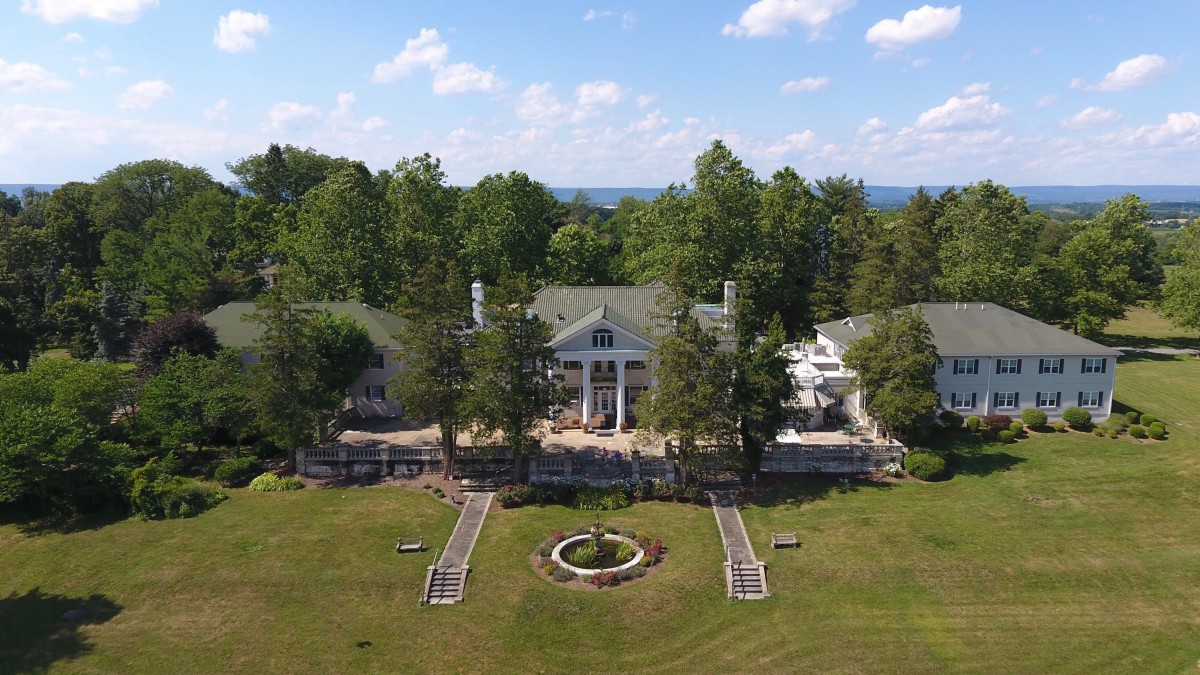
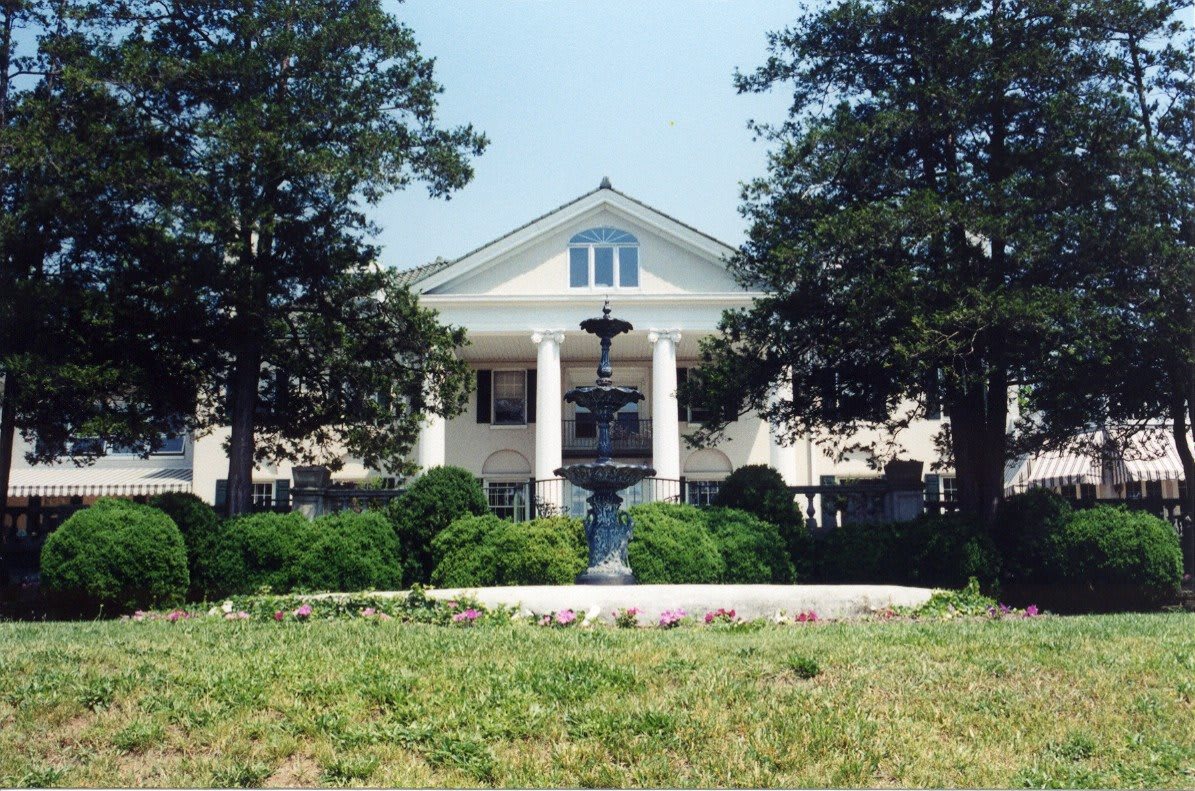
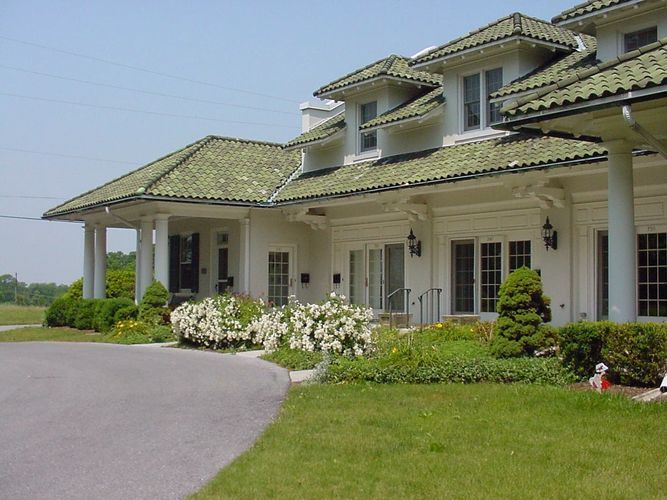
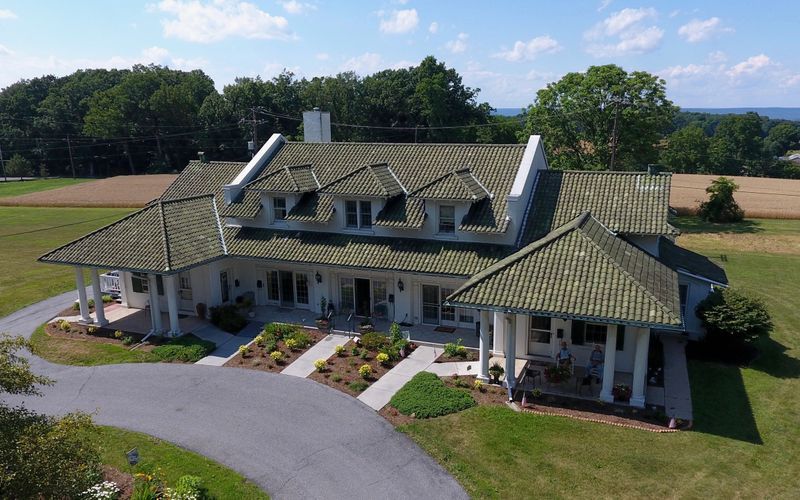
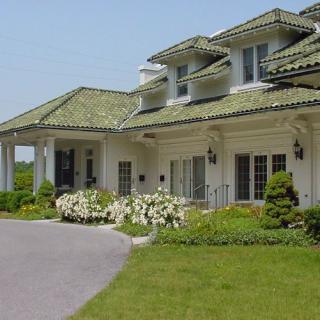
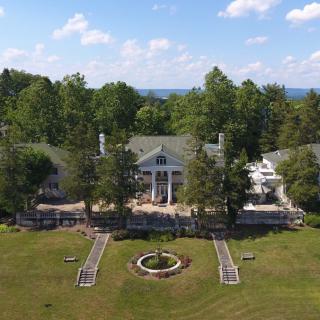
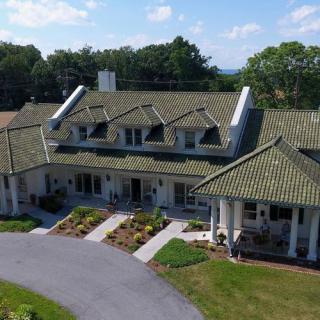
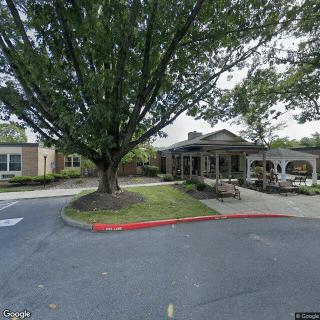
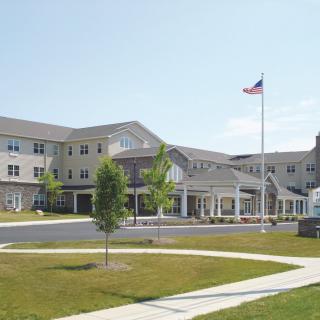
- The community features activities, facilities, and a beautiful main building.
- The aunt’s facility is an elegant, affordable alternative to traditional facility living.
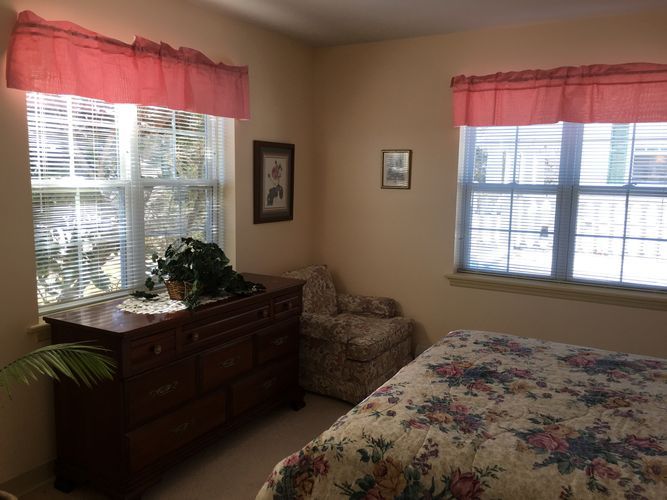
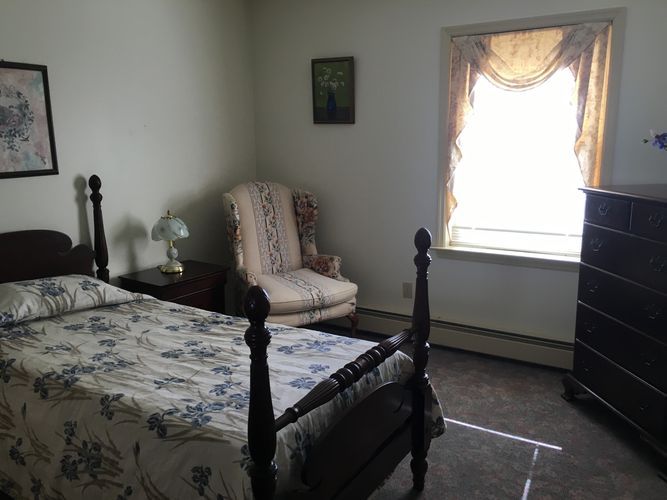
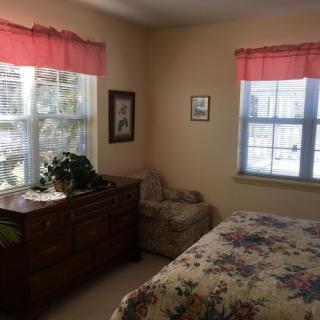
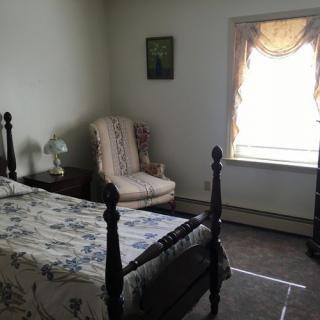
- The staff there are attentive and professional, and the rooms are cozy and clean.
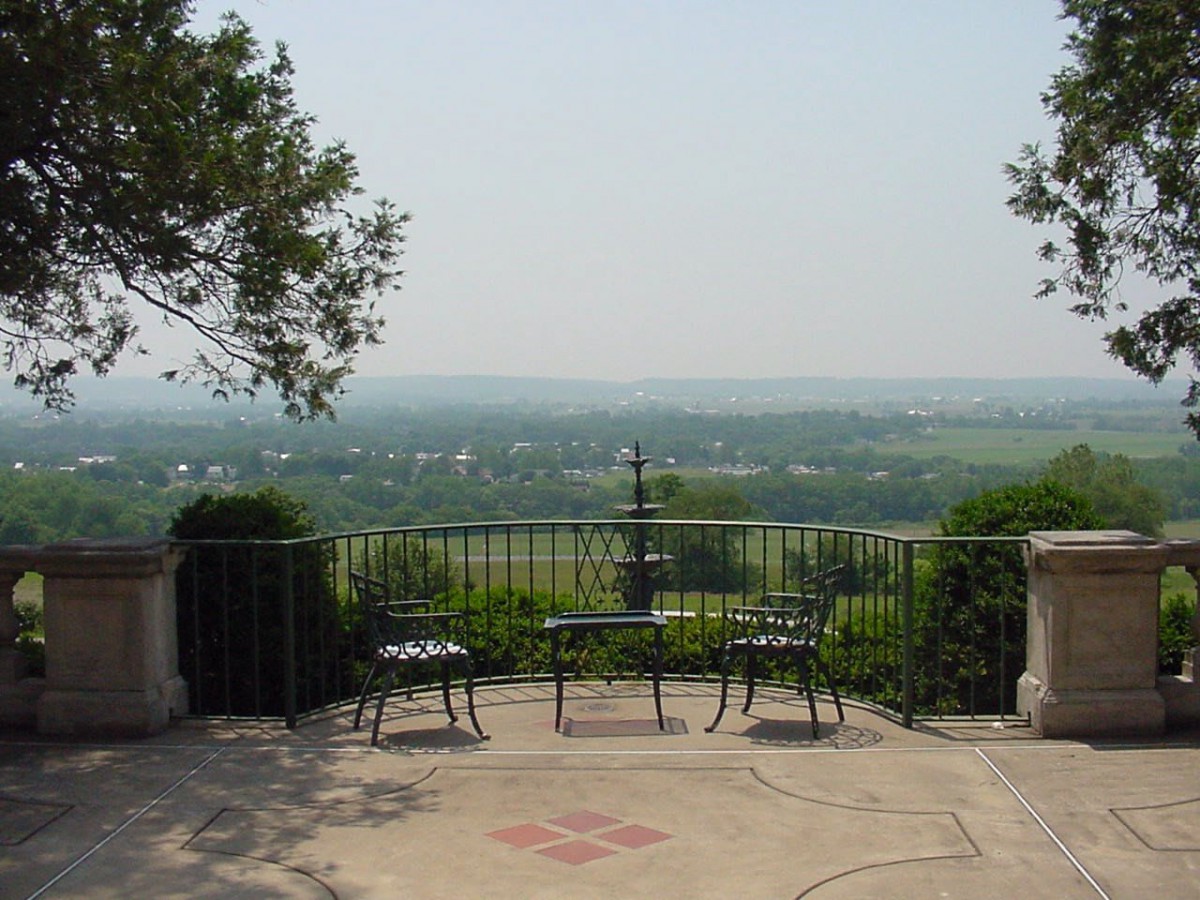
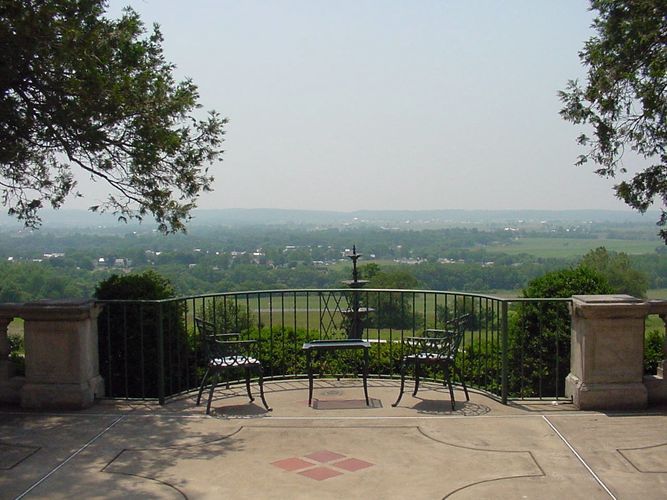
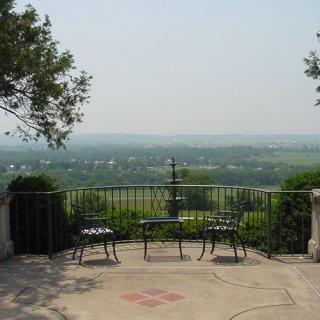
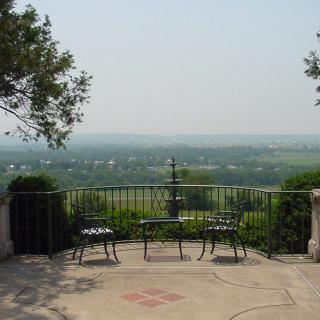
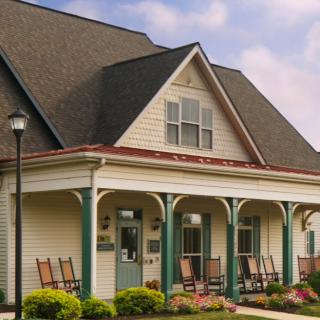
- It has a full activities calendar, a large veranda with views of the Lebanon Valley, and is described as a beautiful estate.
- It offers regular exercise classes and multiple dining rooms with scenic vistas.
- Tours reflect a friendly, well-maintained atmosphere with courteous staff.
Cons
 The only downside is that it isn’t walkable and would require driving.
Review
Hill Farm Estate Senior Living is best suited for seniors who prize a calm, upscale country setting, where independent living can blend seamlessly into supportive care on the same campus. It suits those who value a dignified atmosphere, attentive staff, and a faith-aligned community that emphasizes steady routines, gracious dining, and engaging activities. The property appeals to residents who want the option to scale up to assisted living without uprooting, while staying within a familiar, elegant environment that feels more mansion than medical facility. For families seeking urban proximity or a bustling, highly walkable campus with dense amenities, this community’s quiet Lebanon Valley backdrop may feel too remote.
The strongest positives center on serenity, service, and scenery. Visitors consistently encounter a calm, well-maintained campus with a visually impressive main building and expansive veranda views. The staff receive frequent praise for professionalism and attentiveness, and the facility’s religious affiliation appears to anchor a values-forward culture that resonates with many residents. Practical touches stand out: a meal plan priced at a modest monthly rate, with delivery options for breakfast, lunch, and dinner, and a calendar packed with regular exercise classes and social activities. The rooms described as one-bedroom layouts with private baths align with expectations for comfort without modern apartment-size scale, yet still feel cozy and clean. The ability to access assisted living if needs evolve, and even to explore shared living arrangements, provides a credible continuum of care that can reassure families planning long horizons.
Cost appears as a meaningful lever in the decision process. One account notes the community is less expensive than typical facilities by a notable margin, a factor that cannot be dismissed in family discussions weighing long-term affordability. The combination of affordable pricing, robust programming, and high-caliber staff translates into a compelling value proposition for independent seniors who anticipate a graceful transition to assisted living on campus. The setting, quiet, scenic, and prestigious, also adds intrinsic value that is hard to quantify in purely financial terms. The three dining rooms, each overlooking the valley, reinforce a sense of abundance without sacrificing a home-like atmosphere, while the meal plan adds convenience and predictability to monthly budgeting.
However, several realities deserve careful weighing. The campus is not walkable in the sense of easy pedestrian access to retail or urban amenities; a drive or ride remains essential for ordinary errands. For residents who prize close proximity to shops, parks, or frequent off-campus outings, that may tilt toward alternatives with more integrated neighborhoods. The affiliation with a religious organization is a meaningful priority for some, but it may be a misfit for those seeking a secular environment or a different cultural emphasis. Finally, while the continuum of care is present, the reviews do not detail how exhaustive on-site medical resources are relative to hospital systems or specialized memory care; families should verify the full scope of clinical services and availability before committing if advanced medical needs are anticipated.
In practical terms, Hill Farm Estate earns its keep by delivering quiet comfort, consistent staffing, and a strong sense of place at a price that invites comparison with more conventional facilities. For prospective residents who place a premium on serenity, expansive views, and a well-curated activity calendar, the pros clearly offset the fixed drawbacks. The staff’s reliability, the beauty of the setting, and the convenience of integrated care make it a persuasive choice for those who anticipate staying engaged without sacrificing a refined home environment. The decision hinges on whether the non-walkable, faith-aligned, value-forward model aligns with the family’s goals and the resident’s tolerance for a more bucolic, less urban rhythm.
The bottom line is decisive: Hill Farm Estate Senior Living is a strong fit for seniors seeking elegance, stability, and gradual, on-campus care within a serene estate setting. It is particularly suitable for those who value staff attentiveness, an affordable cost structure, and a rich activities program, paired with scenic dining experiences and a clear pathway from independence to assisted living. Alternatives are clearly warranted for families prioritizing heavy on-site medical resources, secular environments, or highly walkable, urban-adjacent campuses. For the right fit, this community offers a compelling blend of dignity, community, and practicality that often proves easier to sustain than moving between transitions in more clinical settings.
 65 resident community capacity
 1-bedroom apartments
 Assisted Living
 Independent Living
 Activities on-site
 Air-conditioning
 Beautician on-site
 Cable or satellite TV
 Computer center
 Devotional services off-site
 Dining room
 Fitness room
 Fully furnished
 Gaming room
 Garden
 Housekeeping services
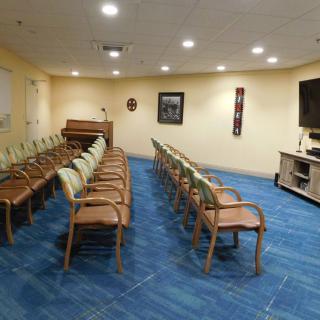
 Indoor common areas
 Kitchenette
 Move-in coordination
 Outdoor common areas
 Private bathrooms
 Respite or short term stays offered
 Restaurant-style dining
 Security gate
 Small library
 Telephone
 Wellness center
 Wi-Fi/high-speed internet available
 Harrisburg International (16 miles away)
 Community operated transportation
 12-16 hour nursing
 24-hour call system
 Ambulatory care
 Assistance with bathing
 Assistance with dressing
 Assistance with transfers
 Diabetes diet
 Diabetic care
 Incontinence care
 Medication management
 Mental wellness program
 Special dietary restrictions
 Art classes
 Brain fitness
 Catholic services
 Concierge services
 Live dance or theater performances
 Live musical performances
 Planned day trips
 Trivia games
 English



 8 Key Indicators That Suggest It May Be Time to Transition from Assisted Living to Skilled Nursing Care
 Vibrant Senior Living: A Comprehensive Guide for Active Older Adults
 When to Transition from Assisted Living to Memory Care: Key Indicators, Steps, and Finding the Right Community