

520 North Route 934, Annville, PA 17003
To contact a resident: (717) 866-3223
For more information about senior living options: (866) 208-4318
Countryside Christian Community, a CCRC Costs & Pricing
Countryside Christian Community, a Continuing Care Retirement Community (CCRC), offers competitive pricing for its room types compared to the broader market in Lebanon County and across Pennsylvania. For instance, the monthly cost of a one-bedroom unit at Countryside is just $510, significantly lower than the county average of $3,343 and the state average of $4,006. Similarly, the two-bedroom option is priced at $585, again well below both county and state averages of $3,065 and $4,242 respectively. However, it's noteworthy that the studio suite is priced higher at $4,500 compared to local and state benchmarks of $4,132 and $3,737. Overall, Countryside presents an attractive financial option for individuals seeking senior living solutions while promoting a strong sense of community within its care environment.
| Floor plans | Countryside Christian Community, a CCRC | Lebanon County | Pennsylvania |
|---|---|---|---|
| 1 Bedroom | $510 | $3,343 | $4,006 |
| 2 Bedrooms | $585 | $3,065 | $4,242 |
| Studio | $4,500 | $4,132 | $3,737 |
Overall Review of Countryside Christian Community, a CCRC
Pros
 The staff were friendly, welcoming, communicative, and helpful.
- They explained concerns as needed and offered recommendations.
- They made the end of life comfortable and were supportive and present with the family.
- The facility is highly recommended.
- There are very sweet Christian people here.
- The place is very clean and friendly to work at.
Cons
 Countryside “Christian” Community deceitfully sold the grandparents on the idea that the cottage program would provide lifelong care options.
 - The organization discontinued skilled care altogether after seven years, leaving the grandfather with exhausted assets and the family struggling to find another care option.
- It is not a place that can be counted on for increasing needs, and families may be forced to look elsewhere.
- The family now struggles to find another care option for their loved one due to the loss of skilled care.
Review
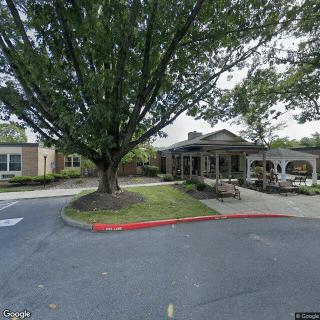
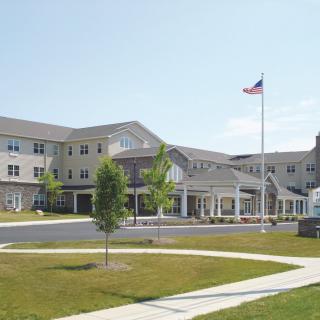
Countryside Christian Community is best suited for seniors who want a faith-centered, small-town atmosphere with attentive staff and dependable end-of-life support. It works well for residents who are currently independent or needing light assisted living and who value straightforward, responsive communication from caregivers. The campus fosters a welcoming, family-like feel, and families report a sense of belonging, a clean environment, and consistent warmth from staff. For those prioritizing a warm, values-aligned home where daily routines are predictable and care is staffed with kindness, this community delivers a compelling, low-stress option.
Yet potential residents should think carefully about future care needs. A central caveat is the uncertain availability of skilled nursing on site as health needs evolve. One serious review alleges a cottage-purchase promise was tied to lifelong care, only for skilled care to be discontinued years later, leaving assets exhausted and families scrambling for alternatives. That experience highlights a material risk: the ability to stay on campus as needs rise is not guaranteed, and there may be a need to seek outside options even for couples or individuals who believed the site would cover escalating care. For anyone planning around potential long-term or high-level medical support, alternatives deserve serious consideration.
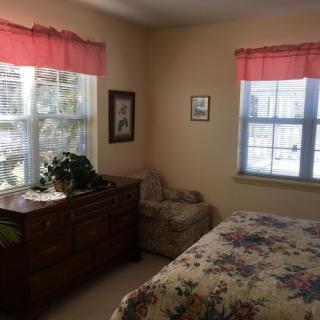
From the positive side, staff quality is consistently highlighted. Caregivers are described as friendly, welcoming, and communicative, with families feeling heard and directions explained clearly. End-of-life care is a prominent strength, characterized by compassion, presence, and practical support for families during difficult moments. The combination of a pleasant physical environment, clean facilities, and a congenial Christian milieu creates a soothing, respectful day-to-day experience. For residents who value moral alignment, daily kindness, and dependable routine, these are meaningful advantages that can significantly reduce stress and improve quality of life in the near term.
The most consequential fault line remains the externalizing of long-term care risk. When a community can discontinue skilled nursing, the intactness of a true continuum of care is compromised. The effect is not merely theoretical: families may face difficult transitions, asset depletion, and the emotional strain of moving a loved one to a new campus as needs exceed on-site offerings. In practical terms, this means a strong present experience may not translate into a stable, lifelong home if medical or custodial needs intensify. That tension shifts the decision-maker’s calculus toward prioritizing guaranteed care on site or at least clear, enforceable mechanisms for preserving continuity as health progresses.
Balancing the pros against the cons, the positives still matter, and they matter a lot for the immediate term. The community’s warmth, transparency in communication, and thorough end-of-life support can carry the day for families seeking a dignified and serene environment now. The faith-based culture, together with clean, well-maintained grounds and a convivial staff, provides a comforting home atmosphere that supports daily life and emotional wellbeing. But the weight of the long-term care risk cannot be ignored; it reframes the decision from “best fit today” to “best-fit long arc,” and that distinction should drive conversations with leadership, contract review, and backup plans.
Practical next steps are essential. Prospective residents should demand explicit, written assurances about current and future on-site care levels, including any anticipated changes to skilled nursing availability and the conditions under which transitions would occur. Seek a clear explanation of the cottage program, its financial implications, and any protections against asset depletion if care needs rise. Build a parallel plan with alternative communities that promise guaranteed continuing care or, at minimum, robust transfer options within the same campus network. For families who prioritize a warm, faith-forward home with dependable day-to-day support, Countryside Christian Community can be an excellent choice, provided alignment exists on future care availability and a solid, well-understood financial plan is in place.
 Assisted Living
 Independent Living
 Activities on-site
 Devotional services off-site
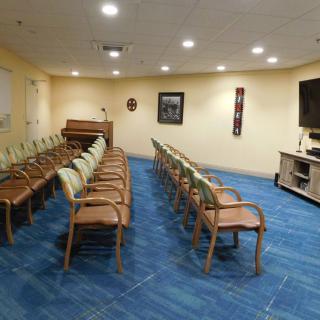
 Indoor common areas
 Harrisburg International (16 miles away)
 Diabetic care
 High acuity care
 Meals provided



 Understanding Medicaid Coverage for Assisted Living: A Comprehensive Guide
 How and When Medicaid May Cover Assisted Living Costs
 A Detailed Exploration of Assisted Living Medicaid Waivers Across the United States