

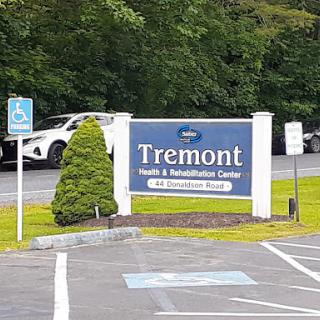

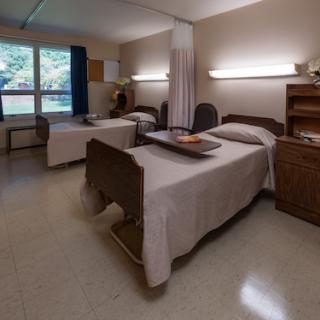
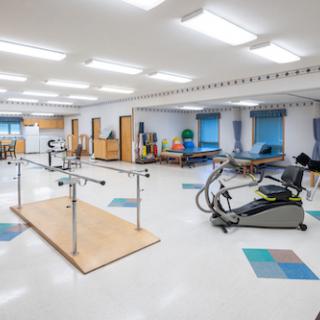
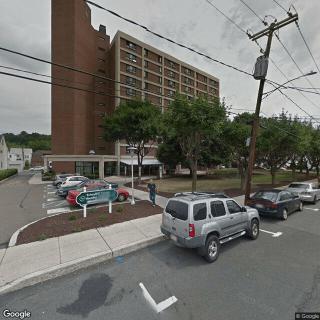
44 Donaldson Road, Tremont, PA 17981
For more information about senior living options: (866) 208-4318
Overall Review of Tremont Health & Rehabilitation Center
Pros
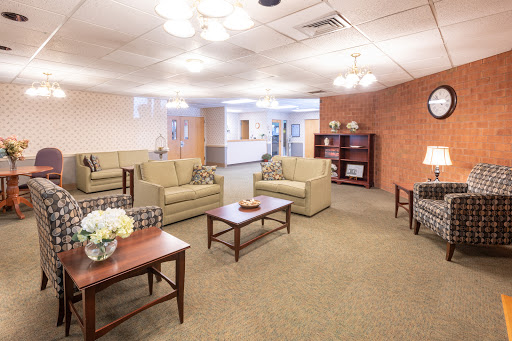
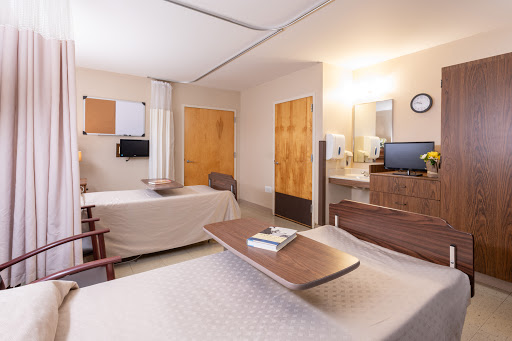
 Tremont Rehab is clean and decent.
- The staff are caring and professional.
- The admissions team, especially Rebecca, is helpful and attentive, making the process smooth.
- The location is ideal, being close to home for frequent visits.
- The staff consistently make residents and visitors feel welcome and well taken care of.
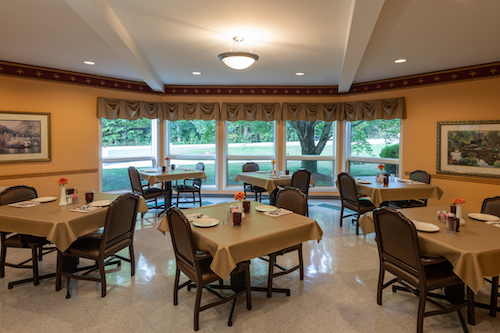
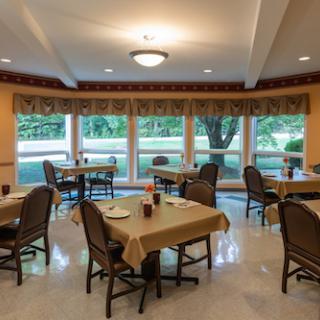
- The food is better than many other places.
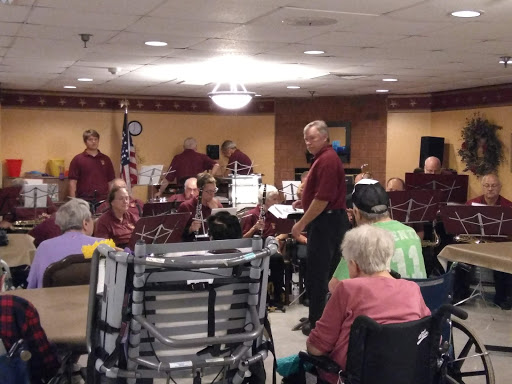
- The activity director creates a positive atmosphere with engaging activities like karaoke.
Cons
 It was unethical for healthcare companies to solicit patients; they called trying to get business.
- Several staff members were disrespectful and neglectful.
- He was kept bedridden for four weeks, unable to walk, and denied basic self-care like dressing and using the bathroom.
- They kept him in a wheelchair with the excuse of not having time to help him walk or use the bathroom, and used diapers with daily laxatives.
- On multiple occasions, he stopped eating, drinking, and taking medications for days without family being notified.
- He was overly medicated, with drugs that raised his blood pressure and others to bring it down.
- Counseling promised by psychiatrists never happened, while antidepressants causing adverse effects were prescribed.
- Some staff lied about his activities, giving conflicting reports on whether he had been up or walked.
- The facility was described as careless and nearly killed his stepfather due to dehydration and lack of follow-up.
- Not very happy there; there was no doctor on site.
Review
Tremont Health & Rehabilitation Center is best suited for families seeking an active, rehab-oriented environment where close family involvement can compensate for day-to-day care gaps. The community tends to work best for residents who prize a lively activity calendar, social opportunities, and a straightforward admissions process, with the understanding that oversight from loved ones will be an ongoing asset. The strongest advantages lie in a generally clean setting, caring staff in many roles, and a presence of meaningful programs that keep residents engaged. This is not a hands-off, “set it and forget it” facility; it requires steady advocacy to ensure medical and daily-care needs are consistently met.
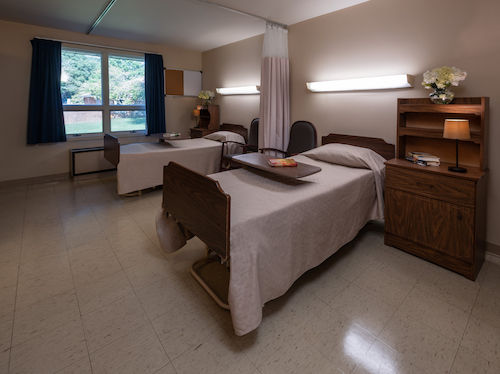
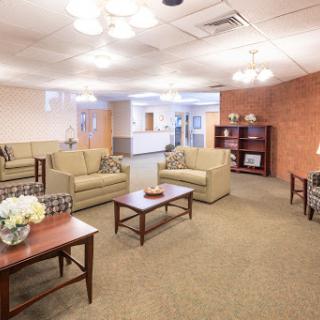
On the positive side, Tremont earns praise for approachable front-office staff, a welcoming admissions experience, and a schedule that frequently features activities, outings, and social events. Family members repeatedly note good communication from several caregivers and a genuine willingness to help with appointments, transportation, and understanding billing or Medicare/Medicaid processes. The facility is described as clean, with decent food quality and accommodations that feel homelike to residents who participate in activities or enjoy visiting with others. For families prioritizing rehab potential and meaningful daytime engagement, these factors create a compelling core.
The flipside runs through several persistent concerns that squarely temper the positives. Multiple reviews recount staff inconsistencies, with some caregivers described as compassionate and others as disrespectful or neglectful. Concrete lapses include periods when residents were left in bed too long, not assisted with basic needs, or kept dependent on diapers despite goals to regain independence. Medication management and monitoring appear uneven, with accusations of overmedication, abrupt changes, and inadequate communication with families about changes or adverse effects. The most jarring safety issue cited is a severe dehydration episode that led to hospitalization, followed by prolonged fallout and questions about follow-up care. Add in reports of limited physician presence and occasional delays in responding to requests, and the risk profile becomes clear.
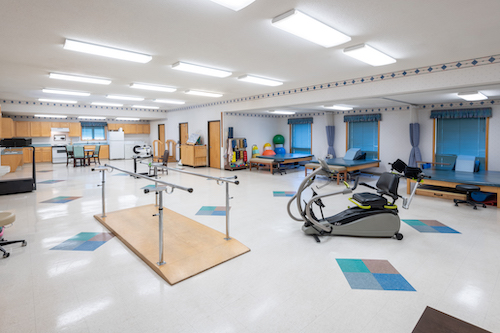
These tensions matter most when considering who Tremont can offset versus who should look elsewhere. The strong social and rehab orientation can offset the daily care gaps for residents who can rely on families to supervise and communicate with staff, and who do not require constant, hands-on medical oversight. The facility can deliver meaningful progress in post-surgical rehab or activity-driven living, provided families remain engaged and insist on clear, consistent treatment plans. However, for seniors with complex medical needs, fragile health, or a history of cognitive or behavioral challenges where consistent, high-touch medical monitoring is non-negotiable, Tremont’s uneven staffing and documented communication gaps may make alternatives with stricter oversight and newer facilities a wiser choice.
To make a well-informed decision, prospective families should pursue concrete, on-site clarity. Ask about nurse-to-resident ratios per shift, the presence or absence of a dedicated physician, and how quickly the team escalates medical concerns. Request a detailed review of current care plans, therapy schedules, and the steps taken after the reported hydration incident. Inquire about how staff are trained to promote mobility and independence without sacrificing safety, and whether there is a protocol to align subjective family reports with objective care updates. Finally, observe a tour during a typical activity period and speak privately with several residents and family members about response times and perceived consistency of care. These steps distinguish between a community that can deliver a vibrant, recover-focused stay and one that risks letting medical or daily-life needs slip through gaps.
Bottom line: Tremont stands out for families who want an engaging, social environment with a capable rehab emphasis and a responsive admissions process, and who are prepared to participate actively in oversight. It can be a strong choice for residents whose needs align with the programmatic strengths and who have the bandwidth to verify care quality through regular family contact. For those requiring unwavering medical oversight, rapid problem resolution, and flawless day-to-day execution, especially around nutrition, hydration, and medication management, alternatives that offer more consistent staffing and tighter clinical governance may be the safer, less stressful option.
 180 resident community capacity
 Skilled Nursing Facility
 Air-conditioning
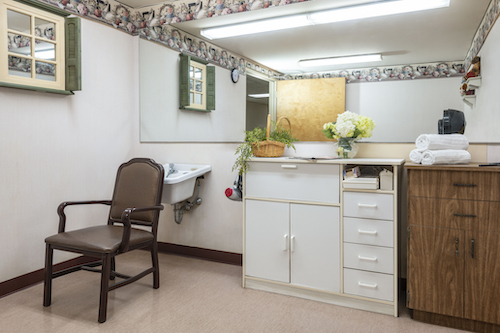
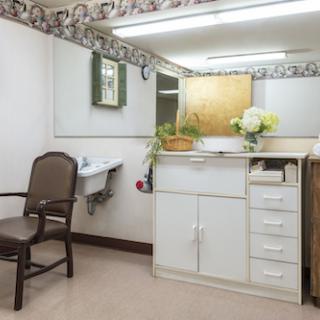
 Beauty salon
 Cable or satellite TV
 Computer center
 Dining room
 Fitness room
 Fully furnished
 Gaming room
 Garden
 Housekeeping services
 Kitchenette
 Move-in coordination
 Outdoor space
 Private bathrooms
 Restaurant-style dining
 Small library
 Telephone
 Wellness center
 Wi-Fi/high-speed internet available
 Community operated transportation
 12-16 hour nursing
 24-hour call system
 Activities of daily living assistance
 Assistance with bathing
 Assistance with dressing
 Assistance with transfers
 Diabetes diet
 Medication management
 Mental wellness program
 Special dietary restrictions
 Concierge services
 Planned day trips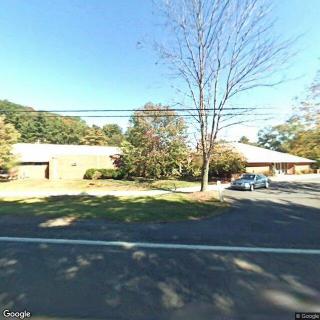




 Essential Knowledge on Pneumonia in Older Adults
 Exploring Palliative Care in the Home: A Comprehensive Overview
 Comprehensive Insights into Palliative Home Care: What It Is and What to Expect