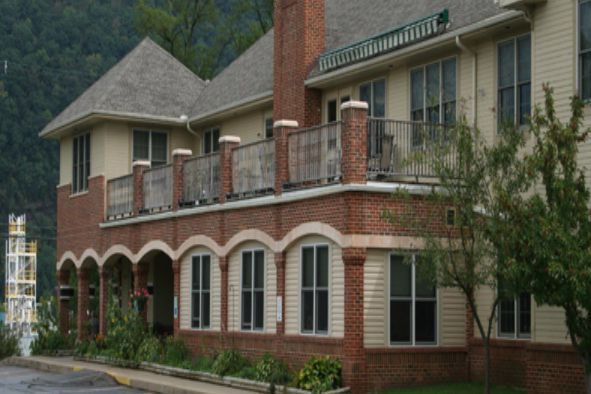
603 William Street, Towanda, PA 18848
For more information about senior living options: (866) 208-4318
Overall Review of Personal Care Home at Guthrie Towanda Memorial Hospital
Pros
 The place is clean.
Cons
 It is arguably one of the worst-run places the reviewer has heard of.
- Staff are verbally abused by their superiors.
- The place is clean, but no one is being cared for.
- People should not house their relatives there.
Review
This community is best suited for seniors who have minimal daily care needs and for families that can maintain close outside oversight. The setting within Guthrie Towanda Memorial Hospital offers a basic, clean environment and the potential sense of safety that comes from hospital proximity. It is not a good fit for residents who require regular, hands-on assistance, close monitoring, or a consistently respectful, well-led care culture. In short, it may appeal only to caregivers who can tolerate a hands-off approach to care and rely on family or external aides to fill gaps.
Alternatives should be considered by any family weighing options in this area. Other local personal care homes with documented staffing stability and transparent leadership tend to deliver more reliable daily support. Home health services or traditional assisted living communities that emphasize person-centered care, responsive aides, and clear escalation procedures offer a more predictable path for residents needing regular assistance. Given the limited positive signals here, exploring options with stronger track records for caregiver engagement and resident well-being is prudent.
The most tangible pro is cleanliness and upkeep. The facility presents a tidy environment, which at least reduces risks associated with dirt and disorganization. Its hospital-adjacent setting theoretically provides quicker access to medical attention in emergencies, a potential advantage when health needs spike suddenly. Yet these logistical pluses do not compensate for the deeper, recurring deficiencies. A clean room does not substitute for consistent assistance with bathing, dressing, mobility, medication management, or timely response to resident distress. In practice, the superficial polish cannot mask a care culture that fails to deliver.
The dominant con is a troubling care culture rooted in management problems. Descriptions of staff being verbally abused by superiors point to a hostile work environment that undermines staff morale and reliability. When leadership fosters or tolerates mistreatment, staff turnover climbs, communication erodes, and the likelihood of neglect or missed cues rises. Residents suffer as routines become inconsistent and urgent needs go unmet. Cleanliness and proximity to a hospital become hollow advantages if the core experience is a lack of attentive, compassionate care and a predictable response to emergencies.
These factors interact in ways that make a strong case against placement here for most seniors. The positive elements, cleanliness and location, are overwhelmed by systemic issues in staffing and leadership. Therefore, the decision should tilt toward facilities where care quality is visibly tied to stable teams, accountable supervisors, and a culture that protects residents from mistreatment. Families should demand evidence of such a culture before committing, and should be prepared to walk away if clear, meaningful assurances cannot be provided.
If continuing with this option is unavoidable, strong due diligence becomes essential. Schedule a focused on-site visit with administration and frontline staff, not just a tour. Request candid conversations with current caregivers about workload, training, and supervision. Seek copies of recent state inspection reports, complaint logs, and staffing data with exact ratios by shift. Observe real-time interactions between staff and residents, and insist on a written care plan tailored to the residentā€™s needs, along with a documented escalation protocol. Establish a concrete trial period with a guaranteed exit plan and a clean transfer process to another facility if care standards fail to meet agreed benchmarks. The bottom line is clear: without demonstrable improvements in staff stability, leadership accountability, and daily caregiving, this community should not be the default choice for a loved one who depends on dependable, compassionate care.
 94 resident community capacity
 Assisted Living
 Skilled Nursing Facility
 Air-conditioning
 Beauty salon
 Cable or satellite TV
 Computer center
 Dining room
 Fitness room
 Fully furnished
 Gaming room
 Garden
 Housekeeping services
 Kitchenette
 Move-in coordination
 Outdoor space
 Private bathrooms
 Restaurant-style dining
 Small library
 Telephone
 Wellness center
 Wi-Fi/high-speed internet available
 Community operated transportation
 12-16 hour nursing
 24-hour call system
 Activities of daily living assistance
 Assistance with bathing
 Assistance with dressing
 Assistance with transfers
 Diabetes diet
 Medication management
 Mental wellness program
 Special dietary restrictions
 Concierge services
 Planned day trips





 Choosing the Right Senior Care: A Detailed Exploration of Assisted Living and Nursing Homes
 Understanding the True Cost of Assisted Living in 2025: A Comprehensive Guide
 Understanding Medicaid Coverage for Assisted Living: A Comprehensive Guide