

1 Hospital Dr, Towanda, PA 18848
To contact a resident: (570) 268-2424
For more information about senior living options: (866) 208-4318
Overall Review of Guthrie Towanda Memorial Hospital Personal Care Home
Pros
 The place is clean.
Cons
 It is arguably one of the worst-run places.
- Staff are being verbally abused by their superiors.
- The place is clean, but no one is cared for.
- Relatives should not be housed there.
Review
Guthrie Towanda Memorial Hospital Personal Care Home is best avoided by families seeking reliable, compassionate personal care. The strongest fit would be a resident with extremely low needs who can largely care for themselves and whose family is prepared to underwrite a very tight budget while accepting that daily caregiving and oversight may be severely inconsistent. In practical terms, even a seemingly minimal set of requirements, the ability to be mobile with occasional assistance, routine supervision, and timely assistance with meals, will not be reliably met here. Cleanliness is the only clear positive, but it cannot compensate for the reality that essential caregiving tasks, safety checks, and timely responses to needs do not consistently happen.
Those who should consider alternatives are anyone prioritizing respectful staff dynamics, consistent caregiving, and proactive, transparent supervision. If quality of life hinges on compassionate interactions, regular help with activities of daily living, reliable medication administration, and a stable routine, this facility is not the right match. Families should compare with other local assisted living or personal care options that demonstrate stronger staffing stability, clearer accountability, and better track records with regulators. Proximity to medical resources matters, but it cannot offset ongoing concerns about how residents are treated, monitored, and supported on a day-to-day basis.
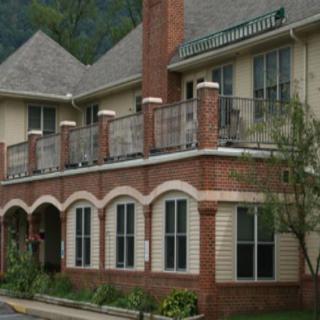
On the upside, the environment at Towanda Towanda Memorial Personal Care Home appears clean and orderly. Walls, common areas, and rooms show evidence of routine upkeep, and a tidy atmosphere can make visits more comfortable. The physical plant may help reduce some health risks associated with neglecting basic sanitation. However, cleanliness does not translate into reliable caregiving or timely responses when a resident needs assistance, and it cannot substitute for the critical human element that keeps seniors safe, dignified, and adequately attended to throughout the day and night.
The core drawbacks, however, are severe and actionable: staff facing verbal abuse from superiors creates a culture that undermines care quality and safety. When morale is this low, attention to daily needs, bathroom help, dressing, mobility support, meal assistance, and timely medication administration, suffers. The most alarming takeaway is the stated failure to “take care of” residents, which implies neglect or delayed responses to urgent needs. The environment described leaves families exposed to inconsistent communication, unanswered calls, and uncertainty about whether a loved one is receiving appropriate supervision and oversight. In short, management dysfunction directly sabotages resident welfare.
Pros cannot meaningfully offset these fundamental concerns. A clean setting and a hospital affiliation do not compensate for unreliable caregiving, poor staff support, or a culture that tolerates mistreatment of staff and, by extension, residents. Any family weighing options should demand concrete, verifiable assurances: staffing ratios by shift, medication management protocols, incident logs, and frequent, transparent communication from a dedicated supervisor. Given the weight of the negative indicators, the prudent course is to pursue other facilities with verifiable care standards, stronger oversight, and a culture that prioritizes resident well-being over administrative expediency.
When a decision must be made despite the red flags, implement a disciplined, risk-aware plan. Schedule comprehensive tours focusing on caregiver interactions, observe how staff respond during a busy period, and request direct contact with the supervising nurse or administrator. Obtain recent state inspection reports, complaint histories, and staffing data; verify any promises with written commitments. If choosing to proceed, set a strict trial period with explicit milestones, insist on regular caregiver assignments, and insist on immediate escalation pathways for concerns. Above all, prepare an exit plan and keep options open, movement to a higher-quality facility should be executed at the first reliable signal that expectations are not being met, rather than waiting for a crisis.
 Assisted Living
 Activities on-site
 Devotional services off-site
 Indoor common areas
 Ambulatory care
 Diabetic care
 Meals provided




 Exploring the Contrasts Between Assisted Living and Skilled Nursing
 8 Key Indicators That Suggest It May Be Time to Transition from Assisted Living to Skilled Nursing Care
 Vibrant Senior Living: A Comprehensive Guide for Active Older Adults