The Landing of Southampton offers a range of room types with monthly costs that reflect its premium services and amenities. For a studio, residents can expect to pay $4,400, which is slightly lower than the Bucks County average of $4,593 but significantly higher than the state average of $3,737. The semi-private room rate stands at $5,700, surpassing both the Bucks County figure of $5,028 and the overall Pennsylvania average of $3,542. For those seeking more space, a one-bedroom apartment is priced at $6,350 - considerably above nearby county pricing at $4,397 yet in line with state averages of $4,006. Finally, two-bedroom units are available at $7,300; though this exceeds both Bucks County's average of $4,875 and Pennsylvania's average of $4,242 by a substantial margin. Overall, while costs at The Landing may be higher compared to its immediate surroundings and statewide benchmarks, they reflect an emphasis on quality care and enhanced living environments for residents.
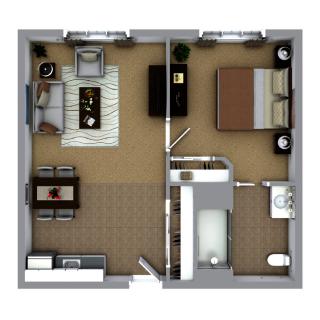
Floor plans
The Landing of Southampton
Bucks County
Pennsylvania
Studio
$4,400
$4,593
$3,737
Semi-Private
$5,700
$5,028
$3,542
1 Bedroom
$6,350
$4,397
$4,006
2 Bedrooms
$7,300
$4,875
$4,242
Memory care communities with a similar price nearby
Residents and families describe caring staff and also raise concerns about follow-through.
Many reviewers say the staff is friendly, responsive, and attentive to residents, including help with settling in and being available with questions. Several also highlight specific team members and describe consistent day-to-day support. At the same time, a smaller set of reviews report staffing and supervision problems, including complaints that tasks were not completed and concerns about how residents were checked on.
caveat9 reviews mention this
Dining earns praise and complaints
Dining is described as a strong point, but some residents report serious food problems.
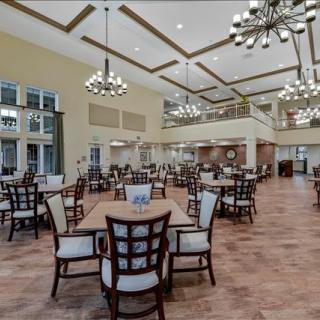
Several reviews call the food excellent or chef-driven, and they mention dining as part of what makes daily life enjoyable. The community also offers restaurant-style dining and multiple dietary options, including gluten-free, low/no-sodium, vegan, vegetarian, and no sugar. A few negative reviews counter that with claims of bad food and even food poisoning, and one review also complains about extra charges for room service when meals weren’t delivered as expected.
common11 reviews mention this
Activities fill the daily schedule
Scheduled activities are a frequent bright spot in the reviews.
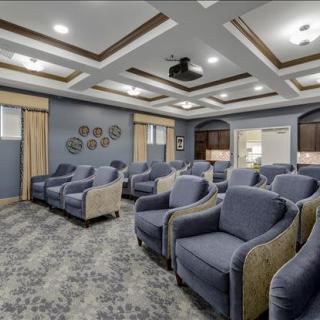
Reviewers repeatedly describe a busy schedule with activities and programming, including events run by activity coordinators and daily opportunities for residents to get involved. A few reviews mention specific spaces and entertainment-style offerings as part of keeping residents engaged. One reviewer also suggests some activity offerings may not fit every individual’s needs, even if the overall calendar is active.
common16 reviews mention this
Clean, home-like spaces stand out
The facility’s cleanliness and comfortable feel come through strongly in reviews.
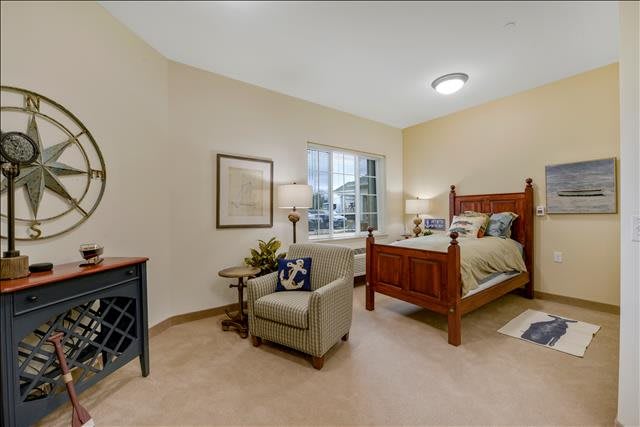
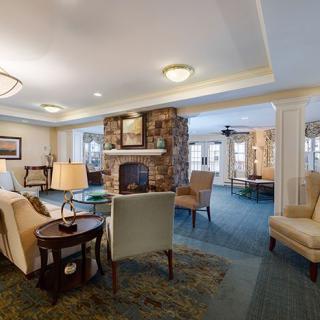
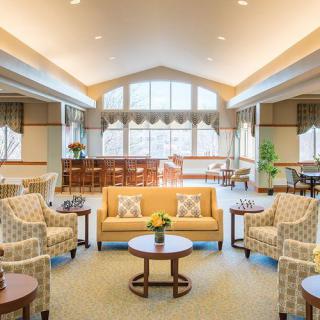
Many reviews praise the building as clean, well maintained, and visually welcoming, with a warm, home-like atmosphere. Multiple reviewers mention cleanliness as an ongoing standard rather than a first-impression only. A few mixed reviews also suggest the community can feel less “cozy” than expected or that it didn’t match what a family wanted for their loved one, even when the tour experience was generally positive.
differentiator6 reviews mention this
Memory care support feels targeted
Memory care reviews emphasize a more structured, secure environment with dedicated care leadership.
Some reviewers describe memory care as a locked-down area and highlight internal care management support when higher needs developed. Others mention memory-care transitions and how staff helped guide families through assessments and moving into the right level of support. A contrasting set of reviews raise concerns about care quality in memory care, which suggests experiences may vary by resident and staffing conditions.
caveat2 reviews mention this
Pricing is framed as mid-range
Pricing is discussed as reasonable by some, while others flag extra charges and costs.
One review describes pricing as mid-range and fair, based on comparisons the family was weighing. Another review complains about additional charges tied to room service when meal delivery didn’t work as expected. Across unit types, the listed prices generally run below county benchmarks for some categories and above state benchmarks for all the unit types shown.
How we summarize
Counts show how many written reviews mention each theme; a review can touch several themes, and only frequently mentioned themes are displayed.
Features
Types of Care
Assisted Living
Memory Care
Amenities
Activities off-site
Activities on-site
Air-conditioning
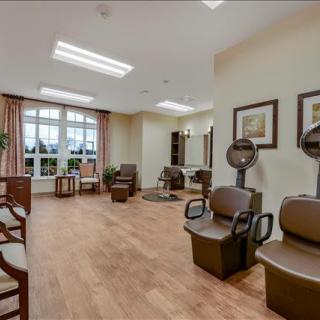
Beautician on-site
Cable or satellite TV
Devotional services off-site
Devotional services on-site
Ground floor units
Handicap accessible
Indoor common areas
Kitchenette
Outdoor common areas
Private bathrooms
Respite or short term stays offered
Wheelchair accessible showers
Wi-Fi/high-speed internet available
Transportation
Trenton-Mercer County (12 miles away)
Philadelphia International (25 miles away)
Care Services
Ambulatory care
Diabetic care
High acuity care
Incontinence care
Medication management
Dining
Anytime dining
Gluten-free
Guest meals
International cuisine
Low / no sodium
Meals provided
No Sugar
Professional chef
Restaurant style dining
Room service
Special dining programs
Vegan
Vegetarian
Activities
Art classes
Catholic services
Cooking classes
Devotional activities offsite
Devotional activities on-site
Educational speakers / life long learning
Jewish services
Live well programs
Other religious services
Visiting Rabbi
Visiting chaplain or priest
Nearby Places of Interest
This part of Southampton, Pennsylvania offers a variety of amenities and conveniences that may appeal to seniors looking for a comfortable and accessible living environment. With several pharmacies and medical practices within close proximity, residents have easy access to healthcare services. In addition, there are numerous dining options including fast food restaurants and cafes for those looking for quick and convenient meals. The area is also home to several parks, providing opportunities for outdoor recreation and relaxation. For entertainment, there are theaters nearby as well as places of worship for spiritual fulfillment. Overall, this part of Southampton provides a mix of essential services and recreational activities that cater to the needs of seniors seeking a vibrant community to call home.
The Landing of Southampton offers a range of room types with monthly costs that reflect its premium services and amenities. For a studio, residents can expect to pay $4,400, which is slightly lower than the Bucks County average of $4,593 but significantly higher than the state average of $3,737. The semi-private room rate stands at $5,700, surpassing both the Bucks County figure of $5,028 and the overall Pennsylvania average of $3,542. For those seeking more space, a one-bedroom apartment is priced at $6,350 - considerably above nearby county pricing at $4,397 yet in line with state averages of $4,006. Finally, two-bedroom units are available at $7,300; though this exceeds both Bucks County's average of $4,875 and Pennsylvania's average of $4,242 by a substantial margin. Overall, while costs at The Landing may be higher compared to its immediate surroundings and statewide benchmarks, they reflect an emphasis on quality care and enhanced living environments for residents.
Medication management at The Landing of Southampton is crucial in ensuring that residents receive their prescribed medications accurately and on time, thereby minimizing confusion and potential health complications associated with dementia or Alzheimer's. This tailored approach helps to maintain cognitive function and overall well-being, which can significantly enhance the quality of life for residents. Additionally, the incontinence care offered provides both physical and emotional support, addressing a sensitive aspect of daily living that can often lead to distress. By creating an environment where residents feel dignified and cared for, this feature helps reduce anxiety and encourages a sense of security, which is vital for those experiencing memory loss. Together, these services contribute to a comprehensive care plan that caters specifically to the unique needs of individuals facing cognitive decline.
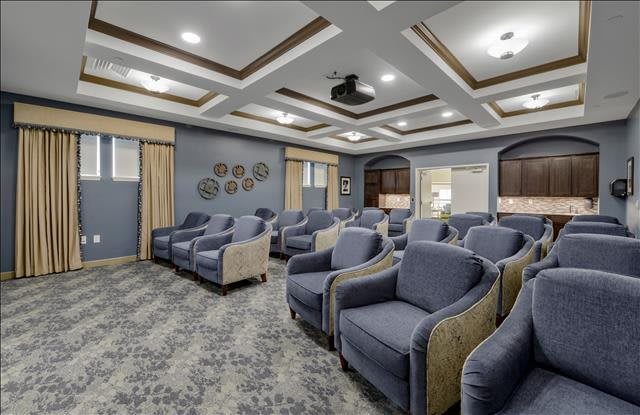
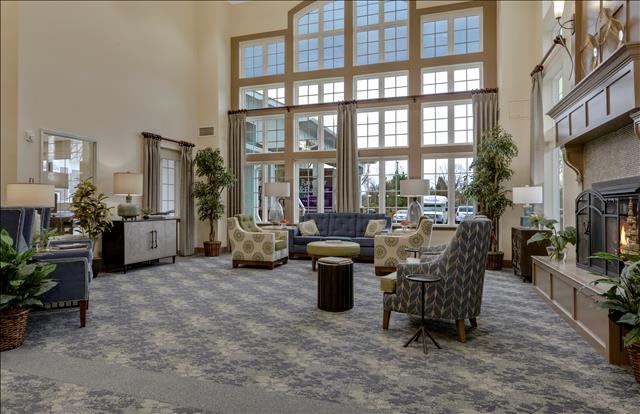
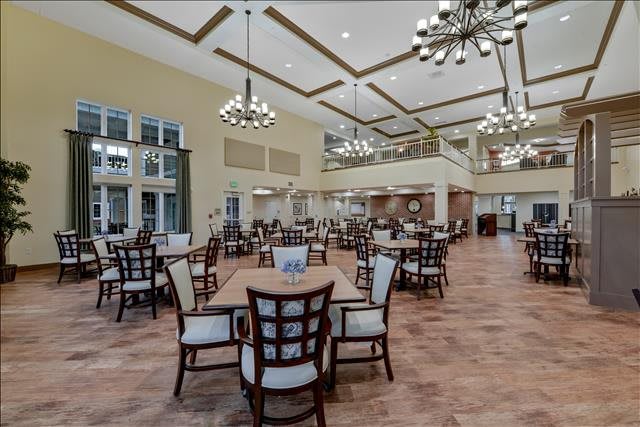
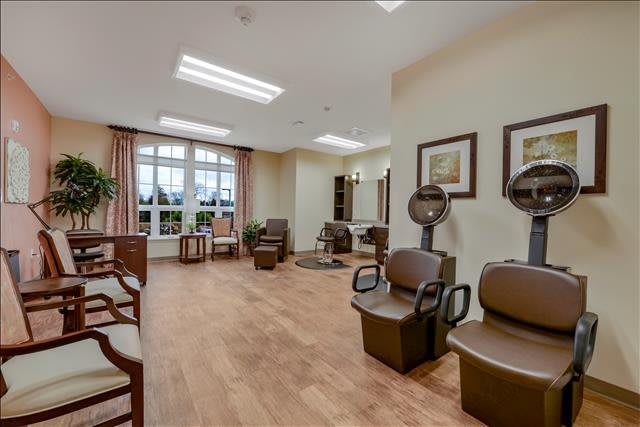
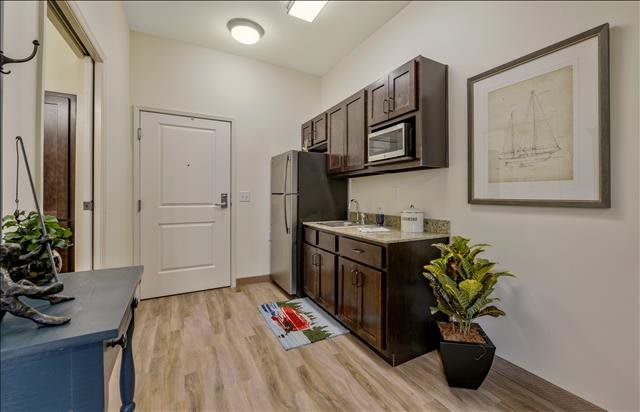
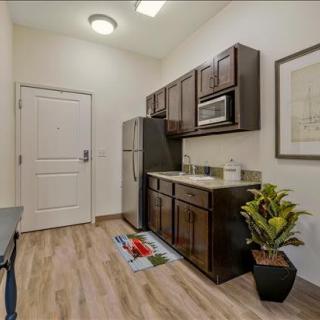
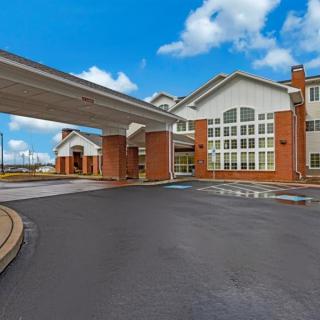
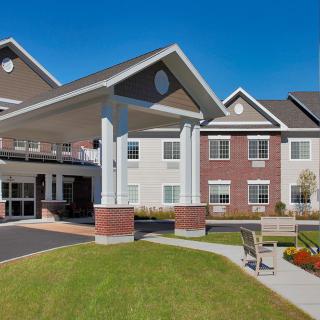
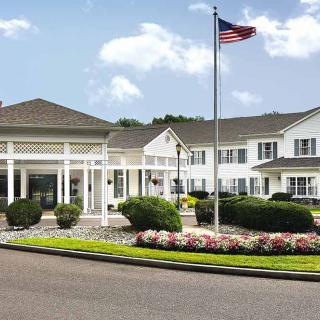
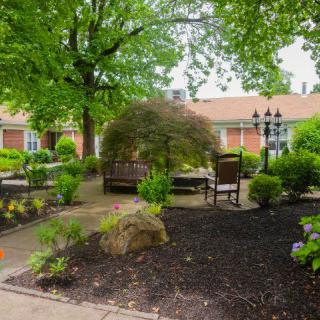
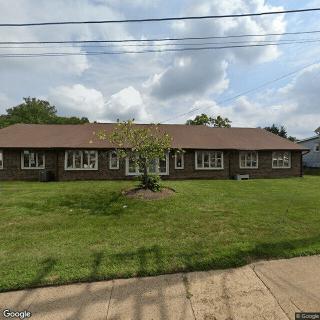
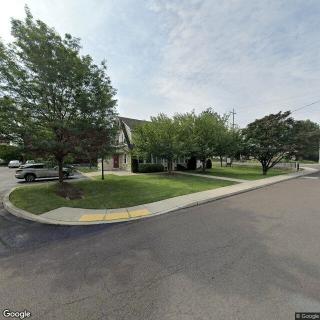
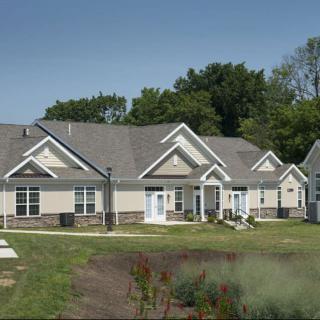
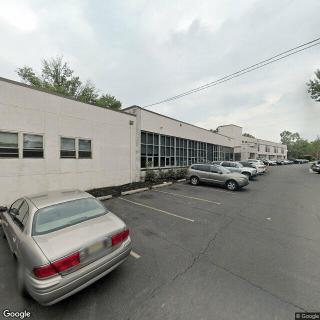
The Landing of Southampton on seniors.fyi includes 7 photos including images showing interior, windows, bedroom, dining, chandelier, spacious, salon, paintings, and more.
Nearby Communities
BrightStar Care of Lower Bucks and Southeast Montogmery Counties
Southampton, PA
4.9 from 43 reviews
Convenient location with nearby healthcare, dining options, parks, and cultural venues.
Holland Preserve
Holland, PA
4.3 from 4 reviews
Small, intimate 6-bed community with essential care services and good connectivity near parks and local amenities.
The Landing Of Southampton
Southampton, PA
3.9 from 83 reviews
Friendly staff, active activities, and brand-new, spacious apartments.
Symphony Manor of Feasterville Assisted Living and Memory Care
Feasterville-Trevose, PA
4.2 from 135 reviews
$4,700 to $5,120 / month
Caring staff with engaging activities in a welcoming environment.
Arcadia Home Care & Staffing Philadelphia
Southampton, PA
3.4 from 5 reviews
Excellent access to nearby dining, pharmacies, medical offices, transportation, and hospital.
Assisting Hands of Bucks County
Southampton, PA
Strong access to healthcare and nearby amenities.
Holland Village, a CCRC
Holland, PA
4 from 176 reviews
$2,225 to $6,235 / month
Modern facility with safety-oriented, spacious apartments, friendly staff, and a wide range of amenities.
Ann's Choice
Warminster, PA
2.5 from 15 reviews
Active social programs, attractive apartment options, and on-site rehabilitation.
Accela Rehab and Care Center at Somerton
Philadelphia, PA
4.2 from 138 reviews
$6,240 / month
Compassionate staff, clean environment, and strong rehab services.
Transitioning from assisted living to memory care is driven by an individual's cognitive decline and specific needs, requiring careful evaluation of indicators like increased confusion and wandering. The process involves consulting medical professionals, researching suitable communities, considering financial and legal aspects, and ensuring effective communication for personalized care plans.
The article differentiates between assisted living and memory care, explaining that assisted living supports seniors with daily activities while promoting independence, whereas memory care provides specialized services for individuals with dementia, focusing on secure environments and cognitive support. It also addresses staff training, safety considerations, costs, family involvement, and transition strategies for families navigating these care options.
The article outlines effective communication strategies for interacting with loved ones with dementia, highlighting the need for empathy, patience, and understanding while emphasizing supportive approaches like using simple language, minimizing distractions, and focusing on feelings over facts to maintain dignity and foster connection. It also suggests seeking professional guidance when needed as communication challenges evolve.
Cabinets, Kitchenette, Fridge, and Wooden Flooring
Get PricingAsk A QuestionSchedule A TourContact Senior Advisor
By clicking submit, you agree to our Partner's Terms of Use. You
also consent to receive calls and texts, which may be autodialed, from our Partner. Your consent is not a condition to
using our Partner's service. Please visit our Partner's Privacy Policy for information about their privacy practices.




 Assisted Living
 Memory Care
 Activities off-site
 Air-conditioning
 Beautician on-site
 Cable or satellite TV
 Devotional services off-site
 Ground floor units
 Handicap accessible
 Indoor common areas
 Kitchenette
 Outdoor common areas
 Private bathrooms
 Respite or short term stays offered
 Wheelchair accessible showers
 Wi-Fi/high-speed internet available
 Trenton-Mercer County (12 miles away)
 Ambulatory care
 Diabetic care
 High acuity care
 Incontinence care
 Medication management
 Anytime dining
 Art classes
 Catholic services
 Cooking classes
 Educational speakers / life long learning
 Jewish services
 Live well programs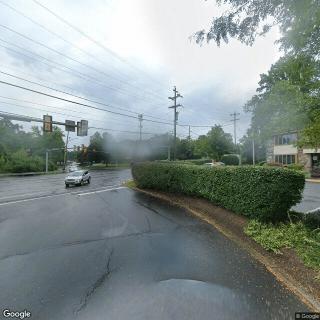
 Convenient location with nearby healthcare, dining options, parks, and cultural venues.
 When to Transition from Assisted Living to Memory Care: Key Indicators, Steps, and Finding the Right Community
 Understanding the Distinctions: Assisted Living and Memory Care Explained
 How to Communicate with a Loved One Living with Dementia: 10 Supportive Strategies