

735 Street Road, Unit 3, Southampton, PA 18966
To contact a resident: (215) 364-2341
For more information about senior living options: (866) 208-4318
Overall Review of Arcadia Home Care & Staffing Philadelphia
Pros
 Arcadia eased the family's burden during hospice.
- Arcadia handled everything and was very professional.
- Arcadia provided transportation for outpatient surgery and ensured the patient was picked up and taken home safely.
- Arcadia offered care for the parents during a desperate time, and the family was very pleased with their services.
Review
Arcadia Home Care & Staffing Philadelphia is best suited for families needing practical, hands-on in-home support that can quickly reduce caregiver burden during acute transitions, such as hospice moments, post-acute recovery, or urgent transport and supervision for medical appointments. The reviews point to a provider that steps in when time is of the essence, offering professional coordination that can take the pressure off anxious families. When a loved one is facing a hospice chapter or a surgical procedure, Arcadia’s capacity to mobilize caregivers, manage logistics, and ensure a safe handoff home matters. For households prioritizing relief from day-to-day caregiving duties while keeping care at home, Arcadia presents a compelling, action-oriented option.
Those weighing alternatives should note that Arcadia may not be the universal fit for every care scenario. Families seeking highly consistent, long-term, 24/7 clinical oversight or specialized memory care within a home setting may want to explore options designed for intensive ongoing supervision. The mix of reviews, three clearly positive notes alongside two low-rated experiences, signals variability in outcomes. In such cases, a more predictable staffing model or a facility-based arrangement with robust medical integration could deliver steadier continuity than what a small to mid-sized home-care outfit can consistently guarantee.
The strongest positives illuminate a clear practical advantage. First, Arcadia’s ability to ease the family burden stands out: families describe calm, confident hands taking charge of care tasks, which translates into real emotional relief during stressful moments. Second, there is a demonstrated professionalism in handling sensitive transitions, such as hospice involvement, where staff act as a reliable, competent extension of the family’s caregiving team. Third, transportation and logistics support, getting a loved one to outpatient appointments and bringing them home safely, addresses a recurrent pain point for families juggling medical needs with daily life. These benefits help offset the intangible costs of uncertainty that often accompany home-care arrangements.
Yet, the reviews also underscore legitimate cautions. The overall rating hover around 3.4 stars with noted low ratings, which signals that experiences can diverge substantially from case to case. The absence of a uniformly strong score hints at potential gaps in consistency, caregiver assignment, back-up coverage, or communication. For families, this means risk of variability in who shows up, how well tasks are coordinated, and whether the plan remains aligned with evolving medical needs. In high-need situations or where stable, round-the-clock attention is essential, that variability can become a meaningful hurdle.
Practical decision-making hinges on clarifying service structure before committing. Prospective clients should push for details on caregiver assignment practices, backup staffing, and supervisor oversight. Key questions include: how are caregivers matched to the client’s needs, what happens if a scheduled caregiver is unavailable, what is the response time for urgent calls, and how are care plans updated as medical situations change? Understanding pricing transparency, average caseloads per caregiver, and the process for escalating concerns will reveal whether Arcadia’s strengths align with the required level of reliability and continuity.
In the final analysis, Arcadia is a pragmatic choice for families needing immediate, professional in-home support that lifts the day-to-day load and ensures safe transitions in hospice or post-hospital contexts. The strength lies in its responsiveness, professional tone, and logistical competence that keeps care at home within reach when options are limited. However, for those requiring unwavering, 24/7 clinical supervision or highly specialized long-term programming, alternatives, whether a more tightly integrated home-health provider or a facility-based option, may deliver the steadier consistency and medical oversight those scenarios demand. The decision should hinge on the intensity of care required and the family’s tolerance for potential variability in caregiver coverage.
 Trenton-Mercer County (14 miles away)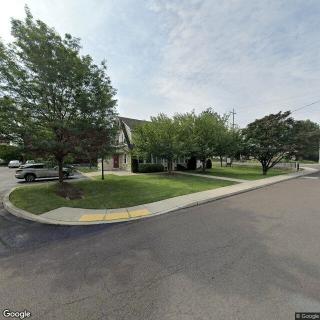







 Top Canine Companions for Older Adults
 Comprehensive Guide to Blood Pressure Charts for Older Adults: Understanding Normal and High Readings by Age
 Financing Long-Term Nursing Home Care Through Social Security: A Thorough Exploration