
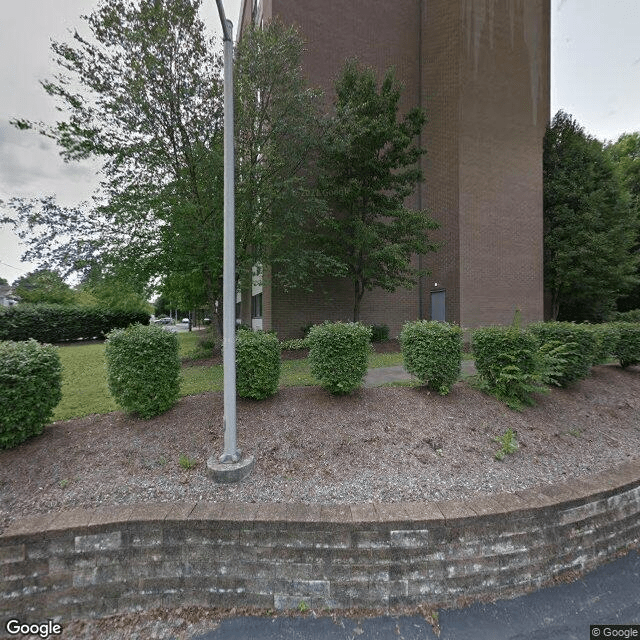
52 S Mercer Ave, Sharpsville, PA 16150
To contact a resident: (724) 962-4988
For more information about senior living options: (866) 208-4318
Overall Review of Wade D Mertz Assoc
Cons
 A staff member’s interaction was poor and very unhelpful, bordering on a power-tripping tyrant.
- A woman in the office did not wear a mask to protect others from COVID and refused to wear one despite claiming there were sick tenants in the building.
- They would not recommend this complex.
Review
Wade D Mertz Assoc in Sharpsville, PA is best suited for families seeking a small, straightforward living environment where resident advocacy and active family involvement can compensate for the absence of a highly polished staff culture. The setting appears to be a practical, no-fruss atmosphere that can work for seniors who are comfortable taking a hands-on role in monitoring care, coordinating services, and staying on top of day-to-day interactions with staff. It suits those who prioritize familiarity and a simpler, budget-conscious option over a facility that markets a highly structured, management-heavy experience.
Those who should consider alternatives are families seeking consistently strong customer service, a clearly supportive management presence, and a track record of cohesive teamwork across shifts. The most concerning takeaway from the available feedback is the troubling interaction with a staff member described as unhelpful and domineering, which can create an atmosphere of distrust and fear rather than reassurance. With only a handful of five-star endorsements and multiple low-star reports, the reliability of everyday experience remains uncertain, and potential residents should weigh that variability against any appealing price or location factors.
On the upside, the high-end star ratings from a portion of reviewers suggest there are moments or situations when the community delivers positive, satisfactory experiences. When staff engagement is constructive, residents may feel well cared for, comfortable, and attended to in a way that supports independence and routine daily living. Those favorable impressions, however, appear to hinge on the behavior and approach of specific staff members rather than on a consistently demonstrated standard across the operation. That pattern implies that the pros exist in pockets rather than as a guaranteed framework of service.
The central tension, then, is whether the positive episodes can outweigh the risk of inconsistent care due to leadership and staff dynamics. If the facility invests in robust training, clear accountability, and dependable supervisory oversight, the positive dimensions could become reliable rather than episodic. Without that structural improvement, the strong positives risk being undermined by episodes of poor conduct or overbearing behavior from individual staff members. In practical terms, families must assess not just what the setting can offer on paper, but how well management enforces respectful, resident-centered interactions 24/7.
In evaluating tours and conversations, focus on concrete, verifiable practices: ask for the staff-to-resident ratio at various times of day, who covers weekends and vacations, how conflicts are resolved, and what oversight mechanisms exist to address complaints. Seek explicit explanations about training programs, continuous supervision, and how leadership models expectations for respectful care. Request recent references from families with residents at similar acuity levels and inquire about any formal pathways to escalate concerns. Ensure that contracts spell out what is included in basic services, how additional assistance is billed, and the process for adjusting care plans as needs evolve.
Ultimately, Wade D Mertz Assoc may be a reasonable choice for those who can actively supervise care, tolerate occasional interpersonal friction, and value a compact, straightforward environment. For families prioritizing consistently warm, unambiguous support and a predictable, well-coordinated care culture, it is prudent to explore alternatives with stronger track records in staff cohesion and resident advocacy. The decision hinges on whether the positives witnessed in a minority of reviews can be transformed into everyday reality through stronger governance, and whether comfort with hands-on oversight remains acceptable given the current concerns about staff interactions.
 Assisted Living
 Activities on-site
 Devotional services off-site
 Indoor common areas
 Ambulatory care
 Diabetic care
 Meals provided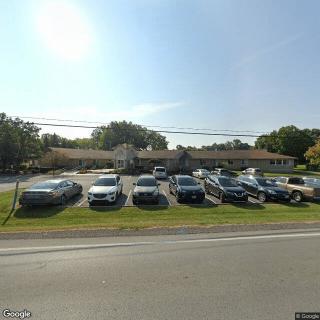
 Some staff are kind and attentive; facility is generally clean.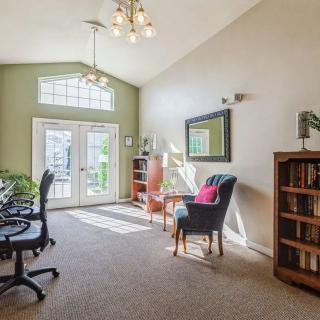



 Exploring the Contrasts Between Assisted Living and Skilled Nursing
 8 Key Indicators That Suggest It May Be Time to Transition from Assisted Living to Skilled Nursing Care
 Vibrant Senior Living: A Comprehensive Guide for Active Older Adults