
200 Orange Dr, Hermitage, PA 16148
To contact a resident: (724) 346-4096
For more information about senior living options: (866) 208-4318
Overall Review of Orange Village
Pros
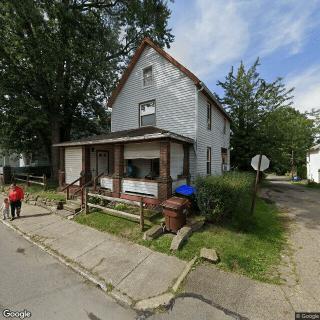
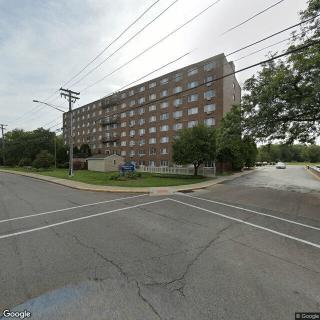
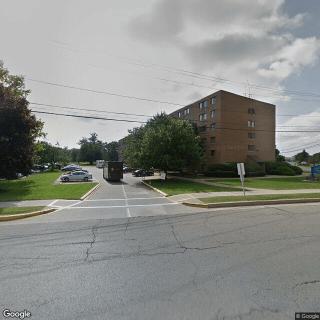
 It looks very nice and well kept.
- It is a very fun place with basketball and plenty of land to play football.
- Neighbors are peaceful.
- The staff is pleasant.
Cons
 The management and staff are poor.
- It sucks.
Review
Orange Village in Hermitage, PA is best suited for older adults who want a charming, neighborly setting with real outdoor space and a homey, low-stress rhythm. The grounds come across as well-kept and welcoming, with a vibe that hints at a small-town feel where residents can enjoy casual activities and outdoor time. This community works well for independent seniors who value a peaceful, social everyday life over formal, high-amenity care. Families seeking a place where neighbors look out for one another and where daily routines revolve around accessible recreation will likely find the atmosphere appealing. It is not the right fit for those who require consistent, hands-on assistance or highly responsive professional management on a day-to-day basis.
The strongest clarity from the reviews is that management and staffing are a significant concern. Word of mouth highlights a pattern of issues around leadership, with repeated complaints about poor management and inconsistent staff responsiveness. That message runs counter to any sense of dependable operations, and it creates unease for families considering long-term residence where care coordination and timely communication matter. While a few comments acknowledge attentive or pleasant individuals on the team, the prevailing sentiment centers on gaps in oversight and reliability that can affect daily life and problem resolution.
Nevertheless, the community’s aesthetic and social potential remains a tangible pro. Look-and-feel matters, and Orange Village delivers a neat, cared-for environment that signals respect for residents and their surroundings. The property offers outdoor space and familiar activities such as basketball and casual neighborhood interaction, which can sustain a lively, low-key social calendar for residents who value informal recreation and neighborly contact. In a scenario where independence is the priority and care needs stay light, these elements can create ongoing satisfaction and a sense of belonging that helps offset other uncertainties.
The main cons, unclear or inconsistent leadership, and questions about how promptly staff respond to concerns, tend to weigh more heavily as care needs change or as routines become more demanding. For residents who require predictable schedules, proactive care management, or quick escalation of problems, these administrative gaps can quickly erode confidence and safety. The contrast between a pleasant demeanor among some staff members and a broader view of unreliable operations creates a risk/return calculus that families must weigh carefully. The question becomes whether the environment’s warmth and outdoor life are enough to justify potential compromises in governance and care responsiveness.
In practical terms, this community will likely serve best those who prioritize environment and social life over formal care governance. Prospective residents who are largely independent, enjoy outdoor activities, and appreciate a warm, small-community feel may find Orange Village a satisfying home. Those with growing needs for assistance, memory support, or more structured daily routines should consider alternatives with stronger, more consistent management and clearer care protocols. The decision hinges on the anticipated trajectory of care needs and the tolerance level for leadership variability.
For families leaning toward a decision, several steps can sharpen the lens. During visits, probe management structure: who is responsible for operations, how staffing levels are maintained, and what the escalation process looks like for issues that arise after hours. Request transparent calendars for activities and meals, maintenance response times, and recent resident satisfaction feedback. Meet current residents and observe how staff interactions unfold in real time, not just through promised promises. If alignment emerges between the desired independent lifestyle and the community’s communal vibe, Orange Village can be a compelling choice. If, instead, steadfast reliability, proactive problem-solving, and consistent staffing are non-negotiable, it will be prudent to explore alternatives with stronger operational tracks.
 Independent Living




 Understanding the Nuances of Palliative Care and Hospice: A Comprehensive Exploration
 Fecal Incontinence in Older Adults: A Comprehensive Guide
 Nurturing Well-Being Through Gardening: A Detailed Guide for Senior Enthusiasts