
245 Parkway, Schuylkill Haven, PA 17972
To contact a resident: (570) 385-3400
For more information about senior living options: (866) 208-4318
Overall Review of Schuylkill Housing Authority
Pros
 The staff are nice and helpful.
- The staff were very friendly and answered all questions.
- Tammy was well-spoken and eager to help with the proper documents.
- The development is beautiful and the staff are wonderful.
- They are really nice people who only want to help.
- All the staff are helpful and understanding, especially for retired and disabled residents.
Cons
 They don’t return phone calls or emails.
- They place notices on residents’ doors at the end of the day so residents can’t call them about it.
- They rarely answer the phone or return calls, with weeks of messages left unanswered.
- Applicants report that housing applications can take over a year to receive a response, and when they do respond, they claim the application was incomplete despite all required paperwork being provided.
Review
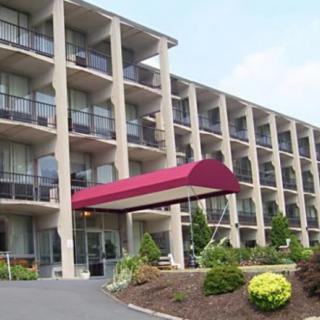
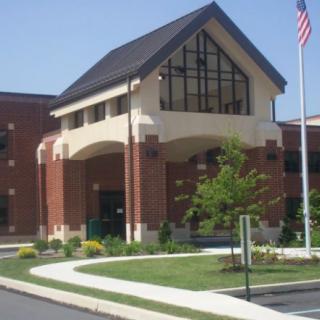
Schuylkill Housing Authority in Schuylkill Haven is best suited for low- to moderate-income seniors and disabled adults who want affordable housing within a pleasant, well-maintained development and who can navigate a hands-on, in-person support culture. The on-site presence of staff and a development that many reviewers describe as beautiful provides a comforting, community-friendly atmosphere. For residents who can visit the office, talk with staff directly, and rely on face-to-face interaction to move paperwork forward, the experience often feels personal and supportive.
Those who should consider alternatives are primarily applicants and residents who rely on prompt, reliable communication as part of daily life. Several reviews flag difficulty reaching the office by phone or via email, with notices sometimes delivered at the end of the day, complicating the ability to address them promptly. The impression given by some accounts is of a system that works better in person than through remote channels, which can be a significant drawback for families or individuals who depend on timely responses to maintain housing eligibility or resolve issues quickly. Additionally, concerns about targeted treatment or harassment, reported by a minority of reviewers, create a sense of unpredictability and may push prospective residents toward options with clearer, more consistent standards and outreach.
The strongest positives, friendly, helpful staff, and a welcoming in-person culture, do help offset the downsides in meaningful ways. Observers repeatedly describe staff as courteous, eager to help with documentation, and capable of explaining complex requirements when interaction occurs face-to-face. The development itself is repeatedly praised as beautiful, with residents and visitors noting that the environment fosters a sense of belonging and stability. When a staff member is engaged and available in person, the system can feel responsive and humane, especially for retirees and disabled residents who require straightforward, compassionate assistance.
Yet the main drawbacks are not easily dismissed. Inconsistent phone accessibility and delayed callbacks undermine confidence in the administration’s reliability, particularly for applicants trying to complete long, paperwork-intensive processes. Notices left at doors at closing time appear designed to minimize immediate discussion, which in practice can escalate confusion and anxiety. Reports of uneven processing of applications, such as unclear reasons for rejection or incomplete feedback, add another layer of risk, increasing the likelihood of avoidable delays. For families balancing care decisions, these friction points can translate into real stress, making wait times and miscommunications a decisive factor.
Prospective residents should approach with a concrete plan to counter the friction. First, arrange in-person meetings to establish a direct line of contact with a staff member who can shepherd the application through the process. Second, request written confirmations for all communications and keep careful records of every document submitted and every notice received. Third, seek a designated caseworker or point person to minimize back-and-forth and ensure timely follow-ups. Fourth, verify expected response times and establish a backup contact in case the primary liaison is unavailable. Finally, consider bringing an advocate or trusted family member to reviews and tours to ensure questions are thoroughly addressed and to press for clarity on any concerns about fairness or policy.
In the final analysis, Schuylkill Housing Authority offers a credible, affordable housing option for seniors and disabled adults who value a tangible, community-first atmosphere and can tolerate a degree of communication variability. The highly regarded in-person support and the attractive development balance against a mixed record of responsiveness and the potential for uneven handling of applications or notices. Families who prioritize cost efficiency and personal interactions, and who can actively manage documentation and scheduling, will likely find this community workable. Those who require consistently rapid communication, transparent processes, and uniform treatment may want to compare other options where administrative friction is less likely to delay housing decisions or daily stability.
 Assisted Living
 Activities on-site
 Devotional services off-site
 Indoor common areas
 Ambulatory care
 Diabetic care
 Meals provided


 Understanding the True Cost of Assisted Living in 2025: A Comprehensive Guide
 Understanding Medicaid Coverage for Assisted Living: A Comprehensive Guide
 How and When Medicaid May Cover Assisted Living Costs