
Legacy Oaks Drive, Richboro, PA 18954
For more information about senior living options: (866) 208-4318
Legacy Oaks at Northampton is a senior community in Richboro, PA.
Information last verified:
Legacy Oaks Drive, Richboro, PA 18954
For more information about senior living options: (866) 208-4318
 6 resident community capacity
 Active Adult Communities (55+)
 Housekeeping services
 Telephone
 Wi-Fi/high-speed internet available
 Trenton-Mercer County (12 miles away)
 Assistance with dressing
 Meal preparation and service
 Medication management
 Diabetes diet
 Special dietary restrictions
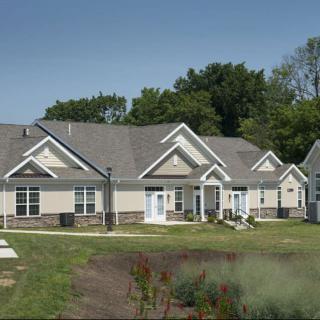
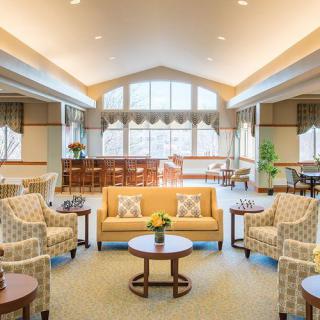
Legacy Oaks at Northampton in Richboro, PA is an assisted living community specifically designed to provide a comfortable and convenient lifestyle for seniors. With a range of amenities and care services, residents can enjoy their independence while receiving the necessary support.
The community offers telephone and Wi-Fi/high-speed internet access, ensuring that residents can easily stay connected with their loved ones and the world around them. The well-equipped dining area provides meal preparation and service, catering to individual dietary restrictions and preferences. This ensures that all residents receive nutritious and delicious meals.
Care services are also provided at Legacy Oaks at Northampton. Medication management is available to ensure that residents take their medications correctly and on time. This gives peace of mind to both residents and their families, knowing that their health needs are being taken care of.
Situated in Richboro, the community enjoys a prime location with various amenities nearby. One café is within close proximity, providing a cozy spot for residents to relax or meet with friends. There are also several parks where residents can enjoy outdoor activities or go for leisurely walks. In addition, nine pharmacies are conveniently located nearby for any medication needs.
Residents will have easy access to three physicians who are in close proximity to the community. This ensures prompt medical attention whenever needed. For dining options, there are ten restaurants nearby offering a variety of cuisines to cater to different tastes.
Transportation services are available for residents who may need assistance getting around. Whether it's running errands or attending appointments, reliable transportation is just a phone call away. Moreover, three places of worship are located nearby, allowing residents to continue practicing their faith conveniently.
Lastly, with one hospital located close by, residents can rest assured knowing that emergency medical facilities are readily accessible in case of any health concerns.
Overall, Legacy Oaks at Northampton provides an inclusive living environment with essential amenities and care services tailored to meet the unique needs of seniors seeking assisted living in Richboro, PA.
Legacy Oaks at Northampton is located at Legacy Oaks Drive, Richboro, PA 18954 in Bucks County, Pennsylvania

Brookdale Northampton
Richboro, PA
 Friendly staff and engaging activities.
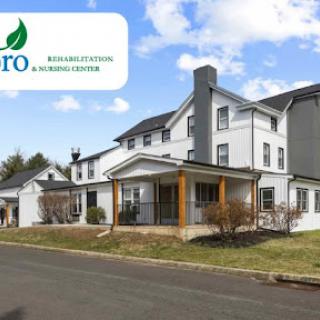
Richboro Rehabilitation & Nursing Center
Richboro, PA
Attentive, compassionate staff with good care coordination in a home-like setting.
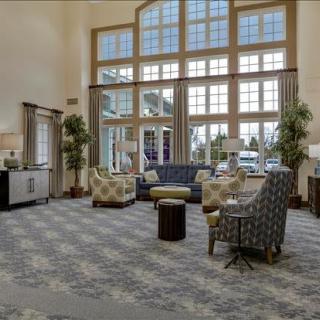
The Landing of Southampton
Southampton, PA
Beautiful, hotel-like setting with high-quality dining and improving management.
BrightStar Care of Lower Bucks and Southeast Montogmery Counties
Southampton, PA
Convenient location with nearby healthcare, dining options, parks, and cultural venues.
Achilles Care
Southhampton, PA

Ivygreene
Warminster, PA
Quality care with meal prep, medication management, and convenient access to nearby services.
Holland Village, a CCRC
Holland, PA
Modern facility with safety-oriented, spacious apartments, friendly staff, and a wide range of amenities.
Ann's Choice
Warminster, PA
Active social programs, attractive apartment options, and on-site rehabilitation.
Chandler Hall
Newtown, PA
Compassionate staff with personalized care, engaging activities, and a convenient location.
 Exploring Palliative Care in the Home: A Comprehensive Overview
Palliative care enhances the quality of life for seriously ill patients by providing comprehensive support at home through a multidisciplinary team, addressing various needs and prioritizing comfort over curative treatments. While it offers personalized care and involves family in decision-making, challenges like caregiver stress and logistical issues persist, with growing demand prompting advancements in technology and healthcare policies to improve access.
 Comprehensive Insights into Palliative Home Care: What It Is and What to Expect
Palliative home care focuses on improving the quality of life for individuals with serious illnesses by providing comfort, symptom management, and emotional support in their own homes. This approach includes personalized care plans, regular assessments, and resources for family caregivers, all while prioritizing person-centered treatment that aligns with patients' goals.
 Skilled Nursing Facilities vs. Nursing Homes: Making Sense of the Differences
Skilled nursing facilities (SNFs) provide high-level medical care and rehabilitation for short-term recovery, typically covered by Medicare after hospitalization, while nursing homes focus on ongoing custodial care for chronic conditions, mainly funded by Medicaid or private payments. The staffing and regulatory structures differ significantly between the two, necessitating clarity for families in choosing appropriate long-term care options.