Overall Review of Richboro Rehabilitation & Nursing Center
common34 reviews mention this
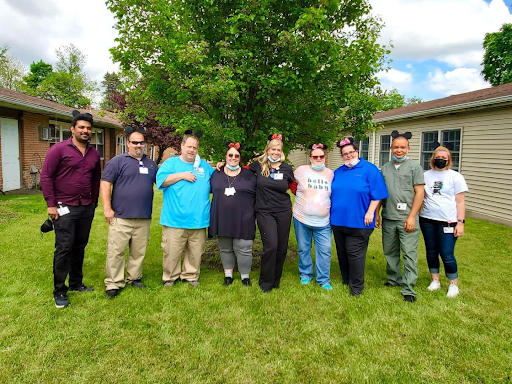
Caregivers are consistently attentive
Residents and families repeatedly describe attentive, caring staff.
Across many reviews, families say staff were kind, responsive, and available with help and communication. Multiple reviewers call out nurses, aides, and therapy staff as particularly engaged, and several note that questions and concerns were handled quickly. A common thread is that residents were treated with dignity and that staff made the experience easier for families during transitions and recovery.
common25 reviews mention this
The facility is repeatedly described clean
Many reviewers mention a clean, well-kept environment.
Cleanliness comes up often, with reviewers describing the building as very clean and well maintained. Several mention the rooms being cleaned daily and note overall presentation that felt comfortable for visits or recovery. A few reviews include specific complaints, but they do not outweigh the repeated theme of cleanliness and upkeep.
differentiator8 reviews mention this
Rehab progress and therapies stand out
Reviews frequently connect therapy with real functional gains.
Residents and families describe physical therapy as knowledgeable and encouraging, often tying it to progress such as improved walking, getting back to basic abilities, or adjusting to a new recovery routine. Several reviewers also mention that therapy teams worked with people in a way that felt supportive emotionally, not just physically. The community’s wellness-focused setup and scheduled daily activities align with these day-to-day therapy routines that families describe.
common6 reviews mention this
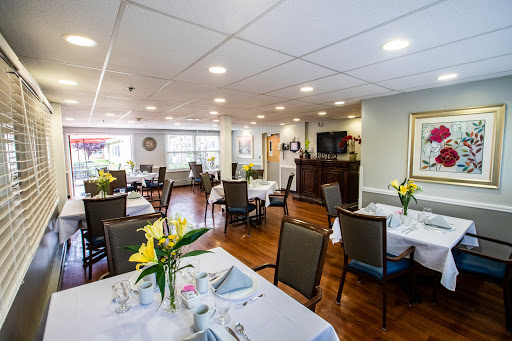
Dining is mixed, but options exist
Dining shows up as an everyday factor, with mixed impressions.
Some reviewers say the food looks good, smells good, or that it was quite good, while others rate it lower or mention meals arriving lukewarm. The community offers restaurant-style dining and meal preparation, and it also supports diabetes diets and special dietary restrictions mentioned in the offerings. That combination helps explain why some families feel satisfied while others focus on temperature or overall quality.
caveat2 reviews mention this
Parking can be limited
A recurring concern is that parking may be tight.
At least a couple of reviews suggest more parking would help, framing it as a practical limitation for visits. While many other aspects of the facility are described positively, this is one issue that comes through plainly for families and visitors planning to spend time on-site.
How we summarize
Counts show how many written reviews mention each theme; a review can touch several themes, and only frequently mentioned themes are displayed.
Features
Housing
82 resident community capacity
Types of Care
Skilled Nursing Facility
Amenities
Air-conditioning
Beauty salon
Cable or satellite TV
Computer center
Dining room
Fitness room
Fully furnished
Gaming room
Garden
Housekeeping services
Kitchenette
Move-in coordination
Outdoor space
Private bathrooms
Restaurant-style dining
Small library
Telephone
Wellness center
Wi-Fi/high-speed internet available
Transportation
Trenton-Mercer County (10 miles away)
Community operated transportation
Transportation arrangement
Transportation arrangement (non-medical)
Transportation to doctors appointments
Care Services
12-16 hour nursing
24-hour call system
24-hour supervision
Activities of daily living assistance
Assistance with bathing
Assistance with dressing
Assistance with transfers
Diabetes diet
Meal preparation and service
Medication management
Mental wellness program
Special dietary restrictions
Dining
Diabetes diet
Special dietary restrictions
Activities
Community-sponsored activities
Concierge services
Fitness programs
Planned day trips
Resident-run activities
Scheduled daily activities
Videos
Nearby Places of Interest
Pharmacies
CVS Pharmacy (1 miles)
Walgreens (1 miles)
Rite Aid (3.3 miles)
CVS Pharmacy (3.6 miles)
CVS Pharmacy (3.6 miles)
Walgreens (5 miles)
CVS Pharmacy (5.4 miles)
Restaurants
McDonald's (1.1 miles)
Taco Bell (1.2 miles)
Chick-Fil-A (2.9 miles)
Iron Hill Brewery & Restaurant (3.1 miles)
Debbie's Place (4.6 miles)
McDonald's (4.9 miles)
McDonald's (5.1 miles)
Physicians
Wrightstown Family Medicine (2.2 miles)
Wrightstown Family Medicine (2.7 miles)
CHOP Primary Care (4.5 miles)
Oral & Maxillofacial Surgery Centers (4.5 miles)
Central Bucks Family Practice (5.2 miles)
Stoltz and Hahn Family Practice (5.7 miles)
Hatboro Medical Associates (6.3 miles)
Parks
Tyler State Park (2.5 miles)
Washington Crossing Historic Park (8.2 miles)
Delaware River Canal Tow Path (8.6 miles)
Homested Park (9.9 miles)
Places of Worship
St Luke's Episcopal Church (3.4 miles)
New Beginnings Church (4.8 miles)
Neshaminy Warwick Presbyterian Church (5.3 miles)
Hospitals
St Mary Rehab Hospital (4 miles)
Frankford Hospital-Bucks County (7.7 miles)
Holy Redeemer Hospital (9.2 miles)
Abington Memorial Hospital (9.8 miles)
Abington Hospital, Widener Building (9.9 miles)
Trenton Psychiatric Hospital (10.3 miles)
Hunterdon Medical Center-Lambertville Rescue Squad (10.7 miles)
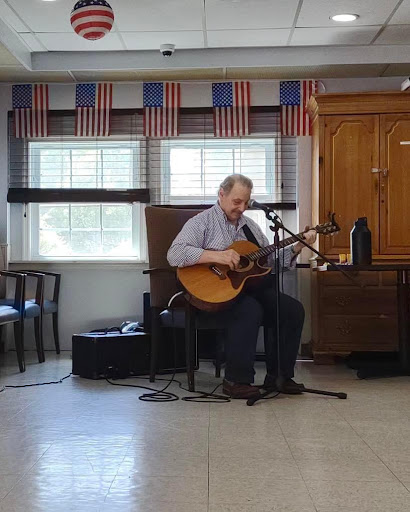
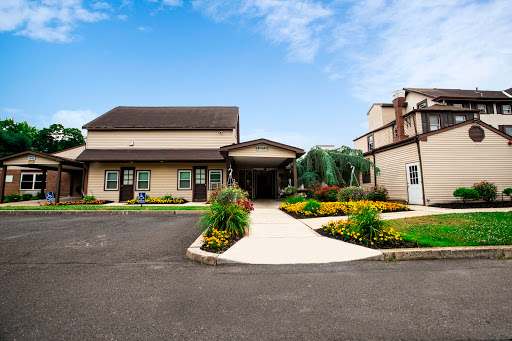
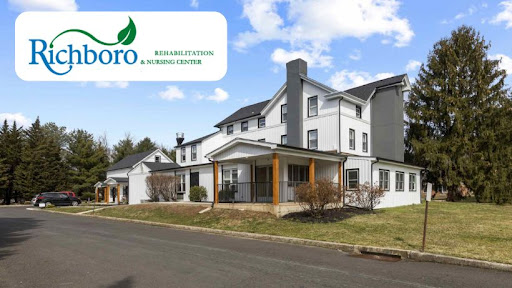
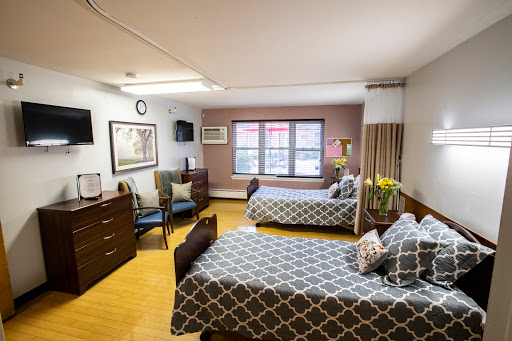
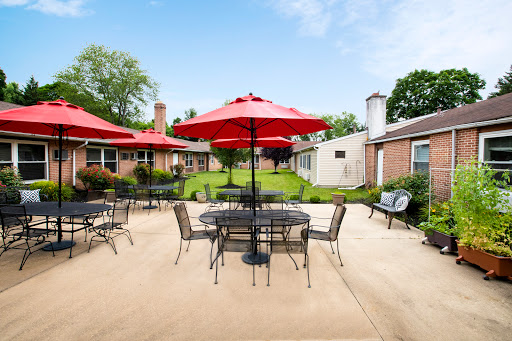
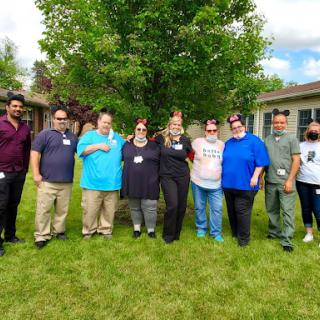
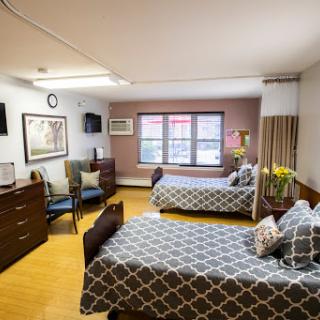
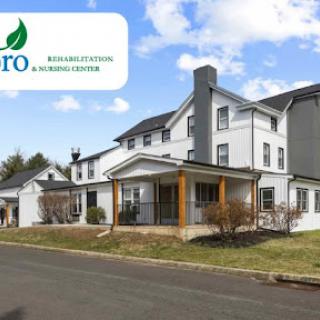
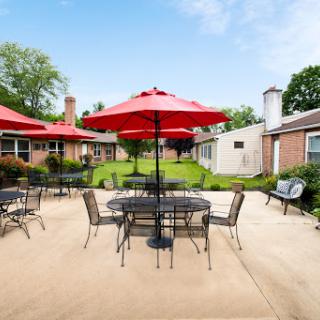
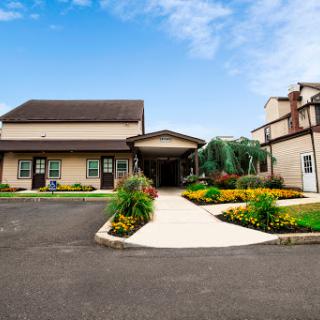
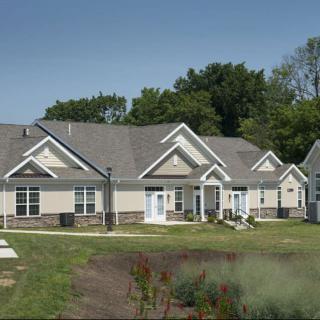
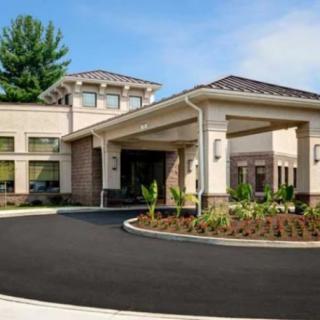
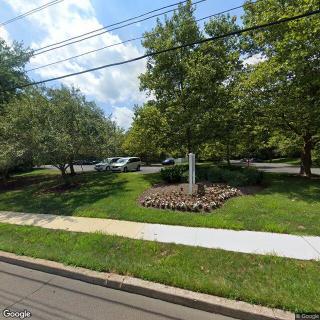
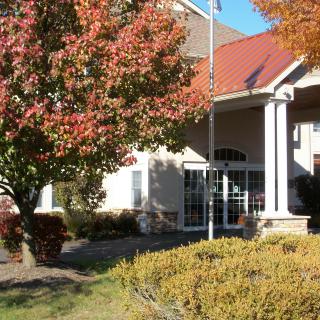
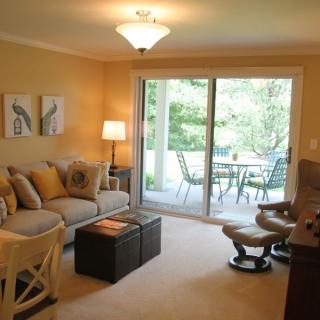
Richboro Rehabilitation & Nursing Center on seniors.fyi includes 7 photos including images showing landscaping, building, dining, interior, bedroom, outdoors, bright lighting, entrance, and more.
Nearby Communities
Brookdale Northampton
Richboro, PA
4.4 from 71 reviews
$4,275 to $5,990 / month
Friendly staff and engaging activities.
Legacy Oaks at Northampton
Richboro, PA
Small, intimate community with medication management and transportation.
Regency at Northampton
Holland, PA
Vibrant assisted living with convenient access to parks, pharmacies, physicians, restaurants, places of worship, and hospitals; personalized dining and care services.
Holland Village, a CCRC
Holland, PA
4 from 176 reviews
$2,225 to $6,235 / month
Modern facility with safety-oriented, spacious apartments, friendly staff, and a wide range of amenities.
Twining Hall
Holland, PA
3.8 from 116 reviews
Comprehensive care continuum (Independent Living, Memory Care, Skilled Nursing) with extensive amenities and 24/7 support.
Twining Village
Southampton, PA
3.4 from 128 reviews
Attractive grounds and a welcoming environment with caring staff when available.
Chandler Hall
Newtown, PA
4 from 102 reviews
$1,995 to $6,600 / month
Compassionate staff with personalized care, engaging activities, and a convenient location.
Pickering Manor a CCRC
Newtown, PA
4.7 from 42 reviews
$1,180 to $4,100 / month
Caring staff in a clean, engaging community with strong dining and activities.
Pennswood Village
Newtown, PA
4.4 from 36 reviews
Friendly, knowledgeable staff with extensive amenities.
Fecal incontinence, prevalent among older adults, arises from factors like weakened pelvic muscles and nerve damage, significantly affecting well-being and social interactions. Diagnosis involves clinical evaluation and tests to inform tailored treatments, while caregivers and preventive measures can aid in managing the condition effectively.
Anticipatory grief is an emotional response to the impending loss of a loved one, characterized by complex emotions such as sadness and anger, and involves navigating stages similar to those identified by Kübler-Ross. Coping strategies are vital for managing this process, emphasizing compassionate communication, self-care, and support groups while recognizing the cultural influences on grieving.
Adult day care programs offer essential support and activities for older adults, yet many hesitate to participate due to concerns about independence and stigma. To alleviate these apprehensions, families should facilitate open discussions, explore financial resources, suggest trial visits, and collaborate with healthcare providers to highlight the benefits of such services for both the participants and their caregivers.
Get PricingAsk A QuestionSchedule A TourContact Senior Advisor
By clicking submit, you agree to our Partner's Terms of Use. You
also consent to receive calls and texts, which may be autodialed, from our Partner. Your consent is not a condition to
using our Partner's service. Please visit our Partner's Privacy Policy for information about their privacy practices.

 82 resident community capacity
 Skilled Nursing Facility
 Air-conditioning
 Beauty salon
 Cable or satellite TV
 Computer center
 Dining room
 Fitness room
 Fully furnished
 Gaming room
 Garden
 Housekeeping services
 Kitchenette
 Move-in coordination
 Outdoor space
 Private bathrooms
 Restaurant-style dining
 Small library
 Telephone
 Wellness center
 Wi-Fi/high-speed internet available
 Trenton-Mercer County (10 miles away)
 Community operated transportation
 12-16 hour nursing
 24-hour call system
 Activities of daily living assistance
 Assistance with bathing
 Assistance with dressing
 Assistance with transfers
 Diabetes diet
 Medication management
 Mental wellness program
 Special dietary restrictions
 Concierge services
 Planned day trips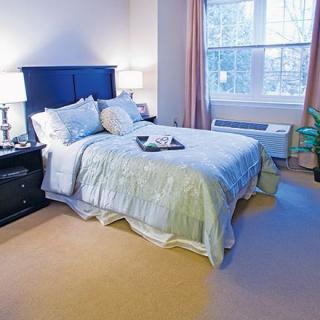
 Friendly staff and engaging activities.

 Fecal Incontinence in Older Adults: A Comprehensive Guide
 Recognizing the Journey: Understanding and Navigating Anticipatory Grief
 Encouraging Participation in Adult Day Care: A Guide to Supporting a Hesitant Parent