Twining Hall

Save

Twining Hall

280 Middle Holland Road, Holland, PA 18966

For more information about senior living options: (844) 490-3973

3.8 from 100 reviews
5 stars
61
4 stars
10
3 stars
3
2 stars
1
1 stars
25

Independent Living Memory Care Skilled Nursing Facility

What level of care are you interested in?

Assisted Living

Memory Care

Independent Living

Skilled Nursing Facility

Continuing Care Retirement Community (CCRC)CCRC

Other


Request a tour at Twining Hall

    Overall Review of Twining Hall

    Pros

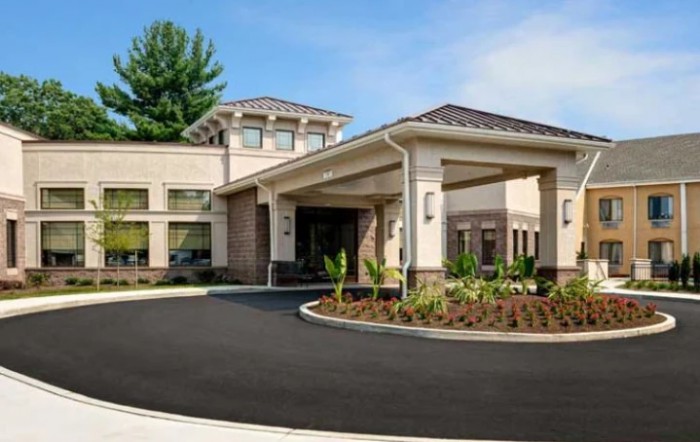
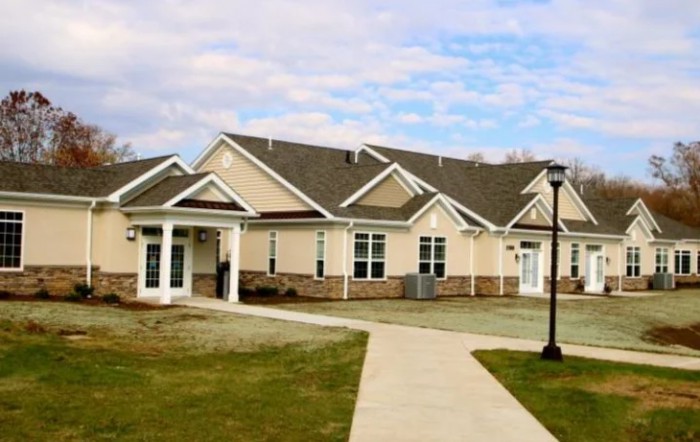
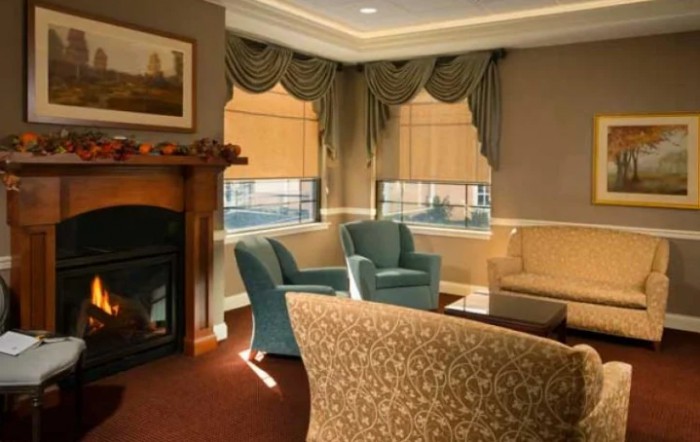
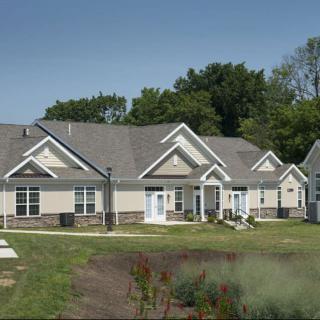
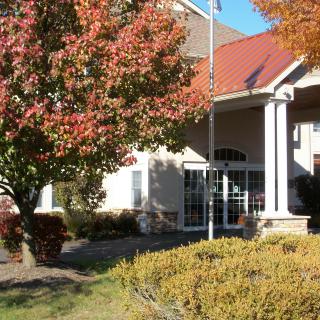
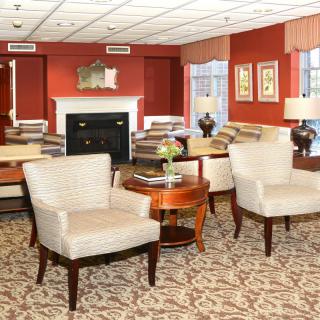
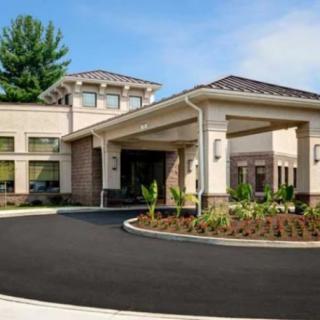
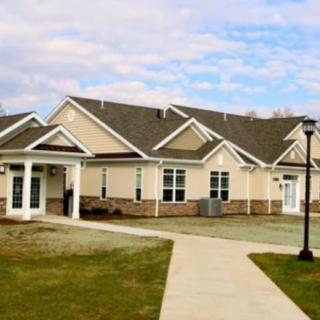
    • pro The facility is beautifully maintained inside and out, with a clean and inviting atmosphere.
    • pro The nursing staff provides exceptional care for all residents.
    • pro The staff are friendly, welcoming, and consistently involved with residents.
    • pro There are numerous activities for residents, including creative and social events.
    • pro Residents can enjoy restaurant-style dining in the main dining room or have meals delivered to their rooms.
    • pro The campus is beautifully landscaped with wildlife, adding to the pleasant living environment.
    • pro Executive Director Kathy is warm and compassionate, helping families and their loved ones feel safe and comfortable.
    • pro Deb in Independent Living is a fabulous resource and a valuable support for families.

    Cons

    • pro The reviewer claimed the facility is a scam.
    • pro There were communication problems with some staff.
    • pro There was poor follow-up after an unrecommended discharge.
    • pro They felt they were treated like trash by staff because they couldn't manipulate them.
    • pro Nursing in the rehab part was horrible, with neglect that led to a 911 call and the patient needing a ventilator.
    • pro X-rays reportedly showed new fractured ribs with no explanation.
    • pro The facility reportedly kept the father's license, requiring a duplicate and failing to contact or mail it.

    Review

    The array of experiences shared about the Holland Village/Holland Center campus paints a picture of a long-standing community anchor that people turn to for a wide range of elder care services. The campus, praised for its beauty and meticulous upkeep, is described by many as a well-maintained place inside and out, with residents benefiting from a comprehensive spectrum of care options including independent living, personal care, rehabilitation, memory care, and hospice support. Valued by families and professionals alike, it has earned a reputation as a staple in the area for more than four decades, with a sense of familiarity that comes from years of service and continuity.

    Several reviews highlight the people who guide and support residents on a day-to-day basis. The Executive Director, Kathy, is repeatedly recognized for warmth and a compassionate approach that helps families and loved ones feel safe and comfortable. Tanya, the marketing director, is described as a listen-first professional who brings knowledge to families at pivotal moments. Deb in Independent Living is repeatedly praised as a tremendous resource who helps families navigate moves and logistics, while Lee Beth in social services is lauded for her steady guidance and calm, compassionate problem-solving. In the rehab and memory care spaces, the director Sam Smith and the staff, including nurses and aides, are remembered for their open doors and supportive presence, especially during challenging times.

    The campus is portrayed as a living community with a robust set of amenities and programming. Reviewers note 24-hour nursing, regular physician and nurse practitioner visits, and a strong emphasis on activities that keep residents engaged - creativity in programming, social events like spring flings and pajama parties, and opportunities to dine in a main dining room with restaurant-style meals or have meals delivered to rooms. The physical environment is consistently praised, with a beautifully landscaped campus that features lush greenery and wildlife such as deer, rabbits, and birds, contributing to a sense of serenity and escape. The overall atmosphere is described as welcoming and energetic, with staff and residents often seen participating together in a variety of activities, suggesting a community that feels like a family.

    On the rehab side, many accounts are highly positive. Families describe the rehab department as exceptionally supportive, with nurses, aides, and therapists who focus on safety and confidence as residents transition back home. Several testimonials mention specific staff members who stood out for their responsiveness and dedication, such as Amanda, the head nurse in one account, and the broader team that invested time and care during extended stays - sometimes totaling weeks or months - before discharge. A number of families recount experiences of months-long rehab journeys in which they felt heard, respected, and valued, culminating in a sense of gratitude for improved health and a smoother return to daily life. In memory care, caregivers are praised for their professionalism and the way they soothe frustrated or anxious residents, with particular appreciation directed toward Cathy Hemphill and a few nurses who were recognized for hands-on, compassionate care.

    Moving into the realm of long-term and end-of-life care, several heartening stories emerge. Families recount how Holland Village extended care during hospice, offering a compassionate environment at a difficult time and ensuring that a loved one could receive dignified support throughout final days. The sense of "care as a partnership" shows up in remarks about staff treating residents with respect and in the comfort families felt knowing that their loved ones were valued and well cared for. The experience of relocating a family member from another state is described as smooth and reassuring, thanks in large part to Deb's hands-on assistance with matching apartment options, coordinating logistics, and helping with decor and timing of moves.

    Despite the overwhelmingly positive tone, there are clearly some criticisms and concerns voiced within the reviews. A particularly grave negative account describes serious nursing shortcomings in rehab, including neglect and a life-threatening situation that necessitated emergency intervention. The reviewer alleges that a nurse called 911 after discovering a patient in danger, accompanied by claims of new injuries and a lack of adequate follow-through - an account that understandably raises questions about safety, oversight, and responsiveness. Another reviewer expresses frustration over administrative issues, such as problems with a license or duplicate paperwork, inconsistent communication, and weak follow-up after an unrecommended discharge. There are also statements from individuals who felt they were treated poorly or manipulated, highlighting that not every interaction met the same standard of care or empathy across the team.

    Taken together, the collection of reviews portrays Holland Village and its Holland Rehab as a large, multi-faceted campus with a strong core of caring, capable staff and a broad array of services that many families rely on and value deeply. The positive feedback highlights a culture of warmth, professional competence, meaningful programming, and a welcoming environment that many residents and families come to depend on for daily living, rehab, memory care, and end-of-life support. At the same time, the critiques point to areas where expectations must be managed more carefully: ensuring consistent communication, maintaining rigorous safety and follow-up practices in rehab, and addressing administrative and trust-related concerns promptly and transparently. For those considering this campus, the reviews suggest a landscape of genuine dedication and compassion interwoven with real-world challenges that call for ongoing attention and clear, proactive communication between staff, residents, and families.

    Features

    Housing

    • 66 resident community capacity 66 resident community capacity

    Types of Care

    • Independent Living Independent LivingIndependent living communities are important for seniors because they offer a safe and supportive environment where older adults can live independently while still having access to amenities and services that enhance their quality of life. These communities provide social opportunities, recreational activities, and assistance with daily tasks, promoting overall well-being and allowing seniors to maintain their independence for as long as possible.
    • Memory Care Memory CareMemory care is crucial for seniors as it provides specialized support and services for individuals with dementia or Alzheimer's disease. These programs offer a safe and secure environment where residents receive personalized care, cognitive stimulation, and help with daily activities. Memory care helps seniors maintain their independence, quality of life, and dignity while also providing peace of mind for their families.
    • Skilled Nursing Facility Skilled Nursing FacilitySkilled Nursing Facilities are crucial for seniors as they provide round-the-clock medical care, rehabilitation services, and assistance with daily activities. These facilities ensure that seniors receive the specialized care they need to maintain their health and well-being as they age.

    Amenities

    • Air-conditioning Air-conditioningAir conditioning is important for seniors as they are more vulnerable to heat-related illnesses and may have underlying health conditions that make it difficult for them to regulate their body temperature. It helps to keep them comfortable, safe, and healthy in hot weather.
    • Beauty salon Beauty salonBeauty salons are important for seniors because they provide a space for them to feel pampered, socialize, and maintain their personal grooming and hygiene. Regular visits to a beauty salon can help boost seniors' self-esteem and overall well-being.
    • Cable or satellite TV Cable or satellite TVCable or satellite TV is important for seniors because it provides entertainment, news, and companionship, helping to combat loneliness and boredom. It also offers a wide range of programming options tailored to different interests and preferences.
    • Computer center Computer centerA computer center is essential for seniors as it provides access to technology, communication tools, and resources that can enhance their daily lives. It allows them to stay connected with loved ones, engage in online activities, and learn new skills, ultimately promoting socialization and mental stimulation.
    • Dining room Dining roomDining rooms are important for seniors as they provide a space for socialization, connection, and nutritious meals. They offer opportunities for residents to bond over shared meals, foster a sense of community, and promote healthy eating habits. Dining rooms also ensure that seniors have access to well-balanced meals tailored to their dietary needs and preferences.
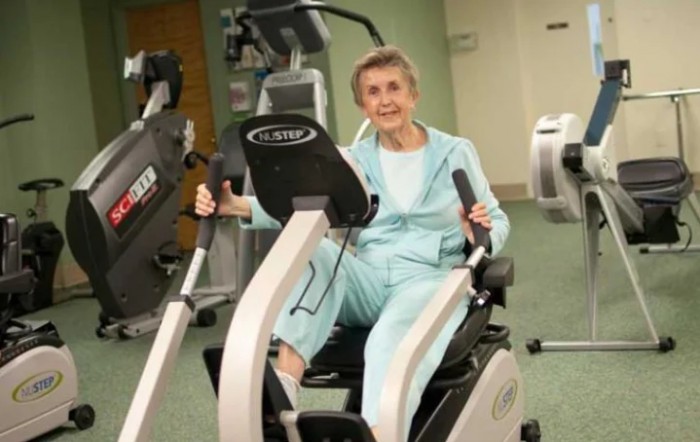
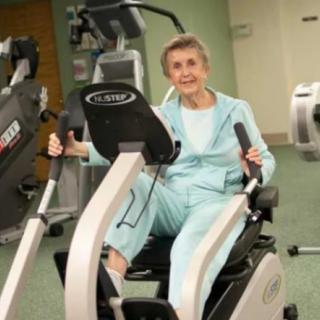
    • Fitness room Fitness roomHaving a fitness room in a senior living community is essential for seniors to stay active, maintain their physical health, and improve their overall well-being. Regular exercise can help prevent falls, reduce the risk of chronic diseases, and promote mental sharpness. It also provides social opportunities for residents to connect with others and enjoy a sense of community.
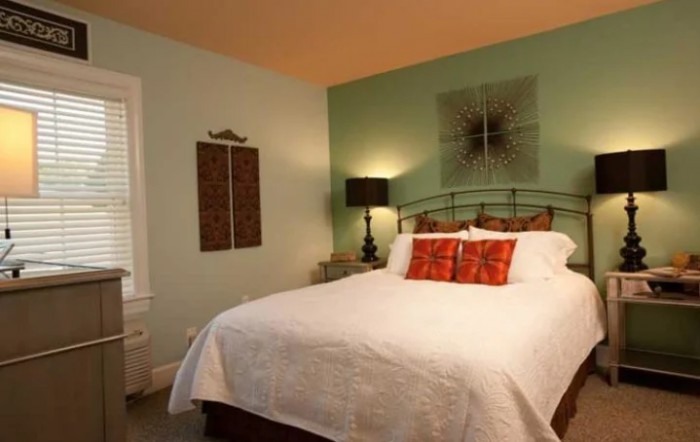
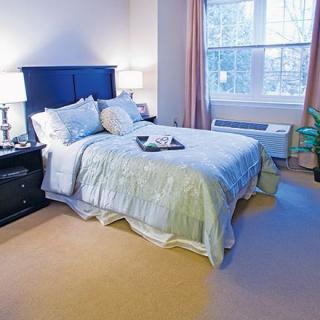
    • Fully furnished Fully furnishedFully furnished senior living communities are important for seniors because they provide convenience, comfort, and a hassle-free moving experience. Seniors can easily settle into their new living space without the stress of having to buy and move furniture. This allows them to focus on enjoying their new home and community.
    • Gaming room Gaming roomGaming rooms are important for seniors as they provide a fun and engaging environment for socializing, cognitive stimulation, and physical activity. Games can improve memory, problem-solving skills, and overall mental well-being while fostering friendships and reducing feelings of isolation.
    • Garden GardenGardens are important for seniors as they provide a peaceful and therapeutic environment for relaxation, physical activity, and socialization. Being in nature has been shown to reduce stress, improve mood, and promote overall well-being. Gardens also offer opportunities for seniors to engage in gardening activities, which can improve mobility, flexibility, and cognitive function. Additionally, gardens create a sense of community and connection with others who share a passion for plants and outdoor spaces.
    • Housekeeping services Housekeeping servicesHousekeeping services are important for seniors because they help maintain a clean and safe living environment, promote independence, and reduce the risk of accidents or illnesses. Additionally, having assistance with household chores can alleviate physical strain and allow seniors to focus on other aspects of their well-being.
    • Kitchenette KitchenetteKitchenettes are important for seniors living in senior living communities because they provide the convenience and independence of being able to prepare simple meals and snacks in the comfort of their own living space. This can help promote a sense of autonomy and well-being for seniors, allowing them to maintain some level of control over their dietary choices and daily routines.
    • Move-in coordination Move-in coordinationMove-in coordination is important for seniors because it helps ease the transition into their new living environment. It ensures that all logistics, such as packing, organizing movers, and setting up utilities are taken care of, allowing seniors to focus on settling in and adjusting to their new home. Having a smooth move-in process can alleviate stress and anxiety, making the transition smoother and more enjoyable for seniors.
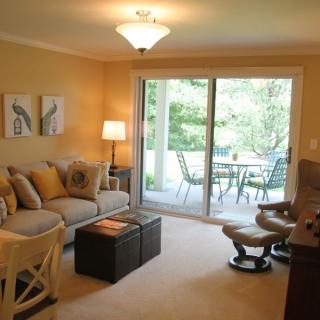
    • Outdoor space Outdoor spaceOutdoor spaces are important for seniors as they provide opportunities for physical activity, social interaction, exposure to natural light and fresh air, and a sense of connection to nature. Having access to outdoor spaces can improve overall well-being and quality of life for older adults living in senior communities.
    • Private bathrooms Private bathroomsPrivate bathrooms are important for seniors in senior living communities because they provide independence, dignity, and comfort. Having a private bathroom allows seniors to maintain their personal hygiene routines without the need for assistance, promoting a sense of autonomy and privacy. Additionally, private bathrooms help prevent the spread of infections and provide a safe and clean environment for seniors to navigate safely.
    • Restaurant-style dining Restaurant-style diningRestaurant-style dining is important for seniors because it allows them to enjoy delicious, nutritious meals in a social and upscale setting. This enhances their dining experience, promotes healthy eating habits, and fosters socialization with fellow residents, ultimately contributing to their overall well-being and quality of life.
    • Small library Small librarySmall libraries are important for seniors as they provide access to a variety of reading materials, including books, newspapers, and magazines. This can help stimulate their minds, keep them engaged, and provide a sense of community through book clubs and other social activities. Additionally, reading has been shown to improve cognitive function and overall mental well-being in older adults.
    • Telephone TelephoneTelephones are important for seniors as they provide a lifeline for communication with loved ones, emergency services, and healthcare providers. They offer a sense of security and independence, enabling seniors to stay connected and access assistance when needed.
    • Wellness center Wellness centerWellness centers are important for seniors because they offer a variety of programs and services that promote physical, mental, and emotional well-being. These centers provide opportunities for exercise, socialization, education, and relaxation, helping seniors maintain their overall health and quality of life.
    • Wi-Fi/high-speed internet available Wi-Fi/high-speed internet availableWi-Fi/high-speed internet is important for seniors to stay connected with loved ones, access online resources, and participate in virtual activities to combat feelings of loneliness and isolation. It also allows them to easily manage healthcare needs, access entertainment, and engage in lifelong learning opportunities.

    Transportation

    • Trenton-Mercer County (10 miles away) Trenton-Mercer County (10 miles away)
    • Community operated transportation Community operated transportationCommunity operated transportation is crucial for seniors as it provides them with the means to access essential services, social activities, and medical appointments. It allows seniors to maintain their independence and quality of life by ensuring they can participate in activities outside of their homes. Additionally, community-operated transportation services offer a safe and reliable way for seniors to travel without having to rely on family or friends for assistance.
    • Transportation arrangement Transportation arrangementTransportation arrangements are crucial for seniors as they may face challenges with driving, mobility, or access to public transportation. Having reliable transportation services ensures that seniors can easily attend appointments, social activities, and maintain their independence and quality of life.
    • Transportation arrangement (non-medical) Transportation arrangement (non-medical)Transportation arrangements are essential for seniors as they provide access to essential services, activities, and social interactions outside the home. This service helps maintain independence, mobility, and overall well-being for seniors who may have limited transportation options.
    • Transportation to doctors appointments Transportation to doctors appointmentsTransportation to doctors appointments is crucial for seniors as it ensures they have access to necessary medical care and support, promoting their health and well-being. It allows them to receive timely treatment, monitor existing conditions, and address any new health concerns efficiently. Additionally, transportation services can help seniors maintain their independence and quality of life by enabling them to stay connected with their healthcare providers.

    Care Services

    • 12-16 hour nursing 12-16 hour nursing12-16 hour nursing care is crucial for seniors in order to ensure around-the-clock monitoring, timely medication administration, and prompt response to any health concerns or emergencies. This level of care helps to promote the overall well-being and safety of seniors living in senior living communities.
    • 24-hour call system 24-hour call system24-hour call systems are important for seniors because they provide peace of mind and immediate assistance in case of emergencies. This technology ensures that help is always available, promoting safety and security for elderly individuals living alone or in assisted living facilities.
    • 24-hour supervision 24-hour supervision24-hour supervision is important for seniors to ensure their safety, well-being, and access to immediate assistance in case of emergencies or health issues. This constant support provides peace of mind for both seniors and their loved ones, allowing them to age in place with dignity and security.
    • Activities of daily living assistance Activities of daily living assistanceActivities of daily living assistance are important for seniors because they provide essential support with tasks such as eating, bathing, dressing, and mobility. This assistance helps seniors maintain their independence, dignity, and overall quality of life as they age.
    • Assistance with bathing Assistance with bathingAssistance with bathing is crucial for seniors as it helps maintain personal hygiene, prevents infections, and ensures their overall well-being and comfort. It also provides a sense of dignity and independence for seniors who may struggle with this task on their own.
    • Assistance with dressing Assistance with dressingAssistance with dressing is important for seniors because it helps maintain their independence, promotes personal hygiene, prevents accidents and injuries, and improves overall quality of life. This service ensures that seniors can continue to dress comfortably and confidently, despite any physical limitations they may have.
    • Assistance with transfers Assistance with transfersAssistance with transfers is crucial for seniors as it helps prevent falls and injuries, maintains their independence, and ensures they can safely navigate their living environment. It also provides peace of mind for both seniors and their loved ones.
    • Diabetes diet Diabetes dietA diabetes diet is crucial for seniors as it helps manage blood sugar levels, reduce risks of complications, and improve overall health and well-being. By following a balanced and nutritious diet tailored to their specific needs, seniors can better control their diabetes and enhance their quality of life.
    • Meal preparation and service Meal preparation and serviceMeal preparation and service are crucial for seniors as they may have limited mobility or energy to cook nutritious meals. Having access to healthy and convenient food options can ensure they are getting the proper nutrition needed to maintain their overall health and well-being.
    • Medication management Medication managementMedication management is crucial for seniors to ensure they are taking the right medications at the correct dosages and times. This helps prevent adverse drug interactions, reduces the risk of medication errors, and promotes overall health and well-being. Proactive management also allows for adjustments as needed based on changing health conditions or new prescriptions.
    • Mental wellness program Mental wellness programMental wellness programs are essential for seniors as they promote cognitive stimulation, emotional support, and social engagement. These programs help prevent isolation, depression, and cognitive decline, ultimately enhancing the overall quality of life for older adults.
    • Mild cognitive impairment Mild cognitive impairment"Mild cognitive impairment" is important for seniors because it is an early stage of cognitive decline that can potentially progress to more severe conditions such as dementia. Recognizing and addressing mild cognitive impairment can help seniors receive appropriate care and support to maintain their quality of life and independence for as long as possible.
    • Special dietary restrictions Special dietary restrictionsSpecial dietary restrictions are important for seniors because age-related changes in metabolism and health conditions can make it difficult for their bodies to process certain foods. By following a diet tailored to their specific needs, seniors can maintain their overall health and well-being, manage chronic conditions, and reduce the risk of complications such as malnutrition or food interactions with medications.
    • Specialized memory care programming Specialized memory care programmingSpecialized memory care programming is crucial for seniors with cognitive impairments such as dementia or Alzheimer's disease. These programs provide a safe and supportive environment tailored to the unique needs of individuals with memory loss, helping them maintain their independence, dignity, and quality of life.

    Dining

    • Diabetes diet Diabetes dietA diabetes diet is crucial for seniors as it helps manage blood sugar levels, reduce risks of complications, and improve overall health and well-being. By following a balanced and nutritious diet tailored to their specific needs, seniors can better control their diabetes and enhance their quality of life.
    • Special dietary restrictions Special dietary restrictionsSpecial dietary restrictions are important for seniors because age-related changes in metabolism and health conditions can make it difficult for their bodies to process certain foods. By following a diet tailored to their specific needs, seniors can maintain their overall health and well-being, manage chronic conditions, and reduce the risk of complications such as malnutrition or food interactions with medications.

    Activities

    • Community-sponsored activities Community-sponsored activitiesCommunity-sponsored activities are important for seniors as they provide opportunities for social interaction, mental stimulation, and physical activity. These activities can help improve overall well-being, combat loneliness and isolation, and promote a sense of belonging and purpose among older adults.
    • Concierge services Concierge servicesConcierge services are essential for seniors as they provide assistance with daily tasks and errands, enhance their quality of life by offering convenience and personalized care, and promote a sense of safety and security.
    • Fitness programs Fitness programsFitness programs are crucial for seniors as they help improve strength, flexibility, balance, and overall well-being. Staying active can reduce the risk of chronic diseases, improve mental health, and enhance quality of life in older adults.
    • Planned day trips Planned day tripsPlanned day trips are important for seniors because they offer opportunities for socialization, mental stimulation, and physical activity. They provide a change of scenery and help seniors stay engaged and connected to their community, promoting overall well-being and quality of life.
    • Resident-run activities Resident-run activitiesResident-run activities are important for seniors as they encourage social interaction, creativity, and a sense of autonomy. These activities empower seniors to stay engaged and active in their community while fostering meaningful connections with their peers.
    • Scheduled daily activities Scheduled daily activitiesScheduled daily activities are important for seniors because they provide structure, socialization, mental stimulation, and physical activity. Engaging in regular activities can improve overall well-being and quality of life for seniors living in a community setting.

    Description

    Twining Hall in Holland, PA is an assisted living community that offers a variety of care services to cater to the unique needs of its residents. With a focus on memory care and skilled nursing, Twining Hall provides personalized assistance with activities of daily living such as bathing, dressing, and transfers. The community has a 24-hour call system and supervision to ensure the safety and well-being of all residents.

    At Twining Hall, residents can enjoy a range of amenities designed for their comfort and convenience. There is a beauty salon for grooming needs, cable or satellite TV in each room for entertainment, and community-operated transportation for outings and appointments. For those who wish to stay connected, there is a computer center with Wi-Fi/high-speed internet available. The dining room offers restaurant-style dining with special dietary restrictions accommodated.

    To promote physical well-being, Twining Hall features a fitness room where residents can engage in exercise programs to maintain their health. There is also an outdoor space with gardens for relaxation and enjoyment of nature. For mental wellness, the community offers a gaming room, small library, and scheduled daily activities. Additionally, there is a wellness center that focuses on providing specialized memory care programming for individuals with cognitive impairments.

    Residents at Twining Hall can benefit from various support services including housekeeping assistance and move-in coordination. Transportation arrangements are available both for non-medical purposes as well as for doctor's appointments. Medication management ensures that medications are taken correctly while meal preparation and service caters to specific dietary needs.

    In terms of nearby amenities, Twining Hall is conveniently located close to parks, pharmacies, physicians' offices, restaurants, places of worship, theaters, and hospitals. The community also offers concierge services to assist residents in accessing these local attractions.

    Overall, Twining Hall in Holland provides comprehensive care services along with an array of amenities to create a comfortable and supportive environment for its residents. Whether it be dedicated memory care or skilled nursing, individuals can find the assistance they need while enjoying a range of activities and amenities.

    Nearby Places of Interest

    Hospitals

    • St Mary Rehab Hospital (2 miles)
    • Frankford Hospital-Bucks County (5.7 miles)
    • Holy Redeemer Hospital (8.8 miles)
    • Trenton Psychiatric Hospital (9.1 miles)
    • Jefferson Torresdale Hospital (9.3 miles)
    • Abington Memorial Hospital (9.9 miles)
    • Abington Hospital, Widener Building (9.9 miles)

    Parks

    • Tyler State Park (2.1 miles)
    • Delaware River Canal Tow Path (7.5 miles)
    • Washington Crossing Historic Park (8.2 miles)
    • Champion Park Playground (10.1 miles)
    • Cadwalader Park (10.4 miles)
    • Homested Park (11 miles)

    Restaurants

    • Taco Bell (2.1 miles)
    • McDonald's (2.2 miles)
    • Chick-Fil-A (2.5 miles)
    • Iron Hill Brewery & Restaurant (2.6 miles)
    • J.B. Dawson's Restaurant & Bar (3.9 miles)
    • Bruster's Real Ice Cream (4 miles)
    • McDonald's (4.8 miles)

    Pharmacies

    • Walgreens (2.2 miles)
    • CVS Pharmacy (2.2 miles)
    • CVS Pharmacy (2.5 miles)
    • Rite Aid (2.7 miles)
    • Rite Aid (3.9 miles)
    • CVS Pharmacy (4.9 miles)
    • CVS Pharmacy (5.2 miles)

    Places of Worship

    • St Luke's Episcopal Church (2.5 miles)
    • New Beginnings Church (6.8 miles)
    • Neshaminy Warwick Presbyterian Church (7.1 miles)

    Physicians

    • Oral & Maxillofacial Surgery Centers (3.3 miles)
    • CHOP Primary Care (3.3 miles)
    • Wrightstown Family Medicine (4 miles)
    • Stoltz and Hahn Family Practice (4.3 miles)
    • Wrightstown Family Medicine (4.5 miles)
    • Wilson Dermatology & Skin Care (4.7 miles)
    • Central Bucks Family Practice (7.2 miles)

    Theaters

    • AMC Neshaminy 24 (4.6 miles)
    • Regal Warrington Crossing Screenx, 4Dx, Imax & RPX (9.1 miles)

    Cafes

    • Starbucks (5.7 miles)
    • Starbucks (6.7 miles)
    • Starbucks (10.3 miles)
    • Nonno's (11.1 miles)

    Transportation

    • Septa Warminster Train Stn (6.2 miles)
    • Trenton-Mercer Airport (TTN) (9.5 miles)

    Frequently Asked Questions

    Where is Twining Hall?
    Does Twining Hall provide care for residents with dementia or Alzheimer's disease?
    What photos are available for Twining Hall in Holland, Pennsylvania?

    Nearby Communities

    Related Resources

    • does my mom have dementia quizFive Subtle Dementia Indicators to Observe: An In-Depth Guide to Understanding “Does My Mom Have Dementia?”

      The article presents five subtle indicators of dementia, such as memory lapses and mood swings, to help families assess cognitive decline in loved ones. It emphasizes early detection, open communication, and seeking professional help while providing practical support steps.

    • dementia paranoiaDementia, Paranoia, and Caregiver Guidance: Understanding the Connection

      Dementia encompasses progressive neurological disorders that impair cognitive functions and can lead to paranoia due to cognitive decline and emotional changes. The article discusses the triggers of paranoia in dementia, caregiver strategies for managing it, and the importance of distinguishing between dementia-related paranoia and other psychiatric conditions.

    • memory care activitiesEngaging Memory Care Activities That Enhance Quality of Life


      Memory care activities are essential for improving the quality of life of seniors with cognitive impairments, as they stimulate cognitive function, promote well-being, and encourage social interaction through tailored strategies. These activities combine structured exercises with spontaneous tasks, sensory engagement, physical workouts, creative pursuits, and intergenerational interactions to enhance emotional connection and a sense of purpose.


    Get Pricing Ask A Question Schedule A Tour Contact Senior Advisor