
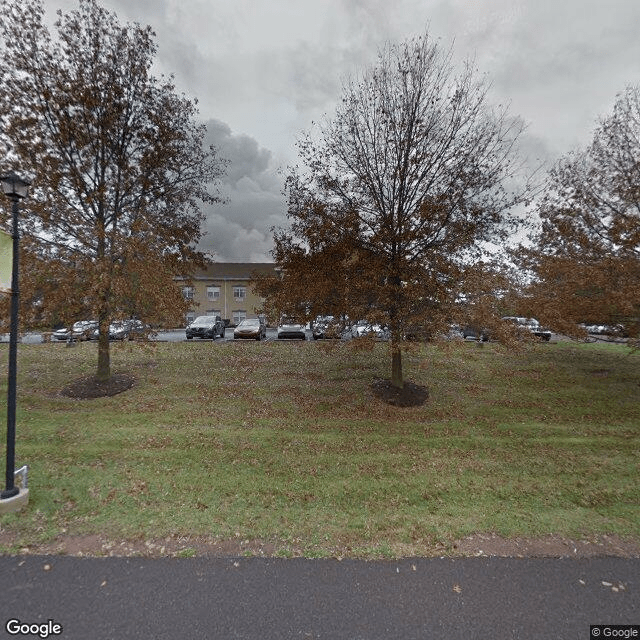
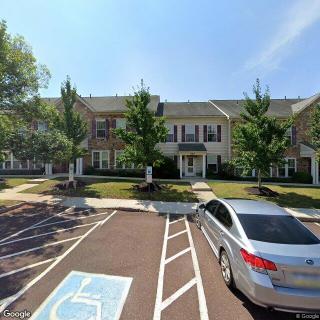
225 Evergreen Rd, Pottstown, PA 19464
To contact a resident: (610) 323-1800
For more information about senior living options: (866) 208-4318
Sanatoga Court and Sanatoga Center Costs & Pricing
Sanatoga Court and Sanatoga Center offer competitive pricing for their accommodations when compared to the broader costs in Montgomery County and throughout Pennsylvania. For studio apartments, the monthly rate at Sanatoga is set at $3,750, which is notably lower than the county average of $4,393 while remaining slightly above the state average of $3,737. When considering one-bedroom options, Sanatoga's prices range from $3,900 to $5,000; this variability allows for flexibility depending on specific preferences or needs. In contrast, Montgomery County's average for one-bedroom units stands at $4,619, with Pennsylvania's statewide figure at $4,006. Overall, residents can find value in choosing Sanatoga Court and Sanatoga Center without compromising on quality or amenities.
| Floor plans | Sanatoga Court and Sanatoga Center | Montgomery County | Pennsylvania |
|---|---|---|---|
| Studio | $3,750 | $4,393 | $3,737 |
| 1 Bedroom | $3,900 to $5,000 | $4,619 | $4,006 |
Memory care communities with a similar price nearby
-
from -$300 / mo
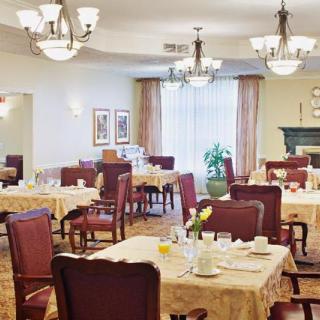
Mifflin Court
$3,450 to $5,880 / month20.4 miles away -
from +$200 / mo
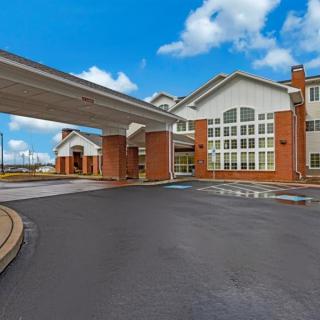
The Landing of Towamencin
$3,950 to $6,950 / month15.4 miles away -
from +$544 / mo

Chestnut Knoll
$4,294 to $7,398 / month7.4 miles away -
from +$445 / mo

Echo Lake
$4,195 to $6,995 / month13.8 miles away -
About the same
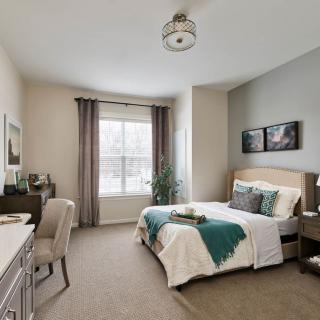
Arbor Terrace Exton
$3,780 to $7,560 / month15.5 miles away
Overall Review of Sanatoga Court and Sanatoga Center
Pros
 There are a few conscientious nurses and CNAs.
- The staff are caring and very helpful.
- The facility is clean and well maintained.
- The nursing care was excellent.
- The administration is extremely helpful, understanding, and considerate.
- The facility was accommodating to patients and their families.
- The staff always follow through on requests.
Cons
 The leadership is incompetent and tolerates a lousy work ethic among staff.
- The facility is severely understaffed, with many staff members who are loud and sometimes rude to residents.
- Assistance is often very slow due to being short-handed, especially for bathroom help and pain management.
- The facility is understaffed and unqualified to care for patients with dementia, with poor continuity of living arrangements that worsen symptoms.
- Call bells and bedpan requests are frequently ignored, leading to bedsores and infections such as MRSA.
- They refused to transport a patient to necessary medical appointments and refused to re-admit a patient after discharge.
- There is a general atmosphere of neglect due to little management or nursing supervision.
Review
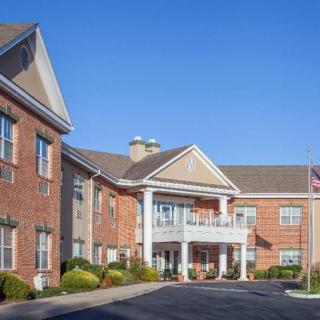
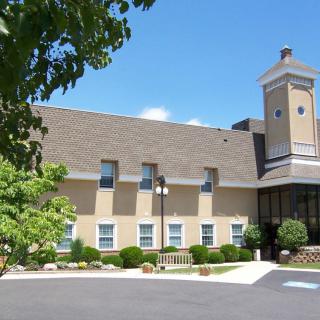
Sanatoga Court and Sanatoga Center are best suited for families facing moderate post-acute needs or rehab with a preference for a clean, well-maintained environment and responsive administration, but only when a careful, hands-on oversight plan accompanies the move. The campus distinction, assisted living on one building and rehab/nursing on another, suggests a place where a resident can receive skilled rehab and basic daily support, provided the level of care does not hinge on constant, high-intensity supervision. For families with realistic expectations about staffing and continuity of care, the facility can work as a short-term bridge to higher levels of care.
Those who should seriously consider alternatives include families dealing with advanced dementia, high-risk behaviors, or complex medical needs requiring reliable, round-the-clock staffing and rapid response to emergencies. The recurring thread in the feedback is not isolated incidents but a pattern of understaffing, slow assistance, and inconsistent supervision. For residents who depend on timely help with bathroom needs, pain management, or repositioning, the risk of delays and errors is a meaningful, ongoing concern. Likewise, families seeking a dementia-specific environment with steady routines and minimal disruption will want to explore other options with proven continuity of care.
The strongest positives at Sanatoga come from the tangible, everyday aspects: a clean facility, and moments when administration or individual aides demonstrate genuine care and competence. There are references to helpful administrators, attentive nursing care in some cases, and even hands-on feeding when a resident stops eating. These bright spots show that when staff are present and leadership engages, the care can be attentive and personalized. Yet these strengths are inconsistent across shifts and units, and they do little to offset the overarching issues raised by residents with higher needs or families watching for reliable, predictable service.
The most consequential drawbacks relate to staffing and management gaps that undermine safety and continuity. Multiple reviews describe being understaffed to the point where basic tasks, bathing, medication administration, and timely response to call bells, are routinely delayed. Instances of rude or loud communication, poorly coordinated transport, and lapses in infection control create real red flags for families considering long-term placement. For residents with dementia or Lewy Body disease, the reported practice of relocating or delaying care, coupled with insufficient supervision, can exacerbate confusion and agitation and undermine any potential benefit from rehab services.
When evaluating this community, demand transparent answers about staffing ratios, consistency of care across shifts, and the presence of any memory-care specific units or dedicated rehab protocols. Prospective families should request a detailed care plan, insist on consistent daily routines, and seek evidence of ongoing staff training in dementia care and safety protocols. Tours should be observed at various times to gauge how responses vary; talking directly with frontline caregivers, not just administrators, provides a truer read on day-to-day reliability. If choosing Sanatoga, enter with a concrete, written plan for oversight, and align expectations with a clear path to escalation when needs go unmet.
In the end, Sanatoga Court and Sanatoga Center present a mixed picture: clean facilities and moments of compassionate care exist, but they are countered by persistent under-staffing, inconsistent responsiveness, and questions about dementia and complex medical care. For families prioritizing consistent, high-level supervision and swift, reliable assistance for daily needs or for residents with significant cognitive or behavioral challenges, stronger options are advisable. If this campus is pursued, proceed with a rigorous due-diligence process, a formal care plan, and a strict oversight framework to ensure safety, dignity, and timely support are not compromised.
 Assisted Living
 Memory Care
 Activities off-site
 Beautician on-site
 Devotional services off-site
 Indoor common areas
 Outdoor common areas
 Respite or short term stays offered
 Wheelchair accessible showers
 Ambulatory care
 Diabetic care
 High acuity care
 Meals provided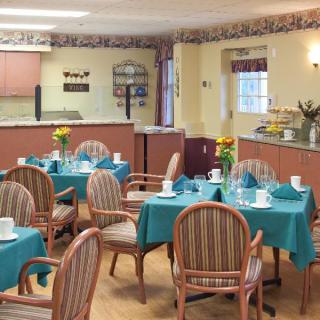



 Dementia Behaviors: In-Depth Understanding and Effective Coping Strategies
 5 Early Indicators of Dementia and What You Can Do
 8 Important Indicators That Memory Care May Be Necessary