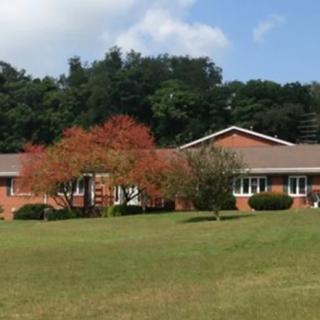
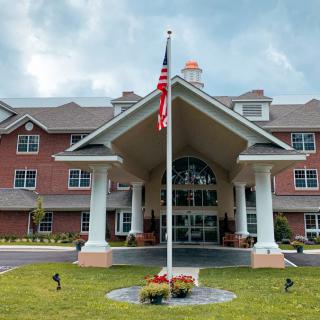
Upmc/South Hills Health System in Pittsburgh, PA
Save
Information last verified:
800 Regis Ave, Pittsburgh, PA 15236
For more information about senior living options: (844) 490-3973
This outpatient center is best suited for adults and families who want convenient, in-and-out imaging, lab work, and minor procedures delivered by a consistently friendly, patient-focused staff. When the aim is a calm, straightforward experience, think quick X-rays, MRIs, mammograms, and routine tests, the consistently praised members of Suite 500 and the OB/GYN team can make the visit feel efficient and reassuring. The facility’s clean, modern environment and easy access near Pittsburgh’s southern suburbs are definite pluses for those who value smooth check-ins and tangible courtesy from personnel. But this location is not a universal fix for every imaging or clinical need; the broader system’s reliability can vary, and for families or individuals who require tightly controlled scheduling, rapid test result turnaround, or uniform service across all departments, alternatives deserve serious consideration.
The most dependable advantages show up as human warmth and operational ease. Reviewers repeatedly highlight fast, friendly service at many touchpoints, with particular affection for the Suite 500 team, where the front-desk and clinical staff are described as courteous, organized, and ready to help. Patients consistently rate the environment as clean and welcoming, and several OB/GYN and surgical procedures are delivered with a level of bedside care that translates into genuine reassurance. Across tests, ultrasounds, MRIs, and mammograms, patients frequently report positive experiences with the technicians, noting efficiency, clear communication, and a sense of being treated with respect. In short, for someone who prioritizes a humane, stress-minimized encounter, this center often delivers.
Yet, the pattern of cons across reviews cannot be ignored. A number of encounters point to inconsistent service and organizational gaps that can transform a routine visit into a frustrating ordeal. Long wait times, sometimes spanning hours, recur in certain departments, with some patients reporting confusion about where to sign in or whom to see next. Billing and scheduling issues surface as well, insurance acceptance locally and window timing for certain services can be unclear or inconsistent, leading to miscommunications and avoidable delays. There are even anecdotes of staff being brusque or dismissive, and of specific experiences where patients felt treated more as tasks than as people seeking care. In aggregate, these frayed edges undermine trust, particularly when life, time, and cost are factors.
A crucial tension emerges when weighing the pros against the cons: the center can be a reliable lifeline for routine, patient-centered imaging and procedures, provided the visit aligns with the staff and service patterns that are consistently praised. When the care team in Suite 500 is engaged, when an OB/GYN visit runs smoothly, or when MRI or mammography technicians deliver competent, compassionate service, the positives can overwhelm the negatives, especially for those who can plan around potential delays and who have a margin for scheduling variability. However, the same environment that yields warm, meticulous care can falter in other corners of the system, late reads of imaging results, slow turnarounds, and disjointed communication that leaves patients unsure about next steps. For high-stakes timing or for families juggling multiple appointments, those gaps matter.
The takeaway is clear: this community excels for patients who prize interpersonal warmth, a clean clinical setting, and staff-led reassurance during routine outpatient imaging and OB/GYN care. It is less ideal for individuals whose decisions hinge on predictability, lightning-fast test result delivery, and uniform performance across departments. Alternatives are worth considering for those whose needs emphasize reliability, consistent hours, and cross-location coordination, particularly for adults seeking imaging after hours or on weekends, when some services are restricted to pediatric patients or limited windows. For families unsatisfied by mixed feedback on staff tone or inconsistent result reporting, exploring other UPMC sites or independent imaging centers may yield a more predictable experience.
To maximize the likelihood of a positive outcome here, proactive preparation matters. Confirm with the scheduling staff exactly which services are offered at this location, especially insurance coverage and after-hours constraints, to avoid surprises like last-minute cancellations or denied visits. If a test needs a timely read, ask for typical turnaround times and who handles the readings, then document the expected window and follow up deliberately. When possible, request the most consistent team members for a procedure, Suite 500 personnel have shown the capacity to deliver high-quality care, and aligning with them can improve the overall experience. Finally, build in buffers for traffic and road conditions along the approach to West Mifflin, and keep backup options in mind should timing or service availability shift unexpectedly. This center can be a dependable choice for routine, patient-centered imaging and care, so long as expectations are calibrated to its strengths and its occasional scheduling frictions.
The UPMC/South Hills Health System in Pittsburgh, PA offers a comprehensive array of services for individuals seeking an assisted living community. Nestled in a vibrant neighborhood, this community boasts easy access to various amenities and conveniences, making it an ideal choice for seniors looking for a comfortable and enriching lifestyle.
Residents can enjoy the convenience of having three cafes nearby, where they can socialize with friends or family over a cup of coffee or indulge in a delicious treat. Additionally, the presence of three parks nearby provides ample opportunities for leisurely strolls, picnics, or simply enjoying the tranquility of nature.
Healthcare needs are well catered to with twelve pharmacies and four physicians located within close proximity. This ensures that residents have easy access to medication and medical assistance whenever necessary, promoting their overall well-being and peace of mind.
For those who appreciate culinary delights and diverse dining options, the twenty-five restaurants nearby offer an enticing range of cuisines to choose from. Whether residents prefer fine dining experiences or casual meals with friends, there is something to suit every taste bud.
Transportation is readily available with one transportation option nearby, allowing residents to explore the surrounding community or attend appointments without any hassle. Furthermore, being close to places of worship offers residents the opportunity to nurture their spirituality and engage in meaningful religious activities.
Finally, the presence of a theater enhances residents' entertainment options by providing regular access to live performances and cultural events. Whether it be plays, musicals, or film screenings - there is always something exciting happening just around the corner.
In summary, the UPMC/South Hills Health System assisted living community in Pittsburgh offers residents a comfortable and fulfilling lifestyle enriched by its close proximity to cafes, parks, pharmacies, physicians' offices, restaurants, transportation options, places of worship, and theaters.
This area of Pittsburgh, Pennsylvania offers a variety of amenities that may be appealing to seniors looking for a convenient and vibrant community. With several popular restaurants such as Watami Hibachi Steakhouse and Chili's Grill & Bar within close proximity, there are plenty of dining options to enjoy. Additionally, there are pharmacies like Walgreens and CVS nearby for easy access to healthcare needs. The presence of cafes like Starbucks provides a comfortable setting for socializing and enjoying a cup of coffee. For medical services, there are physicians' offices like Jefferson Internal Medicine and orthopedic centers like Steel Valley Orthopedic Associates PC in the vicinity. Places of worship such as Saint Patrick Church cater to spiritual needs, while parks like South Park Dog Park offer opportunities for outdoor recreation. The presence of theaters like AMC Waterfront 22 and hospitals like UPMC South Hills ensures access to entertainment and medical care within a reasonable distance. Overall, this area combines convenience with a range of amenities that may make it an attractive option for seniors considering senior living in Pittsburgh.
Upmc/South Hills Health System is located at 800 Regis Ave, Pittsburgh, PA 15236 in Allegheny County, Pennsylvania
Recognizing the Journey: Understanding and Navigating Anticipatory Grief

Anticipatory grief is an emotional response to the impending loss of a loved one, characterized by complex emotions such as sadness and anger, and involves navigating stages similar to those identified by Kübler-Ross. Coping strategies are vital for managing this process, emphasizing compassionate communication, self-care, and support groups while recognizing the cultural influences on grieving.
Encouraging Participation in Adult Day Care: A Guide to Supporting a Hesitant Parent
Adult day care programs offer essential support and activities for older adults, yet many hesitate to participate due to concerns about independence and stigma. To alleviate these apprehensions, families should facilitate open discussions, explore financial resources, suggest trial visits, and collaborate with healthcare providers to highlight the benefits of such services for both the participants and their caregivers.
Comprehensive Exploration of Living Wills and Other Advance Directives
Living wills and advance directives are crucial legal documents that outline an individual's healthcare preferences when they cannot make decisions themselves, enhancing patient autonomy and alleviating family stress during medical crises. The article emphasizes the need for these documents to be personalized, legally valid, and regularly updated, while also encouraging communication about end-of-life wishes among family members and healthcare providers.