
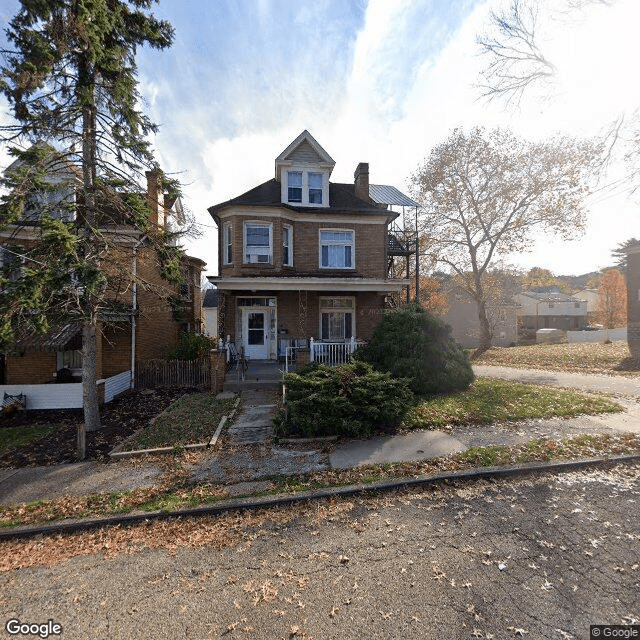
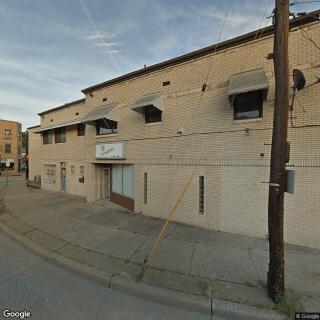
1129 Tweed Street, Pittsburgh, PA 15204
For more information about senior living options: (866) 208-4318
Perry South Personal Care Home Costs & Pricing
Perry South Personal Care Home offers a cost-effective option for care compared to the average expenses observed in Allegheny County and across Pennsylvania. With semi-private rooms priced at $1,500 per month, residents benefit from substantial savings, as this is significantly lower than the county's average of $3,166 and the state average of $3,542. Similarly, private rooms at Perry South are available for $1,900 monthly, which remains competitively priced against the county's and state's respective averages of $3,905 and $4,890. This makes Perry South an appealing choice for families seeking quality personal care without the financial strain often associated with residential facilities in the region.
| Floor plans | Perry South Personal Care Home | Allegheny County | Pennsylvania |
|---|---|---|---|
| Semi-Private | $1,500 | $3,166 | $3,542 |
| Private | $1,900 | $3,905 | $4,890 |
Assisted Living communities with a similar price nearby
-
from +$150 / mo
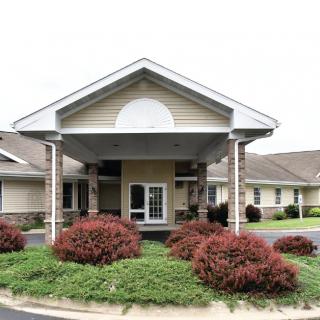
Grandview Estates Of Elizabeth
$1,650 to $1,850 / month17.4 miles away -
from +$200 / mo

Nor-Ridge
$1,700 to $2,500 / month19.7 miles away -
from -$210 / mo

The Residence at Arrowood
$1,290 to $3,570 / month13.3 miles away -
from +$180 / mo

Golden Heights Personal Care
$1,680 to $2,460 / month21.4 miles away -
About the same

William Penn Care Center
$1,500 to $6,300 / month24.6 miles away
Overall Review of Perry South Personal Care Home
Pros
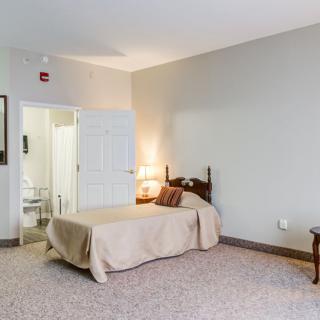
 The room was great.
- The care for his father was exceptional.
- They provide meals and medication passing.
- They provide excellent activities for all the residents.
- The staff do a wonderful job with the residents.
Cons
 They note that mom would have to use stairs because there are no first-floor accommodations.
- They mention that residents must be able to use steps and will have to share a room.
- They think the housing environment could be more suitable and would like a more lively atmosphere.
Review
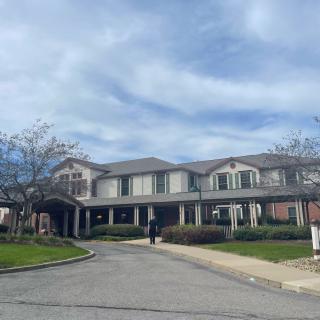
Perry South Personal Care Home in Pittsburgh, PA is best suited for seniors who value hands-on, attentive caregiving, reliable meals, medication management, and structured daily activities delivered in a warm, residential setting. The strongest takeaway from multiple observations is the quality of care and the staff’s evident commitment to residents. When care needs are clear, daily support, routine supervision, and opportunities for engaging programming, the facility regularly earns praise for how well staff respond and how thoughtfully activities are organized to keep residents connected.
Those who should consider alternatives are caregivers seeking barrier-free access, private rooms, or a more bustling social scene. Two common themes appear in the reviews: the building does not offer first-floor accommodations, and residents may be required to share rooms. For families where mobility is a concern or where private living space is a priority, options with single-floor access and private rooms will typically provide a more comfortable fit. Likewise, for families prioritizing a livelier, more dynamic atmosphere, other communities with greater social programming may be a better match.
The positive features, exceptional care, meals, medicine passing, and engaging activities, tend to offset several notable drawbacks, but not all. The reliability of care and the availability of meals plus medication administration address fundamental needs and relieve family members from constant oversight. Staff who are commended for resident-focused attention can produce a reassuring daily rhythm, reducing worry about safety and basic well-being. However, the requirement to use stairs and the reality of shared rooms can erode the sense of comfort for those craving easy accessibility and private space, limiting independence and personal autonomy in meaningful ways.
On the downside, the absence of first-floor accommodations is a material constraint for mobility-impaired residents and for families planning around assistance needs. The shared-room arrangement, while common in many smaller or home-like facilities, can hinder privacy and personal comfort over time, especially for residents who require quiet or individualized space. The environment is described as housing-like, which can be appealing for warmth and familiarity but may feel less expansive or socially energized than larger campuses with more robust programming. For families seeking a vivid, bustling atmosphere, Perry South may read as softer on the social front.
Practical steps help translate these insights into a solid decision. Prospective residents should ask for current floor plans to see whether a first-floor option exists and whether private rooms can be requested or guaranteed as needs evolve. Inquire about exact room configurations, sharing policies, and whether any private-sleeping arrangements could be accommodated. Request a tour focused on activities programming, dining experiences, and the cadence of care routines to determine if the daily life aligns with the resident’s interests and energy level. Finally, verify staffing patterns, including caregiver-to-resident ratios during peak hours, to gauge whether the care quality is sustainable as needs change.
In the end, Perry South Personal Care Home offers dependable, compassionate care, dependable meals, and meaningful activities within a home-like setting that many families will find reassuring. It is a strong option for seniors who can navigate stairs, tolerate shared rooms, and value consistent staff attention and daily structure. For those requiring barrier-free access, private accommodations, or a more vibrant social environment, alternatives in Pittsburgh’s assisted living landscape should be explored with equal firmness and urgency. A well-structured visit will reveal how closely Perry South aligns with the resident’s care goals, daily preferences, and long-term comfort.
 8 resident community capacity
 Assisted Living
 Board and Care Home
 Cable or satellite TV
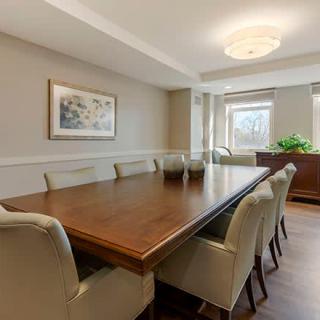
 Dining room
 Fully furnished
 Garden
 Housekeeping services
 Indoor common areas
 Move-in coordination
 Outdoor common areas
 Private
 Respite or short term stays offered
 Telephone
 Wi-Fi/high-speed internet available
 Pittsburgh International (9 miles away)
 24-hour supervision
 Activities of daily living assistance
 Assistance with bathing
 Assistance with dressing
 Assistance with transfers
 Diabetes diet
 Diabetic care
 Meal preparation and service
 Medication management
 Special dietary restrictions
 Transportation arrangement (medical)
 Transportation to doctors appointments


 Vibrant Senior Living: A Comprehensive Guide for Active Older Adults
 When to Transition from Assisted Living to Memory Care: Key Indicators, Steps, and Finding the Right Community
 Assisted Living and Memory Care: Understanding Their Core Differences