For more information about senior living options: (866) 208-4318
3.8 from 83 reviews
5 stars
53
4 stars
6
3 stars
0
2 stars
1
1 stars
23
Overall Review of Friendship Village Of South Hills
caveat6 reviews mention this
Care continuity has clear limits
Residents and families describe that care can become limited as needs increase.
Several families say they were told residents could age in place through changing needs, but later describe being told they could no longer stay—especially as dementia advanced. A recurring concern in those reviews is that advanced dementia behaviors weren’t supported to the level families expected, leading to a forced move and major disruption. While some other reviews praise nursing and therapies in the health center, these dementia-specific accounts raise questions to confirm in writing what happens when needs exceed available services.
caveat18 reviews mention this
Staffing and hands-on care vary
Reviews describe both strong staff support and serious breakdowns in daily care.
On the positive side, multiple reviews highlight hardworking, compassionate aides and nursing staff, along with responsive help, smooth transitions, and respectful treatment. Other reviews describe the opposite experience—short staffing, long waits for help, issues with bathing and wound care, and concerns about falls, infections, and communication with families. Taken together, residents’ and families’ accounts suggest that hands-on care quality can swing meaningfully depending on staffing and circumstances, particularly in the health center and dementia-related situations.
common10 reviews mention this
Food quality is a mixed bag
Dining experiences range from consistently enjoyable to strongly disliked.
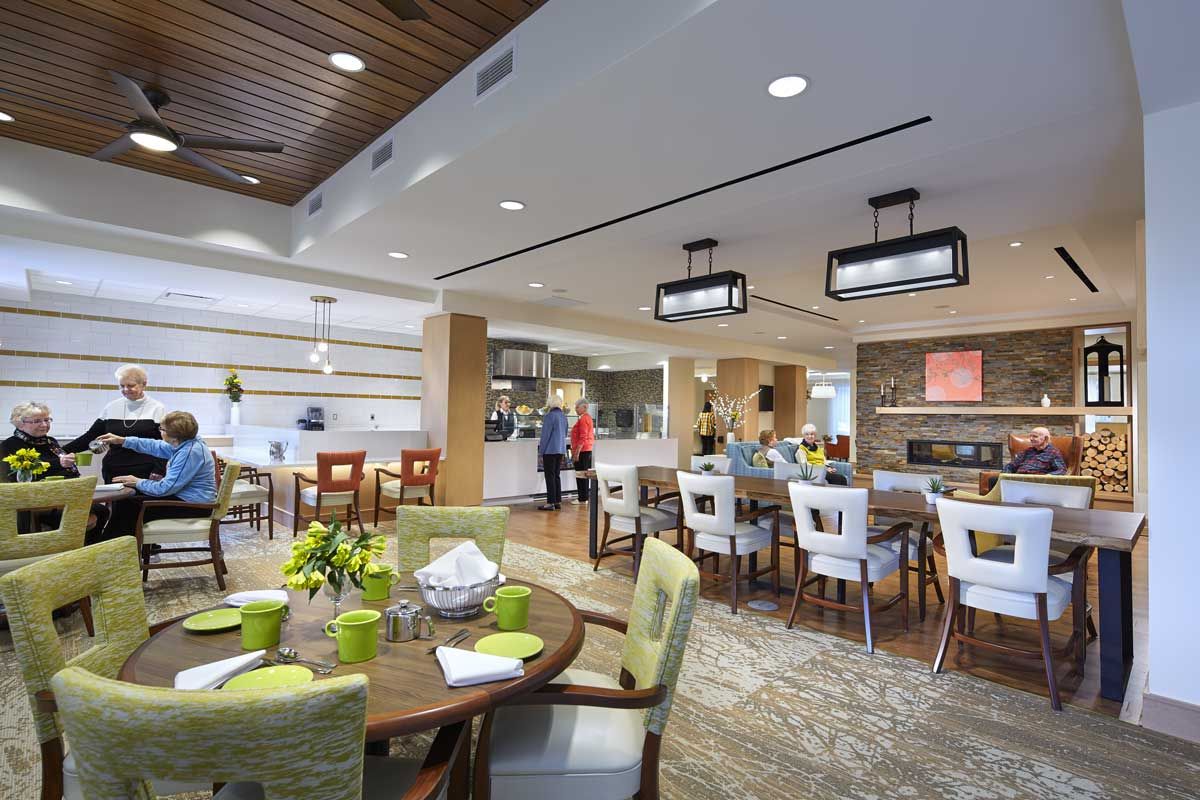
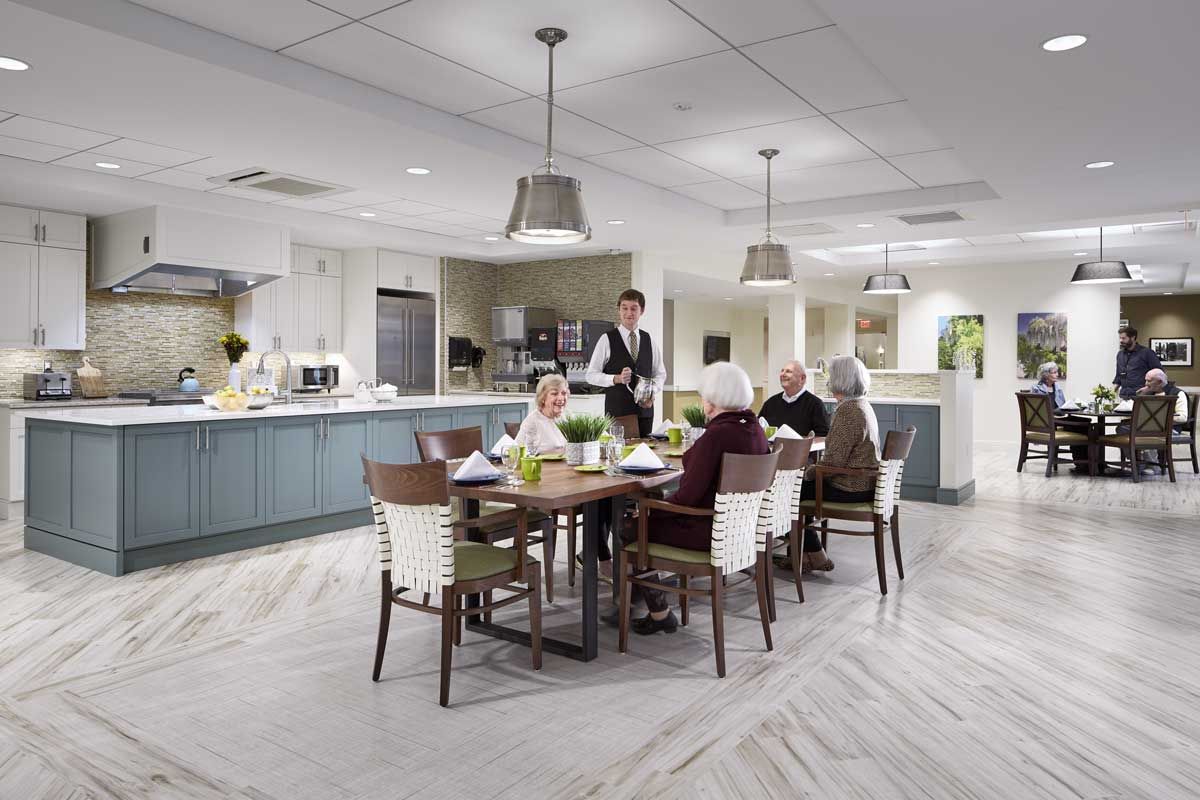
Some reviews praise the food as tasty, varied, and delicious, and a few mention being able to select meals. Others criticize meals as bad or garbage, and a couple point to specific problems with food quality. The community also offers restaurant-style dining, and residents’ comments align with that as a core part of daily life—though satisfaction is not uniform across reviews.
common9 reviews mention this
Therapy support for rehab
Physical and occupational therapy draws repeat praise for rehab outcomes.
Several reviews call out PT and OT as excellent or very good, including help during recovery and positive experiences with therapy staff. A smaller number of reviews criticize the rehab process, such as missed or delayed therapy, or describing health center care as poor overall. When families do mention therapy specifically, the tone is more often supportive than not—suggesting therapy staff and scheduling may be a key part of the experience for short-term recovery stays.
common7 reviews mention this
Activities keep residents engaged
Residents describe frequent activities and entertainment options.
Many reviews emphasize that there is something to do most days, including entertainment, speakers/programs, and organized group activities. A few mention resident-run or resident-friendly engagement, along with daily scheduling that supports time “body and mind” activities. This matches the community’s planned activities focus in day-to-day life, and residents also describe easy access for visits and outings as part of the overall routine.
How we summarize
Counts show how many written reviews mention each theme; a review can touch several themes, and only frequently mentioned themes are displayed.
Features
Housing
89 resident community capacity
Types of Care
Assisted Living
Independent Living
Memory Care
Skilled Nursing Facility
Amenities
Air-conditioning
Beauty salon
Cable or satellite TV
Computer center
Dining room
Fitness room
Fully furnished
Gaming room
Garden
Housekeeping services
Kitchenette
Move-in coordination
Outdoor space
Private bathrooms
Restaurant-style dining
Small library
Telephone
Wellness center
Wi-Fi/high-speed internet available
Transportation
Pittsburgh International (14 miles away)
Community operated transportation
Transportation arrangement
Transportation arrangement (non-medical)
Transportation to doctors appointments
Care Services
12-16 hour nursing
24-hour call system
24-hour supervision
Activities of daily living assistance
Assistance with bathing
Assistance with dressing
Assistance with transfers
Diabetes diet
Meal preparation and service
Medication management
Mental wellness program
Mild cognitive impairment
Special dietary restrictions
Specialized memory care programming
Dining
Diabetes diet
Special dietary restrictions
Activities
Community-sponsored activities
Concierge services
Fitness programs
Planned day trips
Resident-run activities
Scheduled daily activities
Videos
Nearby Places of Interest
Parks
Boyce-Mayview Park (0.6 miles)
Peters Lake Park (3.8 miles)
Village Green Park (4.1 miles)
Mt. Lebanon Park (5.1 miles)
South Park Dog Park (5.6 miles)
Collier Community Park (6.3 miles)
Evans Fields (6.5 miles)
Cafes
OTB Bicycle Cafe at Hastings (1.1 miles)
Al's Cafe (2.4 miles)
Starbucks (2.7 miles)
Starbucks (3.4 miles)
De Lallo's Fort Couch Cafe (3.5 miles)
Panera Bread (4.3 miles)
Starbucks (4.7 miles)
Physicians
Bachner Darla Pediatric South Peters (1.6 miles)
Pediatric Alliance-St Clair (2.6 miles)
Integrated Medical Systems (2.6 miles)
Stepping Stone Psychiatric Care - Muhammad I Shaikh MD (2.7 miles)
The comprehensive range of services at Friendship Village Of South Hills is designed to enhance the quality of life for residents experiencing dementia or Alzheimer's disease. Assistance with dressing, bathing, and transfers ensures that residents receive the personal care they need while promoting dignity and independence. Medication management is critical in maintaining health and preventing complications, while carefully planned meal preparation and service cater to specific dietary needs, encouraging proper nutrition. Support with activities of daily living fosters a sense of routine and normalcy, which can be reassuring for individuals facing cognitive challenges. The 24-hour supervision provides a safe environment, reducing anxiety for both residents and their families. Furthermore, the mental wellness program and specialized memory care programming are tailored to engage residents cognitively, addressing mild cognitive impairment through stimulating activities that promote social interaction and mental agility, ultimately contributing to their overall well-being.
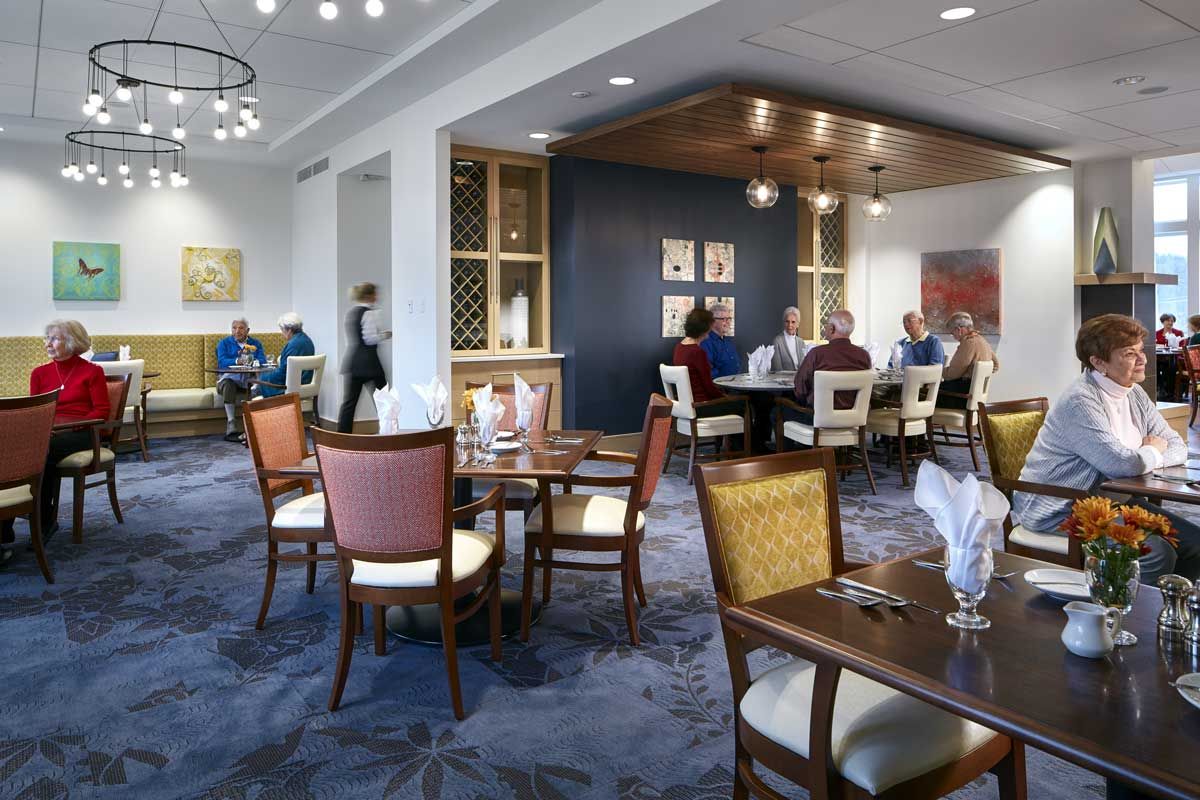
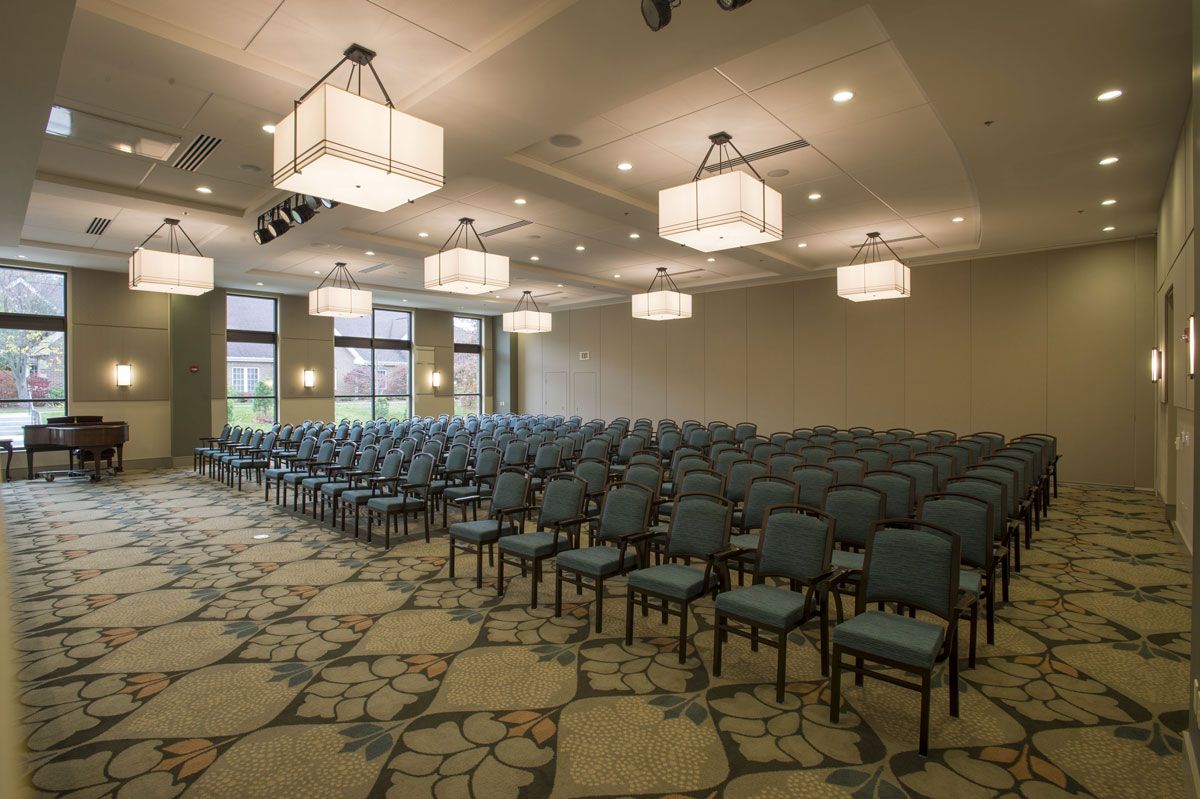
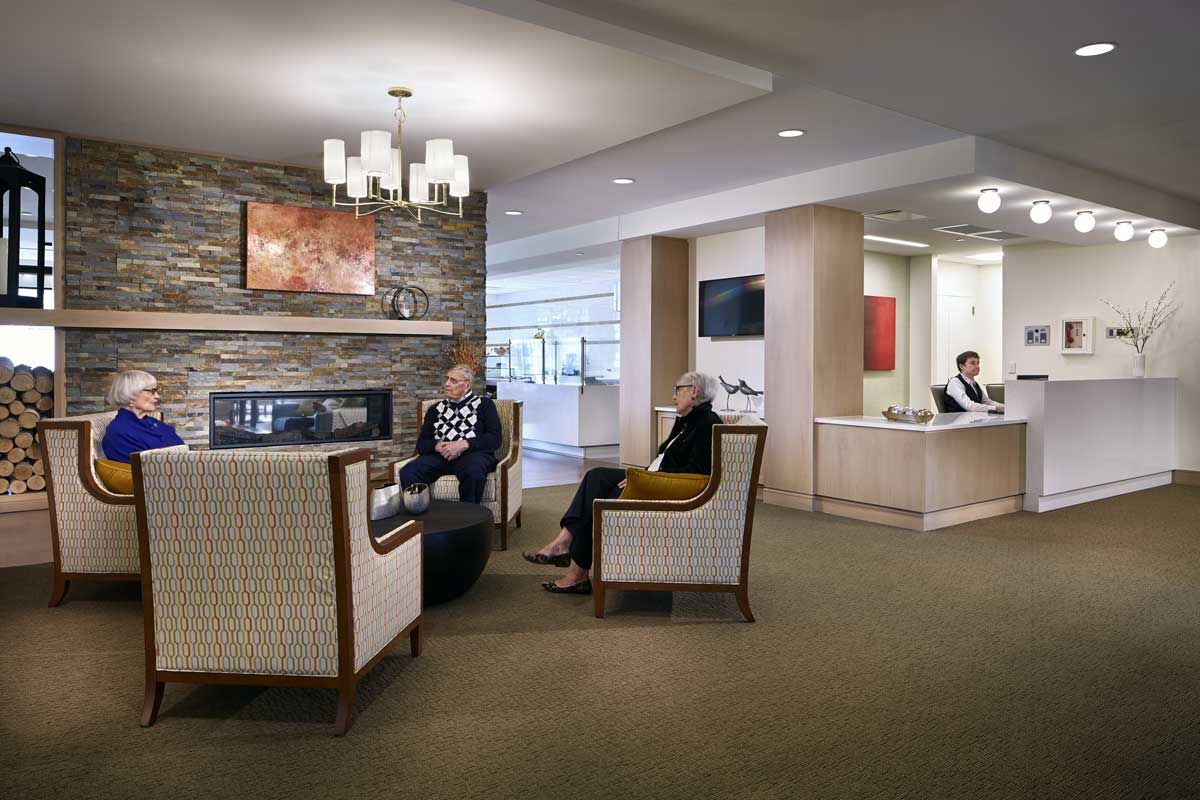
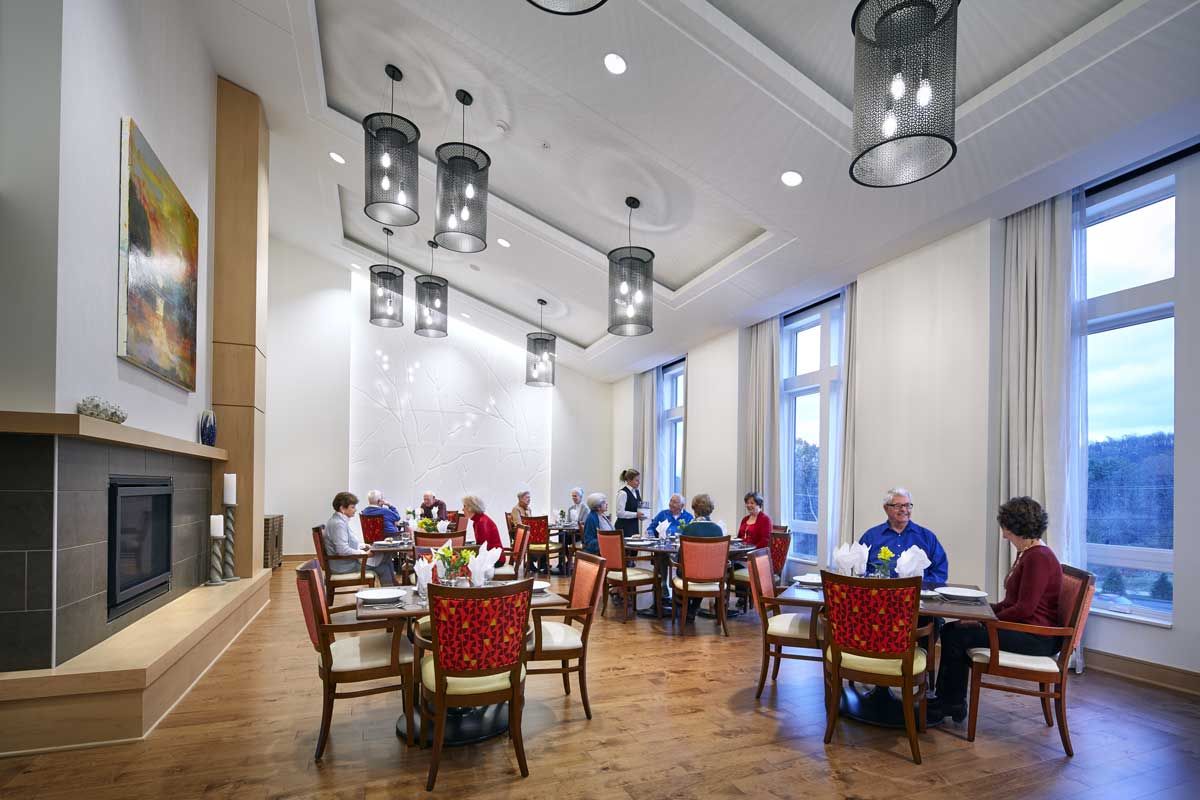
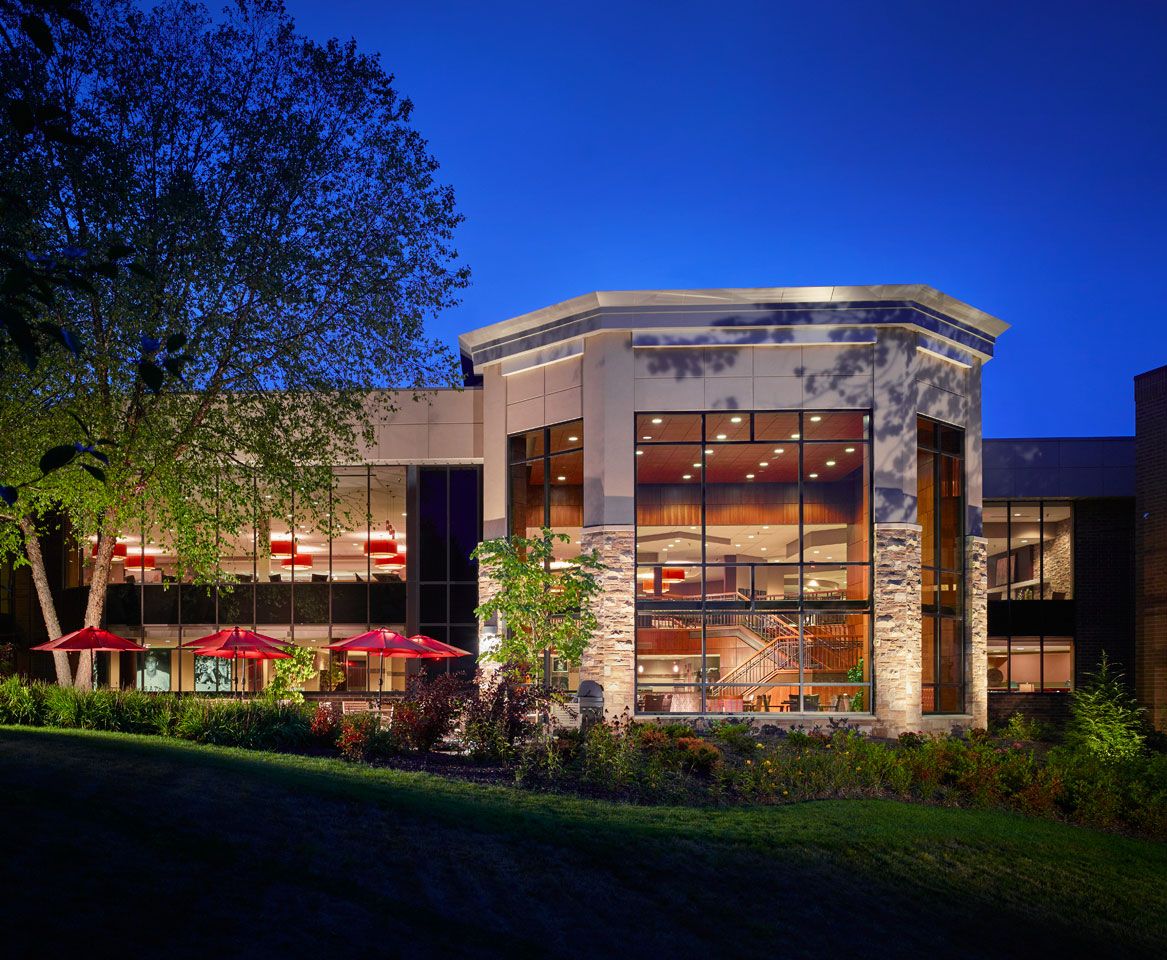
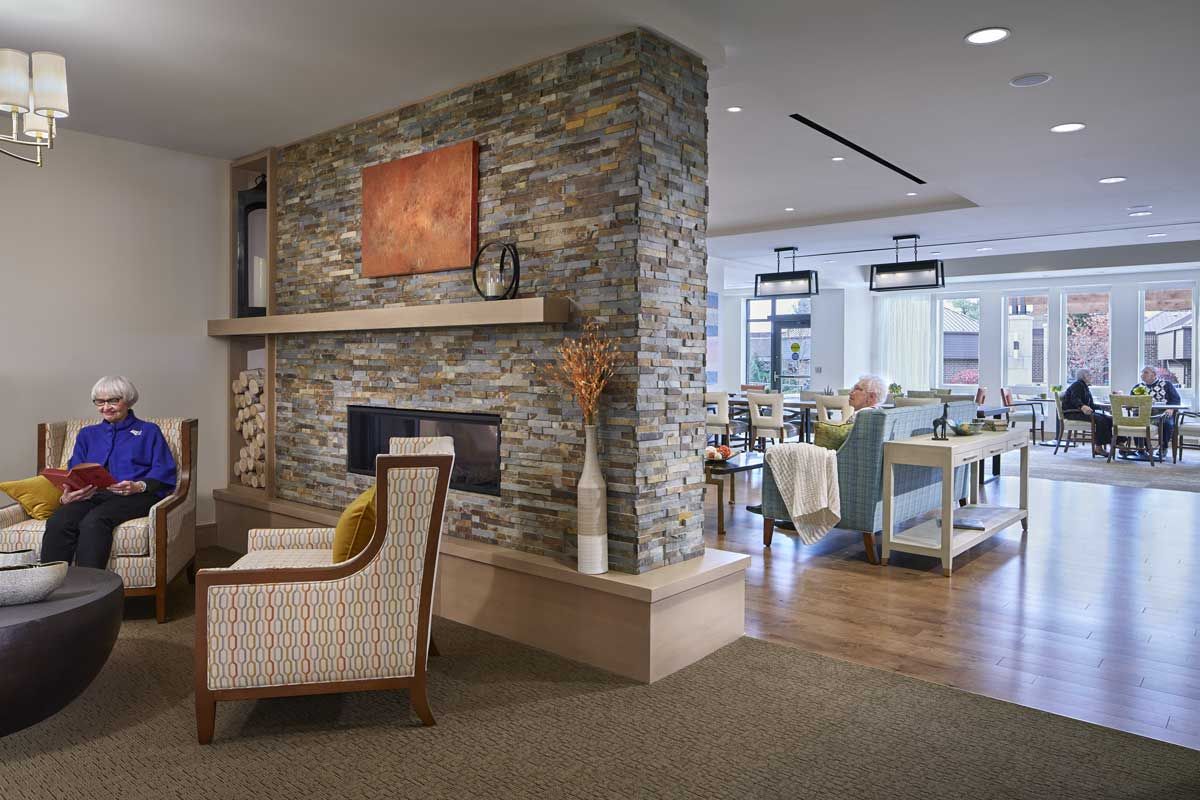
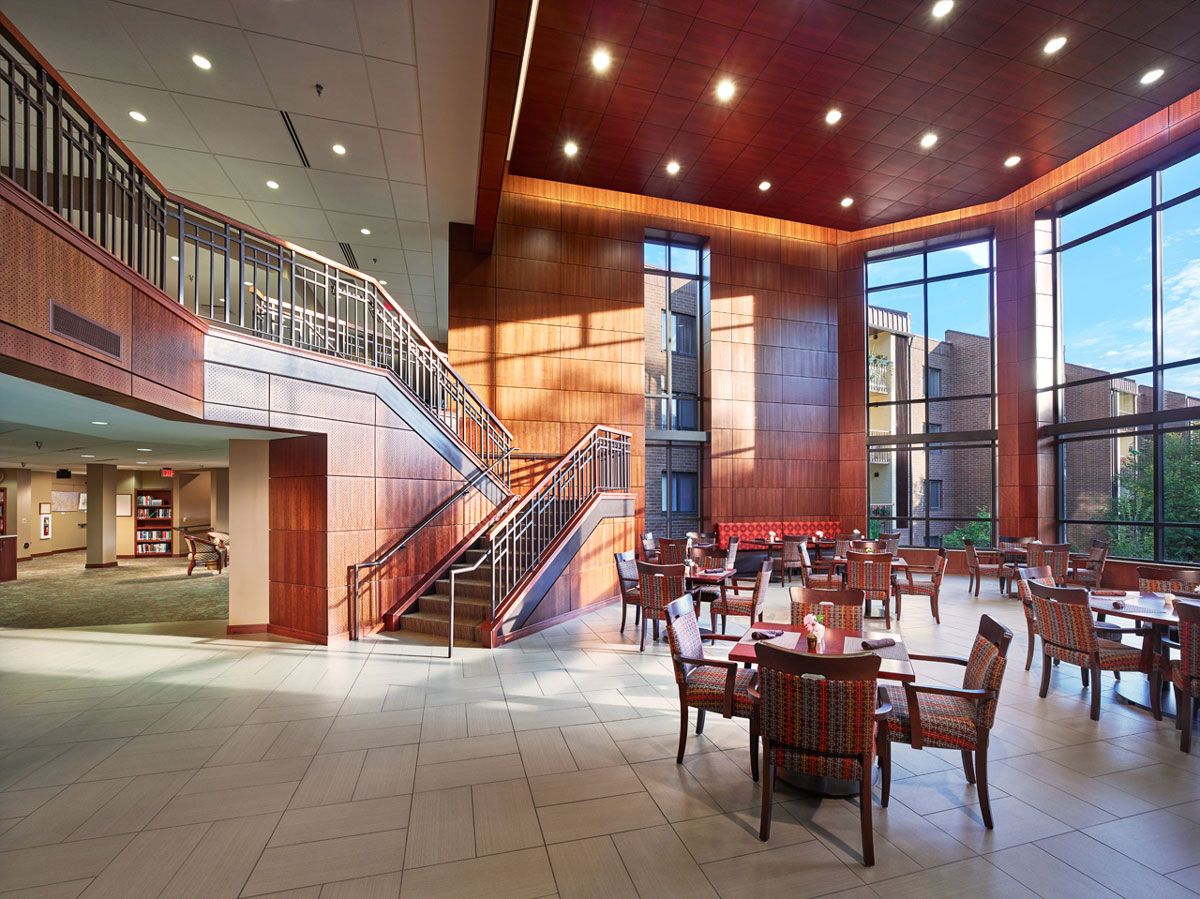
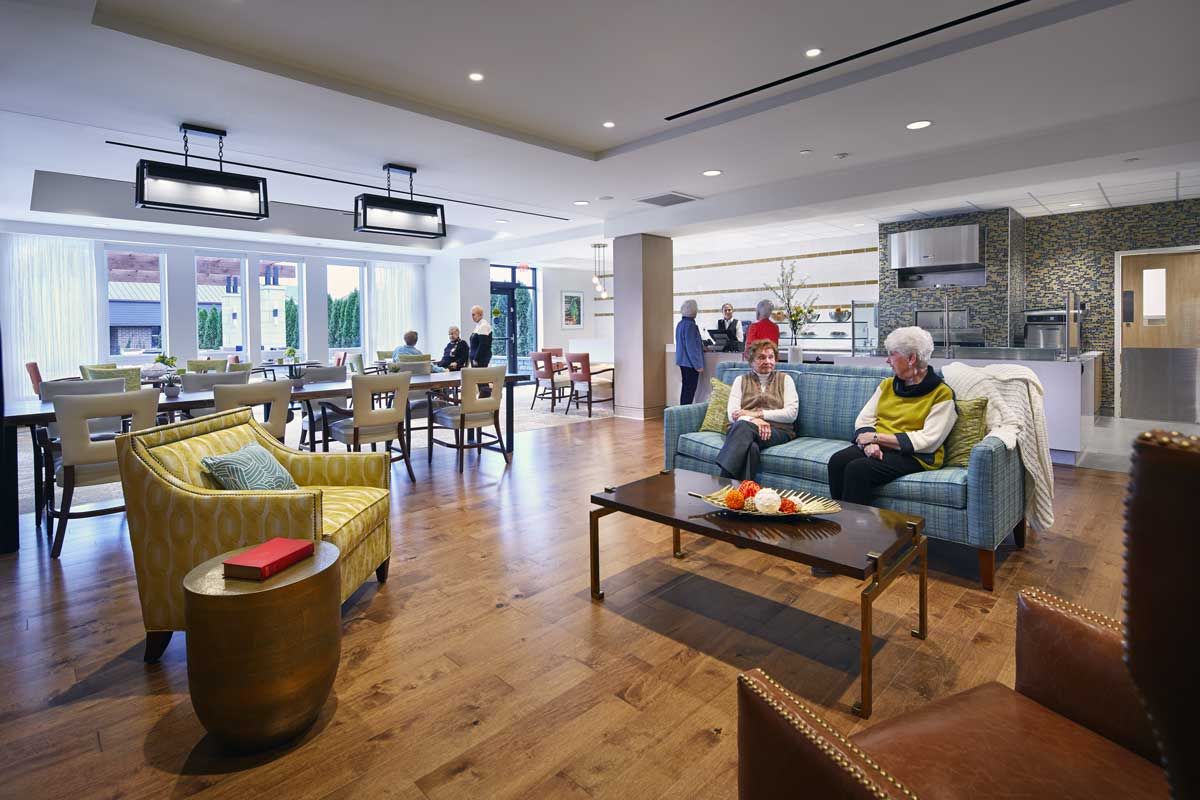
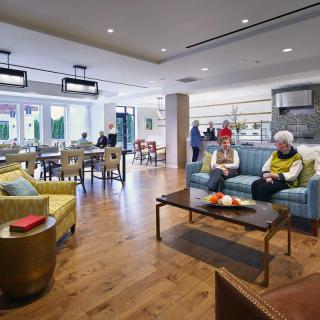
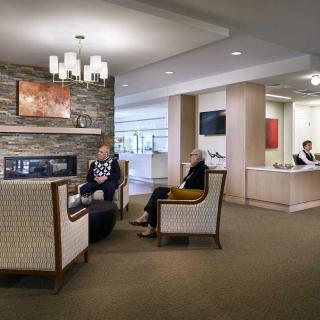
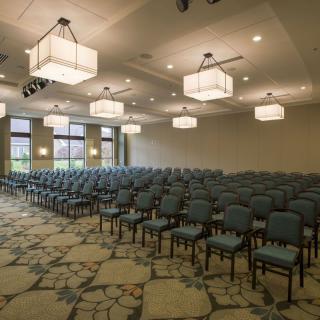
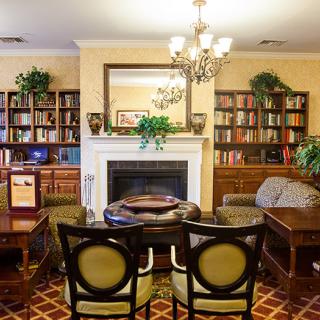
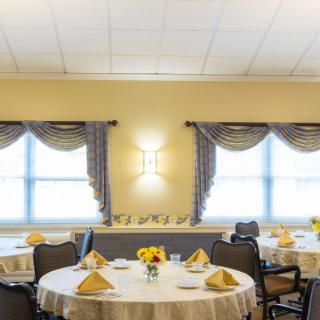
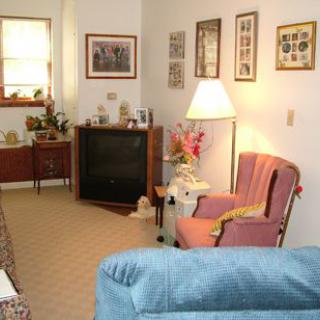
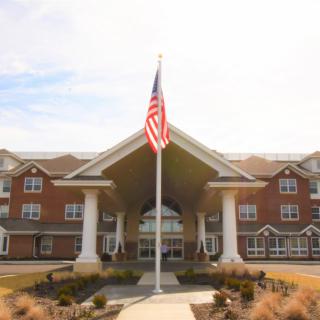
Friendship Village Of South Hills on seniors.fyi includes 12 photos including images showing dining, interior, decor, lighting, windows, lobby, staircase, wood paneling, and more.
Nearby Communities
Friendship Village - South Hills a CCRC
Upper Saint Clair, PA
3.9 from 102 reviews
$2,770 to $3,910 / month
Compassionate, professional staff and effective therapy programs
Seniors Helping Seniors of Southwestern PA
Lawrence, PA
Nearby medical, dining, and recreation options with a welcoming, compassionate staff.
Paramount Health Resources, Inc
Mc Murray, PA
Excellent access to healthcare, pharmacies, parks, dining, and transportation nearby.
Country Meadows Of South Hills I
BRIDGEVILLE, PA
Convenient Bridgeville location with abundant nearby amenities
Country Meadows Of South Hills
Bridgeville, PA
4.2 from 43 reviews
Friendly staff with engaging activities and good dining.
Bridgeville Rehabilitation & Care Center
Bridgeville, PA
4 from 106 reviews
Caring staff in a clean, comfortable facility with engaging activities.
The Grand Residence At Upper St Clair
Pittsburgh, PA
4.2 from 53 reviews
$3,295 to $4,195 / month
Spacious, home-like apartments with engaging activities and supportive staff.
Chartiers Bend Retirement Resort
Bridgeville, PA
4.8 from 68 reviews
$3,346 to $4,561 / month
Beautiful, well-maintained environment with friendly staff and a wide range of activities.
The article outlines effective communication strategies for interacting with loved ones with dementia, highlighting the need for empathy, patience, and understanding while emphasizing supportive approaches like using simple language, minimizing distractions, and focusing on feelings over facts to maintain dignity and foster connection. It also suggests seeking professional guidance when needed as communication challenges evolve.
VA nursing homes, or Community Living Centers (CLCs), offer tailored long-term care for veterans, featuring medical attention and rehabilitation in a supportive environment. The guide covers facility types, eligibility criteria, financial assistance options, quality of care standards, and alternatives to full-time nursing home placement.
At-home dementia care expenses vary widely based on care levels, location, and caregiver expertise, with monthly costs for home health aides exceeding $4,500 and specialized care potentially surpassing $100,000 annually. While families favor in-home care for its comfort and personalized attention, they must consider financial planning and the challenges of caregiver fatigue.
Get PricingAsk A QuestionSchedule A TourContact Senior Advisor
By clicking submit, you agree to our Partner's Terms of Use. You
also consent to receive calls and texts, which may be autodialed, from our Partner. Your consent is not a condition to
using our Partner's service. Please visit our Partner's Privacy Policy for information about their privacy practices.








 89 resident community capacity
 Assisted Living
 Independent Living
 Memory Care
 Skilled Nursing Facility
 Air-conditioning
 Beauty salon
 Cable or satellite TV
 Computer center
 Dining room
 Fitness room
 Fully furnished
 Gaming room
 Garden
 Housekeeping services
 Kitchenette
 Move-in coordination
 Outdoor space
 Private bathrooms
 Restaurant-style dining
 Small library
 Telephone
 Wellness center
 Wi-Fi/high-speed internet available
 Pittsburgh International (14 miles away)
 Community operated transportation
 12-16 hour nursing
 24-hour call system
 Activities of daily living assistance
 Assistance with bathing
 Assistance with dressing
 Assistance with transfers
 Diabetes diet
 Medication management
 Mental wellness program
 Special dietary restrictions
 Concierge services
 Planned day trips
 Compassionate, professional staff and effective therapy programs

 How to Communicate with a Loved One Living with Dementia: 10 Supportive Strategies
 Comprehensive Guide to VA Nursing Homes: A Crucial Long-Term Care Resource for Veterans
 Estimating the Expenses of At-Home Dementia Care: A Detailed Exploration