
3411 North 17Th Street, Philadelphia, PA 19140
For more information about senior living options: (866) 208-4318
Overall Review of Quality Board and Care Home
Cons
 The place should be shut down or inspected.
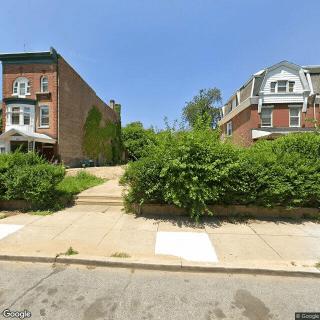
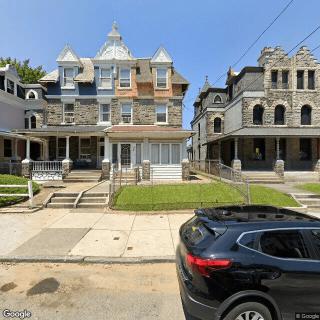
- The building’s conditions are bad.
- The entrance smells like urine.
- There are concerns about whether residents are being given their medications.
- Residents’ funds are being taken from them.
- The reviewer plans to report the facility to the state department.
Review
This community is best suited for virtually no resident who expects safe, dignified assisted living. In practical terms, the only situation where it might be considered is when a family can provide relentless, hands-on oversight and advocacy, because the level of risk documented suggests ongoing supervision, strict medication management, and immediate safety responses are non-negotiable. The facility as described appears ill-equipped to deliver those essentials, and without a chaperone-level presence, a resident could quickly become exposed to neglect or worse. For families facing complex needs, this is a setting to avoid unless there is an ironclad plan for constant monitoring and rapid intervention.
Those evaluating care options should immediately pivot to facilities with proven, transparent safety and ethics records. Alternatives with clean inspections, properly staffed caregiving teams, clear medication administration protocols, and verified protection against financial exploitation are essential. Prospective residents and families should prioritize licensed operators with accessible licensing histories, active complaint records, and opportunities to speak directly with current residents and their families. In short, look elsewhere for a confidently accountable environment that can deliver consistent, respectful care.
The single, stark review paints a picture where the benefits are nearly nonexistent and the risks are urgent. The most troubling elements, persistent odor and unsanitary conditions, residents described as mentally ill without reliable oversight, and alleged misappropriation of funds, overwhelm any potential convenience or cost savings. There is no credible offset from any notable positives to counterbalance the possibility of neglect, coercion, or abuse. When the primary indicators point to safety failures and disrespectful treatment, the burden of proof falls on the facility to demonstrate otherwise; the review provides none of that assurance.
Families evaluating a transition should insist on verifiable, on-site demonstrations of capability. This means a clean, safe physical environment, evidence of routine sanitation practices, clearly labeled medication handling, and a staffed administrator available for candid discussions. Request recent state inspection results, any corrective-action plans, and the facility’s process for safeguarding residents’ finances. Speak with multiple residents’ families, if possible, to corroborate safety, dignity, and transparency. If the facility cannot supply transparent responses or cooperative access to information, that absence alone is a red flag.
If a placement is already contemplated or underway, immediate actions are warranted. Engage a trusted elder-care advocate or attorney to review contracts, power-of-attorney arrangements, and financial safeguards. Monitor for ongoing behavior changes in residents, insist on regular, documented care plans, and demand prompt escalation channels for concerns. Should red flags persist, prepare to transition to a higher-quality setting with a verified track record for safeguarding residents and honoring resident rights. Delaying move plans only grows risk exposure for vulnerable individuals.
In conclusion, this community does not meet the benchmark for sound, responsible senior living. The combination of weak physical conditions, concerns about resident well-being, and potential financial exploitation creates a clear imperative to seek alternatives. Families should prioritize facilities with proven safety, clean environments, ethical operations, and robust oversight. The prudent course is to disengage from this option, pursue higher-quality neighborhoods, and deploy diligent, ongoing monitoring whenever any sign of risk arises.
 15 resident community capacity
 Assisted Living
 Board and Care Home
 Cable or satellite TV
 Dining room
 Fully furnished
 Garden
 Housekeeping services
 Move-in coordination
 Outdoor space
 Telephone
 Wi-Fi/high-speed internet available
 Philadelphia International (10 miles away)
 24-hour supervision
 Activities of daily living assistance
 Assistance with bathing
 Assistance with dressing
 Assistance with transfers
 Diabetes diet
 Meal preparation and service
 Medication management
 Special dietary restrictions
 Transportation arrangement (medical)
 Transportation to doctors appointments
 24/7 staff with medication management and diverse on-site amenities.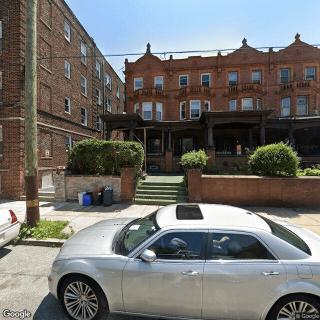



 Understanding Medicaid Coverage for Assisted Living: A Comprehensive Guide
 How and When Medicaid May Cover Assisted Living Costs
 A Detailed Exploration of Assisted Living Medicaid Waivers Across the United States