
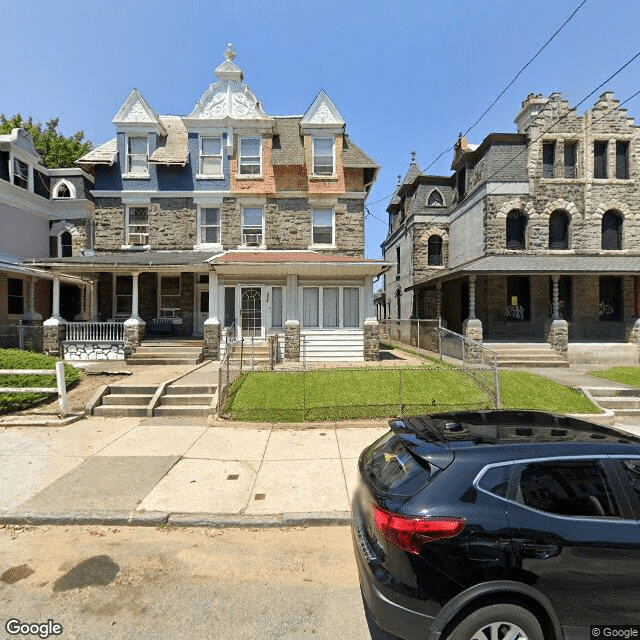
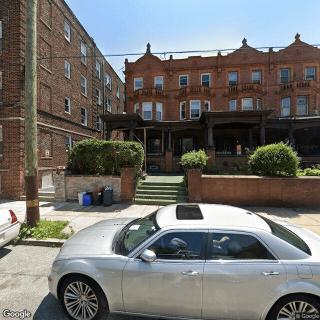
2219 W Tioga St, Philadelphia, PA 19140
To contact a resident: (215) 227-1380
For more information about senior living options: (866) 208-4318
Overall Review of Johnson Family House
Pros
 They took very good care of his brother.
- The home was run by a husband-and-wife team.
- The facility was nice and clean.
- The family is grateful and wants to thank them from the heart.
Review
Johnson Family House in Philadelphia is best suited for families seeking a small, home-like care setting where a loved one can receive steady, personalized supervision from a devoted, hands-on team. This community works best for adults who need daily help and close monitoring but do not require extensive medical or specialized memory-care services. The intimate scale and the reality that the owners are locally involved operators provide a level of continuity that larger facilities often cannot match. For families juggling full-time work and caregiving, the promise of reliable on-site presence and a familiar, domestic atmosphere can be a decisive advantage.
Those who should consider alternatives include families prioritizing formalized clinical oversight, broad programming, or large-scale operation. If a resident requires 24/7 skilled nursing, complex wound care, dialysis, or structured memory-care protocols, a bigger facility with more staff and documented procedures may be a better fit. Prospective residents should also verify licensing status, participation in inspections, and clear admission criteria. For families chasing a highly polished, corporate environment or dependability on a public rating system, the more intimate, owner-operated model may feel less comprehensive. In short, conditions demanding robust clinical resources or expansive activity calendars point toward alternative options.
On the positive side, the strongest draws are evident in the long-term stability and the personal touch. One resident lived there for 11 years under a husband-and-wife leadership, with caregivers who delivered attentive, low-ego, hands-on care. The environment is described as clean and well maintained, reinforcing a sense of safety and respect for residents. The consistency of care from a small team, where owners are directly involved in daily life, translates into meaningful relationships, responsiveness, and a reassuring sense for families that their loved one is being treated with genuine concern. The gratitude expressed by families further underscores the trust built over years of service.
Yet, the most salient concerns revolve around scale and transparency. The limited public data and the dependence on a two-person leadership model raise questions about capacity, backup coverage, and how emergencies are managed when owners are away or unavailable. The absence of a broader staff pool can limit flexibility in scheduling, activities, and respite care. Without explicit information on licensing, regulatory compliance, and admission criteria, families must do their due diligence to confirm that the home’s operations align with the resident’s medical and social needs. These questions are not insurmountable, but they require proactive confirmation before arranging a move.
When the pros line up with the family’s priorities, Johnson Family House can offset the potential drawbacks through its core strengths. The intimate, home-like setting fosters trust, meaningful relationships, and rapid-response caregiving, qualities that matter deeply to families seeking security and affection for a loved one. The durability of occupancy and the owners’ visible commitment can translate into a predictable, stable routine, which often reduces caregiver stress and unplanned transitions. For families who value warmth, dignity, and a sense of belonging over institutional polish, these advantages frequently outweigh the uncertainties inherent in a small, family-run operation.
Practical next steps are clear. Prospective families should arrange a visiting tour to observe daily life, meet the owners, and assess how care is delivered on a typical day. Confirm whether the home is actively accepting residents, what the exact staffing model looks like, and how medical needs and emergencies are handled. Seek references from current or past residents’ families, and obtain a transparent outline of pricing, services included, and any additional costs. If the relied-upon criteria are met, home-like atmosphere, long-tenured care, and hands-on leadership, the community becomes a compelling option. If not, the Philadelphia market offers larger facilities with broader medical supports and more extensive programming that may better align with alternative priorities.
 Board and Care Home
 Philadelphia International (10 miles away)


 Understanding Home Health Care: A Comprehensive Guide
 Home Health Care Demystified: A Comprehensive Guide for Families and Caregivers
 Seniors and Modern Transportation: Exploring Uber, Lyft, and Other Ride-Hailing Options