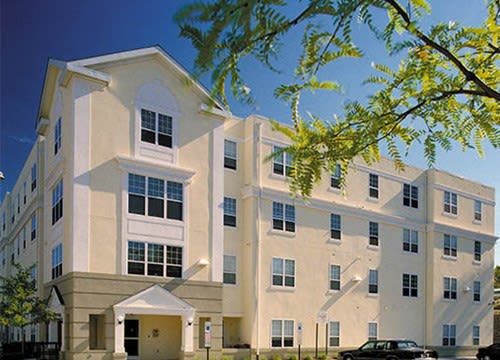

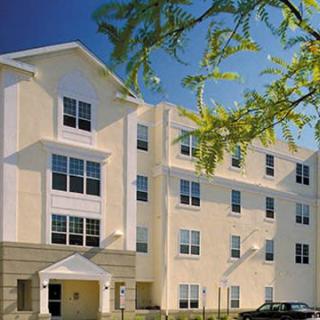
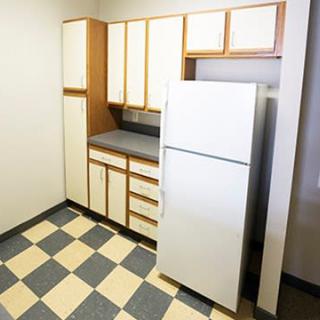
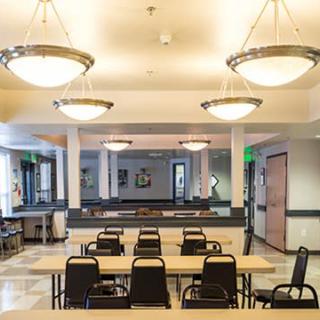

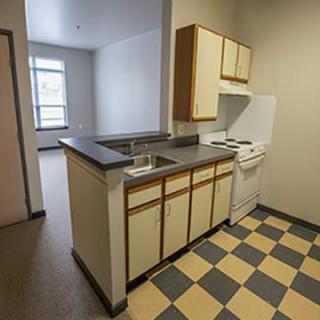
22 W Rittenhouse St, Philadelphia, PA 19144
To contact a resident: (215) 438-6810
For more information about senior living options: (866) 208-4318
Maple Village Costs & Pricing
Maple Village presents a competitive pricing structure for its residential offerings, particularly when compared to both Philadelphia County and the broader state of Pennsylvania. For instance, the cost of a one-bedroom unit at Maple Village ranges from $700 to $2,240, which is significantly lower than the average rent of $2,848 in Philadelphia County and even more so against the state average of $4,006. Similarly, for two-bedroom accommodations priced at $788, residents benefit from substantial savings when juxtaposed with Philadelphia County's $3,874 and Pennsylvania's $4,242 averages. This positioning makes Maple Village an attractive option for those seeking quality living arrangements without the hefty price tag commonly associated with more urbanized areas.
| Floor plans | Maple Village | Philadelphia County | Pennsylvania |
|---|---|---|---|
| 1 Bedroom | $700 to $2,240 | $2,848 | $4,006 |
| 2 Bedrooms | $788 | $3,874 | $4,242 |
Senior living communities with a similar price nearby
-
About the same
Zurbrugg Mansion
$719 to $960 / month11.6 miles away -
from -$65 / mo

The Belvedere
$635 to $2,970 / month15.1 miles away -
from -$60 / mo

Tarditi Commons
$640 / month12.6 miles away -
from -$72 / mo
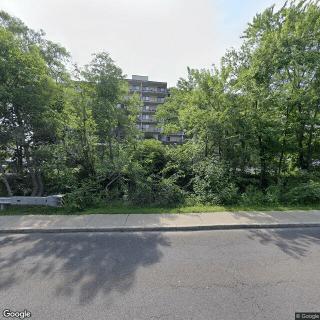
Center Square Towers
$628 to $796 / month19.6 miles away -
About the same
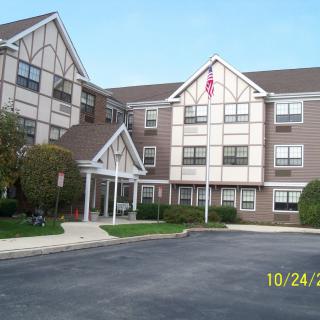
Park View at Cheltenham
$696 to $850 / month3.1 miles away
Overall Review of Maple Village
Pros
 The property manager was very pleasant.
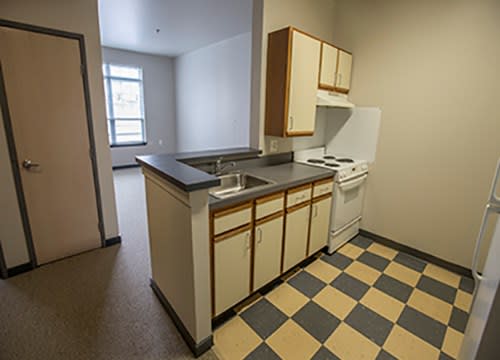
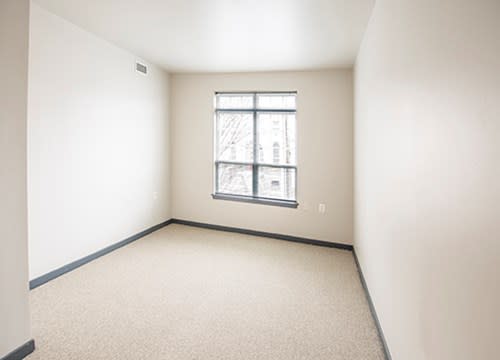
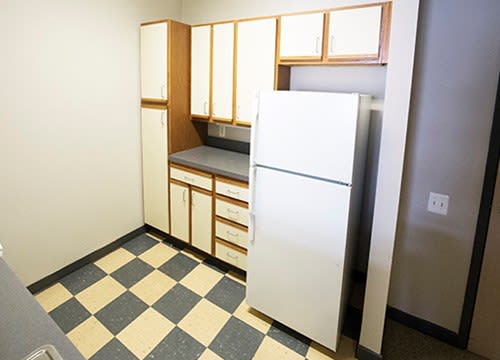
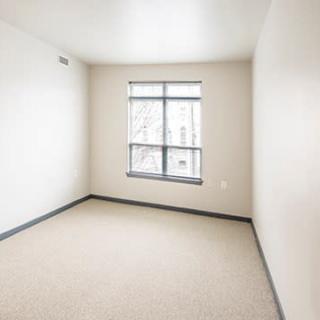
- The apartments are nice and reasonably sized for senior living.
- Reviewers would definitely recommend this facility.
Cons
 The flooring is poor and unlevel.
- Elevators are often dysfunctional and clanky.
- Virtually no security at the time of this post.
- There are multiple maintenance issues that need upgrading.
- They never kept their word about installing security.
- The TV cameras have no one watching them.
- The computer rooms have been robbed.
- Furniture has been stolen from the lobby.
- They delayed a final utility shutoff for a moved-out resident by two months.
Review
Maple Village in Philadelphia is best suited for budget-conscious seniors who want roomy, comfortable apartments and a personable property manager, with a family member or caregiver ready to oversee overall safety and upkeep. The community offers agreeable apartment layouts and a cooperative on-site presence, but this is balanced by aging infrastructure and notable security gaps. It works for residents who can tolerate inconsistent maintenance and are comfortable steering their own day-to-day needs, rather than relying on a consistently polished, zero-risk environment.
Those considering Maple Village should also be aware of clear alternatives. Any family prioritizing robust security, reliable elevator service, and consistently proactive maintenance will likely want to explore other options before committing. Communities with stronger on-site security staffing, real-time monitoring, and newer common areas typically provide a more predictable safety net. For seniors who require frequent assistance, 24/7 staff availability, or a maintenance-centric culture, Maple Village may fall short.
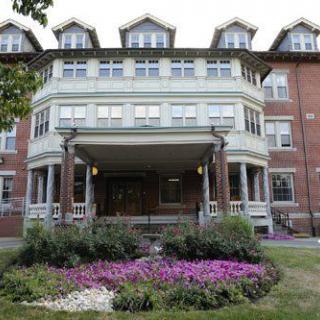
The strongest positives at Maple Village are the apartment size and the demeanor of the property management team. Several reviewers emphasize that the units are nicely spaced and comfortable for independent living, and a pleasant property manager is repeatedly cited as a meaningful plus. Those features can translate into a decent daily living experience, especially for residents who value personal touches in resident services and appreciate a community that feels welcoming during tours and onboarding. When these factors align, the living space itself can feel like good value.
However, the main drawbacks heavily tilt the scale toward caution. The flooring is reported as poor and unlevel, with ongoing maintenance needs that arenā€™t simply cosmetic. Elevators are frequently dysfunctional and clanky, a critical issue for residents who rely on heightened accessibility or regular elevator use. Security is another major concern: cameras exist, but there is little to no active monitoring, and incidents of theft, from lobby furniture to computer rooms, signal a vulnerable environment. The combination of unaddressed maintenance, aging infrastructure, and weak security creates a risk profile that must be weighed heavily by families with health or mobility concerns.
These cons do not entirely erase the appeal of Maple Village, but they do determine who should proceed with caution. The available pros, the space, the approachable manager, and the potential for affordable, comfortable living, can offset some dissatisfaction if a resident has strong personal oversight, a support network, and a plan to handle episodic outages or delays. Yet the reality of delayed utility shutoffs (noted in a prior move-out incident) and the persistence of security gaps means these positives will often feel limited in practice. Prospective residents must decide whether sufficient oversight and a willingness to adapt to imperfect systems are acceptable trade-offs for the size and ambiance of the units.
Bottom line: Maple Village can be a solid option for a self-directed senior who values large, practical living spaces and a friendly point of contact, provided there is active family involvement and a plan to manage safety and maintenance gaps. For those who prioritize seamless security, elevator reliability, and consistently pristine infrastructure, alternatives deserve serious consideration. Before committing, arrange a candid, in-depth visit focused on elevator operation, current maintenance backlogs, security measures on the ground floor and in common areas, and a concrete, written plan for addressing any issues that arise. If these factors cannot be satisfactorily resolved, move to other communities that offer stronger protections and more predictable service.
 Active Adult Communities (55+)
 Activities off-site
 Devotional services off-site
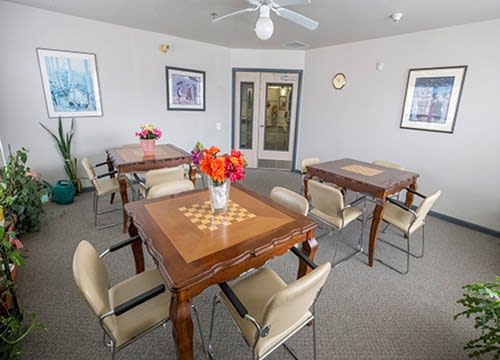
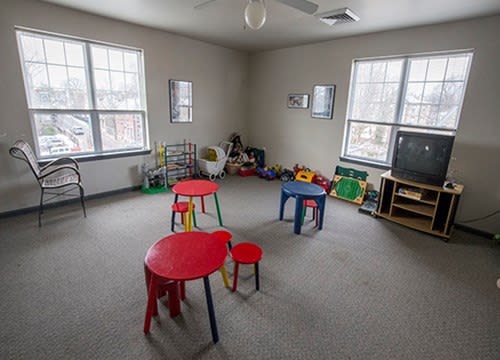
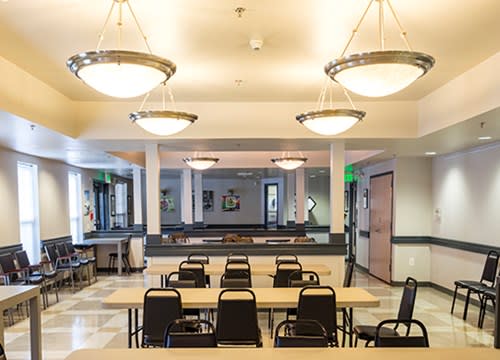
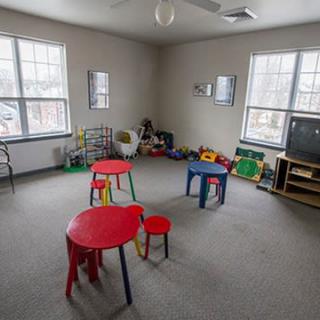
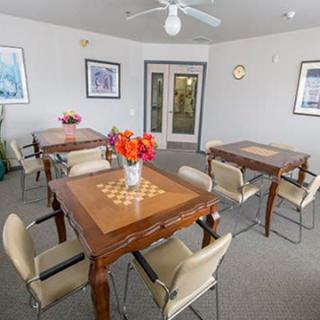
 Indoor common areas
 Outdoor common areas
 Philadelphia International (12 miles away)

 Comprehensive Guide to Qualifying for Home Health Care Services
 Powerful Realities of Elder Abuse and the Most Effective Ways to Report It
 Ten Vital Duties of a Senior Caregiver: A Comprehensive Guide