
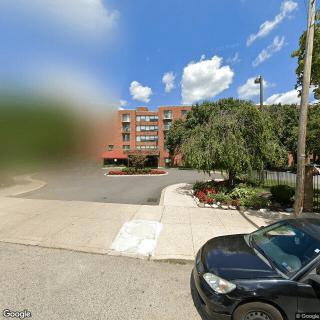
1300 Spring Garden Street, Philadelphia, PA 19123
For more information about senior living options: (866) 208-4318
Overall Review of Gaudenzia New Beginnings
Pros
 The starting place was a good place for them to begin their journey.
- From there, they changed everything about themselves.
- The West Chester house was great for them to understand why they were using things, and things are much better.
Cons
 None found in the provided reviews.
Review
Gaudenzia New Beginnings in Philadelphia is best suited for adults just starting their recovery journey who want a structured, supportive setting that helps reveal the roots of substance use and begins charting a path forward. The program is clearly oriented toward building self-awareness and motivation, rather than offering a quick fix. In the experiences shared by participants, it acts as a reliable first stop, a place where a person can get grounded, learn the language of recovery, and gather traction for what comes next. The emphasis on beginning the journey, rather than delivering a final, perfected cure, makes this community a practical fit for someone who needs guidance, accountability, and a concrete plan to move beyond denial and into action.
Those who may want to consider alternatives are individuals seeking a longer, more medicalized treatment trajectory, or those who prefer different settings or environments. If the goal is a comprehensive, long-term rehabilitation program or a broader continuum of care, it may be wise to compare other centers that package detox, medical oversight, and extended residential care under one roof. While Gaudenzia New Beginnings clearly supports initial insight and change, some families may want options with more intensive therapy hours, more diverse programming, or a larger network of aftercare resources. In such cases, a side-by-side comparison with other facilities can prevent underestimating what sustained recovery requires after discharge.
Pros come in the form of a practical catalyst. The strongest takeaway from the available reflections is that the community provides a solid starting point, an environment where individuals can begin to map out the reasons behind their use and to articulate what recovery will demand. One reviewer described it as "a good starting place for me to begin my journey," signaling clear momentum from admission onward. The setting appears to support honest self-exploration and the willingness to face uncomfortable truths, which is essential in early recovery. When the door opens to insight, motivation grows, and that seed often becomes the seed of meaningful life changes.
Another strength lies in the potential for substantial personal change once engagement deepens. The same expressions from participants hint at a transformative arc: "from there, I changed everything about myself." That outcome is not guaranteed, but it demonstrates that the program can ignite and sustain change for those who leverage the support, structure, and peer feedback provided. The narrative suggests a climate where individuals confront triggers, develop new coping skills, and begin to reconstruct routines. The value of Gaudenzia New Beginnings, then, rests on turning initial clarity into long-term practice, using the early work as a foundation for ongoing recovery, rather than treating the first weeks as a terminal destination.
However, the main caveat is that Gaudenzia New Beginnings appears to be primarily an entry point rather than a complete, end-to-end solution. Without a robust plan for aftercare, ongoing therapy, and seamless transitions to supported living, the gains risk fading once the initial program ends. The reviews acknowledge the speed and clarity of the initial insight, but they do not suggest that lasting change is automatic; in fact, the real work follows after leaving, in real-world routines and relationships. Families should assess whether the facility can couple admission with a well-mapped aftercare network, housing options, and connections to community resources that sustain progress. If these elements seem underdeveloped, alternatives with stronger longitudinal support deserve serious consideration.
Gaudenzia New Beginnings is a solid choice for adults in early recovery who want a concrete, structured start, one that prioritizes self-understanding and motivation. Its best value is as a launching pad, an efficient way to confront the “why” behind use and to catalyze change when followed by disciplined aftercare. Families should not expect a one-stop fix, and those needing more intensive medical or long-term residential care may want to pursue additional options or compare programs with stronger continuous care. If choosing this community, plan ahead for transition: clarify aftercare services, set realistic milestones, and secure a clear pathway to ongoing support. When aligned with a rigorous post-program plan, the decision to begin here can yield durable recovery momentum.
 18 resident community capacity
 Assisted Living
 Board and Care Home
 Cable or satellite TV
 Dining room
 Fully furnished
 Garden
 Housekeeping services
 Move-in coordination
 Outdoor space
 Telephone
 Wi-Fi/high-speed internet available
 Philadelphia International (8 miles away)
 24-hour supervision
 Activities of daily living assistance
 Assistance with bathing
 Assistance with dressing
 Assistance with transfers
 Diabetes diet
 Meal preparation and service
 Medication management
 Special dietary restrictions
 Transportation arrangement (medical)
 Transportation to doctors appointments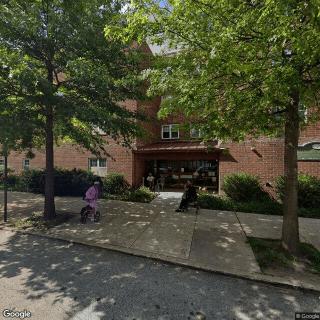







 Securing Financial Support for Assisted Living: A Comprehensive Overview
 Social Security Benefits and Assisted Living: Navigating Options Across the U.S.
 An Extensive Exploration of the VA Aid and Attendance Benefit