
2880 Horseshoe Pike, Palmyra, PA 17078
For more information about senior living options: (866) 208-4318
Overall Review of The Gardens At Campbelltown
Pros
 The staff at Kadima Rehabilitation & Nursing at Campbelltown were great.
- The activities department staff were really good.
- The therapists were good.
- They have been working on improving what they have there.
- The facility tailors meals for everybody, showing consideration for individual needs.
- There were compassionate people working there.
Cons
 The facility was dirty and unkempt.
- There was never enough staff.
- The food was awful.
- The RN staff at the desk were very rude.
- Spiders were found in the resident’s room and one bite became infected.
- The bite was dismissed as a boil and not properly addressed for two weeks.
- The reviewer would not recommend this nursing home to anyone.
- In the reviewer’s opinion, the place should be shut down before it kills someone.
Review
Best suited for families seeking post-acute rehab and steady social engagement, The Gardens at Campbelltown presents itself as a practical choice when therapy services and an active activities calendar are valued above pristine matching of home-like aesthetics. On the therapy front, the campus earns credit for competent, personable therapists and a well-regarded activities team. Residents who respond to structured routines and predictable programming will find meaningful moments in the daily schedule, and families looking for a place with clear, therapy-oriented goals will appreciate that focus. The environment, however, is not a luxury setting, and the facility’s broader maintenance and safety picture matters as part of the overall care equation.
Those who should consider alternatives are families prioritizing spotless surroundings, rigorous infection control, and consistently strong medical oversight. The reviews underline serious red flags that cannot be glossed over: a facility that has been described as dirty and unkempt, with insufficient staffing to meet basic needs. Reports of rude RN desk staff, a lack of timely response to medical concerns, and observable hazards (spiders in rooms, an unresolved skin infection) raise legitimate concerns about daily safety and reliability. For long-term residents who require steady 24/7 medical attention, these issues create a meaningful risk calculus that may push families toward other campuses with visibly stronger staffing ratios and more proactive care management.
The core advantages, the therapy team and activities program, do not fully neutralize the larger drawbacks. The therapists and activities personnel can deliver engaging sessions and helpful progress, especially for short-term post-acute goals where mobility and function are the focus. Yet the therapy offerings are constrained by the setting itself, and the sense conveyed is that gains may be limited by the facility’s broader operational constraints. Similarly, while meals are described as adaptable to individual needs, the overall dining experience is not a standout, and the concern about consistent quality compounds the frustration surrounding other care gaps. In short, the positive, person-centered elements exist and can deliver value, but they are repeatedly weighed down by structural problems.
Specific issues highlighted in the feedback emphasize the risk line for prospective residents. The combination of insufficient staffing, inattentive or curt administrative responses, and physical cleanliness problems creates a perception, and in some cases reality, of neglect. The fact that one family member reported having to supplement meals outside the facility underscores ongoing concerns about nutrition and autonomy for residents who rely on kitchen services. The bite wound episode and delayed attention to it, followed by a dismissive response, further erode trust in day-to-day safety. These patterns are not minor irritants; they are core to whether a resident can feel secure and well-cared-for each day.
For families navigating decisions, practical steps are warranted. Request current staffing rosters and turnover rates, and seek a transparent explanation of how medical issues are triaged and addressed. Review the latest state inspection and survey results, focusing on safety and infection control findings, and ask to speak with the medical director about oversight practices. Demand to see sample meal plans and any available dining feedback mechanisms to understand how resident preferences are incorporated. A trial stay or short-term admission can illuminate whether the environment supports steady progress, while a clear communication plan with nursing and administration helps ensure concerns are escalated promptly.
In the end, The Gardens at Campbelltown serves a niche: for those whose primary need is rehabilitative therapy and social engagement, with a willingness to tolerate environmental imperfections, the campus can deliver meaningful value. However, for families prioritizing spotless cleanliness, consistent staffing, and dependable medical oversight, alternatives deserve strong consideration. The decision hinges on balancing the upside of capable therapy and active programming against the real risks implied by reports of neglect, maintenance gaps, and uneven safety responsive behavior. A careful, candid assessment of priorities will determine whether this campus aligns with the resident’s short- and long-term care goals.
 24 resident community capacity
 Assisted Living
 Beauty salon
 Cable or satellite TV
 Dining room
 Fully furnished
 Garden
 Housekeeping services
 Kitchenette
 Move-in coordination
 Outdoor space
 Restaurant-style dining
 Small library
 Telephone
 Wi-Fi/high-speed internet available
 Harrisburg International (11 miles away)
 24-hour call system
 Activities of daily living assistance
 Assistance with bathing
 Assistance with dressing
 Assistance with transfers
 Diabetes diet
 Medication management
 Mental wellness program
 Special dietary restrictions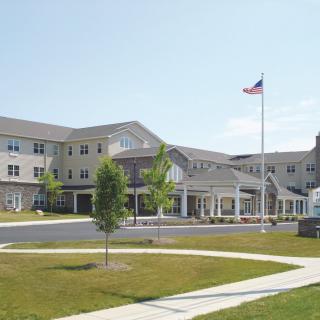



 An Extensive Exploration of the VA Aid and Attendance Benefit
 Senior Transition Services: Understanding Their Role, Cost, and Importance
 Exploring the Path to Senior Living: A Comprehensive Look at Independent Living and Assisted Living