Weston Senior Living Center at Pinebrook in Orwigsburg, PA

Save

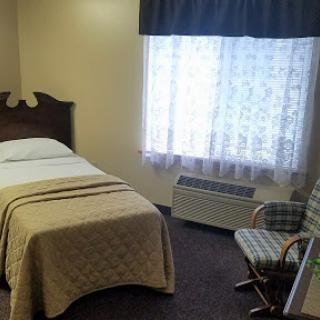
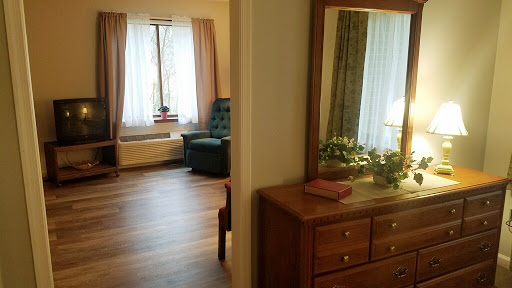
  • Interior

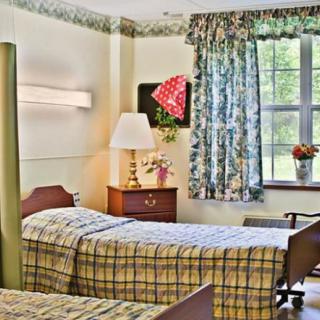
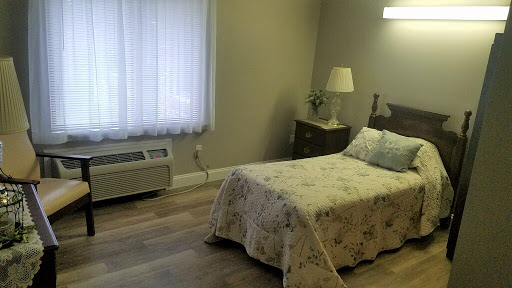
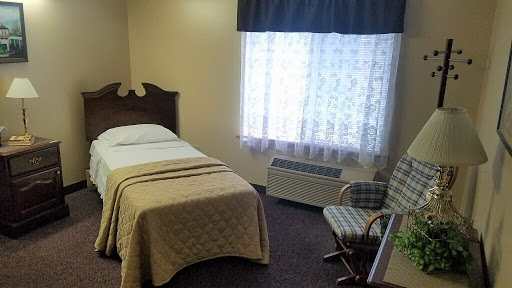
    A simple and cozy single bedroom with a view of the outside through a window.
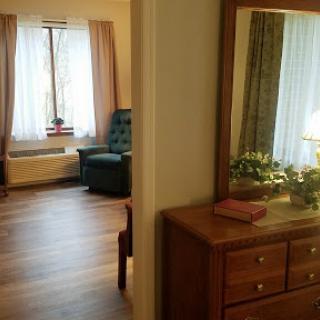
  • Decor

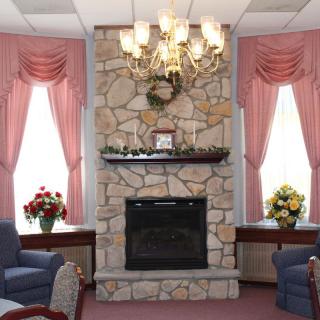
    A view of a cozy living space with natural light highlighting the furniture and decor.
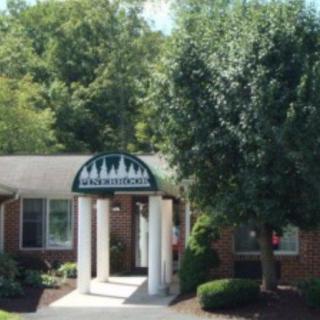
  • Building

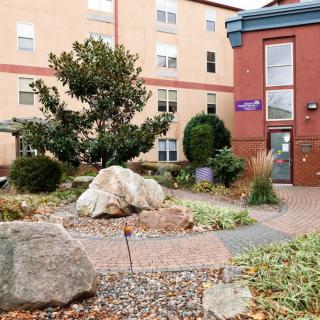
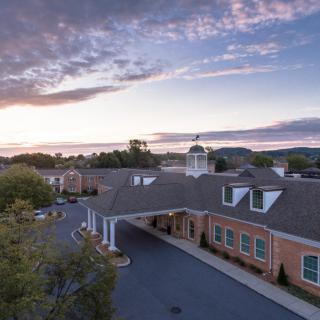
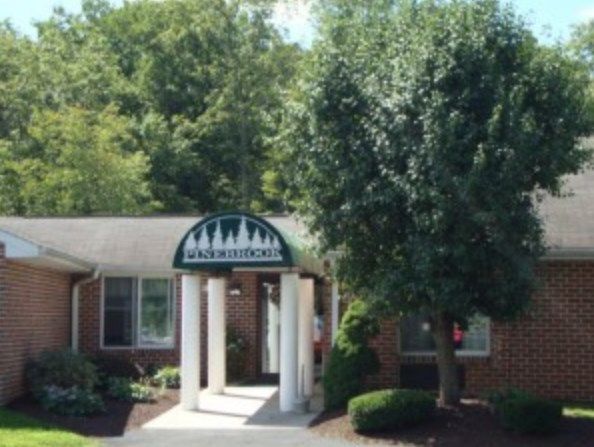
    A small brick building with a covered entrance surrounded by trees and landscaping.
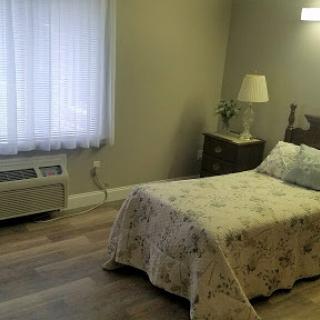
  • Bedroom

    A cozy and simple bedroom featuring a bed, lamp, and natural light from the window.
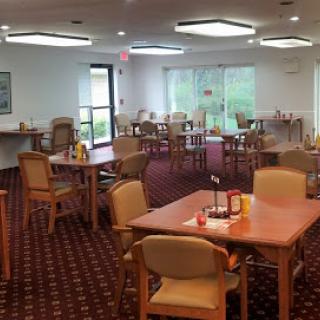
  • Dining

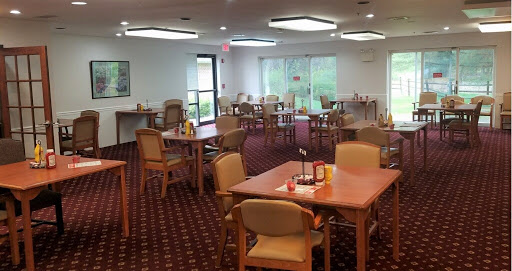
    A spacious dining area featuring several tables and chairs, designed for comfortable seating and dining.
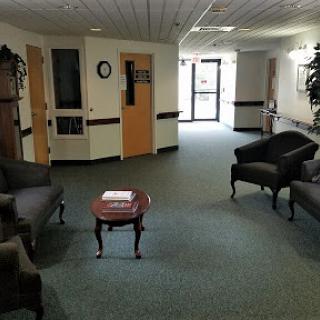
  • Lighting

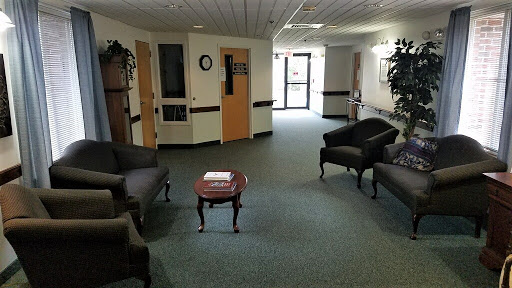
    A spacious waiting area featuring comfortable seating and a welcoming atmosphere.

Weston Senior Living Center at Pinebrook in Orwigsburg, PA

2 Woodbridge Road, Orwigsburg, PA 17961

For more information about senior living options: (844) 490-3973

4.4 from 11 reviews
5 stars
9
4 stars
0
3 stars
0
2 stars
1
1 stars
1

Assisted Living Independent Living

Weston Senior Living Center at Pinebrook Costs & Pricing

Weston Senior Living Center at Pinebrook offers competitive pricing for its residents, particularly when compared to the average costs in Schuylkill County and across Pennsylvania. For semi-private accommodations, the monthly fee is $2,250, significantly lower than the county average of $3,934 and the state average of $3,542. Similarly, their one-bedroom units are priced at $2,500, which again presents a substantial saving against the county's average of $3,753 and the state's average of $4,006. This positioning not only enhances accessibility for seniors seeking quality care but also reflects Weston Senior Living Center's commitment to providing affordable housing options within a supportive environment.

Floor plansWeston Senior Living Center at PinebrookSchuylkill CountyPennsylvania
Semi-Private$2,250$3,934$3,542
1 Bedroom$2,500$3,753$4,006

What level of care are you interested in?

Assisted Living

Memory Care

Independent Living

Skilled Nursing Facility

Continuing Care Retirement Community (CCRC)CCRC

Other


Request a tour at Weston Senior Living Center at Pinebrook

    Overall Review of Weston Senior Living Center at Pinebrook

    Pros

    • pro The Renaissance Home Pinebrook is a small facility that provides individual attention to each resident.
    • pro The staff are described as compassionate and detail-oriented in caring for residents' needs.
    • pro The home offers bingo and has a TV area for movies, supporting resident engagement.
    • pro The facility keeps floors clean, beds made, and rooms feel like a hotel.
    • pro The rooms are large for the area, clean, and feel homey, with residents speaking positively about their home.
    • pro The home accepts pets and provides multiple daily activities, with staff committed to high-quality care and community outings.
    • pro Pizza night, outings, virtual visits, and bingo are described as great.

    Cons

    • pro The meals aren't always what she would have preferred.
    • pro An area was under construction, so only a finished sample room could be shown.
    • pro Because of COVID, the actual residents weren't visible.
    • pro Due to COVID, they can't go out for outings.
    • pro There aren't any programs mentioned yet.

    Review

    Weston Senior Living Center at Pinebrook is best suited for families seeking a small, intimate assisted-living environment where staff can deliver truly individualized attention and residents feel treated like part of a close-knit community. This is a setting that emphasizes person-centered care, with caregivers who know residents' needs, preferences, and routines. It appeals to those who value a home-like atmosphere, private living spaces, and easy access to common areas, outdoor seating, and a garden. Pets are welcome, which helps many residents stay connected to their routines and companions. For families that want reliable transportation, regular social contact, and meaningful daily connections, this community stands out. Those prioritizing expansive programming, large-scale activities, or specialized memory-care services should consider alternatives.

    The strongest attribute is the small scale itself. The facility's size enables staff to provide steady, attentive support and to notice subtle shifts in a resident's condition or mood. Families consistently describe compassionate care and a high level of attention to detail in daily tasks such as housekeeping and bed-making, which translate into a consistently clean, orderly environment. Residents benefit from shared spaces that feel comfortable and welcoming, including a well-used common lounge and an inviting outdoor area. The ability to tailor activities and outings to individual interests is a clear plus, with transportation available to help residents stay connected to the broader community. The combination of intimate staffing and a warm atmosphere fosters trust and steady routines that many seniors find essential.

    Amenities and daily life reinforce the pros. Meals are generally well-regarded, with residents noting good-quality food and the opportunity to enjoy social rituals like bingo and occasional movie time in the common areas. The facility also demonstrates a commitment to keeping residents engaged through multiple daily activities and regular outings, which helps mitigate the sense of confinement that can accompany some assisted-living settings. Room environments are described as comfortable and even hotel-like in some cases, contributing to a sense of dignity and pride in one's living space. The ability to have family members visit in residents' rooms and to keep the environment relaxed while still maintaining structure contributes to a balanced, reassuring daily rhythm.

    Understanding the potential downsides is essential to a sound decision. A smaller campus inherently means fewer on-site options and a lighter slate of activities compared with larger facilities that run full calendars. For residents whose interests run toward a wider array of daily programs, more varied meal selections, or more frequent off-site excursions, this setting may feel limiting at times. Two reviewers expressed concerns that reflect this dynamic: while the care and ambiance are strong, the breadth of programming and the alignment of meals with personal tastes aren't always perfect. Prospective families should weigh the comfort and staff steadfastness against the desire for a broader activity lineup and more menu variety.

    From a practical decision-making standpoint, the right questions are clear. In touring Weston Pinebrook, ask about current staff-to-resident ratios and how care plans are customized to meet changing needs. Inquire about the frequency and variety of on-site programs, the process for scheduling out-of-facility activities, and how transportation is handled for medical appointments or community events. Confirm the current pet policy, room configurations, and the norms around guest access and interaction in both common areas and private rooms. Clarify how meals are planned, how residents can request alternatives, and what support exists for residents who may have specific dietary preferences. These details will illuminate whether the intimate strengths of this community align with a family's expectations.

    Ultimately, Weston Senior Living Center at Pinebrook represents a compelling option for seniors who prioritize a warm, individualized care approach in a small, home-like setting. It is especially well-suited for residents who value strong caregiver relationships, a welcoming environment, pet-friendly policies, and reliable transportation to engagements in the broader community. Families weighing this choice against larger campuses should consider how important breadth of programming and extensive on-site activities are to their loved one's satisfaction and quality of life. For the right profile, this community delivers a level of attentiveness and everyday reliability that can make a meaningful difference in daily living - and that degree of everyday stability often matters more than the breadth of bells and whistles found elsewhere.

    Features

    Housing

    • 68 resident community capacity 68 resident community capacity
    • 1-bedroom apartments 1-bedroom apartments1-bedroom apartments are important for seniors because they provide a sense of independence, privacy, and autonomy while still offering the necessary space for comfortable living. These apartments allow seniors to maintain their own personal space and lifestyle preferences in a supportive community setting.
    • 2-bedroom apartments 2-bedroom apartments2-bedroom apartments are important for seniors because they provide extra space for guests, hobbies, and caregivers, as well as potential for additional income through roommates or rental.
    • Studio apartments Studio apartmentsStudio apartments are important for seniors because they offer a smaller, more manageable living space that is easier to navigate and maintain as physical abilities decline. Additionally, studio apartments provide seniors with independence and privacy while still being part of a community that offers support and social opportunities.

    Types of Care

    • Assisted Living Assisted LivingAssisted living facilities provide crucial support and care for seniors who may need help with daily tasks such as medication management, bathing, and meal preparation. These communities offer a safe and comfortable environment where seniors can maintain their independence while receiving the assistance they need to thrive in their golden years.
    • Independent Living Independent LivingIndependent living communities are important for seniors because they offer a safe and supportive environment where older adults can live independently while still having access to amenities and services that enhance their quality of life. These communities provide social opportunities, recreational activities, and assistance with daily tasks, promoting overall well-being and allowing seniors to maintain their independence for as long as possible.

    Amenities

    • Activities on-site Activities on-siteActivities on-site are important for seniors because they provide opportunities for socialization, mental stimulation, physical activity, and overall well-being. Engaging in activities can help seniors stay active, maintain their independence, and improve their quality of life.
    • Air-conditioning Air-conditioningAir conditioning is important for seniors as they are more vulnerable to heat-related illnesses and may have underlying health conditions that make it difficult for them to regulate their body temperature. It helps to keep them comfortable, safe, and healthy in hot weather.
    • Beauty salon Beauty salonBeauty salons are important for seniors because they provide a space for them to feel pampered, socialize, and maintain their personal grooming and hygiene. Regular visits to a beauty salon can help boost seniors' self-esteem and overall well-being.
    • Cable or satellite TV Cable or satellite TVCable or satellite TV is important for seniors because it provides entertainment, news, and companionship, helping to combat loneliness and boredom. It also offers a wide range of programming options tailored to different interests and preferences.
    • Computer center Computer centerA computer center is essential for seniors as it provides access to technology, communication tools, and resources that can enhance their daily lives. It allows them to stay connected with loved ones, engage in online activities, and learn new skills, ultimately promoting socialization and mental stimulation.
    • Devotional services off-site Devotional services off-siteDevotional services off-site are important for seniors as they provide spiritual nourishment, social engagement, and a sense of community outside of the senior living facility. This can enhance overall well-being and help combat feelings of isolation and loneliness often experienced by older adults.
    • Dining room Dining roomDining rooms are important for seniors as they provide a space for socialization, connection, and nutritious meals. They offer opportunities for residents to bond over shared meals, foster a sense of community, and promote healthy eating habits. Dining rooms also ensure that seniors have access to well-balanced meals tailored to their dietary needs and preferences.
    • Fitness room Fitness roomHaving a fitness room in a senior living community is essential for seniors to stay active, maintain their physical health, and improve their overall well-being. Regular exercise can help prevent falls, reduce the risk of chronic diseases, and promote mental sharpness. It also provides social opportunities for residents to connect with others and enjoy a sense of community.
    • Fully furnished Fully furnishedFully furnished senior living communities are important for seniors because they provide convenience, comfort, and a hassle-free moving experience. Seniors can easily settle into their new living space without the stress of having to buy and move furniture. This allows them to focus on enjoying their new home and community.
    • Gaming room Gaming roomGaming rooms are important for seniors as they provide a fun and engaging environment for socializing, cognitive stimulation, and physical activity. Games can improve memory, problem-solving skills, and overall mental well-being while fostering friendships and reducing feelings of isolation.
    • Garden GardenGardens are important for seniors as they provide a peaceful and therapeutic environment for relaxation, physical activity, and socialization. Being in nature has been shown to reduce stress, improve mood, and promote overall well-being. Gardens also offer opportunities for seniors to engage in gardening activities, which can improve mobility, flexibility, and cognitive function. Additionally, gardens create a sense of community and connection with others who share a passion for plants and outdoor spaces.
    • Housekeeping services Housekeeping servicesHousekeeping services are important for seniors because they help maintain a clean and safe living environment, promote independence, and reduce the risk of accidents or illnesses. Additionally, having assistance with household chores can alleviate physical strain and allow seniors to focus on other aspects of their well-being.
    • Indoor common areas Indoor common areasIndoor common areas are crucial for seniors as they provide a space for socialization, recreation, and community engagement, promoting overall well-being and reducing feelings of isolation and loneliness.
    • Kitchenette KitchenetteKitchenettes are important for seniors living in senior living communities because they provide the convenience and independence of being able to prepare simple meals and snacks in the comfort of their own living space. This can help promote a sense of autonomy and well-being for seniors, allowing them to maintain some level of control over their dietary choices and daily routines.
    • Laundry LaundryLaundry services are important for seniors as they may have difficulty with physical tasks such as bending, lifting, or carrying heavy loads. Having access to laundry services can help seniors maintain personal hygiene, cleanliness, and independence in their daily lives.
    • Move-in coordination Move-in coordinationMove-in coordination is important for seniors because it helps ease the transition into their new living environment. It ensures that all logistics, such as packing, organizing movers, and setting up utilities are taken care of, allowing seniors to focus on settling in and adjusting to their new home. Having a smooth move-in process can alleviate stress and anxiety, making the transition smoother and more enjoyable for seniors.
    • Outdoor space Outdoor spaceOutdoor spaces are important for seniors as they provide opportunities for physical activity, social interaction, exposure to natural light and fresh air, and a sense of connection to nature. Having access to outdoor spaces can improve overall well-being and quality of life for older adults living in senior communities.
    • Private bathrooms Private bathroomsPrivate bathrooms are important for seniors in senior living communities because they provide independence, dignity, and comfort. Having a private bathroom allows seniors to maintain their personal hygiene routines without the need for assistance, promoting a sense of autonomy and privacy. Additionally, private bathrooms help prevent the spread of infections and provide a safe and clean environment for seniors to navigate safely.
    • Restaurant-style dining Restaurant-style diningRestaurant-style dining is important for seniors because it allows them to enjoy delicious, nutritious meals in a social and upscale setting. This enhances their dining experience, promotes healthy eating habits, and fosters socialization with fellow residents, ultimately contributing to their overall well-being and quality of life.
    • Small library Small librarySmall libraries are important for seniors as they provide access to a variety of reading materials, including books, newspapers, and magazines. This can help stimulate their minds, keep them engaged, and provide a sense of community through book clubs and other social activities. Additionally, reading has been shown to improve cognitive function and overall mental well-being in older adults.
    • Telephone TelephoneTelephones are important for seniors as they provide a lifeline for communication with loved ones, emergency services, and healthcare providers. They offer a sense of security and independence, enabling seniors to stay connected and access assistance when needed.
    • Wellness center Wellness centerWellness centers are important for seniors because they offer a variety of programs and services that promote physical, mental, and emotional well-being. These centers provide opportunities for exercise, socialization, education, and relaxation, helping seniors maintain their overall health and quality of life.
    • Wi-Fi/high-speed internet available Wi-Fi/high-speed internet availableWi-Fi/high-speed internet is important for seniors to stay connected with loved ones, access online resources, and participate in virtual activities to combat feelings of loneliness and isolation. It also allows them to easily manage healthcare needs, access entertainment, and engage in lifelong learning opportunities.

    Transportation

    • Community operated transportation Community operated transportationCommunity operated transportation is crucial for seniors as it provides them with the means to access essential services, social activities, and medical appointments. It allows seniors to maintain their independence and quality of life by ensuring they can participate in activities outside of their homes. Additionally, community-operated transportation services offer a safe and reliable way for seniors to travel without having to rely on family or friends for assistance.
    • Transportation arrangement Transportation arrangementTransportation arrangements are crucial for seniors as they may face challenges with driving, mobility, or access to public transportation. Having reliable transportation services ensures that seniors can easily attend appointments, social activities, and maintain their independence and quality of life.
    • Transportation arrangement (non-medical) Transportation arrangement (non-medical)Transportation arrangements are essential for seniors as they provide access to essential services, activities, and social interactions outside the home. This service helps maintain independence, mobility, and overall well-being for seniors who may have limited transportation options.
    • Transportation to doctors appointments Transportation to doctors appointmentsTransportation to doctors appointments is crucial for seniors as it ensures they have access to necessary medical care and support, promoting their health and well-being. It allows them to receive timely treatment, monitor existing conditions, and address any new health concerns efficiently. Additionally, transportation services can help seniors maintain their independence and quality of life by enabling them to stay connected with their healthcare providers.

    Care Services

    • 12-16 hour nursing 12-16 hour nursing12-16 hour nursing care is crucial for seniors in order to ensure around-the-clock monitoring, timely medication administration, and prompt response to any health concerns or emergencies. This level of care helps to promote the overall well-being and safety of seniors living in senior living communities.
    • 24-hour call system 24-hour call system24-hour call systems are important for seniors because they provide peace of mind and immediate assistance in case of emergencies. This technology ensures that help is always available, promoting safety and security for elderly individuals living alone or in assisted living facilities.
    • 24-hour supervision 24-hour supervision24-hour supervision is important for seniors to ensure their safety, well-being, and access to immediate assistance in case of emergencies or health issues. This constant support provides peace of mind for both seniors and their loved ones, allowing them to age in place with dignity and security.
    • Activities of daily living assistance Activities of daily living assistanceActivities of daily living assistance are important for seniors because they provide essential support with tasks such as eating, bathing, dressing, and mobility. This assistance helps seniors maintain their independence, dignity, and overall quality of life as they age.
    • Ambulatory care Ambulatory care"Ambulatory care services provide essential medical support and treatment to seniors without requiring hospitalization, allowing them to maintain their independence and quality of life while managing chronic conditions or receiving routine medical care."
    • Assistance with bathing Assistance with bathingAssistance with bathing is crucial for seniors as it helps maintain personal hygiene, prevents infections, and ensures their overall well-being and comfort. It also provides a sense of dignity and independence for seniors who may struggle with this task on their own.
    • Assistance with dressing Assistance with dressingAssistance with dressing is important for seniors because it helps maintain their independence, promotes personal hygiene, prevents accidents and injuries, and improves overall quality of life. This service ensures that seniors can continue to dress comfortably and confidently, despite any physical limitations they may have.
    • Assistance with transfers Assistance with transfersAssistance with transfers is crucial for seniors as it helps prevent falls and injuries, maintains their independence, and ensures they can safely navigate their living environment. It also provides peace of mind for both seniors and their loved ones.
    • Diabetes diet Diabetes dietA diabetes diet is crucial for seniors as it helps manage blood sugar levels, reduce risks of complications, and improve overall health and well-being. By following a balanced and nutritious diet tailored to their specific needs, seniors can better control their diabetes and enhance their quality of life.
    • Diabetic care Diabetic careDiabetic care is crucial for seniors as they are more susceptible to developing diabetes due to aging and other health conditions. Proper management of diabetes can help prevent complications such as heart disease, vision loss, and nerve damage, improving the overall quality of life for seniors in senior living communities.
    • Incontinence care Incontinence careIncontinence care is essential for seniors to maintain their dignity, hygiene, and overall quality of life. By addressing incontinence issues promptly and effectively, seniors can enjoy a sense of independence and comfort in their daily activities.
    • Meal preparation and service Meal preparation and serviceMeal preparation and service are crucial for seniors as they may have limited mobility or energy to cook nutritious meals. Having access to healthy and convenient food options can ensure they are getting the proper nutrition needed to maintain their overall health and well-being.
    • Medication management Medication managementMedication management is crucial for seniors to ensure they are taking the right medications at the correct dosages and times. This helps prevent adverse drug interactions, reduces the risk of medication errors, and promotes overall health and well-being. Proactive management also allows for adjustments as needed based on changing health conditions or new prescriptions.
    • Mental wellness program Mental wellness programMental wellness programs are essential for seniors as they promote cognitive stimulation, emotional support, and social engagement. These programs help prevent isolation, depression, and cognitive decline, ultimately enhancing the overall quality of life for older adults.
    • Special dietary restrictions Special dietary restrictionsSpecial dietary restrictions are important for seniors because age-related changes in metabolism and health conditions can make it difficult for their bodies to process certain foods. By following a diet tailored to their specific needs, seniors can maintain their overall health and well-being, manage chronic conditions, and reduce the risk of complications such as malnutrition or food interactions with medications.

    Dining

    • Diabetes diet Diabetes dietA diabetes diet is crucial for seniors as it helps manage blood sugar levels, reduce risks of complications, and improve overall health and well-being. By following a balanced and nutritious diet tailored to their specific needs, seniors can better control their diabetes and enhance their quality of life.
    • Meals provided Meals provided"Meals provided" are crucial for seniors in assisted living communities as it ensures they have access to nutritious, balanced meals without the stress of meal planning and preparation. This can help promote overall health and well-being for seniors who may have limited mobility or cognitive abilities.
    • Special dietary restrictions Special dietary restrictionsSpecial dietary restrictions are important for seniors because age-related changes in metabolism and health conditions can make it difficult for their bodies to process certain foods. By following a diet tailored to their specific needs, seniors can maintain their overall health and well-being, manage chronic conditions, and reduce the risk of complications such as malnutrition or food interactions with medications.

    Activities

    • Activities on-site Activities on-siteActivities on-site are important for seniors because they provide opportunities for socialization, mental stimulation, physical activity, and overall well-being. Engaging in activities can help seniors stay active, maintain their independence, and improve their quality of life.
    • Community-sponsored activities Community-sponsored activitiesCommunity-sponsored activities are important for seniors as they provide opportunities for social interaction, mental stimulation, and physical activity. These activities can help improve overall well-being, combat loneliness and isolation, and promote a sense of belonging and purpose among older adults.
    • Concierge services Concierge servicesConcierge services are essential for seniors as they provide assistance with daily tasks and errands, enhance their quality of life by offering convenience and personalized care, and promote a sense of safety and security.
    • Devotional activities offsite Devotional activities offsiteDevotional activities offsite are important for seniors because they provide social engagement, spiritual growth, and a sense of community outside of their living environment. This can improve overall well-being, mental health, and combat feelings of isolation or loneliness.
    • Fitness programs Fitness programsFitness programs are crucial for seniors as they help improve strength, flexibility, balance, and overall well-being. Staying active can reduce the risk of chronic diseases, improve mental health, and enhance quality of life in older adults.
    • Planned day trips Planned day tripsPlanned day trips are important for seniors because they offer opportunities for socialization, mental stimulation, and physical activity. They provide a change of scenery and help seniors stay engaged and connected to their community, promoting overall well-being and quality of life.
    • Resident-run activities Resident-run activitiesResident-run activities are important for seniors as they encourage social interaction, creativity, and a sense of autonomy. These activities empower seniors to stay engaged and active in their community while fostering meaningful connections with their peers.
    • Scheduled daily activities Scheduled daily activitiesScheduled daily activities are important for seniors because they provide structure, socialization, mental stimulation, and physical activity. Engaging in regular activities can improve overall well-being and quality of life for seniors living in a community setting.

    Description

    The Weston Senior Living Center at Pinebrook in Orwigsburg, PA offers a comfortable and welcoming environment for seniors seeking independent living. The community provides a range of housing options including 2-bedroom apartments and studio apartments to suit individual needs.

    Residents can enjoy a variety of amenities designed to enhance their quality of life. The air-conditioned apartments are fully furnished with private bathrooms and kitchenettes, offering convenience and comfort. The community also features a beauty salon, gaming room, small library, fitness room, and wellness center to cater to the diverse interests and needs of residents.

    Meals are provided in the dining room with restaurant-style dining, accommodating special dietary restrictions. Housekeeping services are available to ensure a clean living space for all residents. The community-operated transportation service assists residents with non-medical appointments and outings.

    Care services are available 24/7 for added peace of mind. The highly trained staff provides assistance with activities of daily living such as bathing, dressing, and transfers. Medication management, diabetes care, incontinence care, and mental wellness programs are also included.

    Residents can engage in a variety of activities sponsored by the community or run by fellow residents themselves. These include fitness programs, planned day trips, devotional activities offsite, and scheduled daily activities to promote social interaction and personal enrichment.

    Located in Orwigsburg, PA, the Weston Senior Living Center at Pinebrook benefits from its proximity to nearby parks for outdoor recreation as well as multiple physicians' offices for convenient healthcare access. Additionally, there is a selection of nearby restaurants where residents can enjoy meals out or socialize with family and friends.

    Overall, the Weston Senior Living Center at Pinebrook offers an ideal assisted living community for seniors looking for an active lifestyle combined with personalized care services.

    Nearby Places of Interest

    Physicians

    • Progressive Pediatric Therapy (0.4 miles)
    • Geisinger Medical Group (1.5 miles)
    • Blue Mountain Pediatrics (3 miles)
    • Integrated Medical Group PC (4.9 miles)
    • Zawisza Michael J DO (5.4 miles)
    • Simon Kramer Cancer Institute (5.9 miles)
    • A Woman's Care (6.5 miles)

    Restaurants

    • Roman Delight Orwigsburg (0.5 miles)
    • Twisted Sisters Ice Cream and Handmade Chocolates (1.6 miles)
    • Deer Lake Pub & Restaurant (1.6 miles)
    • DiMaio's Ristorante (1.6 miles)
    • Robin's Diner (4.1 miles)
    • 3 C's Family Restaurant (4.2 miles)
    • McDonald's (4.4 miles)

    Parks

    • Auburn Park (3.3 miles)
    • Gordon Nagle Trail (7.3 miles)
    • Locust Lake State Park (10 miles)

    Pharmacies

    • CVS Pharmacy (5.7 miles)
    • Rite Aid (7 miles)
    • Towne Drugs (7 miles)
    • CVS Pharmacy (7 miles)
    • Rite Aid (7 miles)
    • Yorkville Drug Store (7.9 miles)
    • Glad Rx Schuylkill Haven (8.5 miles)

    Hospitals

    • Surgical Center Of Pottsville (5.8 miles)
    • Schuylkill Medical Center South Jackson Street (6.6 miles)
    • Lehigh Valley Hospital Schuylkill (6.6 miles)
    • Schuylkill Medical Center East Norwegian Street (6.8 miles)
    • Lehigh Valley Hospital-Schuylkill (6.9 miles)

    Places of Worship

    • General Conference Of Seventh-Day Adventists (6.4 miles)
    • Word of Life Baptist Church (7.1 miles)
    • Vraj (10.3 miles)

    Cafes

    • Starbucks (6.6 miles)
    • Pressed Coffee & Books (7 miles)

    Frequently Asked Questions

    How much does it cost to live at Weston Senior Living Center at Pinebrook in Orwigsburg, PA?
    What floor plans and room types does Weston Senior Living Center at Pinebrook offer?
    Where is Weston Senior Living Center at Pinebrook?
    What photos are available for Weston Senior Living Center at Pinebrook in Orwigsburg, Pennsylvania?

    Nearby Communities

    • Orwigsburg Nursing And Rehabilitation Center

      Orwigsburg Nursing And Rehabilitation Center

      Orwigsburg, PA


      pro Comprehensive amenities and 24/7 care (ADL assistance, medication management, dining, activities, transportation).

    • Holy Family Residence Adult Day Care

      Holy Family Residence Adult Day Care

      Orwigsburg, PA


      pro Compassionate staff with a diabetes-focused day program.

    • Seton Manor Nursing And Rehabilitation Center

      Seton Manor Nursing And Rehabilitation Center

      Orwigsburg, PA

      4.8 from 104 reviews
       

      pro Engaging activities and compassionate staff in a pleasant, outdoor-friendly setting.

    • Rest Haven Nursing Home

      Rest Haven Nursing Home

      Schuylkill Haven, PA


      pro Specialized diabetic care with engaging on-site activities and indoor common areas.

    • Rosewood Rehabilitation & Nursing Center

      Rosewood Rehabilitation & Nursing Center

      Schuylkill Haven, PA

      4.6 from 101 reviews
       

      pro Extensive amenities and comprehensive care services with engaging activities.

    • Schuylkill Housing Authority

      Schuylkill Housing Authority

      Schuylkill Haven, PA


      pro Diabetes-focused assisted living with on-site activities and meals provided.

    • Luther Ridge At Seiders Hill

      Luther Ridge At Seiders Hill

      Pottsville, PA

      4.7 from 24 reviews
      $2,310 to $3,510 / month

      pro Caring staff, clean facilities, good meals and engaging activities.

    • Gardens At York Terrace

      Gardens At York Terrace

      Pottsville, PA

      4.1 from 18 reviews
      $2,695 to $6,442 / month

      pro Extensive on-site amenities and comprehensive care services.

    • Berks Leisure Living

      Berks Leisure Living

      Leesport, PA

      3.6 from 16 reviews
      $2,270 to $2,810 / month

      pro Friendly staff, engaging activities, and a spacious, renovated building at an affordable price.

    Related Resources

    • active senior livingVibrant Senior Living: A Comprehensive Guide for Active Older Adults

      Vibrant Senior Living emphasizes active senior living communities that promote independence and engagement through diverse amenities and activities, fostering wellness and social interaction among older adults. These communities range from independent to assisted living, with a focus on personal growth, family involvement, financial planning, and leveraging technology to enhance residents' experiences.

    • when to move from assisted living to memory careWhen to Transition from Assisted Living to Memory Care: Key Indicators, Steps, and Finding the Right Community

      Transitioning from assisted living to memory care is driven by an individual's cognitive decline and specific needs, requiring careful evaluation of indicators like increased confusion and wandering. The process involves consulting medical professionals, researching suitable communities, considering financial and legal aspects, and ensuring effective communication for personalized care plans.

    • assisted living vs memory careAssisted Living and Memory Care: Understanding Their Core Differences
      Assisted living provides moderate support for seniors seeking independence, while memory care offers specialized support for individuals with dementia or cognitive impairments through structured routines and trained staff. Key differences include care approaches, environment security measures, staff training levels, activity types, and cost considerations.


    Get Pricing Ask A Question Schedule A Tour Contact Senior Advisor