Harvest View Costs & Pricing
Harvest View offers a premium living experience, reflected in its monthly costs for different room types. For a studio, residents can expect to pay $5,100, which is notably higher than the average of $4,419 in Lancaster County and significantly above Pennsylvania's state average of $3,737. Similarly, the 1-bedroom option at Harvest View is priced at $6,000, again eclipsing both the county average of $4,379 and the state figure of $4,006. While these costs may position Harvest View at the higher end of the market, they likely correspond with enhanced amenities and services that prioritize comfort and quality of life for their residents.
| Floor plans | Harvest View | Lancaster County | Pennsylvania |
|---|
| Studio | $5,100 | $4,419 | $3,737 |
| 1 Bedroom | $6,000 | $4,379 | $4,006 |
Assisted Living communities with a similar price nearby
-
from -$200 / mo
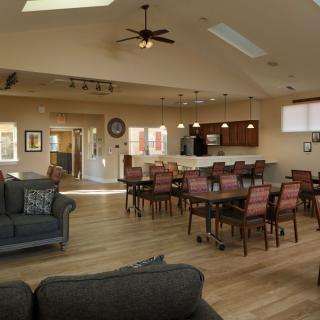
Oak Leaf Manor South
$4,900 to $7,500 / month
23.6 miles away
-
from -$200 / mo
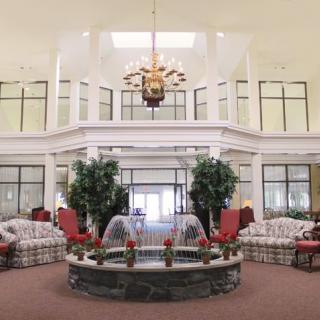
Oak Leaf Manor North
$4,900 to $5,600 / month
24.0 miles away
-
from -$300 / mo
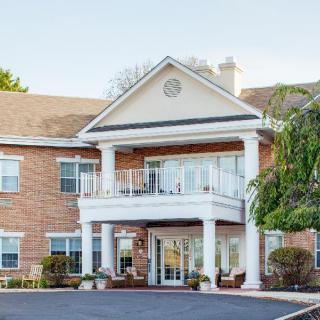
Berkshire Commons
$4,800 to $5,790 / month
10.5 miles away
-
from -$806 / mo
Chestnut Knoll
$4,294 to $7,398 / month
19.9 miles away
-
from -$185 / mo
The Landing of Collegeville
$4,915 to $6,415 / month
24.9 miles away
Overall Review of Harvest View
common
23 reviews mention this
Staff is consistently caring
Many families describe the staff as patient, kind, and attentive to loved ones.
A large share of reviews highlight staff members who show patience and take time to get to know residents and visiting families. Several people also mention nurses treating both residents and the family with care during difficult times. Others describe feeling confident that loved ones are getting the day-to-day attention they need.
common
14 reviews mention this
Facility cleanliness stands out
Residents and visitors frequently mention that the community is clean and well kept.
Multiple reviews directly call out cleanliness and a neat, comfortable environment. A few people also say the facility feels quiet and cared for, and that staff help keep things in order. At the same time, at least a couple of reviews criticize cleanliness in specific areas, including rooms.
common
16 reviews mention this
Care during changing needs
Families describe supportive care as health needs change over time.
Several reviews describe loved ones receiving care through periods when they were more mobile and alert, and then later when they needed more support. A number of families also mention transitions within care settings, including when a resident moved from one level of support to another. Reviews also include accounts of care during hospice and end-of-life periods, with staff treated as patient and attentive.
common
11 reviews mention this
Restaurant-style dining is mixed
Dining includes restaurant-style meals, and reviews are a mix of praise and complaints.
Some residents and families say the food looks good and that meals compare favorably to restaurants they’ve known. Others describe concerns such as food quality and portions, including examples of overcooking or missing preferences. Overall, residents mention dining directly enough that it’s a frequent point in either positive or negative experiences.
common
9 reviews mention this
Activities help residents stay engaged
Residents and families mention regular activities that support daily engagement.
Several reviews say residents enjoy activities and that there are opportunities to stay involved. People also mention outings and on-site events, including references to trips before pandemic restrictions changed routines. Even in reviews focused on care, activities come up as part of what helps residents feel connected.
caveat
4 reviews mention this
Some families report communication issues
A smaller group of reviews expresses frustration with administration and bedside communication.
While many reviews focus on kind, responsive staff, a few negative reviews criticize administrative leadership and report feeling that concerns weren’t handled well. Some families describe disputes about accommodation of medical needs or difficulty working through questions. These comments stand out because they contrast with the broader tone of caring, patient service described elsewhere.
How we summarize
Counts show how many written reviews mention each theme; a review can touch several themes, and only frequently mentioned themes are displayed.

 Assisted Living
 Activities off-site
 Air-conditioning
 Beautician on-site
 Devotional services on-site
 Ground floor units
 Indoor common areas
 Kitchenette
 Outdoor common areas
 Wi-Fi/high-speed internet available
 Ambulatory care
 Diabetic care
 Incontinence care
 Medication management
 Guest meals
 Art classes
 Book club
 Cooking classes
 Day trips and outings
 Gardening club
 Live dance or theater performances
 Live musical performances
 Stretching classes
 Trivia games
 Visiting chaplain or priest
 Wii bowling
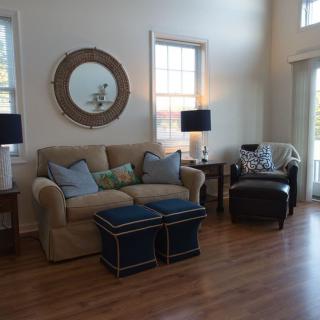
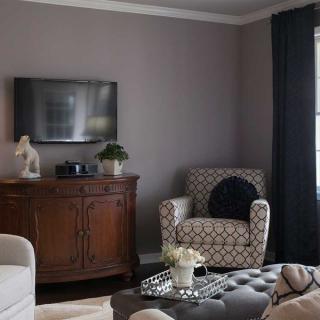
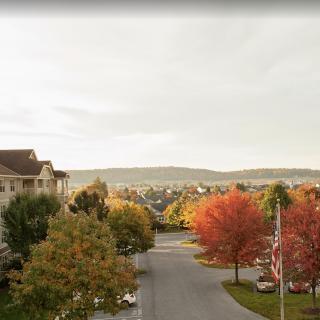
 Caring, attentive staff in a clean, well-maintained facility.
 Assisted Living Support for Veterans: A Complete and Detailed Overview
 Exploring the Contrasts Between Assisted Living and Skilled Nursing
 8 Key Indicators That Suggest It May Be Time to Transition from Assisted Living to Skilled Nursing Care