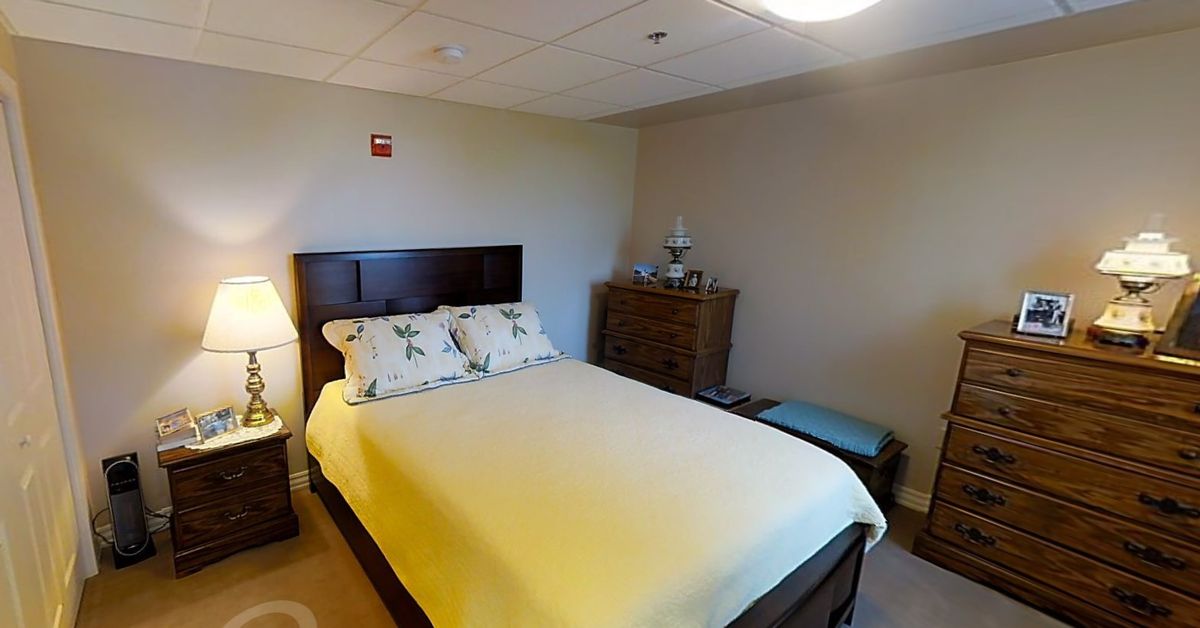
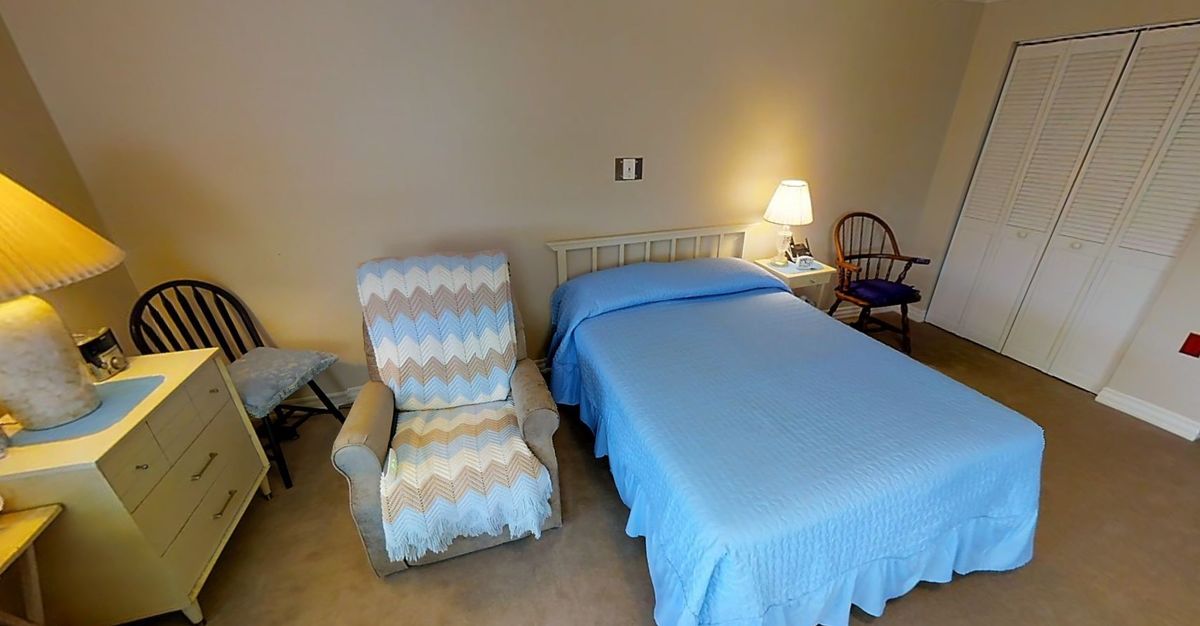
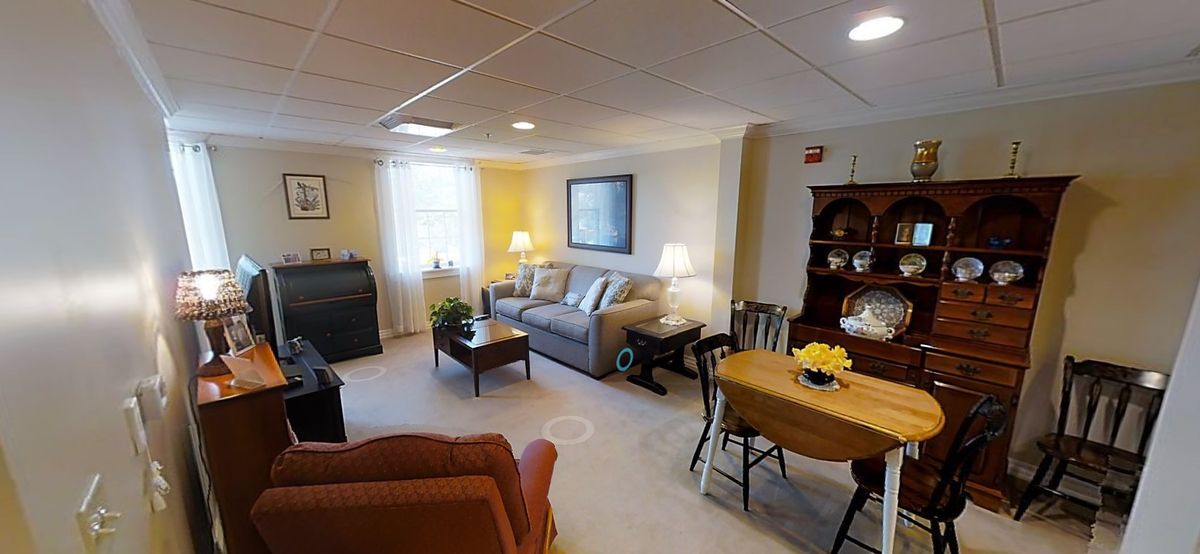


999 West Harrisburg Pike, Middletown, PA 17057
For more information about senior living options: (866) 208-4318
Overall Review of The Middletown Home
Pros
 The residence is lovely, the people are wonderful, and the rehab gym is amazing.
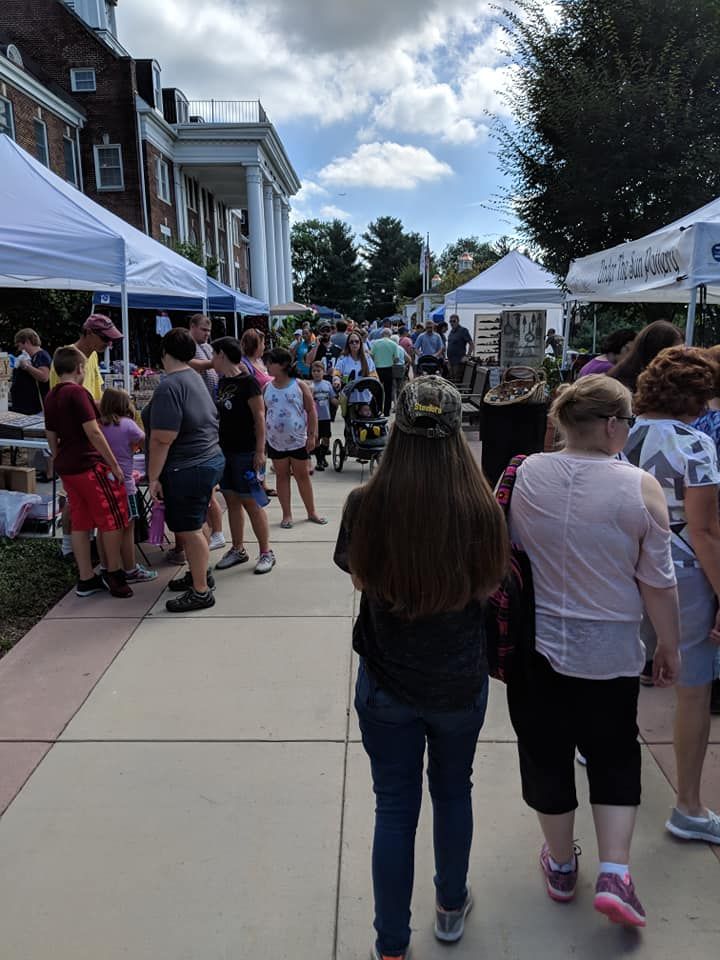
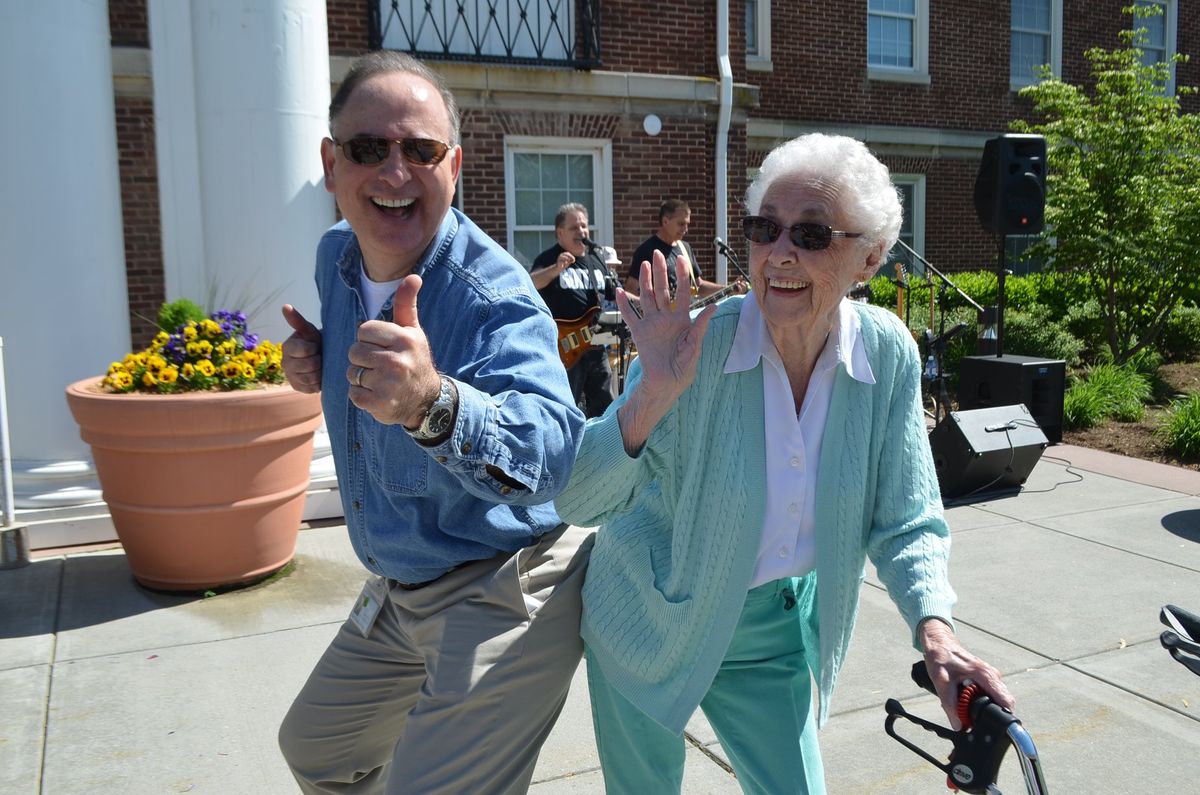
- There are many wonderful events, including concerts, Mother's Day Brunch, and Pumpkin Fest.
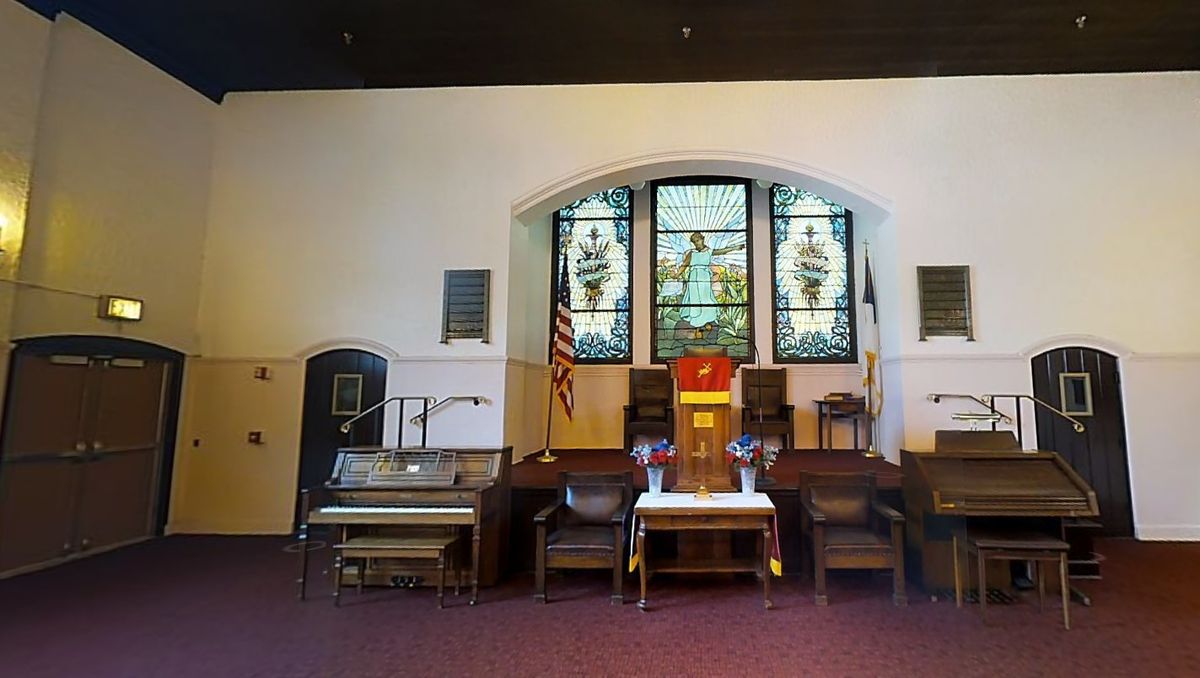
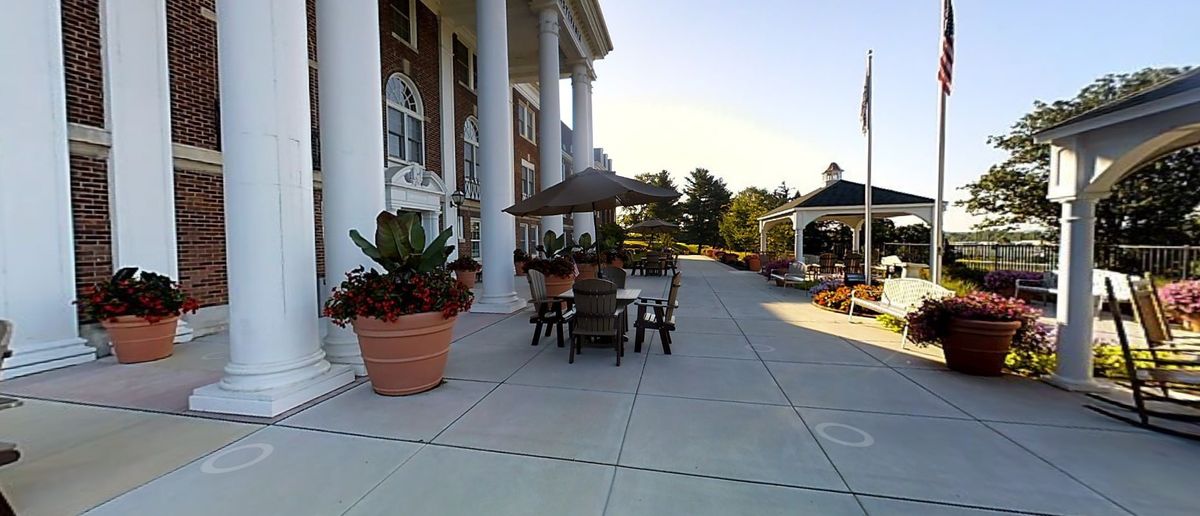
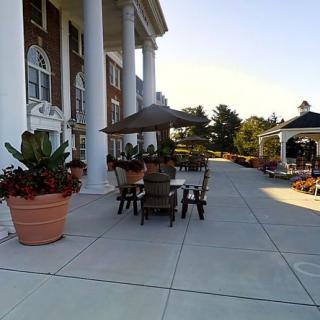
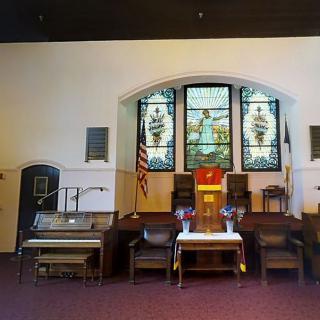
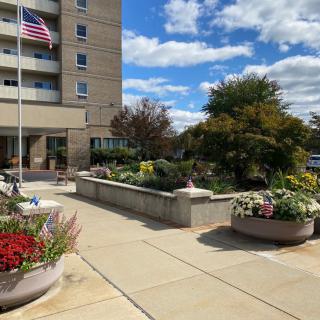
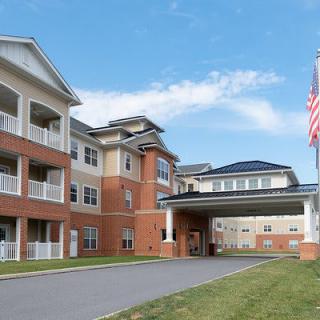
- The Middletown Home has a beautiful outdoor courtyard, a chapel, and a dining room.
- It is a great place with a skilled nursing staff.
- The facility offers abundant activities and amenities, including a salon and a gym.
- The administrator and staff go above and beyond to help residents.
- The facility is warm and welcoming, clean, and equipped with state-of-the-art rehabilitation equipment.
- The staff truly care about the residents and continually seek to improve care.
Cons
 The Middletown Home lacked a locked-down facility, allowing a resident to escape.
- The staff were somewhat shorthanded.
- The rehab was not good, leaving the patient very weak.
- There was poor communication, and one staff member was not helpful.
- The food was served cold and could not be heated, especially during COVID cases.
- They wouldn’t provide water with a straw.
Review
The Middletown Home is best suited for families seeking a large continuum-care campus that combines robust rehabilitation services with a lively social calendar and a welcoming, park-like setting. The rehab program stands at the core: a well-equipped gym staffed by skilled therapists capable of supporting post‑acute recovery, orthopedic and stroke rehab, and ongoing conditioning. The campus isn’t just clinical care; it offers a sense of community through concerts, brunches, seasonal festivals, and frequent social opportunities that keep residents engaged. Add in an attractive exterior, terraced grounds, a chapel, and well-appointed dining rooms, and it becomes a practical home for active seniors who value both therapy access and meaningful activities as part of daily life.
Those who should consider alternatives are families prioritizing a tightly controlled safety environment or unwavering administrative predictability. Several reviews note the absence of a locked-down unit, which can be a critical consideration for residents with memory-care needs or those susceptible to wandering. In addition, concerns about management and communication, including leadership turnover and inconsistent responsiveness, can complicate care coordination and follow-through. For families requiring a consistently stable governance framework, or a facility with explicit security measures and a track record of uniformly reliable administration, exploring other options may be the prudent move.
The strongest positives offset the leadership and security caveats when rehabilitation outcomes and personal attention are top priorities. The rehab program earns high marks for equipment, therapy intensity, and the dedication of nursing staff who consistently prioritize resident welfare. Even in places where staffing pressures arise, the breadth of caregivers and long-tenured teams tends to foster continuity of care and a sense of reliability. The social calendar, the on-campus amenities, and the warmth of the nursing staff create a supportive atmosphere that makes recovery feel achievable and daily life feel engaging. When administration aligns with these strengths, the overall experience becomes decidedly favorable.
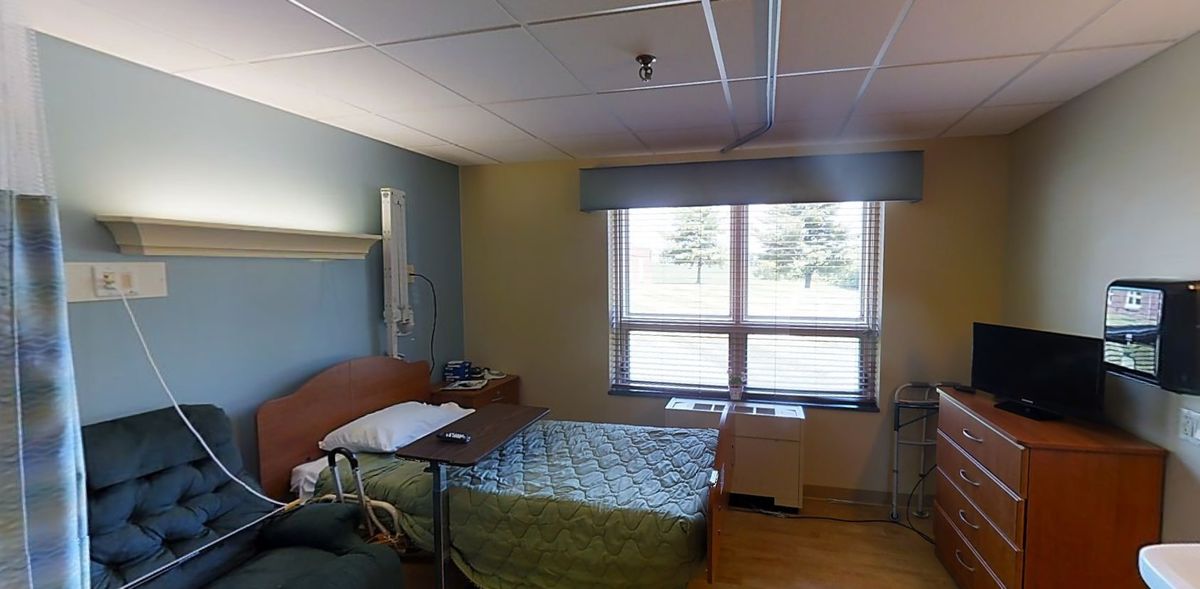
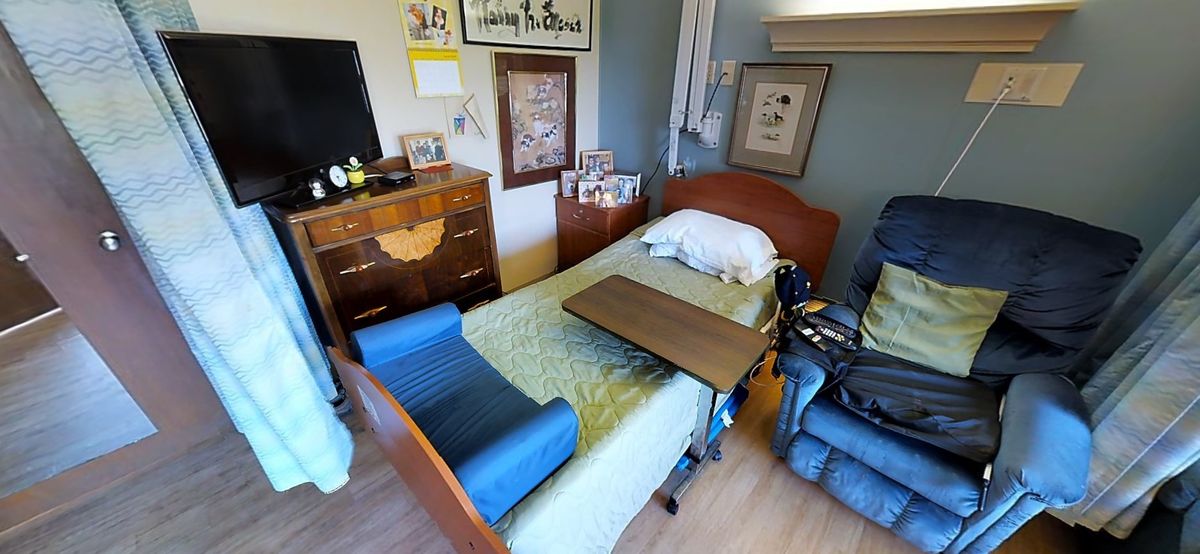
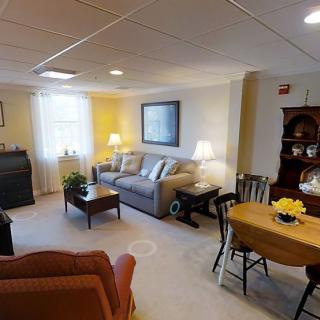
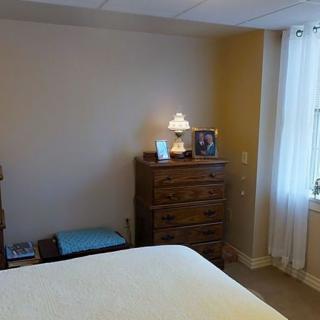
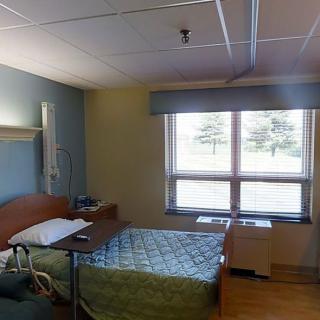
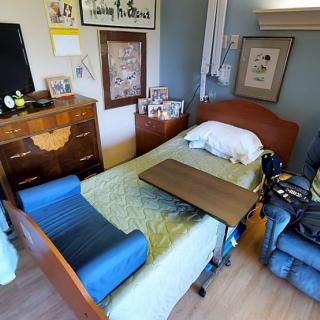
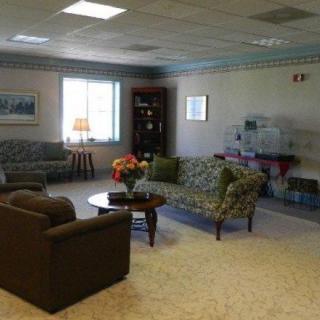
Environment and amenities reinforce the practical appeal. The facility sits on a sizable campus with room to maneuver, providing generous private spaces and therapy areas without feeling overcrowded. Interior design and cleanliness feel contemporary rather than institutional, helping residents feel at ease. Two cafeterias widen dining options, while a formal dining room and a chapel contribute to a sense of normalcy and community. The campus architecture and landscaping support a self-contained living experience, continuing care is accessible, and services appear to be organized so residents can stay close to the people and routines they know. Yet the sheer size can demand more proactive communication from staff to keep families informed about schedules, progress, and transitions.
For families evaluating Middletown, a practical decision framework is essential. During visits, assess how the administration and frontline managers interact on the floor, and ask for transparent details on nurse staffing levels and how therapy goals are tracked and communicated to families. Observe rehab sessions and meal service to gauge pacing, quality, and responsiveness. Inquire about what a typical day looks like across rehab and long-term stays, and seek candid feedback from current residents or families about consistency and communication. If these checks confirm dependable governance alongside strong rehab and social programming, Middletown Home becomes a compelling, low-friction option within the continuum-care landscape.
Bottom line: The Middletown Home delivers a robust rehab-forward experience on a sizable, appealing campus, paired with active programming and a resident-centered nursing presence. It is an especially strong fit for families who want comprehensive therapy, accessible social life, and a home-like atmosphere, with the expectation that management and safety procedures will be solid but not perfect. For those needing a rigorously secured environment, or a facility with highly uniform administrative responsiveness, alternatives may offer clearer guarantees. When governance is steady and communication is reliable, the upsides, exceptional rehabilitation services, caring staff, and a vibrant community, make this community a practical, well-rounded choice.
 64 resident community capacity
 1-bedroom apartments
 Assisted Living
 Continuing Care Retirement Community (CCRC)
 Independent Living
 Skilled Nursing Facility
 Air-conditioning
 Beauty salon
 Cable or satellite TV
 Cafe
Cafe Computer center
 Dining room
 Financial aid
 Fitness room
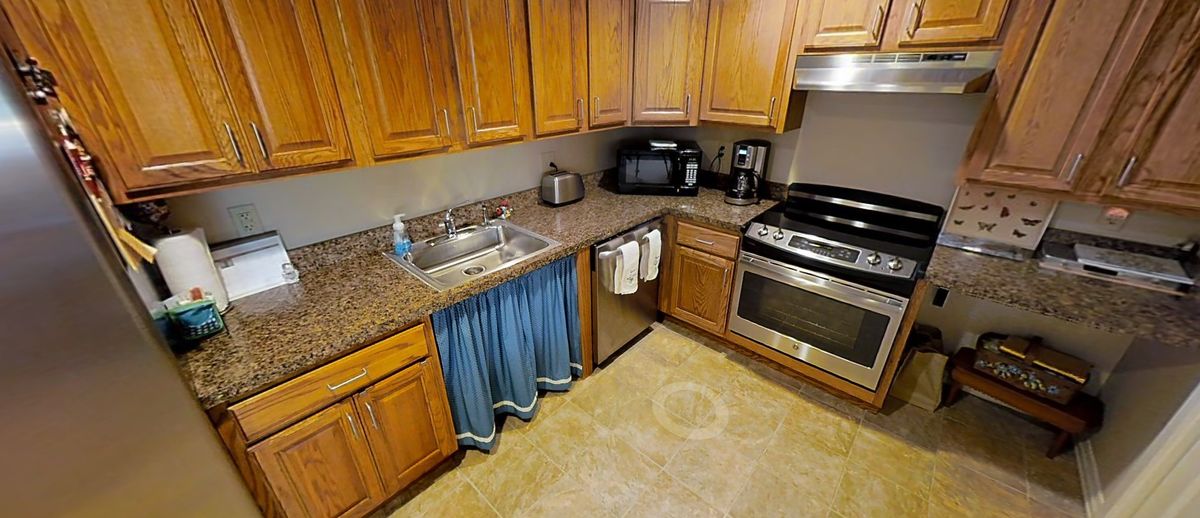
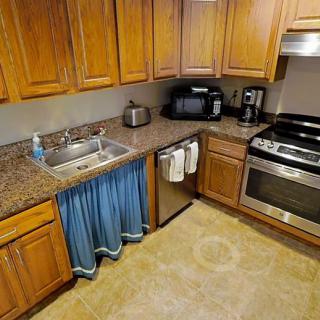
 Full kitchen
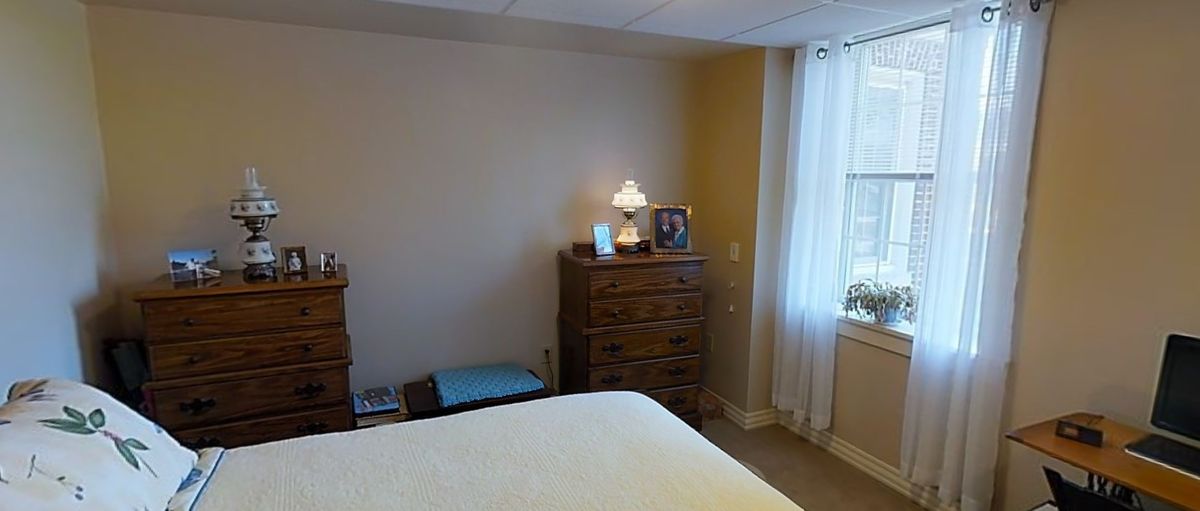
 Fully furnished
 Gaming room
 Garden
 Hiking trails
 Housekeeping services
 Move-in coordination
 Outdoor space
 Private bathrooms
 Respite or short term stays offered
 Restaurant-style dining
 Small library
 Telephone
 Wellness center
 Wi-Fi/high-speed internet available
 Harrisburg International (1 miles away)
 Community operated transportation
 12-16 hour nursing
 24-hour call system
 Activities of daily living assistance
 Assistance with bathing
 Assistance with dressing
 Assistance with transfers
 Diabetes diet
 Medication management
 Mental wellness program
 Physical therapy
 Special dietary restrictions
 Arts and crafts
 Concierge services
 Educational speakers / life long learning
 Games
Games Live musical performances
 Planned day trips
 Religious services
 English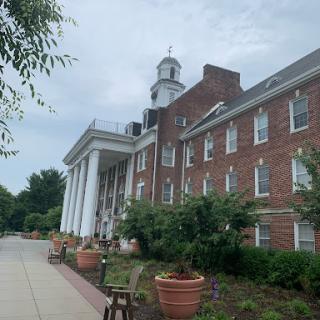

 Understanding the Distinctions: Assisted Living and Memory Care Explained
 Guiding Elderly Parents Who Refuse Assisted Living: 6 Practical Steps
 Your Comprehensive Guide to Luxury Assisted Living: Elevated Facilities, Amenities, and Costs