
Fulling Mill Road and Nissley Drive, Middletown, PA 17057
For more information about senior living options: (866) 208-4318
Overall Review of The Pond at Fulling Mill
Pros
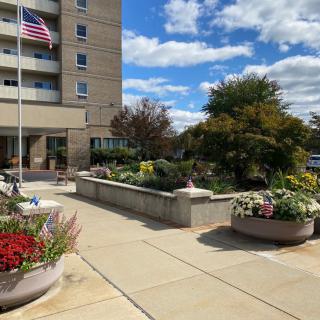
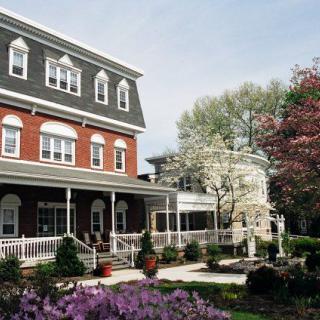
 The community is lovely.
Review
Best suited for seniors who prize a warm, intimate setting and personal attention over the spectacle of a large campus, The Pond at Fulling Mill presents itself as a small-scale option in Middletown. The atmosphere implied by a five-star first impression tends to appeal to residents who value neighborly familiarity, predictable routines, and straightforward access to staff. For families seeking ease of transition, low-stimulus surroundings, and a community where residents feel known by name, this option appears poised to deliver. The real-world test, of course, lies in daily care quality and responsiveness, which require more than a single positive note to confirm. Still, the setting matters, and the initial vibe should count for something in early decision-making.
Who should explore alternatives? Those who require documented, objective care metrics and a broader evidentiary footprint. This single public review cannot establish the full picture of staffing levels, care planning, or outcomes across activities, meals, and safety. Families with residents needing memory care, complex medical management, hospice, or robust rehabilitation services will want options with verifiable data about nurse-to-resident ratios, on-site medical oversight, and access to a full continuum of care. Also, when budget transparency is crucial, or when residents expect a wide array of amenities and programming beyond a cozy common area, other communities may present clearer contracts, clearer pricing, and a more defined move-in process. In short, alternatives should be on the table while this community is being evaluated.
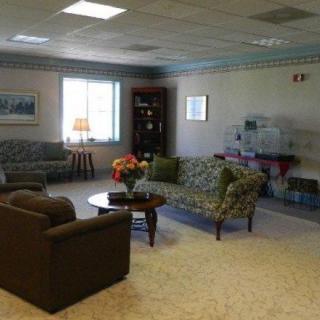
Pros that matter most in early-stage evaluation are the intangibles: atmosphere, staff approachability, and the sense that residents are treated with respect. The Pond at Fulling Mill is described as a lovely community, an attribute that can ease the stress of relocation, support social integration, and encourage daily participation. Those benefits can meaningfully offset, at least in the short term, the absence of a robust public feedback stream. The main caveat is the lack of detailed, multidimensional feedback. Without a fuller array of resident experiences, dining consistency, activity variety, safety protocols, and care outcomes, the favorable impression remains hopeful rather than confirmatory. Management would do well to translate that initial goodwill into tangible disclosures, updated photos, sample care plans, and a transparent outline of services, to help families judge fit more confidently.
From an advisory standpoint, the best use of time during a visit is to simulate a typical day: morning routines, meals, medication management, and social activities. The absence of published metrics makes a guided tour essential. Prospective residents should press for a walk-through of the living spaces, a review of the floor plans, and a thorough explanation of what is included in monthly fees versus add-ons. If any memory support or rehabilitation services exist, demand clarity on staffing patterns, certifications, and how often care plans are updated. The familial benefit of a calm, well-maintained environment is real, and it often translates into less relocation stress and greater continuity of care. Yet calm surroundings cannot replace evidence of consistent quality, so diligence remains non-negotiable.
Practical steps for decision-makers are straightforward. Schedule a first-hand tour during peak activity times to observe staff engagement and resident interaction. Request copies of latest licensing inspections and any incident reports, as well as the current menu cycle and activity roster. Seek a transparent price sheet with all inclusions and possible withdrawal penalties. Ask how the community handles transitions to higher levels of care, what the memory-care options look like, and how often care plans are reviewed with families. If possible, talk to residents and their families about response times for help, meal satisfaction, and social opportunities. The more information gathered, the easier it is to compare this setting against alternatives that may provide a fuller continuum of services and documented outcomes.
Bottom line: The Pond at Fulling Mill offers a promising, dignified living environment for seniors who value a friendly, homey vibe and are comfortable interpreting the limited public feedback through a trusted tour. It is a viable choice for families prioritizing atmosphere, simplicity, and straightforward access to care without the complexity of a larger campus. However, the candidate should not overlook the lack of detailed, independent performance data. If specialized needs exist or a high degree of transparency about pricing and care outcomes is non-negotiable, alternatives should be actively compared. The prudent path is to treat this community as a strong option to investigate thoroughly, pairing a visit with a structured Q&A and a careful review of contractual terms. When the fit checks all the practical boxes and the numbers align, a move could be appropriate; if not, brighter options await.
 6 resident community capacity
 Active Adult Communities (55+)
 Housekeeping services
 Telephone
 Wi-Fi/high-speed internet available
 Harrisburg International (2 miles away)
 Assistance with dressing
 Meal preparation and service
 Medication management
 Diabetes diet
 Special dietary restrictions


 Financing Long-Term Nursing Home Care Through Social Security: A Thorough Exploration
 Essential Knowledge on Pneumonia in Older Adults
 Exploring Palliative Care in the Home: A Comprehensive Overview