
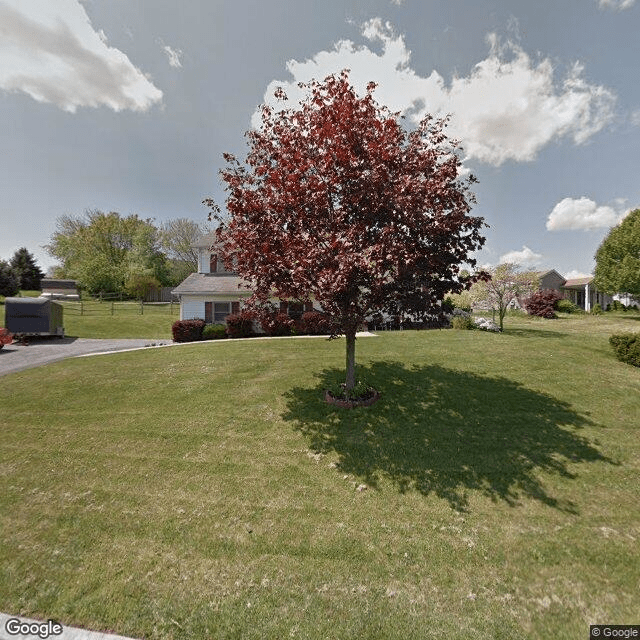
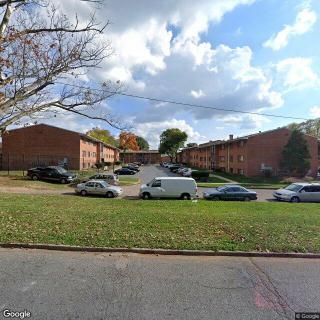
505 Big Sky Dr, Etters, PA 17319
To contact a resident: (717) 938-9331
For more information about senior living options: (866) 208-4318
Home-Aide Inc Costs & Pricing
Home-Aide Inc offers competitive pricing for its services compared to the broader market in York County and across Pennsylvania. For those seeking semi-private accommodations, Home-Aide Inc's monthly rate of $3,795 slightly exceeds the county average of $3,483 and the state's average of $3,542, reflecting a commitment to quality care. In private room options, Home-Aide Inc's cost of $5,095 is marginally higher than both the county and state averages at $4,937 and $4,890 respectively. However, when it comes to studio apartments, Home-Aide Inc stands out with a rate of $5,795, which is substantially above the county's average of $4,267 and the state average of $3,737. This pricing structure suggests that Home-Aide Inc may be offering enhanced services or amenities that justify these higher costs for prospective residents looking for superior living conditions.
| Floor plans | Home-Aide Inc | York County | Pennsylvania |
|---|---|---|---|
| Semi-Private | $3,795 | $3,483 | $3,542 |
| Private | $5,095 | $4,937 | $4,890 |
| Studio | $5,795 | $4,267 | $3,737 |
Senior living communities with a similar price nearby
-
from -$195 / mo
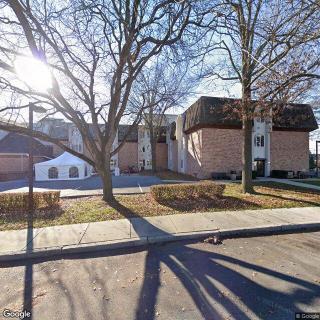
Spang Crest Manor
$3,600 to $8,580 / month20.7 miles away -
from -$695 / mo
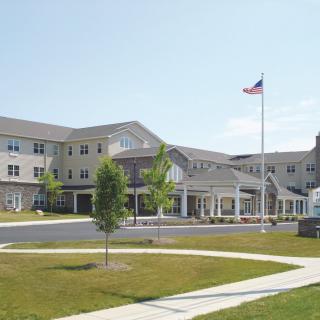
Traditions of Hershey
$3,100 to $4,600 / month11.5 miles away -
from +$121 / mo
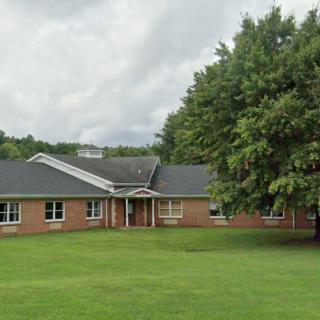
Fairview Retirement Community
$3,916 to $5,090 / month4.6 miles away -
from -$600 / mo
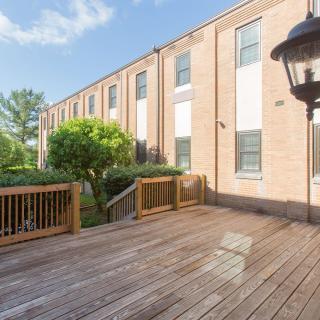
Butler Street Senior Living
$3,195 to $5,200 / month9.2 miles away -
from -$295 / mo
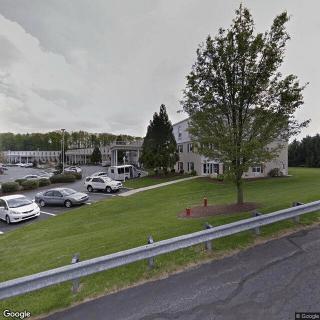
Country Meadows of York - South
$3,500 to $4,000 / month17.6 miles away
Overall Review of Home-Aide Inc
Pros
 Comfort Keepers has been a God-sent for their family.
- They personally care so much for their mother.
- The staff are very friendly and sweet.
Cons
 They would give 0 stars if possible, as they struggle to obtain information about enrolling their elderly father in assistance, and the company only asks for a name and number and then never calls back.
- They report that the company cannot connect them to a supervisor and that promised callbacks never occur.
- They question why anyone would entrust their father to the company given the lack of basic information.
- They state that customer service is lacking.
Review
This community is best suited for families that can tolerate a notably slow onboarding process and are prepared to push for basic information. The reviews point to a pattern of unreturned calls and vague commitments, which makes this option risky for anyone needing timely clarity about services, pricing, or move-in steps. It may suit a caregiver who has the time to chase down details, compare multiple providers, and accept intermittent communication as part of the process. For urgent situations or those prioritizing a straightforward, responsive intake, this option is not the default choice.
Those who should seriously consider alternatives are families requiring reliable admissions support, clear timelines, and direct access to someone who can answer questions without delay. When information is hard to obtain or promises to call back evaporate into silence, care planning becomes uncertain and moves from planning to improvisation. In a market where several providers demonstrate proactive outreach, this level of accessibility becomes a decisive differentiator. A contrasting example from the broader landscape shows what engaged, responsive service looks like, underscoring why alternative options deserve priority in a time-sensitive search.
In terms of strengths, there is little documented in these notes that can offset the clear communication gaps. The strongest impression is a lack of dependable customer service rather than any concrete care advantages. Without timely information, potential residents and their families cannot assess staffing levels, levels of care offered, or how the facility would tailor a plan to an specific health condition. The absence of a robust intake process effectively lowers trust, and that weighs heavily against any theoretical upside of choosing this provider.
The practical impact of these communication gaps is substantial. Care planning hinges on early clarity about what services are available, what they cost, and how quickly a move can be arranged. Delays in returning calls or connecting to a supervisor create real-world friction: families waste days or weeks, valuable time that could be spent arranging in-home care or a safer transition into a living environment. For seniors whose needs are increasing, the risk is that a poor information flow translates into missed opportunities for timely care, or a move that doesn’t align with medical or personal priorities.
To evaluate with confidence, prospective families should demand concrete answers up front. Ask for average response times to inquiries, the specific person responsible for admissions, and a guaranteed callback window. Request a clear, written overview of services, care levels, and pricing, plus a sample care plan and references from current residents or families. Insist on meeting with a supervisor or administrator and scheduling a tour with a decision-maker present. These steps test whether the operation has improved the intake process since the reviews were filed and whether the response rate matches the need for reliable, ongoing support.
Bottom line: based on the reported experiences, Home-Aide Inc in Etters is unlikely to satisfy families who cannot tolerate uncertain intake or delayed information. The decisive factors here are responsiveness and clarity, and those elements appear deficient. For families with time to spare and a willingness to persist, this option could still be explored, but it should be weighed against stronger-performing alternatives that demonstrate prompt communication, transparent expectations, and a clear path to care. If pursuing this route, couple diligence with a structured, side-by-side comparison against providers known for proactive outreach, such as peers in the local market, to avoid misaligned expectations and delayed decisions.
 Harrisburg International (2 miles away)


 Comprehensive Look at Senior Blood Pressure Charts: Normal and Elevated Levels by Age
 Top Canine Companions for Older Adults
 Comprehensive Guide to Blood Pressure Charts for Older Adults: Understanding Normal and High Readings by Age