

5 South 2nd Street, Masontown, PA 15461
To contact a resident: (724) 952-1301
For more information about senior living options: (866) 208-4318
Divine Healing Costs & Pricing
At Divine Healing, the monthly costs for accommodation are highly competitive when compared to both Greene County and the broader state of Pennsylvania. For a semi-private room, residents can expect to pay $2,000, which aligns with the local county rates but stands in stark contrast to the higher average of $3,542 across Pennsylvania. Similarly, a studio room at Divine Healing is priced at $3,000 - again matching Greene County's rate but remaining below the state average of $3,737. This pricing structure not only reflects a commitment to affordability but also emphasizes Divine Healing's dedication to providing quality care without compromising on comfort or services.
| Floor plans | Divine Healing | Greene County | Pennsylvania |
|---|---|---|---|
| Semi-Private | $2,000 | $2,000 | $3,542 |
| Studio | $3,000 | $3,000 | $3,737 |
Assisted Living communities with a similar price nearby
-
About the same
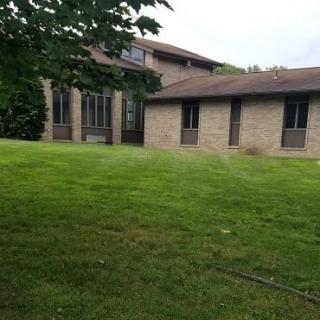
The Faidley House
$2,000 to $3,500 / month24.2 miles away -
from +$100 / mo
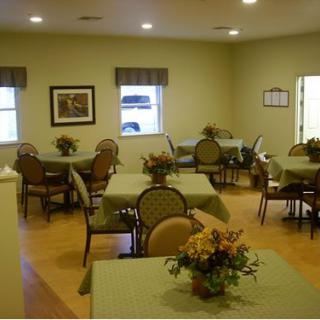
Hallsworth House
$2,100 to $2,500 / month20.6 miles away -
About the same

Divine Healing Personal Care Home
$2,000 to $3,000 / month6.5 miles away -
from -$200 / mo

Annalisa SA Touch Of Home
$1,800 to $2,300 / month14.9 miles away -
About the same
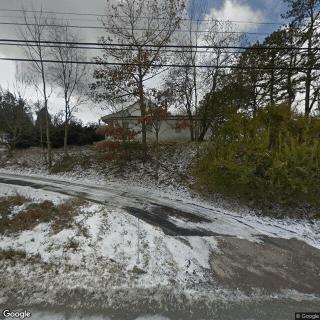
Lytle's Personal Care Home LLC
$2,000 to $2,200 / month24.3 miles away
Overall Review of Divine Healing
Pros
 A good place to house a loved one.
- Respectful staff.
- Fair pricing.
Cons
 It would be a great place to put someone you don't like.
- It is fitting for a dog, according to the reviewer.
Review
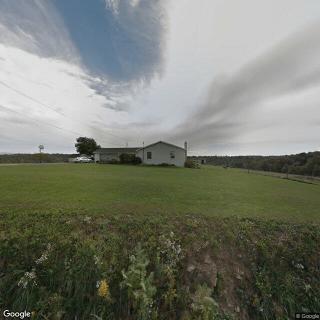
Divine Healing in Masontown, Pennsylvania is best suited for families seeking a compact, budget-conscious option where quiet, low-stimulation surroundings support routine and predictable care. The community reads as a small, out-of-the-way residence rather than a sprawling campus, which translates into a straightforward, less intimidating environment for an elderly loved one who does not require extensive clinical programming or constant activity scheduling. The strongest positive signals from residents and family members center on basic decency: staff that treats residents with respect, and pricing that remains fair without surprising add-ons. It’s not a resort-style setting, but for households prioritizing simplicity, safety, and a modest footprint, Divine Healing presents a practical fit.
Who may want to consider alternatives? Families seeking robust medical oversight, a wide range of specialized therapies, or a thriving social calendar will likely be disappointed. The stark one-star candor about care quality suggests that warmth and attentiveness may be inconsistent, a reality that can feel unacceptable for loved ones requiring steady reassurance and proactive monitoring. The blunt note about the facility being a “little place tucked out of the way” translates into tangible concerns about limited on-site resources and fewer programming opportunities. In short, Divine Healing is not a destination for those chasing vibrant culture, intensive clinical services, or extensive resident life programming.
On the upside, the favorable reviews converge on two durable positives: respectful staff and fair pricing. When caregivers interact with residents in a courteous, dignified manner, families gain confidence that daily routines will unfold with predictability and kindness. Fair pricing matters just as much in senior living, because predictable bills reduce anxiety and help families plan long-term care without unpleasant financial surprises. The small, secluded setting also adds a degree of privacy and tranquility, which can enhance rest and reduce overstimulation for residents who thrive in quiet environments. For households prioritizing budget discipline and a calm home-like atmosphere, these factors carry meaningful weight and can offset some of the facility’s constraints.
Yet the downsides cannot be ignored. The negative voice is sharp, signaling a misalignment between expectations of humane care and what was experienced. This kind of feedback raises questions about whether every resident would receive the same level of attention and compassion, and it foreshadows potential gaps in warmth or proactive problem-solving. Coupled with the small size, there is a real risk of limited staff hours, fewer activity options, and restrictions on access to more advanced medical or therapeutic services. For residents who need active programming, frequent social engagement, or clear, visible accountability for care quality, these gaps tend to widen over time in a smaller operation. The danger is less about cost and more about whether the daily lived experience aligns with family expectations for attentive, person-centered care.
Decision-making should hinge on clearly defined needs and realistic expectations. If cost control, a quiet environment, and respectful interactions are paramount, Divine Healing can be a sound choice. Prospective families should actively verify care routines: how staff plan and monitor daily activities, the frequency of resident checks, meal options, and how concerns are escalated. Tour the facility, observe interactions between staff and residents, and probe whether the space allows for meaningful privacy while still enabling necessary supervision. Ask for a transparent breakdown of all charges and any potential add-ons. While the reviews lean positive on certain aspects, in-depth due diligence remains essential to avoid surprises and ensure alignment with the resident’s care priorities.
Bottom line: Divine Healing serves as a practical, no-frills home base for families who value dignity, predictable costs, and a calm setting more than an upscale, activity-rich campus. For those who require robust clinical oversight, a broad array of social programming, or consistently warm, attentive care, alternatives, ideally larger facilities with stronger reputations, should be explored. The community can work well for the right resident: someone who thrives on routine, appreciates respectful staff, and does not need a wide range of on-site amenities. For other families, the decision should lean toward options with more extensive care resources and a more dynamic resident life to safeguard long-term satisfaction and peace of mind.
 Assisted Living
 Activities on-site
 Devotional services off-site
 Indoor common areas
 Ambulatory care
 Diabetic care
 Meals provided

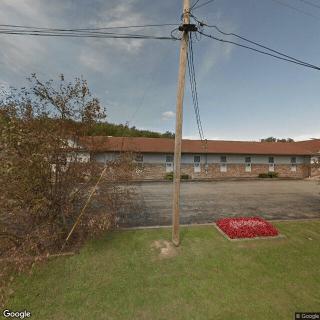
 Beyond the Bingo Hall: 50+ Enriching Activities for Seniors in Assisted Living
 Understanding the Distinctions: Assisted Living and Memory Care Explained
 Guiding Elderly Parents Who Refuse Assisted Living: 6 Practical Steps