Arden Courts of Susquehanna presents a uniquely specialized care environment, with monthly costs for a studio room set at $7,050. This figure significantly exceeds both the average monthly cost in Dauphin County, which stands at $3,448, and the broader state average of $3,737 in Pennsylvania. The premium price reflects Arden Courts' dedicated focus on providing tailored support for individuals with memory-related conditions, emphasizing the quality of care and specialized services offered to residents. While the costs may be higher than those typically found in the surrounding area, they underscore a commitment to fostering a safe and engaging atmosphere that prioritizes resident well-being and personalized attention.
Floor plans
Arden Courts Of Susquehanna
Dauphin County
Pennsylvania
Studio
$7,050
$3,448
$3,737
Memory care communities with a similar price nearby
Residents and families describe staff as caring, respectful, and responsive.
A recurring theme is how supported residents and families feel day to day, with many reviewers mentioning staff who greet them by name, treat people gently, and communicate changes or needs. Several comments specifically connect the experience to memory care—how the team understands dementia symptoms and works to soothe, redirect, and maintain comfort. Many reviewers also mention cleanliness alongside the care, reinforcing a consistent impression of a well-run environment.
differentiator26 reviews mention this
Activities keep residents engaged
Residents are consistently described as stimulated through structured activities and outings.
Reviewers frequently point to activities as a major part of quality of life, including art therapy and cognitive games, plus daily programs and social events. Multiple reviews mention residents staying engaged and happy, and some describe specific activity moments—like pet therapy visits, music, and themed events—that helped reduce anxiety and improve participation. The community also appears to support family connection during visits with methods like porch visits and video calls, which reviewers mention as reassuring during difficult periods.
differentiator22 reviews mention this
Memory care is the core focus
The community is dedicated to memory care with a layout families describe as secure.
Many reviewers choose Arden Courts specifically for memory care rather than a general assisted living setup, and they describe the facility as designed around dementia needs. Several comments highlight secure outdoor access, courtyards, and fenced walking paths, along with neighborhood-style layout cues that help residents move safely and feel less anxious. Families also describe reassurance that care stays aligned with their loved one’s progression, including how staff support independence while still providing needed supervision.
common14 reviews mention this
Dining receives frequent praise
Dining is repeatedly described as enjoyable and flexible for preferences.
Food shows up as a frequent positive, with reviewers describing meals as tasty or appetizing and mentioning that residents tend to enjoy what’s served. Some reviews also reference dietary flexibility—like offering alternatives when a resident doesn’t like something—and themed dining experiences through the dining experience itself. Overall, dining is discussed alongside engagement and daily routines rather than as an afterthought.
caveat11 reviews mention this
Pricing is a repeated concern
Pricing comes up often, with multiple reviewers calling it expensive.
Cost is a clear caveat in the reviews, with several people describing the community as pricey or more expensive than alternatives they considered. Some reviewers frame affordability as the reason they hesitate, compare options, or feel they had to find something more budget-friendly. The community does include restaurant-style dining and a memory-care-focused setup, but reviewers still consistently note that it is above what many families can manage.
caveat4 reviews mention this
Some families report staffing strain
A minority of reviews describe staffing shortfalls or communication breakdowns.
While most feedback is positive, a small number of reviewers report concerns about staffing—describing not enough people for the number of residents and, in one case, residents not receiving adequate supervision. There are also mentions of activities being canceled or not feeling structured, along with complaints about meals and transparency. These concerns stand out because they directly contrast with the many reviews that describe strong supervision and engagement.
How we summarize
Counts show how many written reviews mention each theme; a review can touch several themes, and only frequently mentioned themes are displayed.
Features
Housing
64 resident community capacity
Studio apartments
Types of Care
Assisted Living
Memory Care
Respite Care
Amenities
Activities off-site
Activities on-site
Air-conditioning
Bath tubs
Beautician on-site
Beauty salon
Cable or satellite TV
Computer center
Devotional services on-site
Dining room
Fitness room
Fully furnished
Gaming room
Garden
Ground floor units
Guest parking
Housekeeping services
Indoor common areas
Kitchenette
Laundry
Move-in coordination
Outdoor common areas
Outdoor space
Party space
Private bathrooms
Respite or short term stays offered
Restaurant-style dining
Security gate
Small library
TV room
Telephone
Wellness center
Wheelchair accessible showers
Wi-Fi/high-speed internet available
Transportation
Harrisburg International (11 miles away)
Community operated transportation
Transportation arrangement
Transportation arrangement (non-medical)
Transportation to doctors appointments
Care Services
12-16 hour nursing
24-hour call system
24-hour supervision
Activities of daily living assistance
Ambulatory care
Assistance with bathing
Assistance with dressing
Assistance with transfers
Diabetes diet
Diabetic care
Hospice care
Incontinence care
Meal preparation and service
Medication management
Mental wellness program
Personal care assistants
Psychiatric care
Special dietary restrictions
Dining
Diabetes diet
Gluten-free
Guest meals
Kosher
Low / no sodium
Meals provided
No Sugar
Restaurant style dining
Special dietary restrictions
Special dining programs
Vegetarian
Activities
Activities off-site
Activities on-site
Art classes
Arts and crafts
Community-sponsored activities
Concierge services
Cooking club
Day trips and outings
Devotional activities on-site
Fitness programs
Games
Gardening club
Live dance or theater performances
Live musical performances
Planned day trips
Religious services
Reminiscence programs
Resident-run activities
Scheduled daily activities
Sensory-based programs
Stories
Stretching classes
Trivia games
Nearby Places of Interest
This part of Harrisburg, Pennsylvania offers a convenient and well-equipped neighborhood for senior living. With multiple pharmacies, physicians' offices, and hospitals within a short distance, residents have easy access to healthcare services. The area also boasts several parks and cafes for leisurely activities and socializing. Nearby restaurants provide a variety of dining options, and places of worship offer spiritual support for those seeking it. Additionally, a theater is close by for entertainment purposes. Overall, this neighborhood provides a blend of convenience, amenities, and community resources that cater to the needs of seniors looking to settle in a vibrant area with access to essential services.
Pharmacies
Rite Aid (0.1 miles)
CVS Pharmacy (0.7 miles)
CVS Pharmacy (2.3 miles)
CVS Pharmacy (2.8 miles)
Rite Aid (3.1 miles)
Rite Aid (3.1 miles)
CVS Pharmacy (3.6 miles)
Physicians
Pulmonary & Critical Care Medicine Associates (0.3 miles)
Surace Lindsey MD - Jackson Siegelbaum Gastroenterology (0.3 miles)
Mansoor Atizazul Dr Pinnaclehealth Cardiovascular Institute Harrisburg (0.3 miles)
Allergy & Asthma Specialists Of Harrisburg (0.7 miles)
Forti Consevage & He (0.7 miles)
Community Medical Associates (0.9 miles)
Mid Penn Oral Surgeons (0.9 miles)
Parks
Forest Hills Park (1.4 miles)
Fort Hunter Mansion and Park (3 miles)
Riverfront Park Harrisburg (4.6 miles)
City Island (5.5 miles)
Adams-Ricci Park (5.9 miles)
Detwieler Park (6.1 miles)
Cafes
Greystone Public House (1.5 miles)
Starbucks (4.1 miles)
Little Amps Coffee Roasters (4.4 miles)
Tomato Pie Cafe (5.8 miles)
Starbucks (6.1 miles)
Starbucks (6.4 miles)
Restaurants
3 B Ice Cream (1.6 miles)
Peachtree Restaurant & Lounge (3 miles)
Gilligan's Bar & Grill (3 miles)
Wendy's (3.2 miles)
McDonald's (3.4 miles)
McDonald's (4.1 miles)
The Millworks (4.5 miles)
Places of Worship
St Andrews In the Valley Episcopal Church (2 miles)
Colonial Park UCC (2.9 miles)
Community Evangelical Free Church (3.2 miles)
Harrisburg Bic Church (4.9 miles)
Theaters
Regal Harrisburg (2.2 miles)
Hospitals
Harrisburg State Hospital (3.4 miles)
PinnacleHealth Community General Osteopathic Hospital (3.8 miles)
Arden Courts of Susquehanna presents a uniquely specialized care environment, with monthly costs for a studio room set at $7,050. This figure significantly exceeds both the average monthly cost in Dauphin County, which stands at $3,448, and the broader state average of $3,737 in Pennsylvania. The premium price reflects Arden Courts' dedicated focus on providing tailored support for individuals with memory-related conditions, emphasizing the quality of care and specialized services offered to residents. While the costs may be higher than those typically found in the surrounding area, they underscore a commitment to fostering a safe and engaging atmosphere that prioritizes resident well-being and personalized attention.
Arden Courts Of Susquehanna offers a comprehensive suite of features designed to enhance the well-being and quality of life for residents with dementia or Alzheimer's disease. The 24-hour supervision ensures constant support and safety, allowing residents to navigate their environment with confidence. Assistance with activities of daily living, such as bathing, dressing, and transfers, fosters independence while addressing the unique challenges posed by cognitive decline. Incontinence care promotes dignity and comfort, while meal preparation and service are tailored to meet individual dietary needs, encouraging proper nutrition. Medication management is crucial for maintaining health by ensuring timely intake of prescribed treatments. The mental wellness program provides engaging cognitive stimulation that can slow the progression of memory loss, complemented by sensory-based programs that stimulate the senses and reduce anxiety through interactive experiences. Together, these features create a supportive environment that respects each resident's dignity while promoting their overall physical and emotional health.
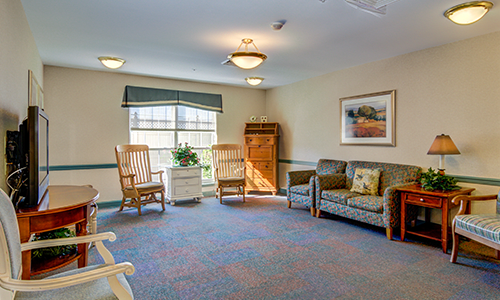
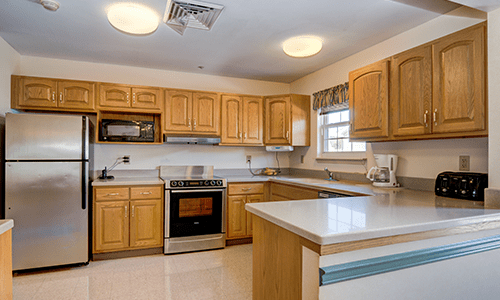
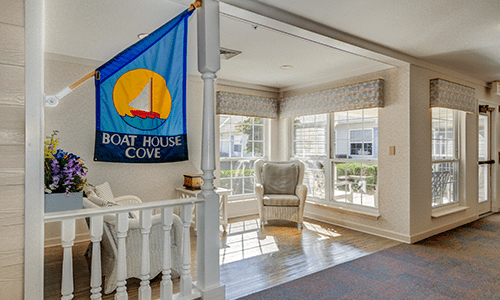
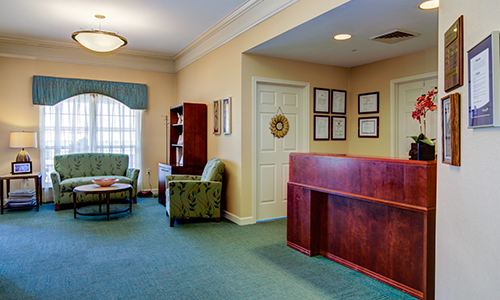
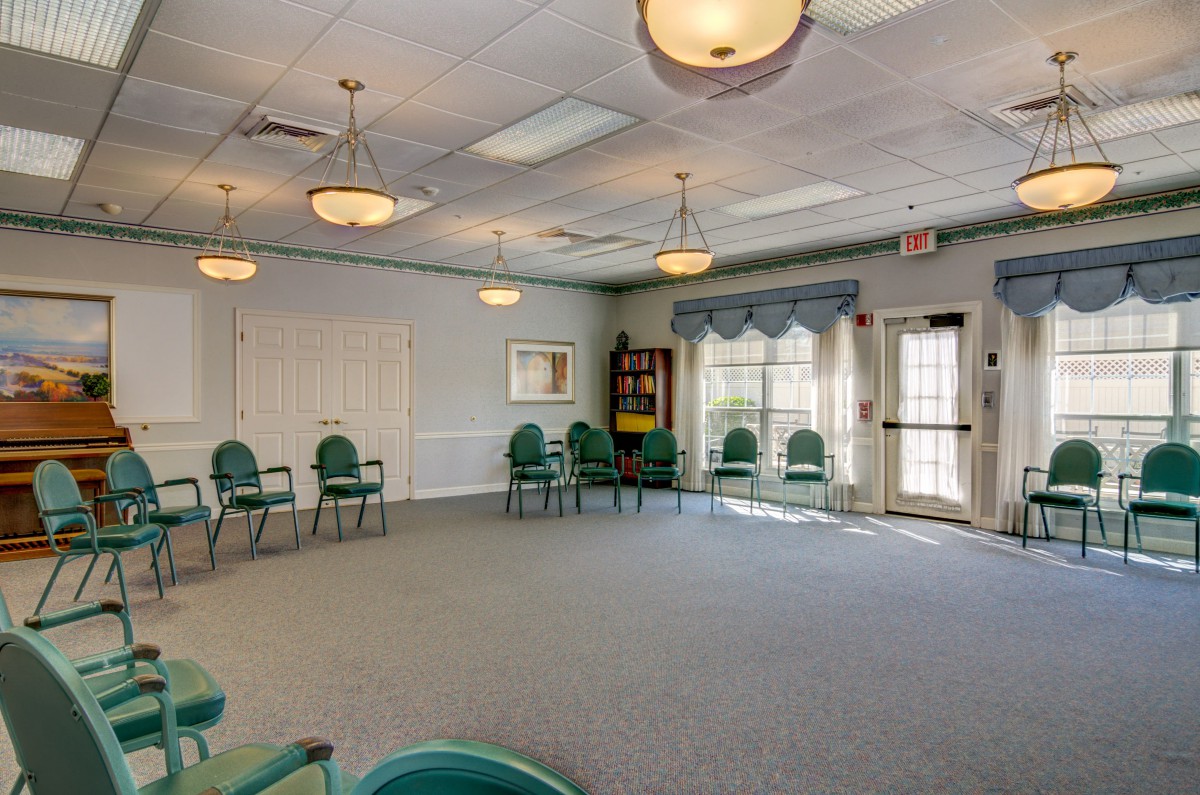
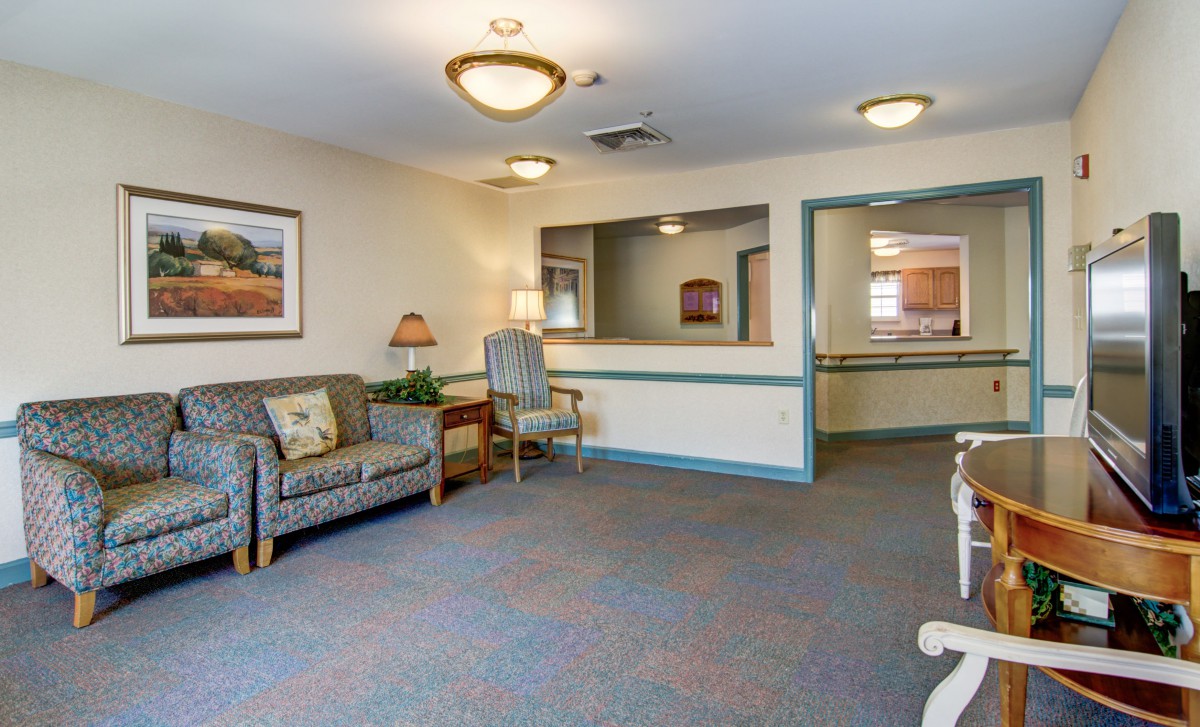
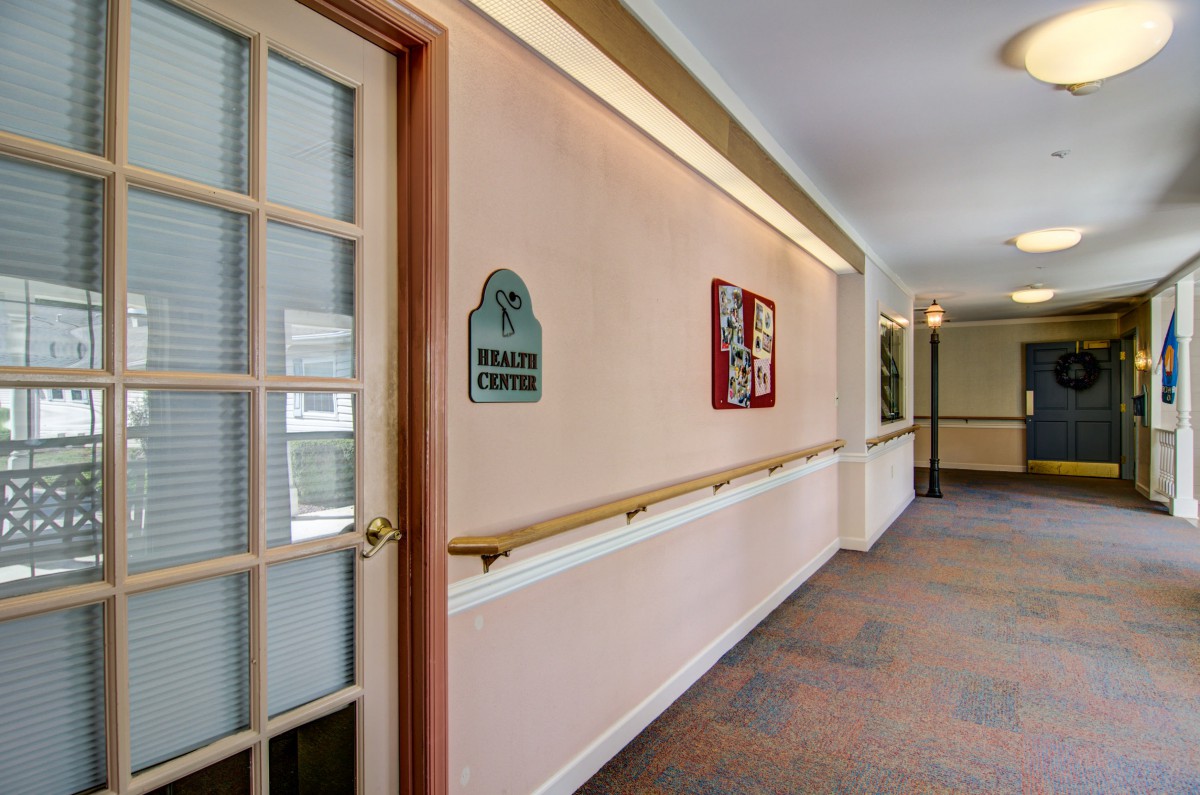
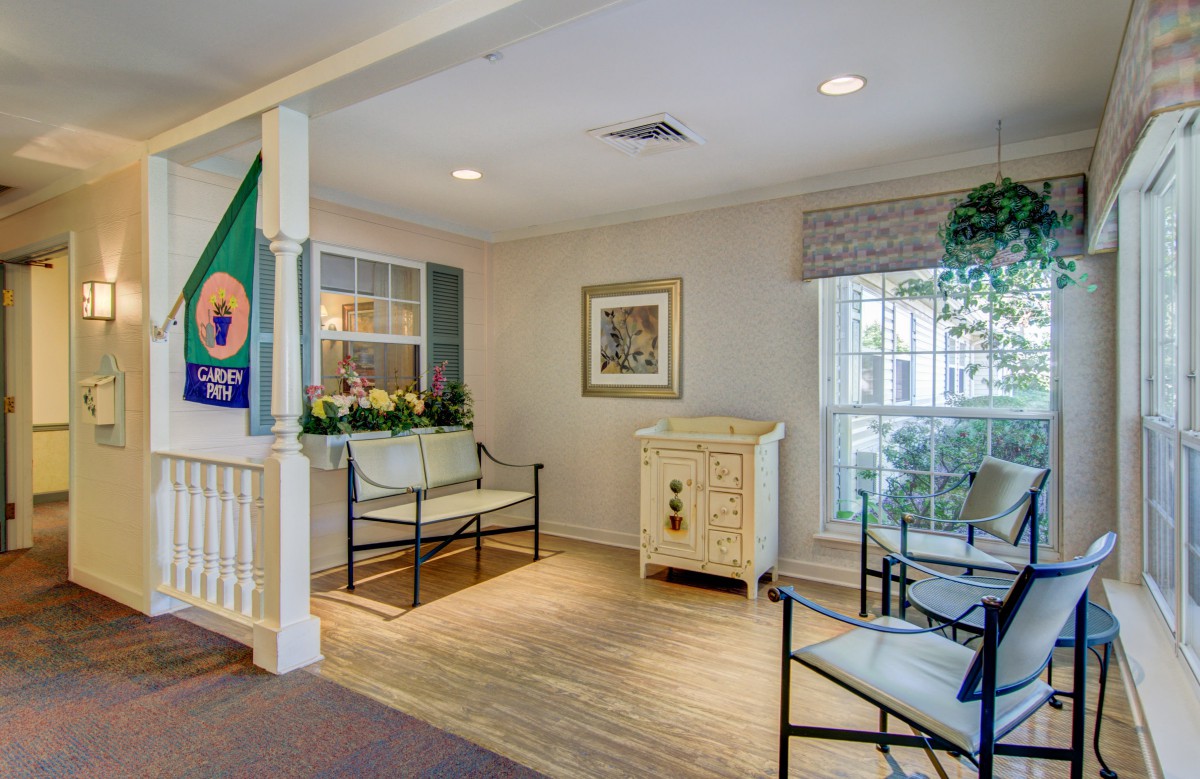
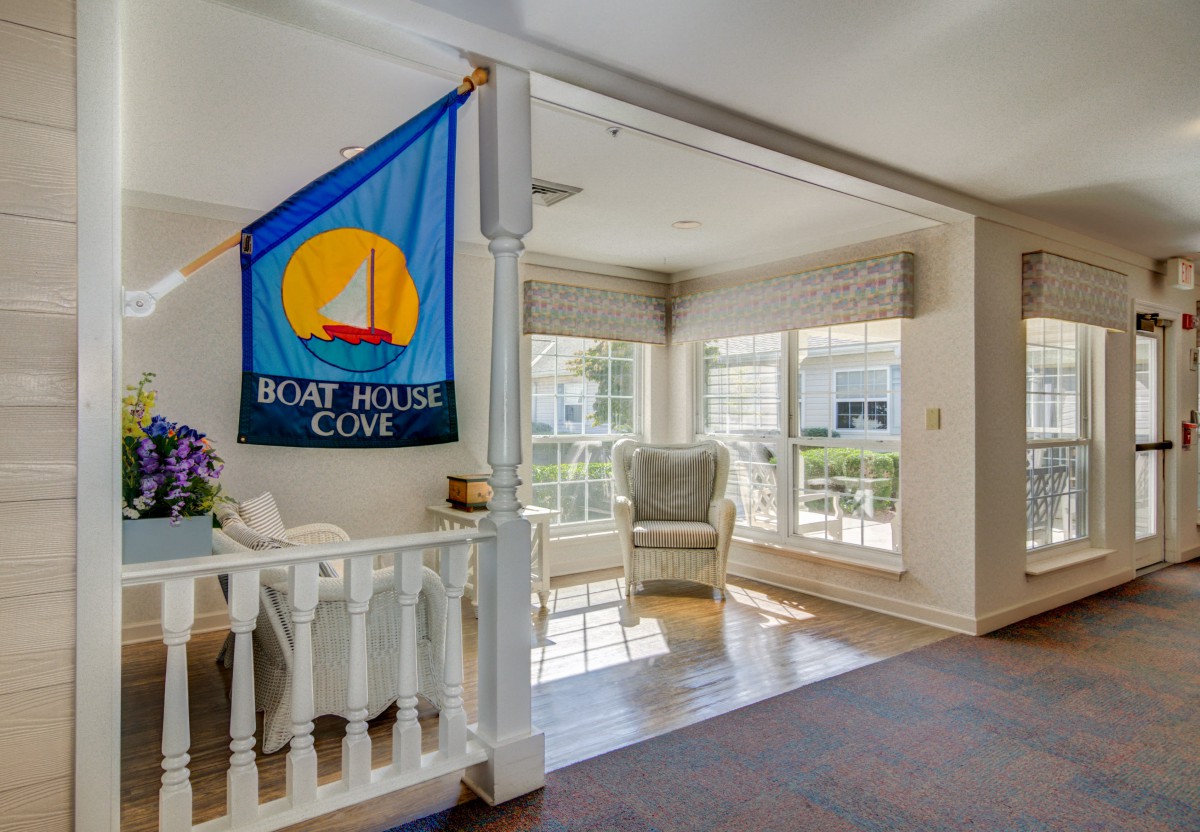
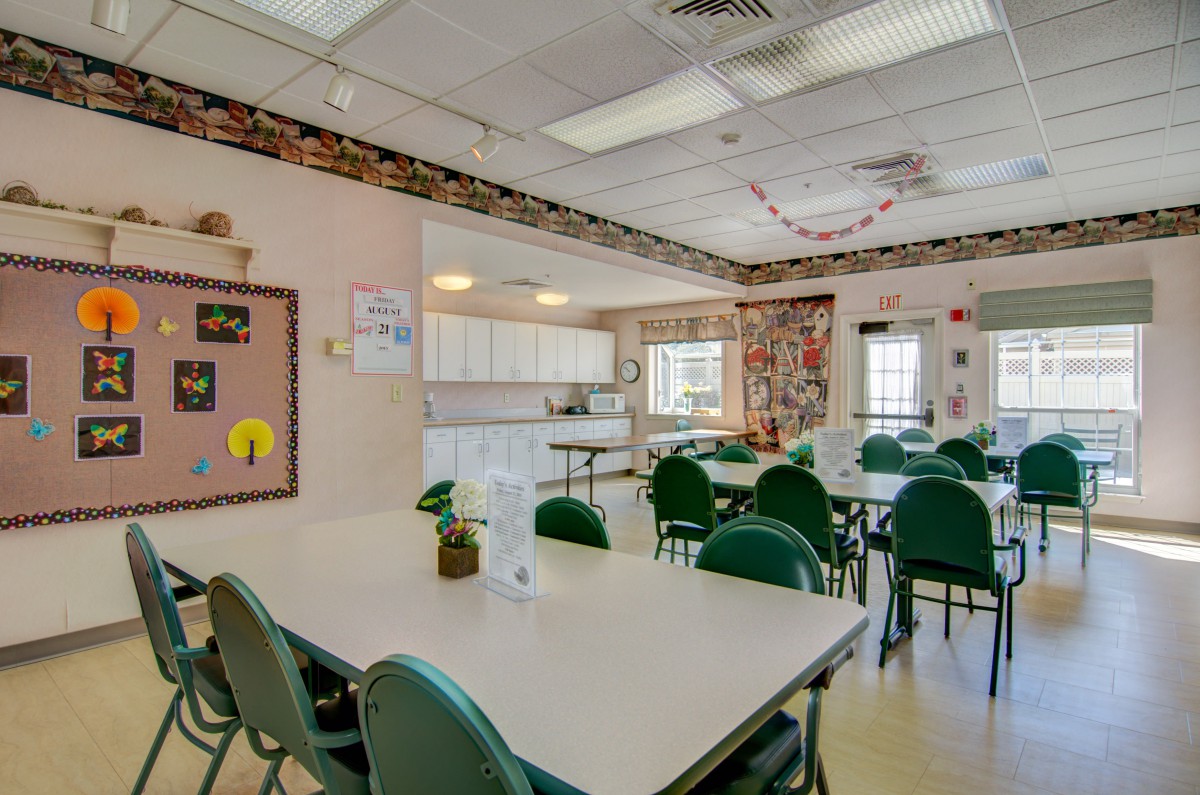
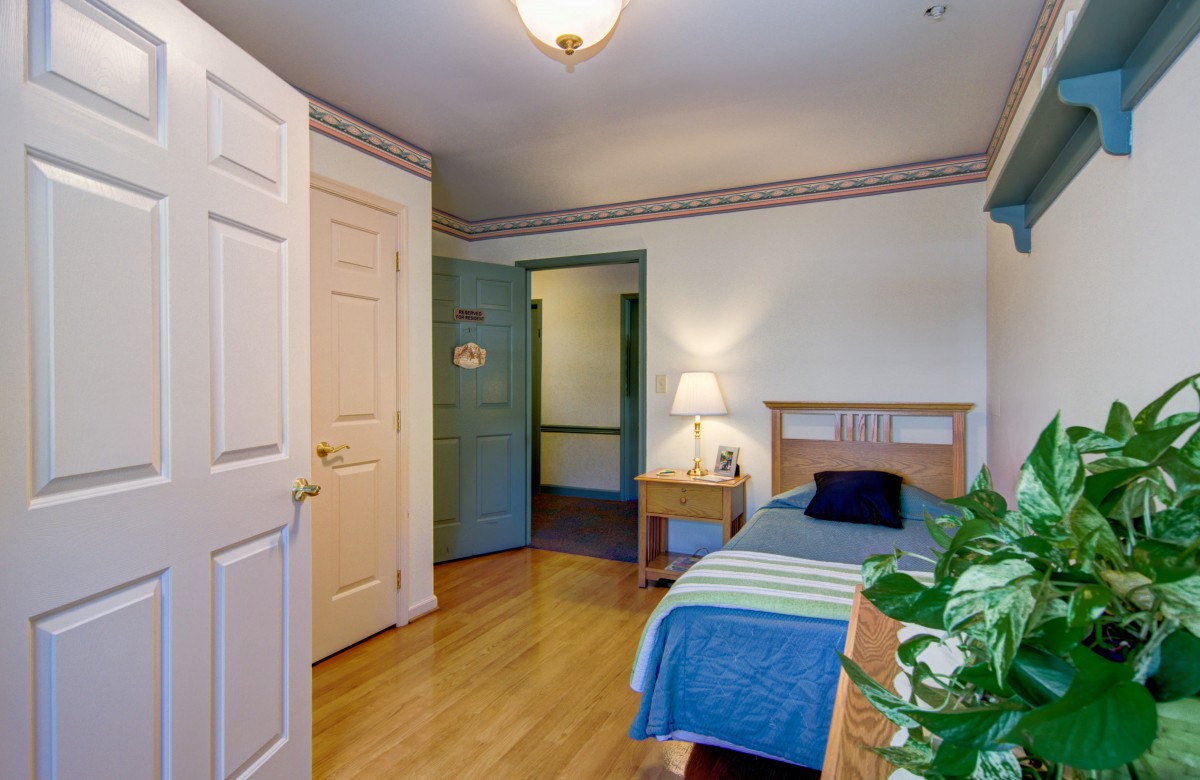
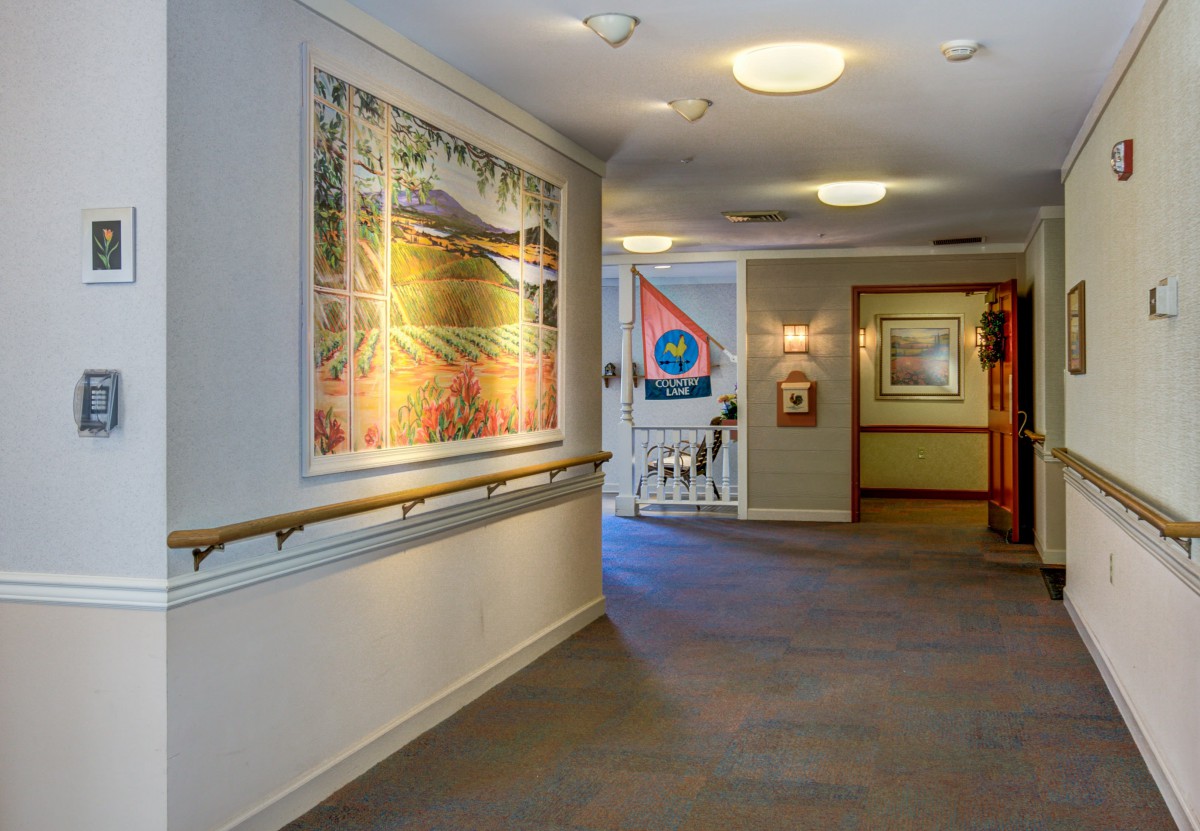
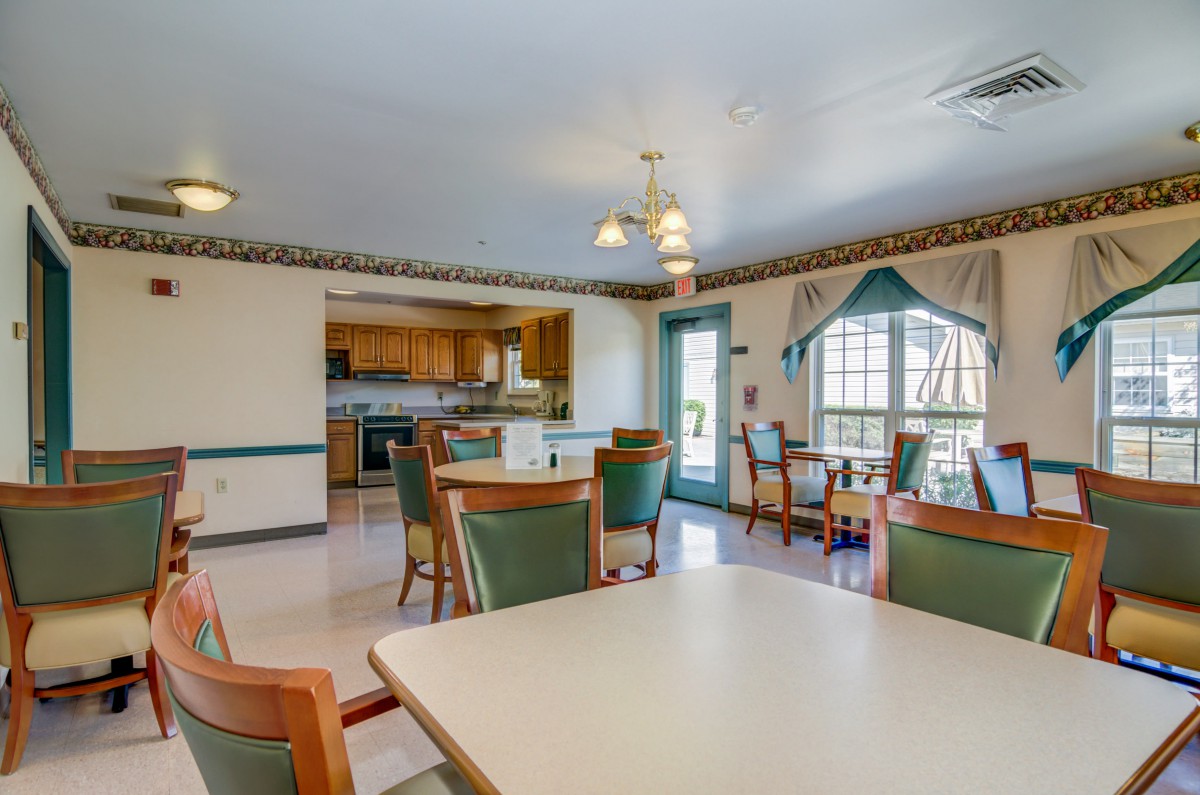
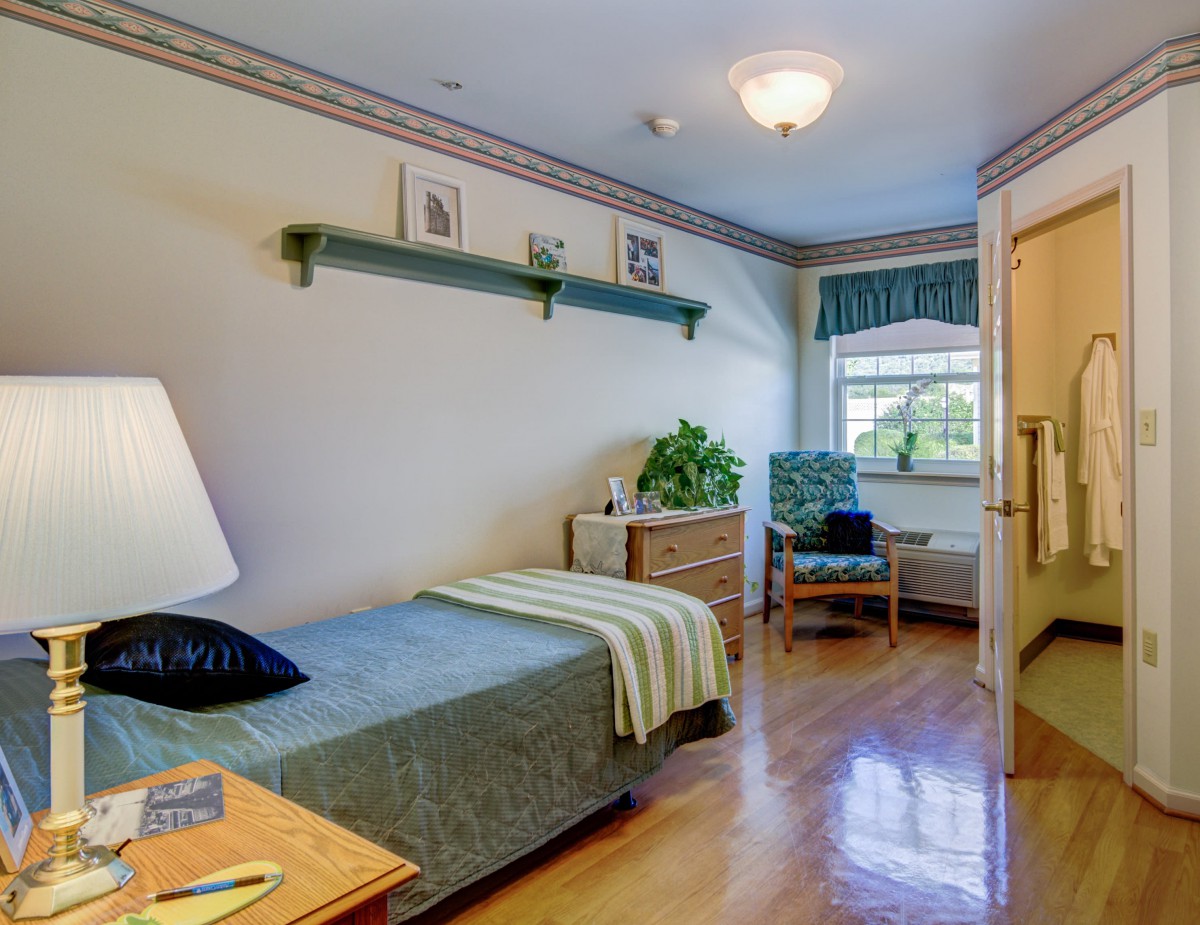
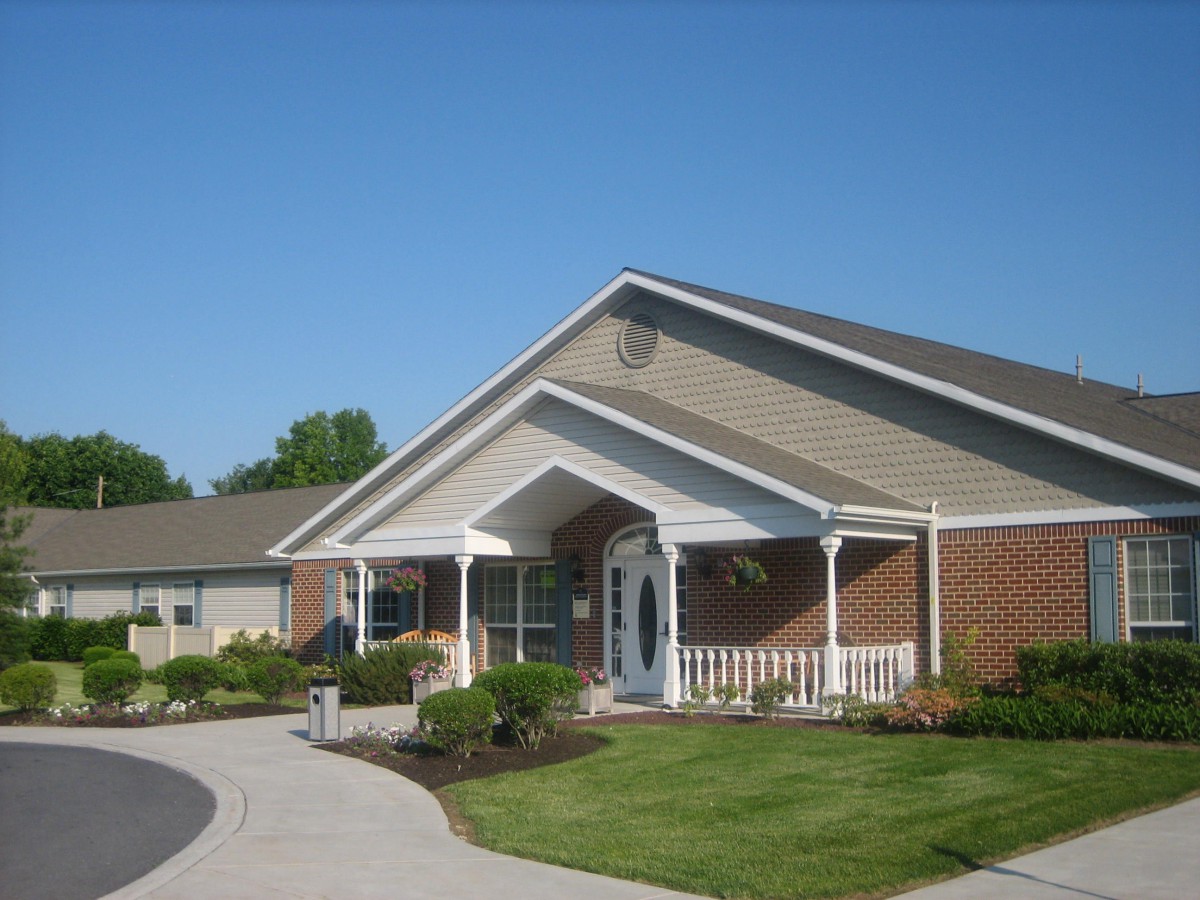
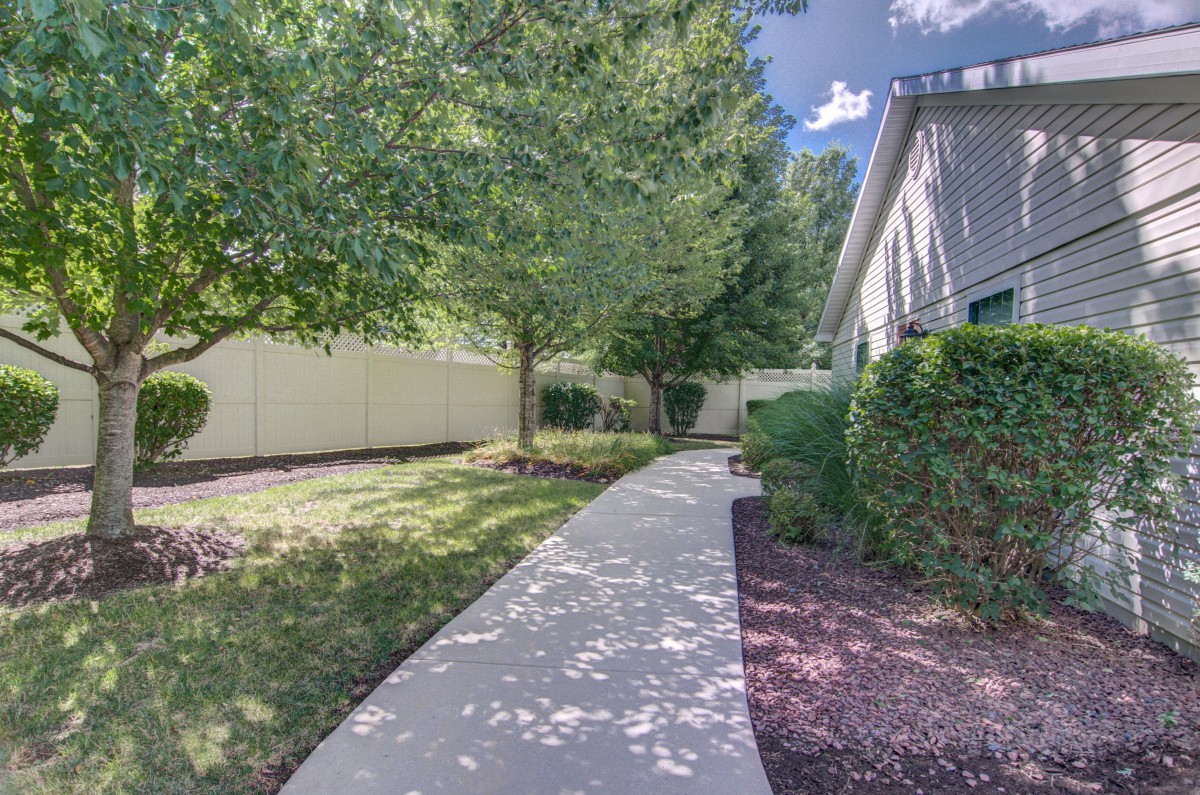
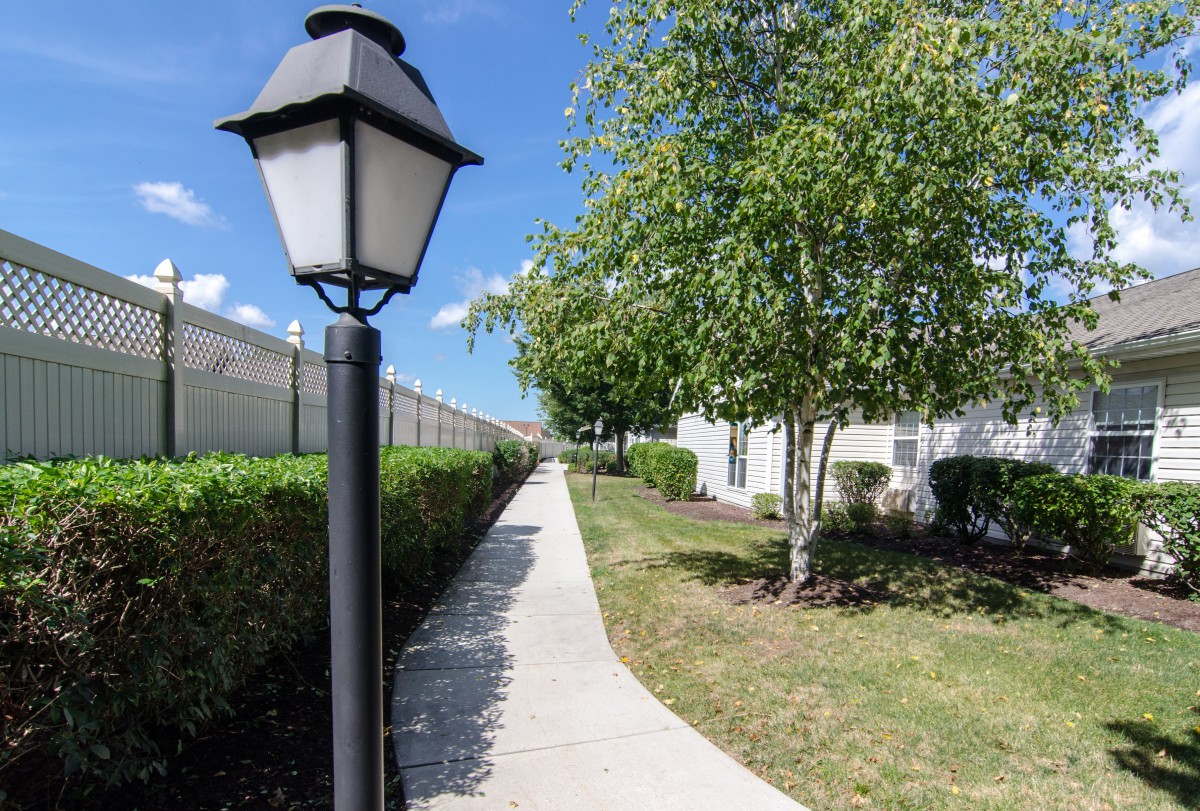
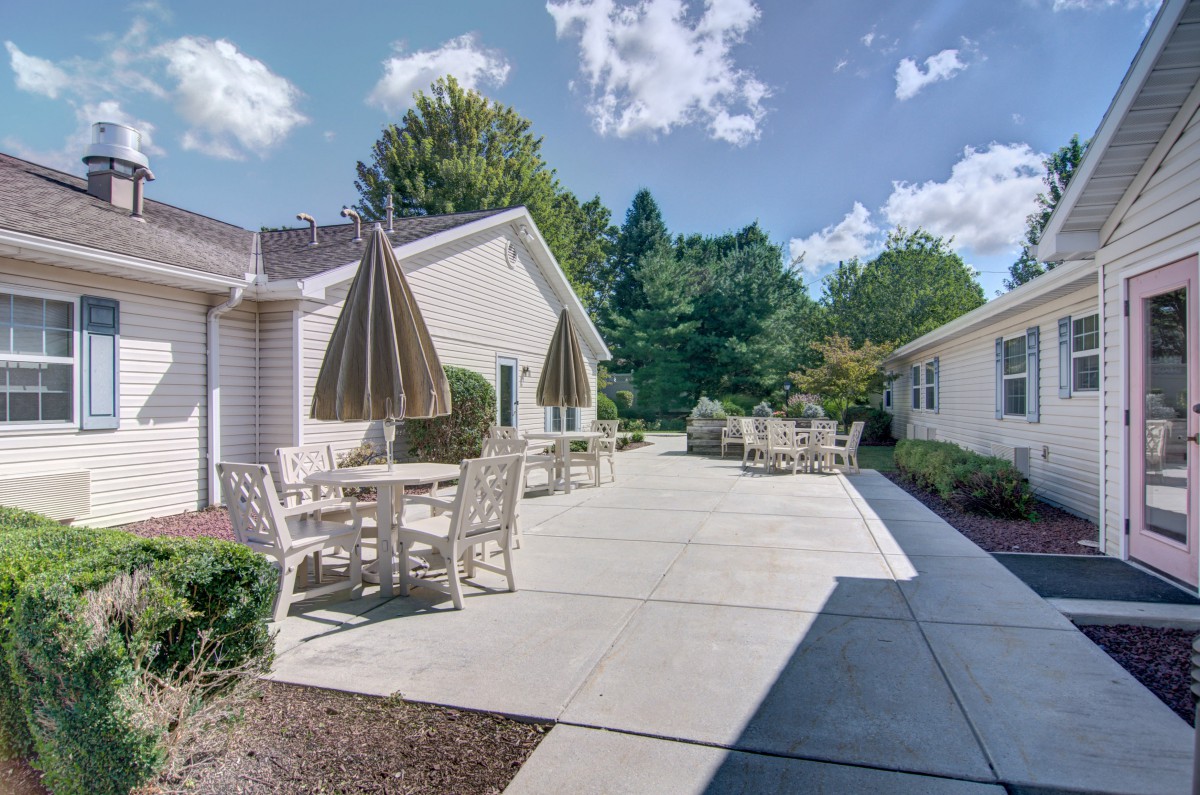
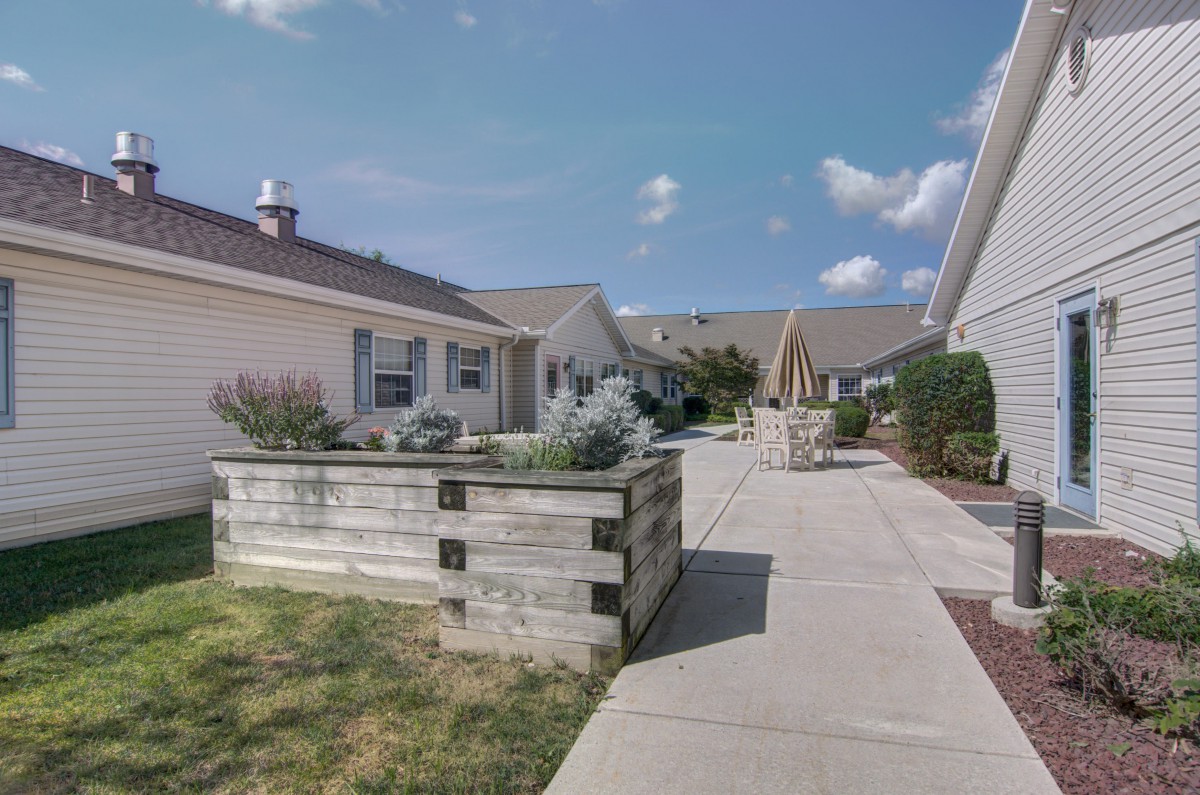
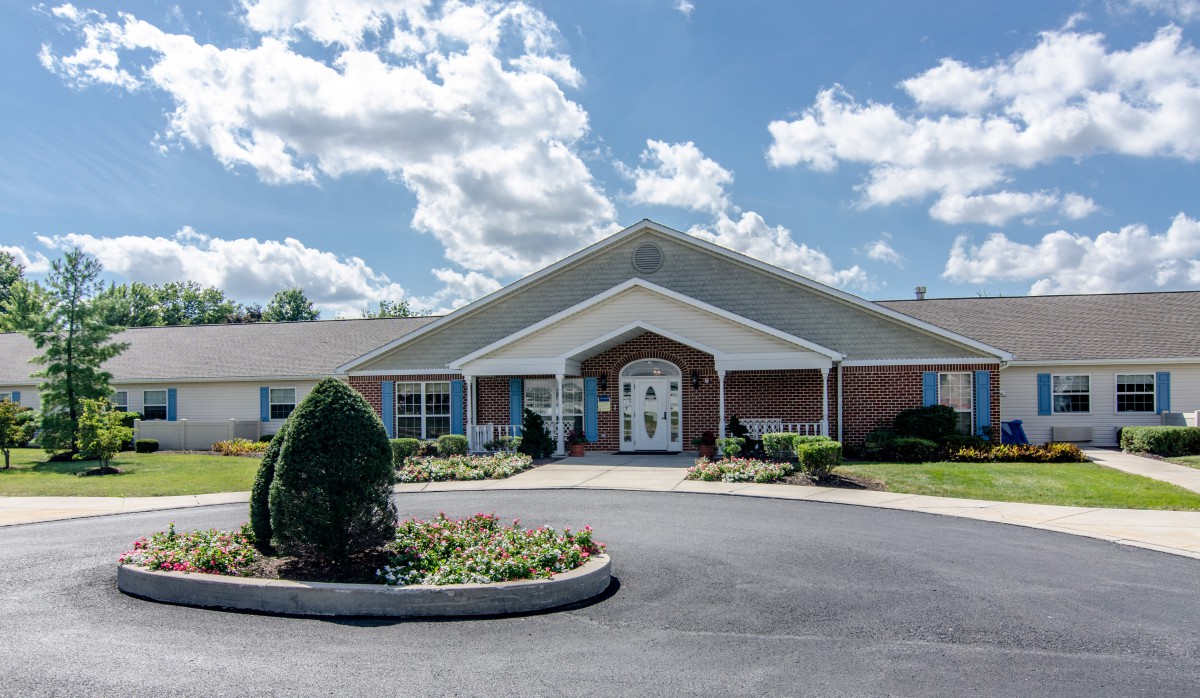
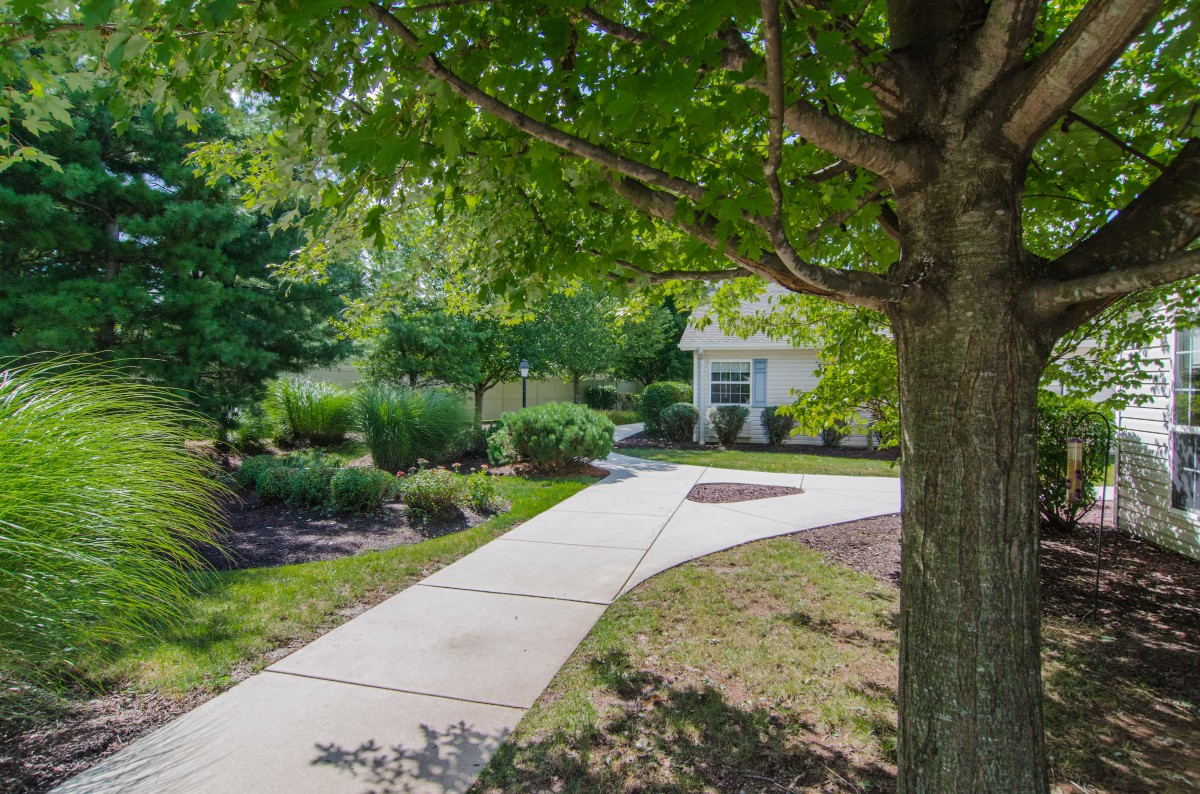
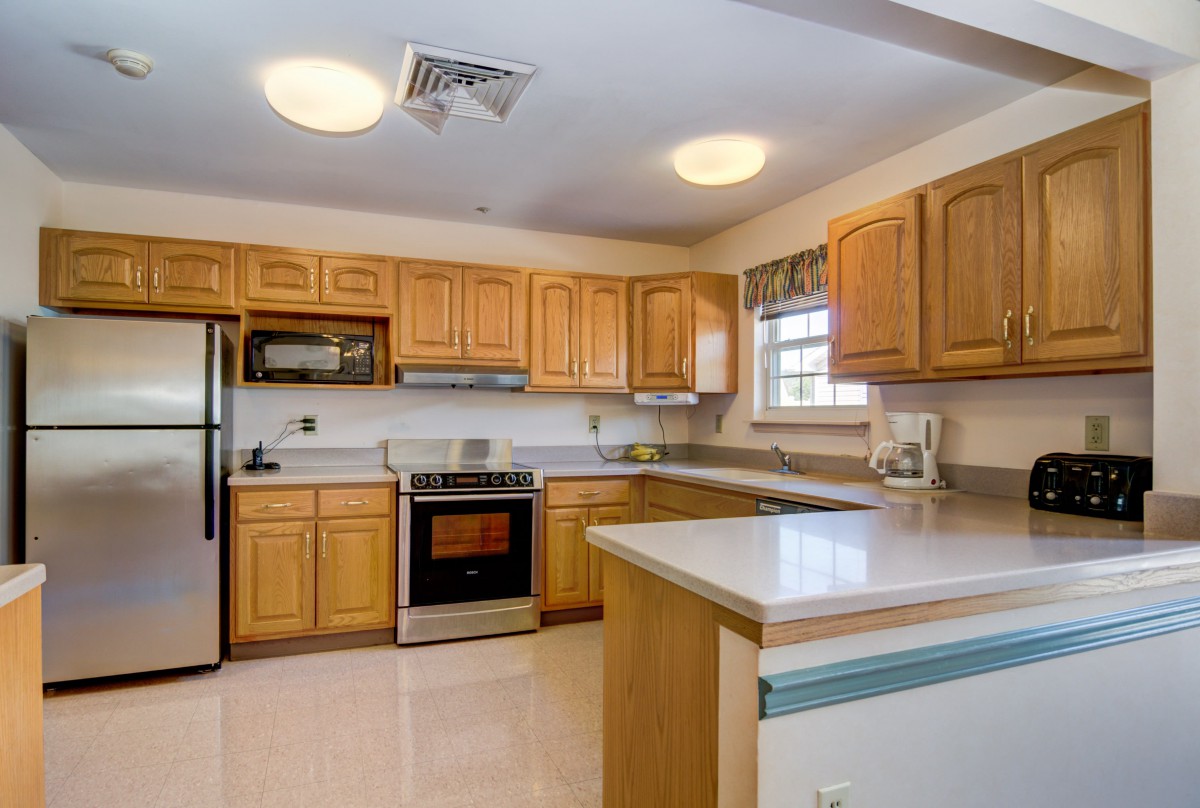
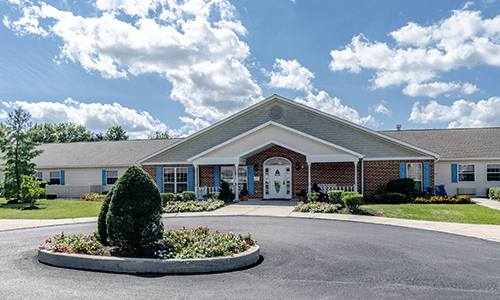
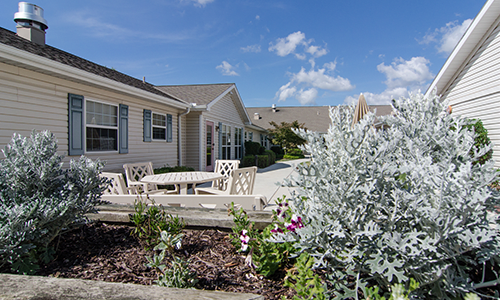
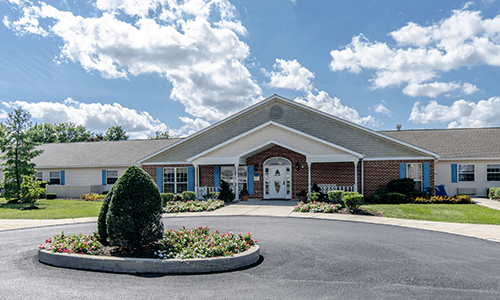
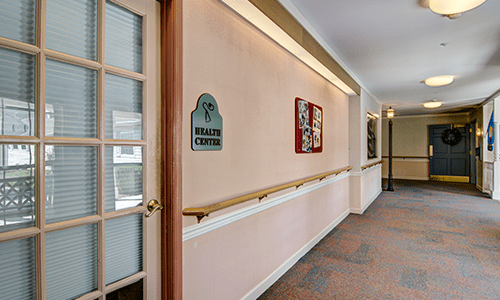
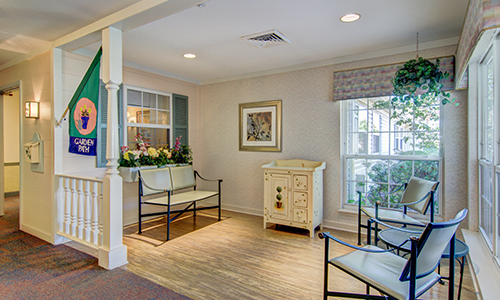
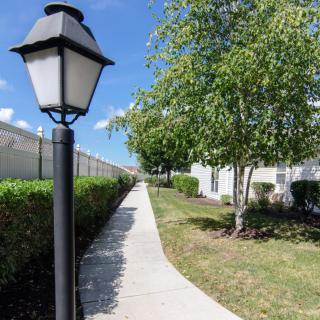
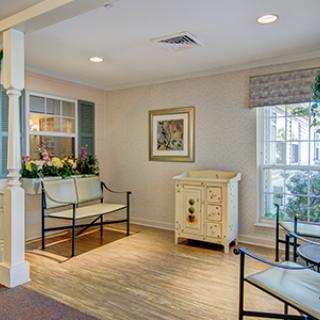
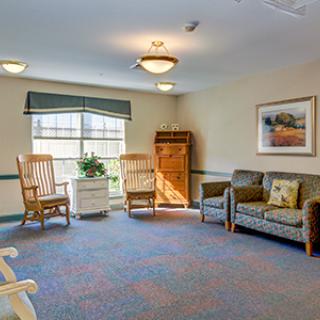
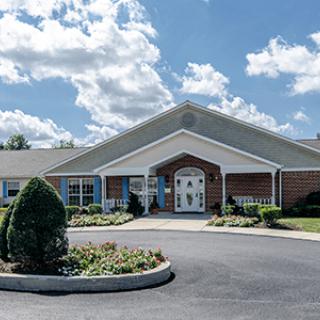
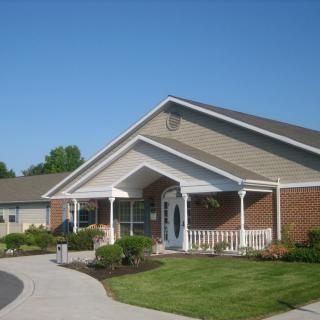
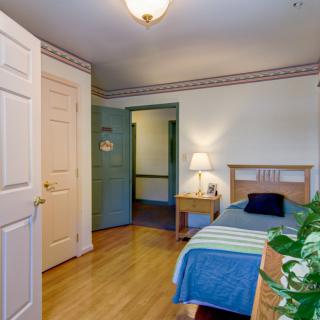
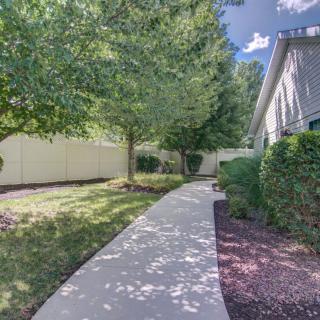
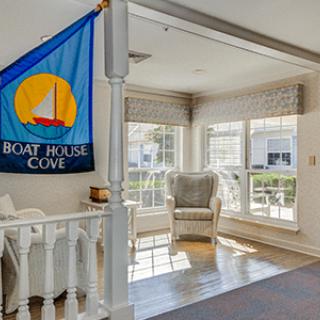
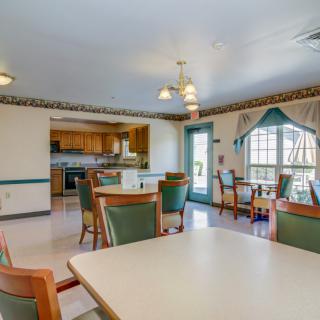
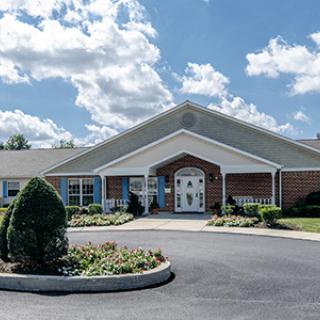
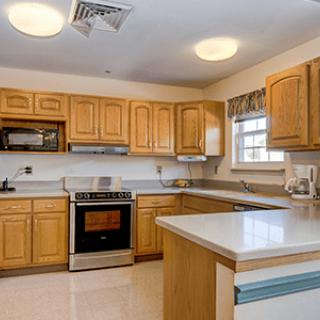
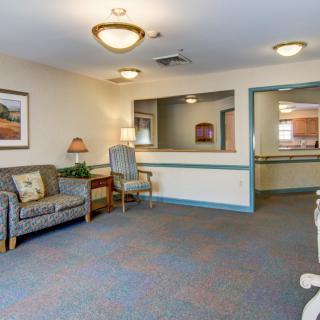
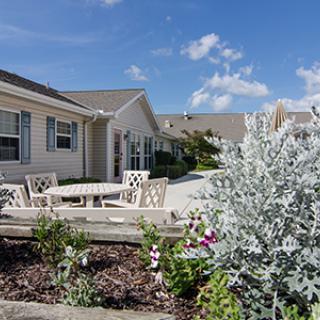
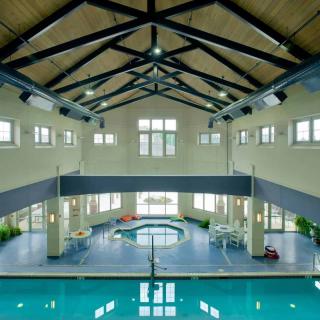
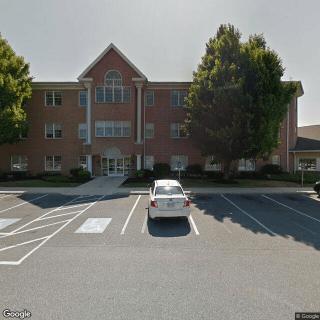
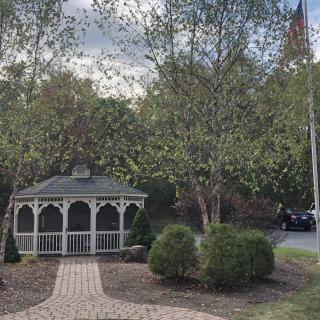
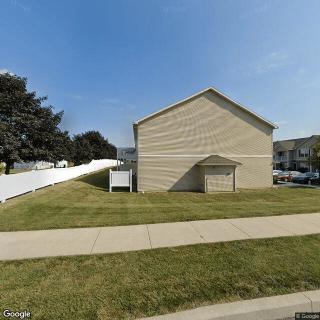
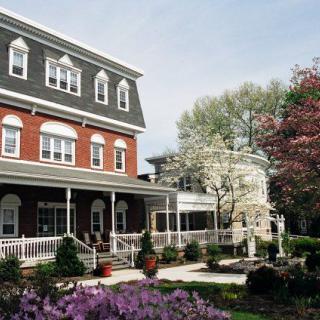
Arden Courts Of Susquehanna on seniors.fyi includes 28 photos including images showing interior, landscaping, windows, decor, building, living room, bedroom, trees, and more.
Nearby Communities
Pheasant Hill Estates
Harrisburg, PA
4 from 14 reviews
Specialized diabetic care with an active, social community and meals on-site.
The Manor At Oakridge
Harrisburg, PA
4 from 111 reviews
$2,399 to $3,579 / month
Friendly staff and engaging activities.
TheKey of Harrisburg, PA
Harrisburg, PA
4.6 from 31 reviews
Consistent caregiver assignments with reliable scheduling and smooth onboarding.
Global Healthcare Group
Harrisburg, PA
4.3 from 38 reviews
Thorough onboarding with dependable caregivers.
Kindred Place at Harrisburg
Harrisburg, PA
5 from 19 reviews
$2,265 to $3,220 / month
Safe, caring community with engaged staff, active activities, and good value.
Home Instead - Harrisburg, PA
Harrisburg, PA
3.8 from 10 reviews
Central Harrisburg location with extensive nearby amenities (cafes, parks, pharmacies, doctors, restaurants, worship, theater, hospitals).
The Terraces at Capitol Village
Harrisburg, PA
4.7 from 44 reviews
$2,500 to $4,000 / month
Friendly, caring staff with engaging activities in a clean, homey setting.
All About You HomeCare Agency
Harrisburg, PA
3.4 from 8 reviews
Caring, reliable caregivers with prompt response in many cases.
Homeland Center
Harrisburg, PA
3 from 18 reviews
Positive experiences in other sections; some areas described as lovely.
Transitioning from assisted living to memory care is driven by an individual's cognitive decline and specific needs, requiring careful evaluation of indicators like increased confusion and wandering. The process involves consulting medical professionals, researching suitable communities, considering financial and legal aspects, and ensuring effective communication for personalized care plans.
The article differentiates between assisted living and memory care, explaining that assisted living supports seniors with daily activities while promoting independence, whereas memory care provides specialized services for individuals with dementia, focusing on secure environments and cognitive support. It also addresses staff training, safety considerations, costs, family involvement, and transition strategies for families navigating these care options.
The article outlines effective communication strategies for interacting with loved ones with dementia, highlighting the need for empathy, patience, and understanding while emphasizing supportive approaches like using simple language, minimizing distractions, and focusing on feelings over facts to maintain dignity and foster connection. It also suggests seeking professional guidance when needed as communication challenges evolve.
Get PricingAsk A QuestionSchedule A TourContact Senior Advisor
By clicking submit, you agree to our Partner's Terms of Use. You
also consent to receive calls and texts, which may be autodialed, from our Partner. Your consent is not a condition to
using our Partner's service. Please visit our Partner's Privacy Policy for information about their privacy practices.




 64 resident community capacity
 Studio apartments
 Assisted Living
 Memory Care
 Respite Care
 Activities off-site
 Air-conditioning
 Bath tubs
 Beautician on-site
 Cable or satellite TV
 Computer center
 Devotional services on-site
 Dining room
 Fitness room
 Fully furnished
 Gaming room
 Garden
 Ground floor units
 Guest parking
 Housekeeping services
 Indoor common areas
 Kitchenette
 Laundry
 Move-in coordination
 Outdoor common areas
 Party space
 Private bathrooms
 Restaurant-style dining
 Security gate
 Small library
 Telephone
 Wellness center
 Wheelchair accessible showers
 Wi-Fi/high-speed internet available
 Harrisburg International (11 miles away)
 Community operated transportation
 12-16 hour nursing
 24-hour call system
 Ambulatory care
 Assistance with bathing
 Assistance with dressing
 Assistance with transfers
 Diabetes diet
 Diabetic care
 Hospice care
 Incontinence care
 Medication management
 Mental wellness program
 Psychiatric care
 Special dietary restrictions
 Art classes
 Concierge services
 Cooking club
 Day trips and outings
 Games
Games Live dance or theater performances
 Live musical performances
 Sensory-based programs
 Stories
 Trivia games
 Specialized diabetic care with an active, social community and meals on-site.

 When to Transition from Assisted Living to Memory Care: Key Indicators, Steps, and Finding the Right Community
 Understanding the Distinctions: Assisted Living and Memory Care Explained
 How to Communicate with a Loved One Living with Dementia: 10 Supportive Strategies