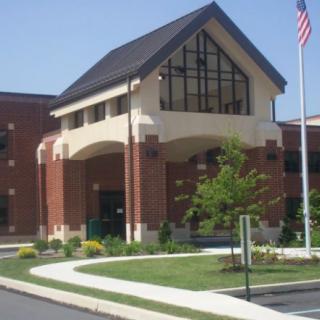
Laurel Center in Hamburg, PA
SaveInformation last verified:
125 Holly Rd, Hamburg, PA 19526
For more information about senior living options: (844) 490-3973
At the Laurel Center, the monthly costs present a competitive option for individuals seeking semi-private and one-bedroom accommodations. With a semi-private room priced at $3,150, it remains slightly below the average rates in Berks County ($3,216) and significantly less than the state average of $3,542. For those interested in more private living arrangements, the one-bedroom option at Laurel Center is offered at $3,565, which again is more economical compared to Berks County's average of $4,043 and Pennsylvania's state rate of $4,006. These pricing advantages underscore Laurel Center's commitment to providing quality care while remaining accessible within both local and state markets.
| Floor plans | Laurel Center | Berks County | Pennsylvania |
|---|---|---|---|
| Semi-Private | $3,150 | $3,216 | $3,542 |
| 1 Bedroom | $3,565 | $4,043 | $4,006 |
Laurel Center in Hamburg, PA is best suited for families seeking a practical, relationship-driven care experience, particularly for short-term rehabilitation and for long-term residents who value a warm, home-like atmosphere, generous therapy services, and staff who treat residents with genuine care. The community’s strongest appeal is the people: attentive nurses, capable aides, and therapists who communicate progress clearly and regularly to families. The setting reinforces this impression, clean, well-kept spaces in a country-like environment with a calm, welcoming vibe. Residents often describe feeling seen and cared for, with staff who go the extra mile to keep loved ones informed and comfortable during recovery or ongoing daily needs.
Those who may want to consider alternatives are those who prioritize rock-solid consistency across every department, minimal friction in discharge planning, or a strictly predictable cost structure. Several families flag price increases or less transparent billing, and others point to episodic gaps in interdepartmental communication that can affect care plans or schedules. Meal quality and consistency vary enough that some families would prefer a facility with a more dependable dining program. A few residents and visitors report occasional understaffing or limited attention to routine tasks such as showers or timely bedside care, which can be a deal-breaker for those seeking a lean, ultra-efficient operation. For seniors with acute medical fragility or those who demand a flawless, 24/7 care coordination machine, alternatives may offer more predictability.
The core strengths of Laurel Center, its devoted staff, robust rehab capabilities, and a clean, comforting environment, often offset the less desirable elements. The rehab program earns particular praise: therapists are described as knowledgeable, motivated, and capable of driving meaningful progress, helping families feel confident about going home after a short-term stay. Nursing and caregiving teams are repeatedly commended for kindness, respect, and the willingness to go the extra mile to answer questions and accommodate special requests. The facility’s daily routines, housekeeping, and activity offerings also contribute to a sense of normalcy and engagement for residents, helping both patients and families perceive tangible value in the care provided. The most consistently positive thread is family communication: staff members who keep families updated, respond to concerns promptly, and explain care decisions in accessible terms. In moments of crisis or transition, this responsiveness can be the difference between peace of mind and persistent worry.
Yet the cons should not be ignored, because they illuminate where expectations must align with realities. Interdepartmental communication, while solid in many instances, can stumble, leading to delays or mixed messages about medications, therapies, or discharge readiness. Not every staff encounter rings with the same degree of warmth, and a few families report rude or curt experiences, which undermines the otherwise reassuring atmosphere. The dining experience can be uneven, with several accounts of meals not meeting expectations for flavor or temperature, and some residents experience delays or omissions in meal service. Bathing frequency and other personal-care routines are flagged by a handful of families as areas needing closer attention, especially for residents who rely on consistent daily care. Administrative frustrations surface in some reviews around admissions timing, record transfer delays, and occasional sticker-price surprises, underscoring the need for careful pre-admission inquiry and explicit agreement on what is included in the price.
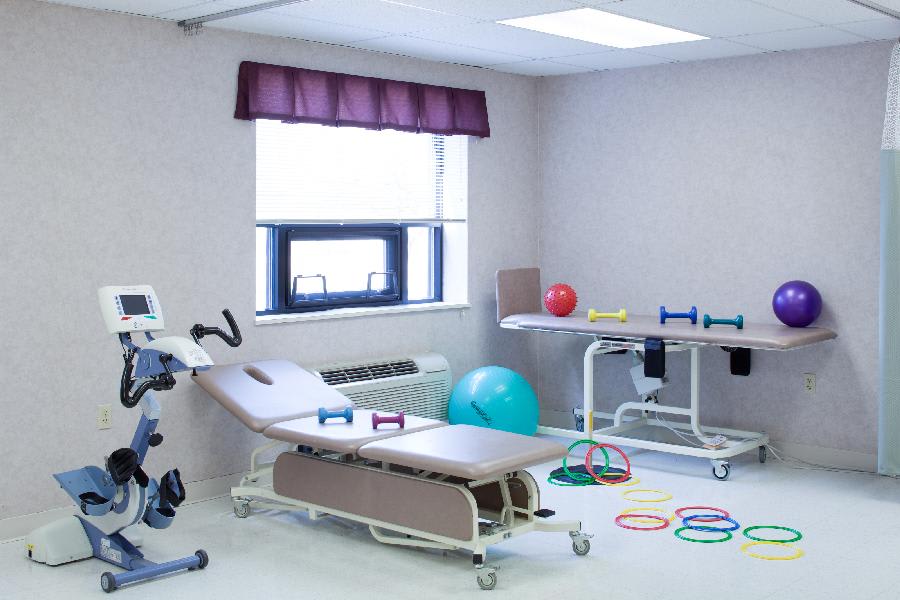
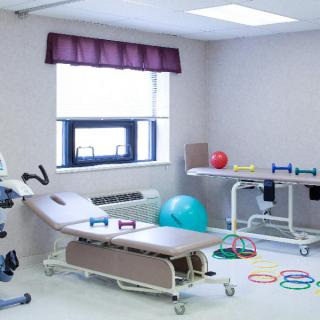
From a decision-making vantage point, Laurel Center works best for families who want a well-staffed rehab-focused environment with a strong emphasis on interpersonal care and ongoing family updates, while understanding that a few operational rough edges may occur. For rehab needs, take a proactive approach: tour the therapy gym, meet the lead therapists, and ask for a clear outline of daily schedules, expected progress milestones, and how family input is incorporated into the plan. For long-term placement, request a detailed care plan and a transparent budget, including what services are bundled and what costs may emerge as needs change. If possible, arrange conversations with admissions and the business office to understand discharge timing, room options, and any trial arrangements that could soften transition risk. Finally, observe a shift during a visit to gauge how well the care team communicates within and across units, and whether the environment feels consistently clean, respectful, and safe.
In the end, Laurel Center stands out as a practical, dependable choice for many families, especially when the priority is strong, compassionate care and a rehabilitative pathway that can put a loved one back home with confidence. It earns trust through dedicated staff, a capable therapy program, and a generally clean, engaging setting that supports recovery and daily living. The cautions, cost sensitivity, occasional communication gaps, and variable dining and personal-care consistency, are real but manageable with deliberate planning and proactive engagement. For families who can align around those realities, Laurel Center offers a compelling balance of warmth, competence, and tangible progress toward a loved one’s goals. If exploring options, prioritize visiting the campus, meeting the therapy team, and locking in a transparent care-and-cost plan to determine whether this community best matches the loved one’s needs and the family’s expectations.
The Laurel Center in Hamburg, PA offers a comfortable and convenient assisted living community for seniors. Residents can enjoy the luxury of air-conditioned rooms and common areas, ensuring a pleasant environment all year round. The center also has a beautician on-site to provide hairstyling and other grooming services.
For entertainment, residents have access to cable or satellite TV in their rooms. They can also connect with friends and family online using the provided Wi-Fi/high-speed internet. Additionally, devotional services are available off-site for those who wish to practice their faith.
The Laurel Center provides specialized care services such as diabetic care for residents who require assistance with managing their condition. Incontinence care is also offered to ensure the comfort and dignity of residents. Medication management is provided by trained staff to ensure that residents receive their medications timely and accurately.
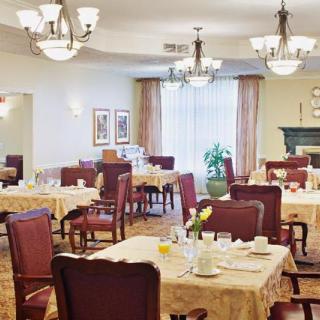
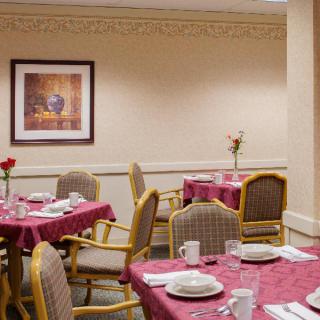
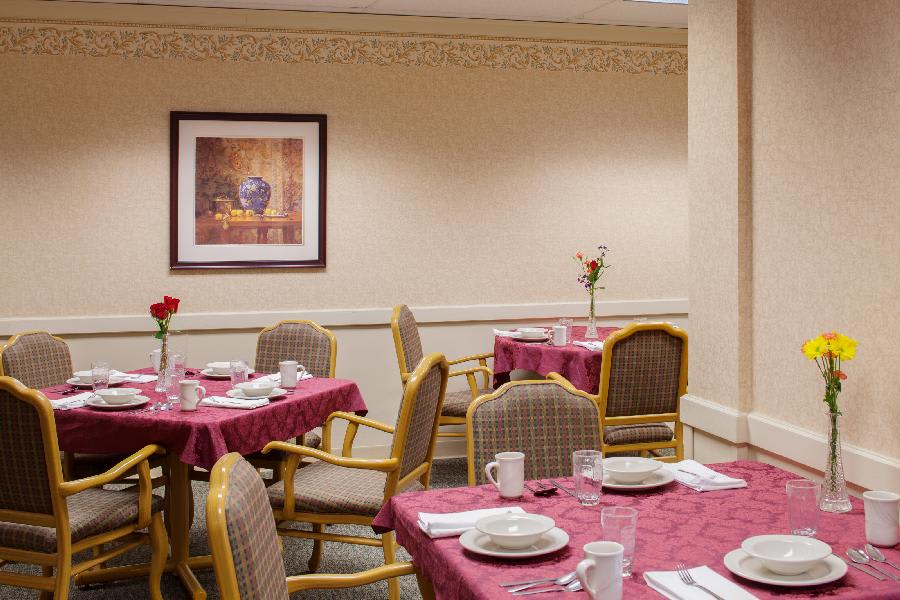
Dining at the Center is a delightful experience with restaurant-style meals served in a communal dining area. For those who prefer privacy, room service is available as well.
Residents have opportunities to participate in various activities off-site, including devotional activities organized nearby. Furthermore, there are numerous amenities within close proximity - 1 café, 2 pharmacies, 1 physician's office, 7 restaurants, and 1 place of worship – ensuring easy access to essential services and places of interest.
Overall, the Laurel Center offers a comfortable living environment with amenities that promote convenience, entertainment, and social engagement for seniors in Hamburg, PA.
Located in the charming town of Hamburg, Pennsylvania, this area offers a wide range of amenities and services that cater to senior living needs. With several physicians' offices nearby, including Laurel Center and Progressive Pediatric Therapy, residents have easy access to medical care. There are also plenty of dining options such as Logan's Roadhouse and Boston Market for convenient meals. For leisure activities, there are parks like Auburn Park and Jim Dietrich Park for outdoor enjoyment. Additionally, pharmacies like Rite Aid and CVS Pharmacy ensure that medications are easily accessible. In case of emergencies, hospitals such as Reading Hospital and Schuylkill Medical Center South Jackson Street are within a short distance. Overall, this area provides a mix of healthcare facilities, dining options, recreational spaces, and easy access to essential services making it a great choice for senior living.
At the Laurel Center, the monthly costs present a competitive option for individuals seeking semi-private and one-bedroom accommodations. With a semi-private room priced at $3,150, it remains slightly below the average rates in Berks County ($3,216) and significantly less than the state average of $3,542. For those interested in more private living arrangements, the one-bedroom option at Laurel Center is offered at $3,565, which again is more economical compared to Berks County's average of $4,043 and Pennsylvania's state rate of $4,006. These pricing advantages underscore Laurel Center's commitment to providing quality care while remaining accessible within both local and state markets.
Laurel Center offers Studio apartments.
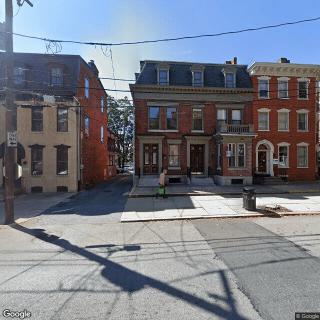
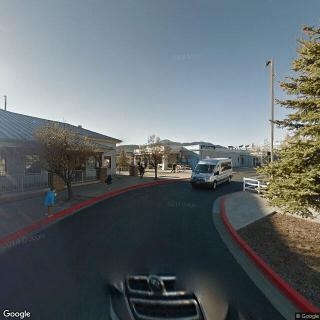
Laurel Center is located at 125 Holly Rd, Hamburg, PA 19526 in Berks County, Pennsylvania
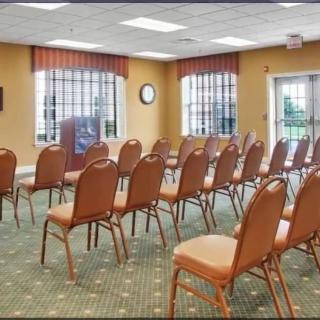
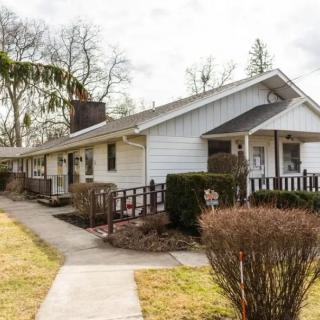
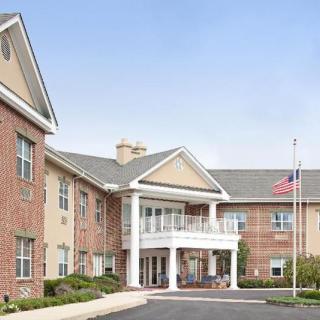
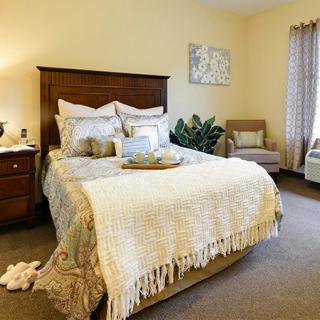
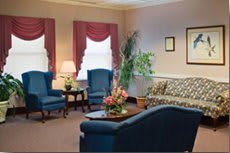
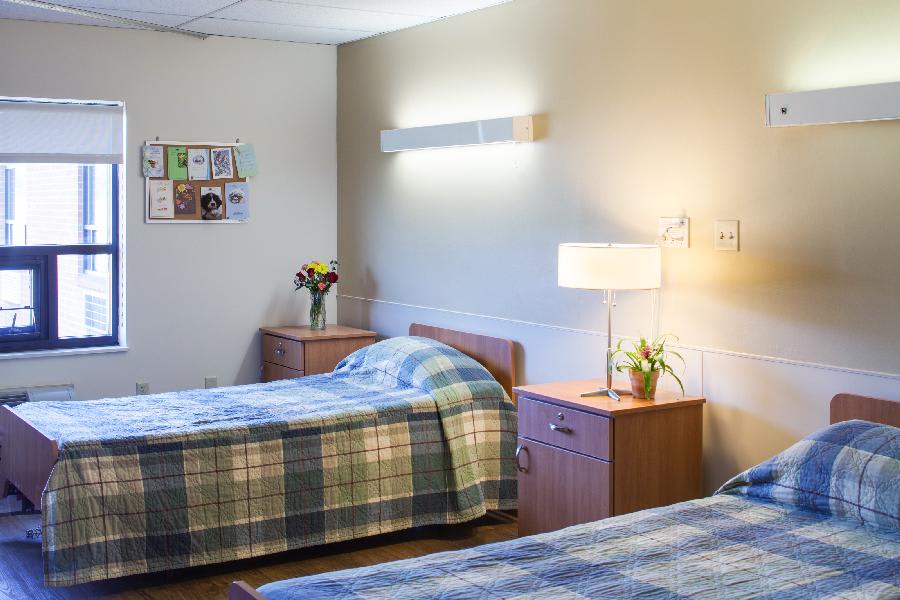
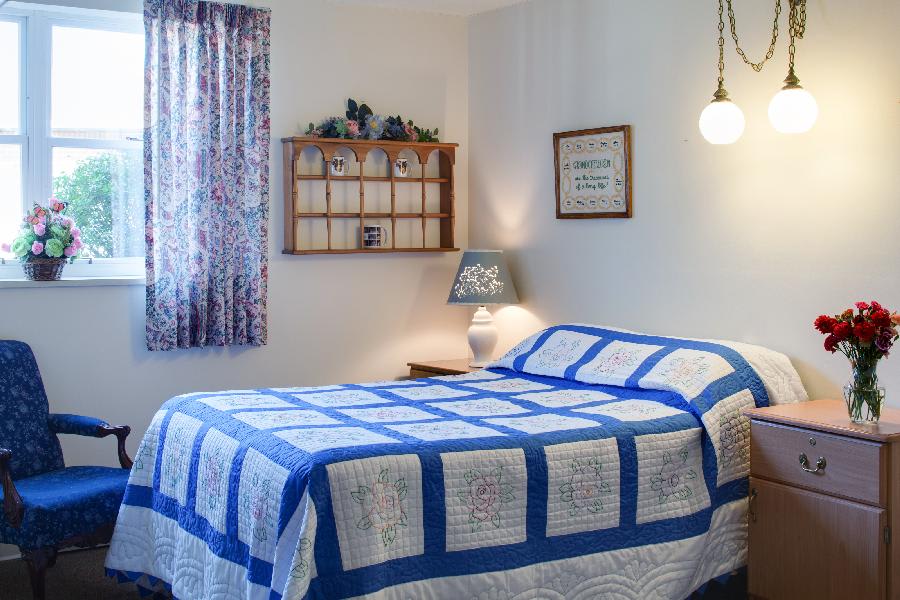
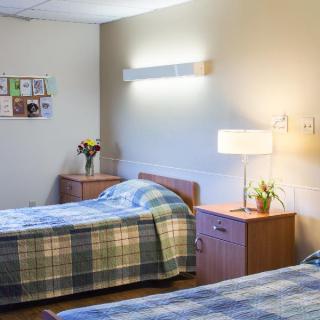
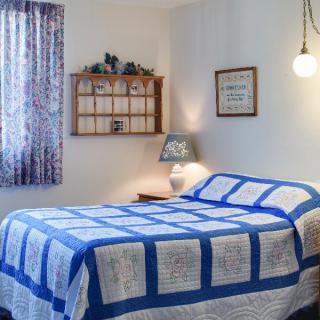
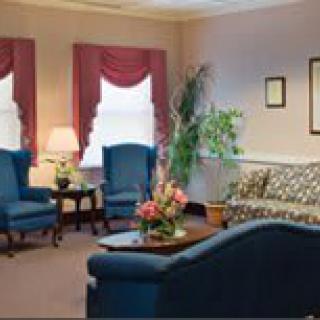
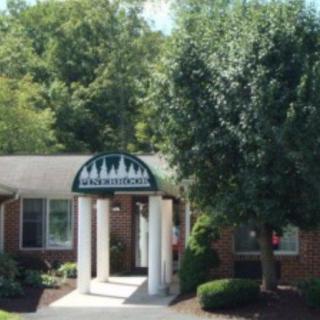
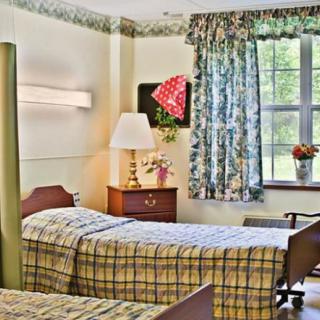
Laurel Center on seniors.fyi includes 6 photos including images showing bedroom, decor, interior, dining, quilt, windows, physical therapy, rehabilitation, and more.
Beyond the Bingo Hall: 50+ Enriching Activities for Seniors in Assisted Living

Assisted living communities offer diverse activities beyond traditional games to enhance seniors' physical health, cognitive well-being, emotional enrichment, and social connections, including fitness classes, creative expression, and intergenerational interactions. These enriching programs foster community bonds and support residents' independence and happiness.
Understanding the Distinctions: Assisted Living and Memory Care Explained

The article differentiates between assisted living and memory care, explaining that assisted living supports seniors with daily activities while promoting independence, whereas memory care provides specialized services for individuals with dementia, focusing on secure environments and cognitive support. It also addresses staff training, safety considerations, costs, family involvement, and transition strategies for families navigating these care options.
Guiding Elderly Parents Who Refuse Assisted Living: 6 Practical Steps
Family caregivers face emotional, legal, and practical challenges when elderly parents refuse assisted living, often due to fears of losing autonomy. Open conversations and professional assessments can help address these concerns while exploring alternatives and ensuring safety, potentially leading to legal guardianship if necessary.