The Residence At Chadds Ford in Glen Mills, PA

Save

  • Interior

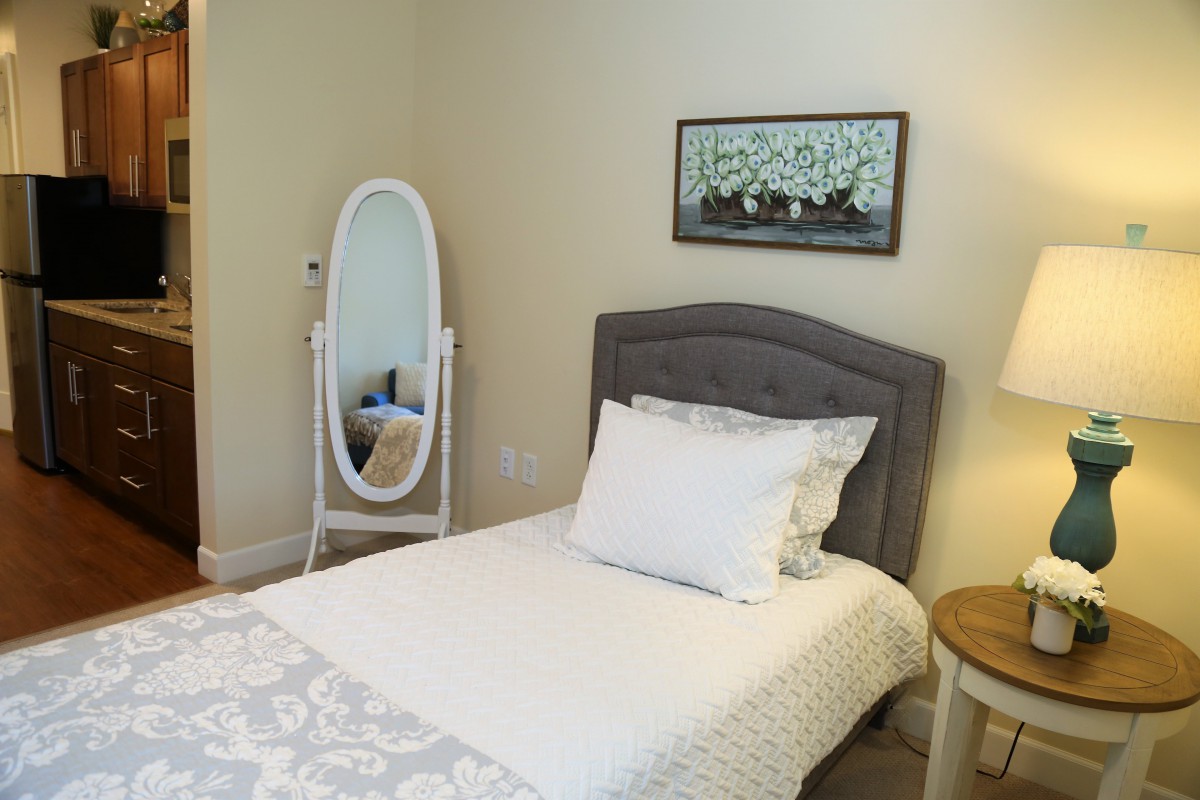
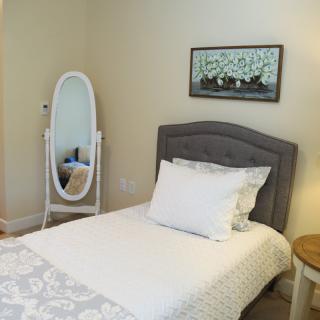
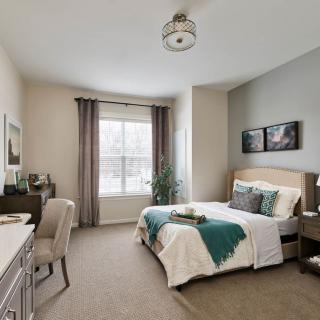
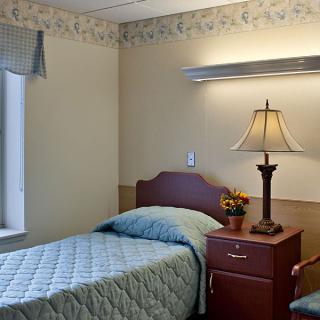
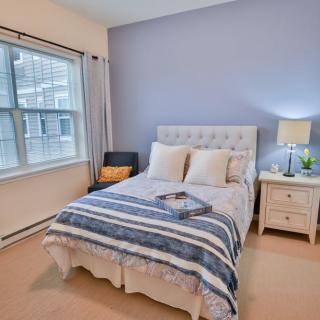
    A cozy bedroom with a single bed, decorative pillow, and a standing mirror, complemented by framed artwork and a side table.
  • Decor

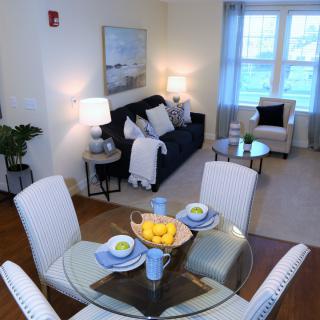
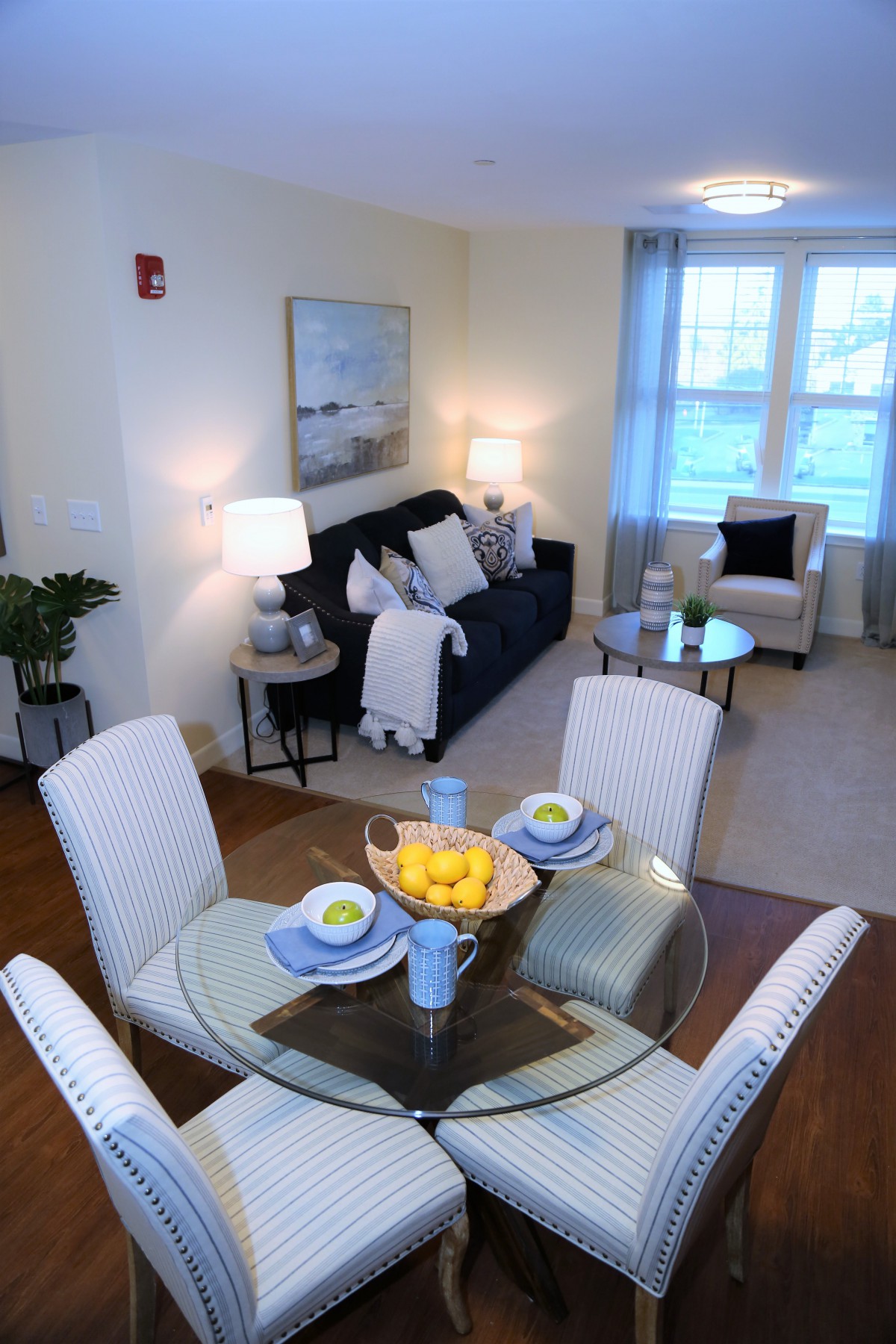
    A cozy and inviting living room with a connected dining area featuring modern furniture and tasteful decor.
  • Living Room

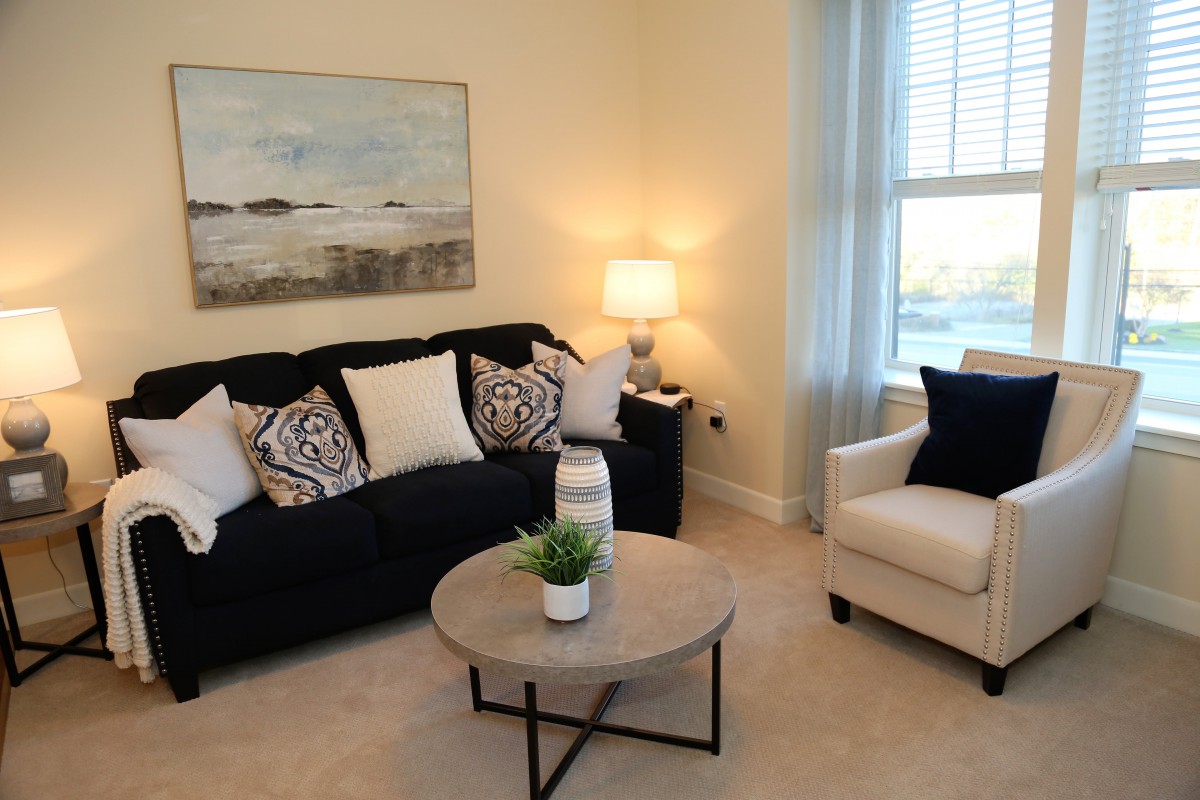
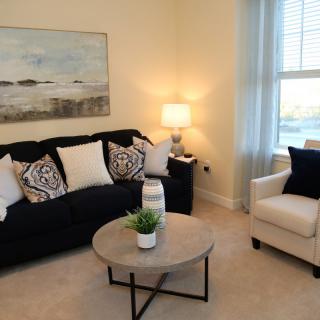
    A cozy living room with a dark sofa, armchair, and soft lighting.
  • Building

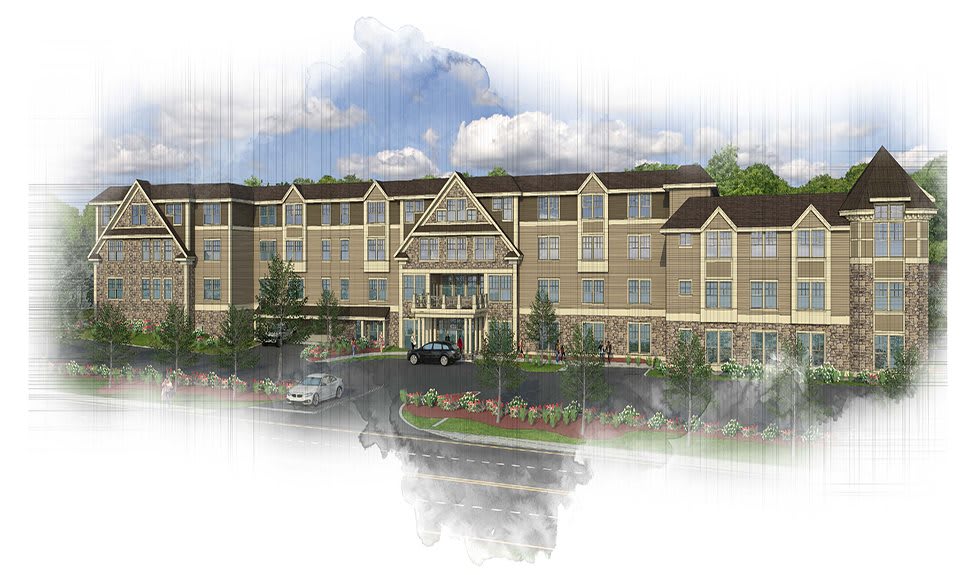
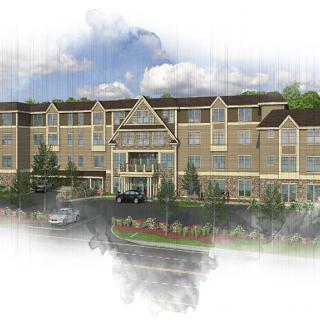
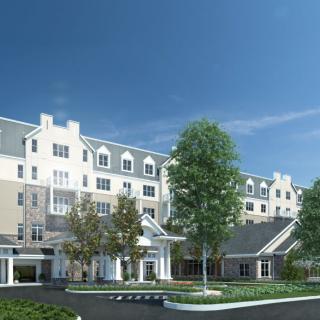
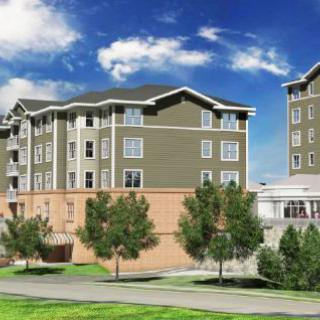
    Illustration of a large hotel with multiple floors and a landscaped entrance.
  • Architecture

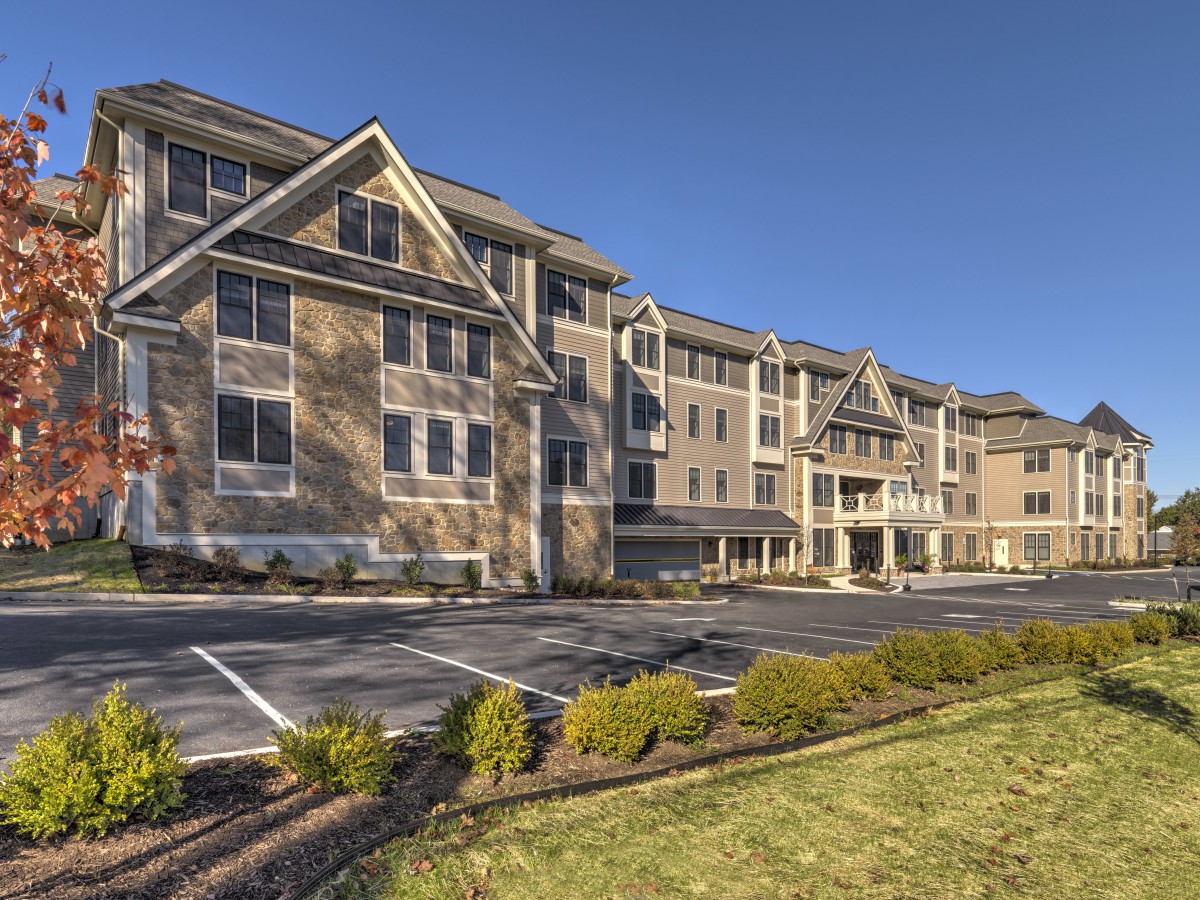
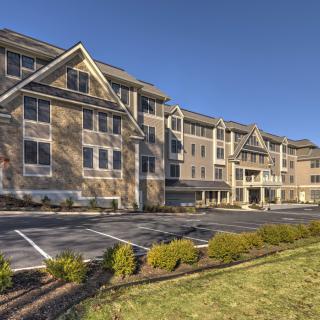
    A modern residential apartment building with a landscaped exterior and adjacent parking lot.
  • Windows

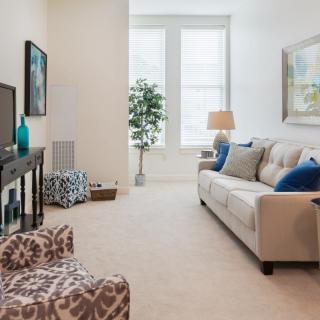
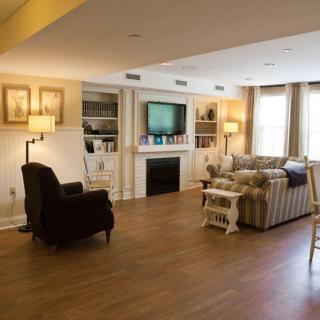
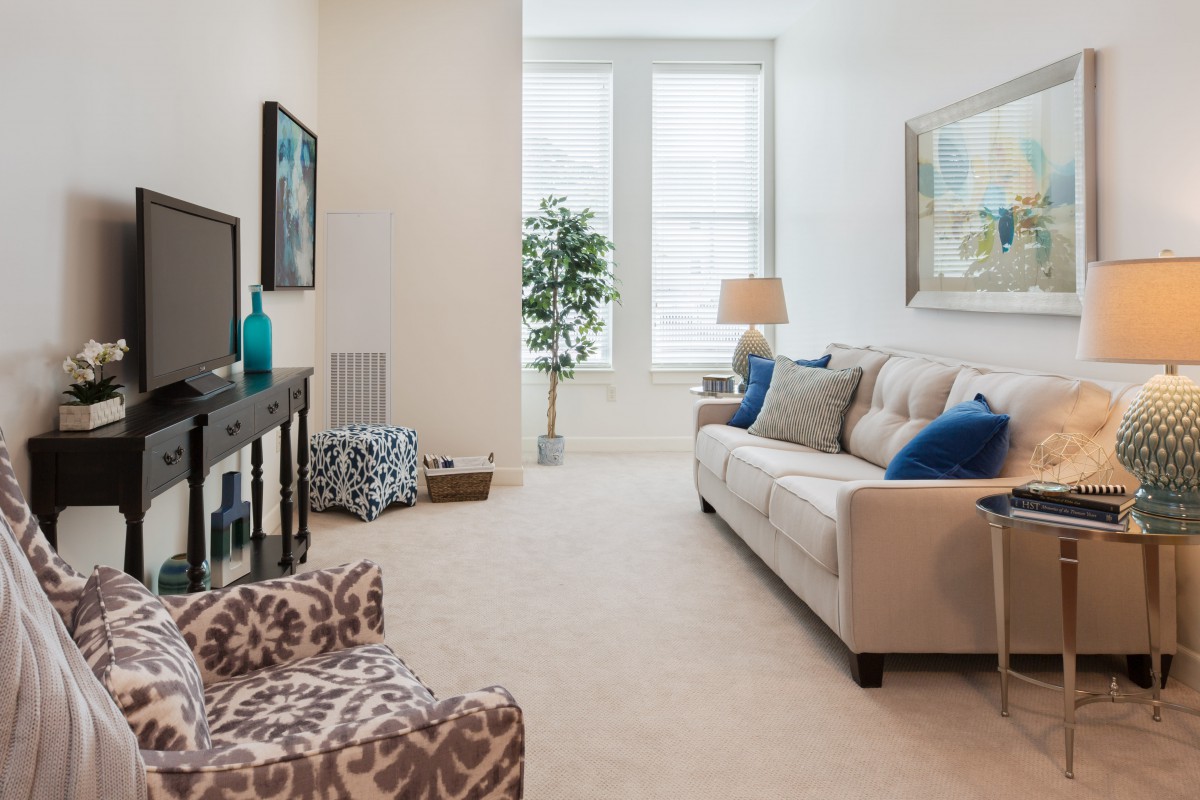
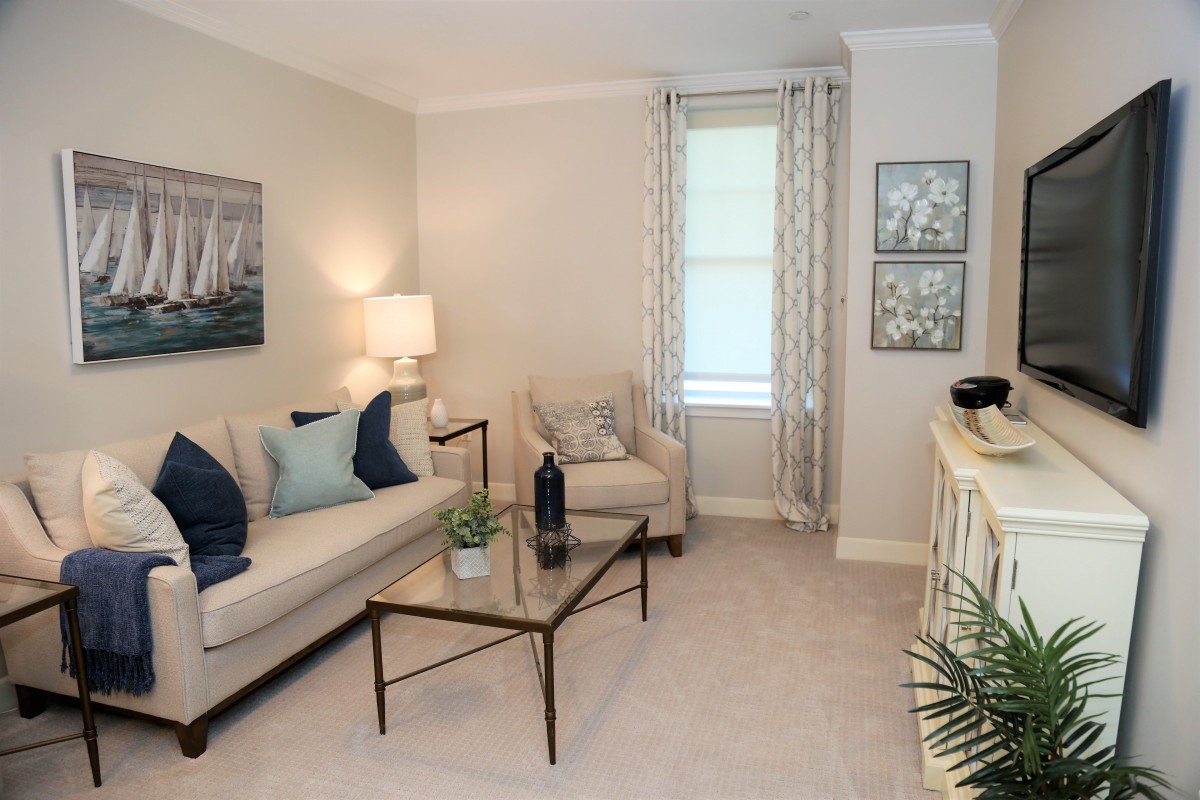
    A cozy living room with modern decor, featuring a beige couch, television, and large windows.
  • Dining

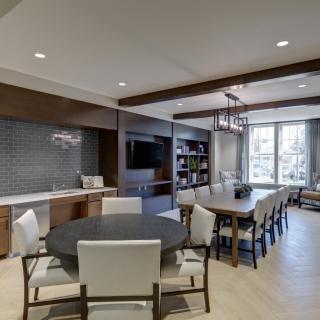
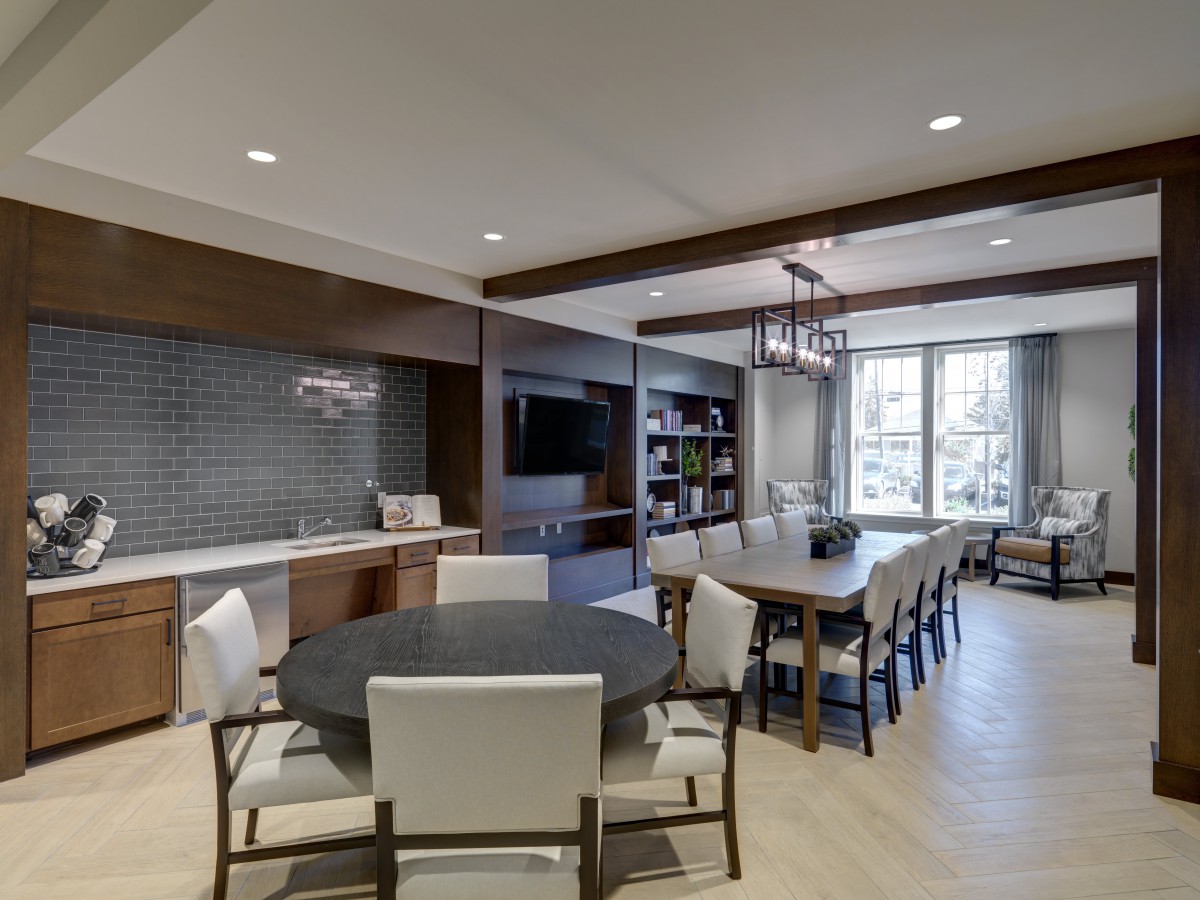
    A modern open-concept living and dining area with contemporary furniture and ample natural light.
  • Kitchen

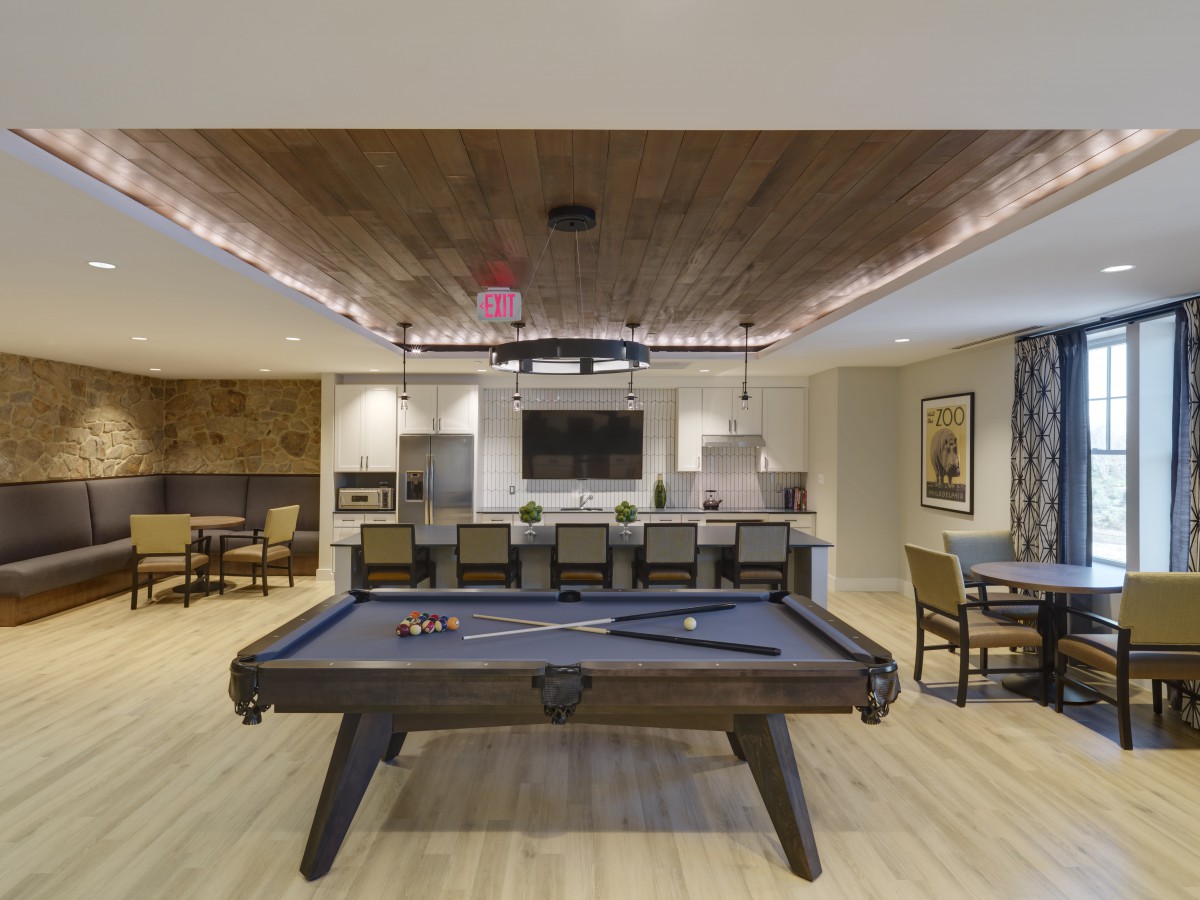
    A modern entertainment room featuring a pool table and kitchen area.
  • Lighting

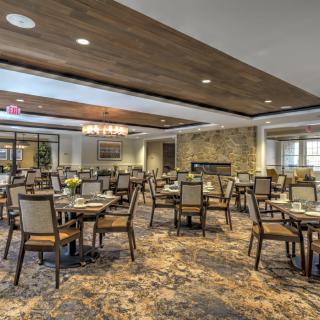
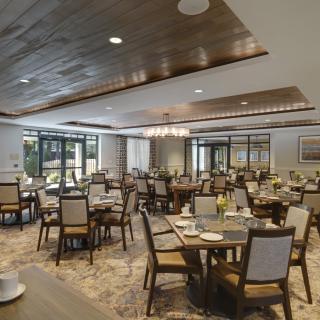
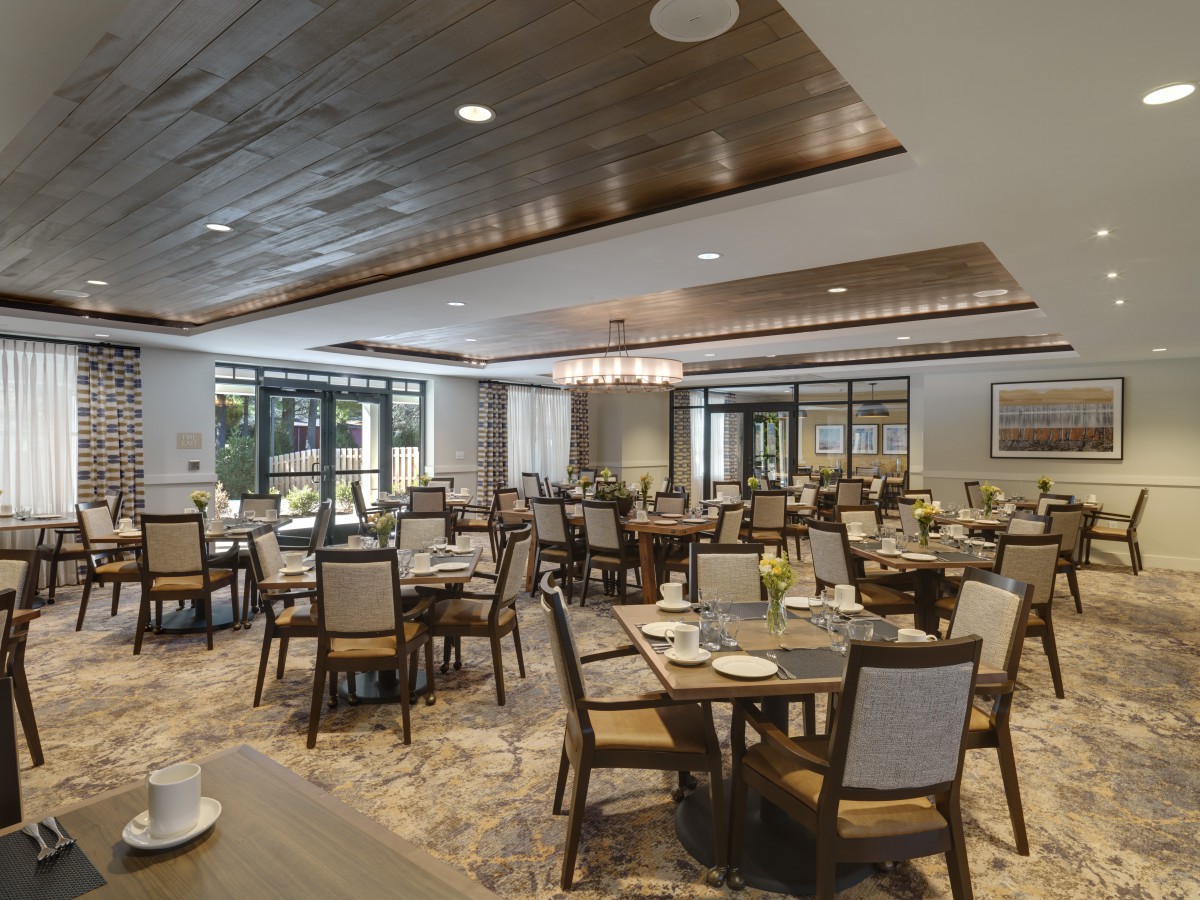
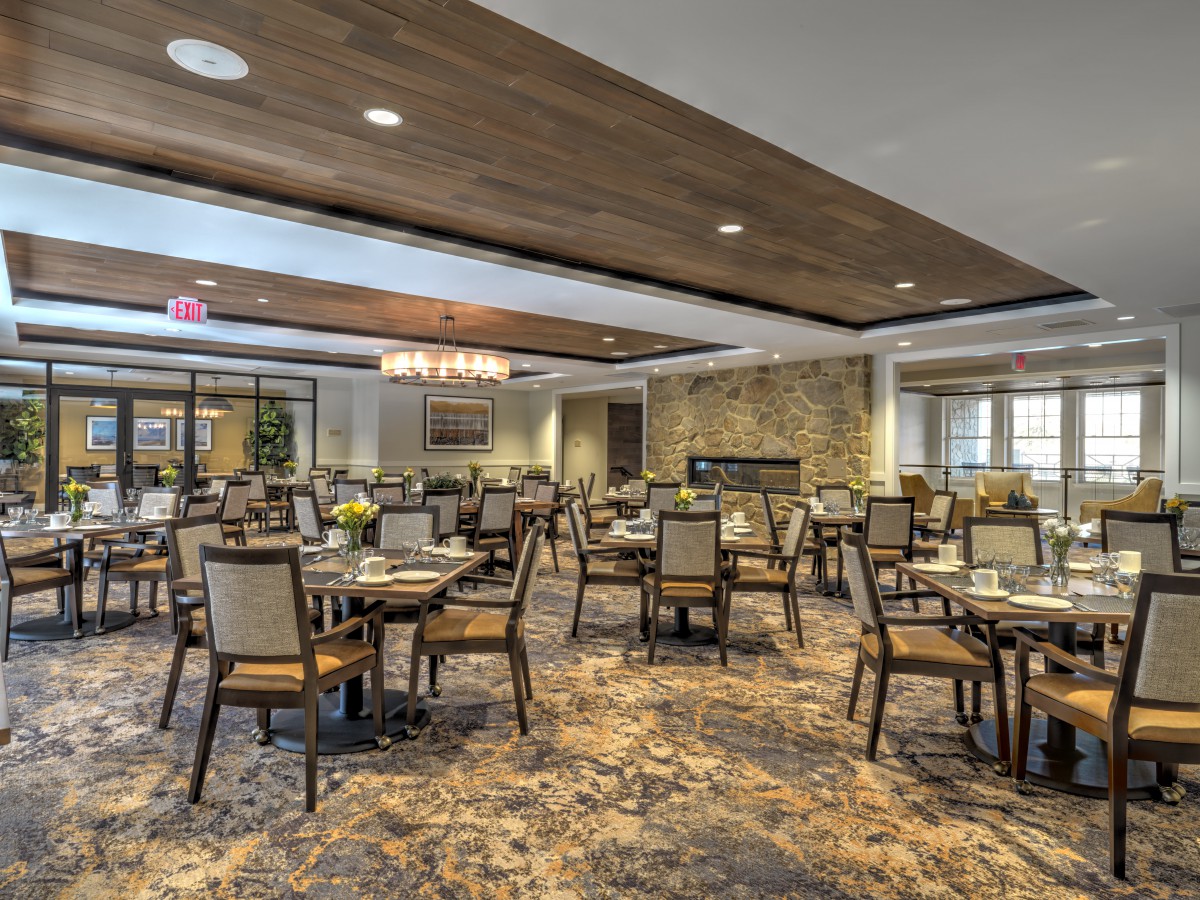
    A spacious and elegantly decorated dining area with neatly arranged tables and chairs.
  • Garden

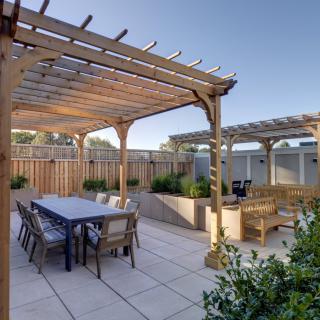
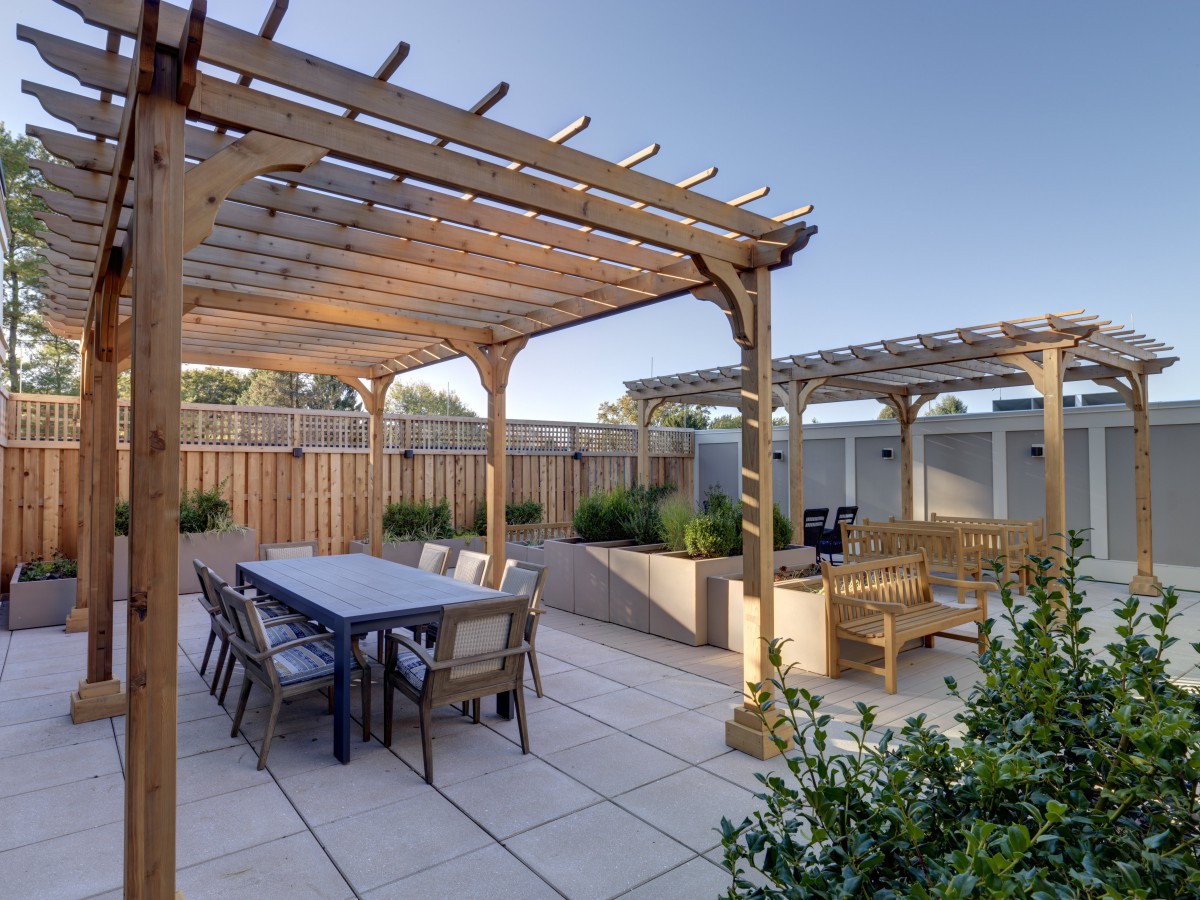
    A well-designed outdoor patio with a wooden pergola, dining furniture, and surrounding garden greenery.
  • Artwork

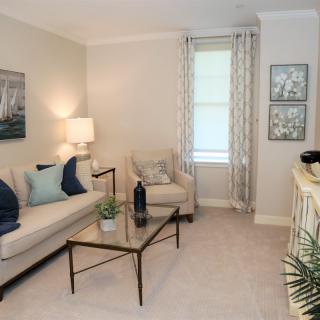
    A cozy and elegantly decorated living room featuring a sofa, coffee table, lamp, and wall art.
  • Seating Area

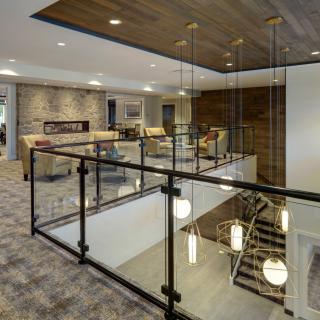
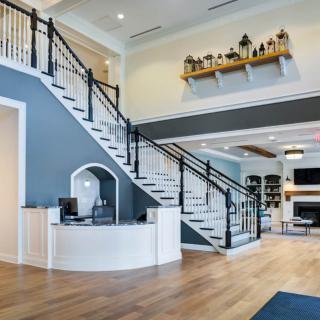
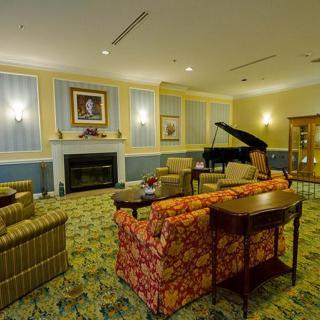
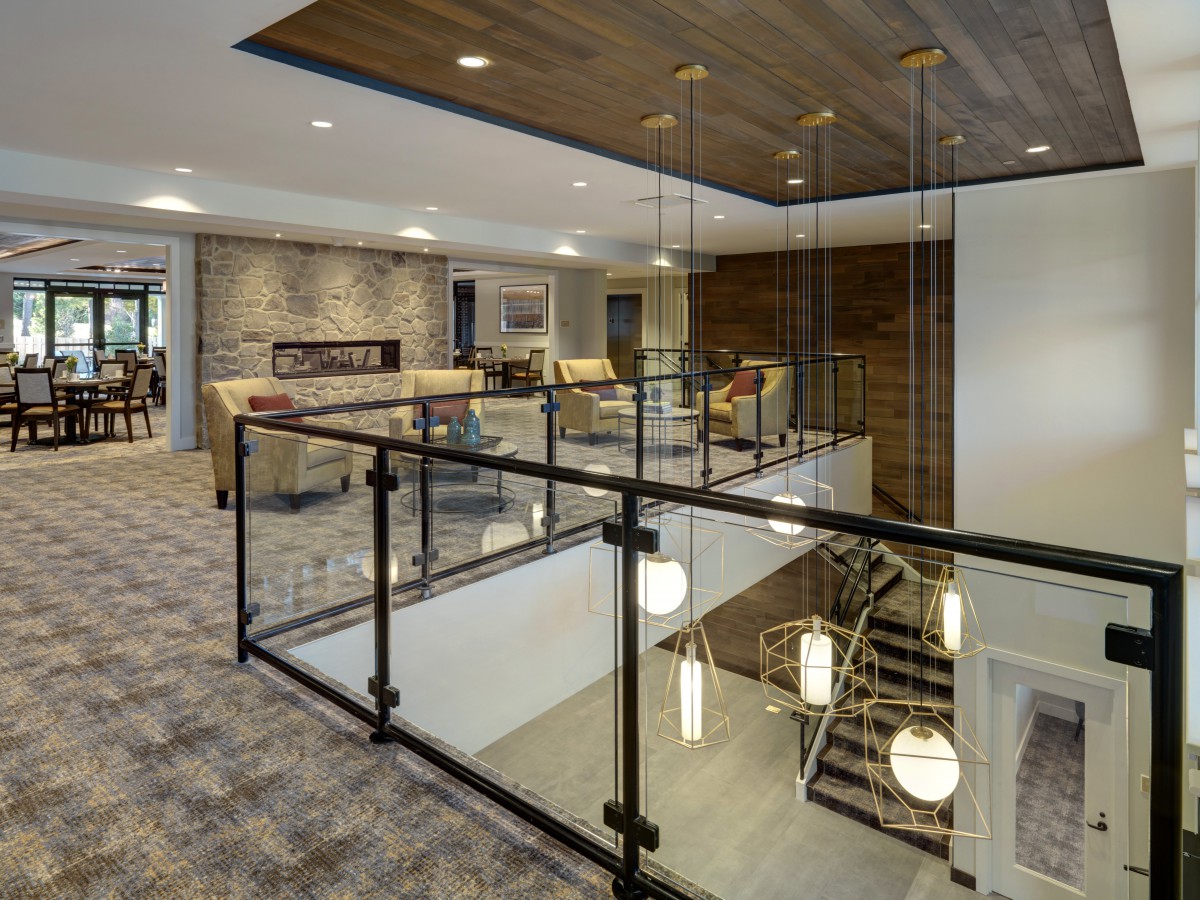
    A modern lobby features a spacious seating area with stylish lighting, carpeted floors, and wood paneling.
  • Fireplace

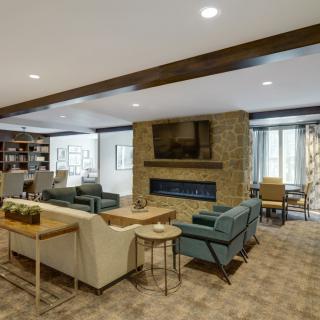
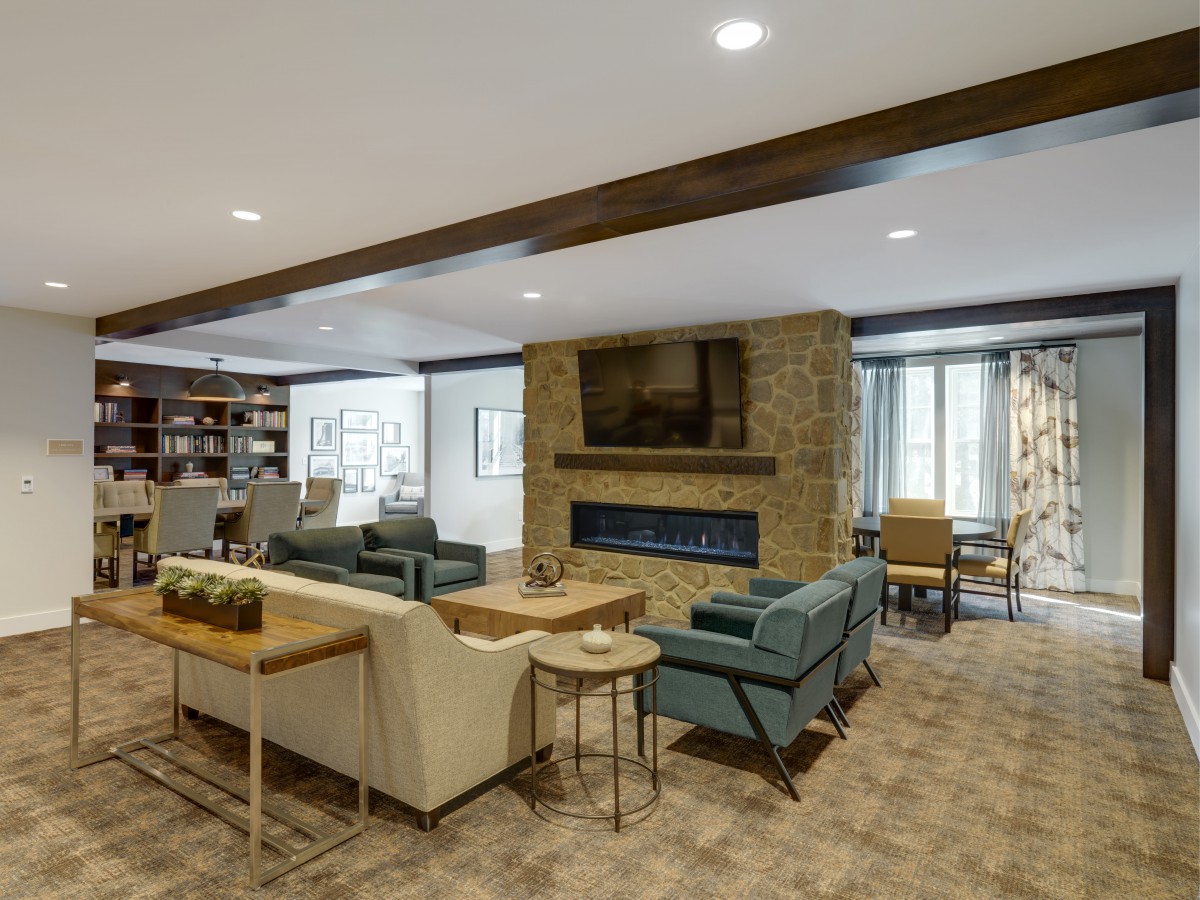
    A modern living room with comfortable seating and a stone fireplace.
  • Bathroom

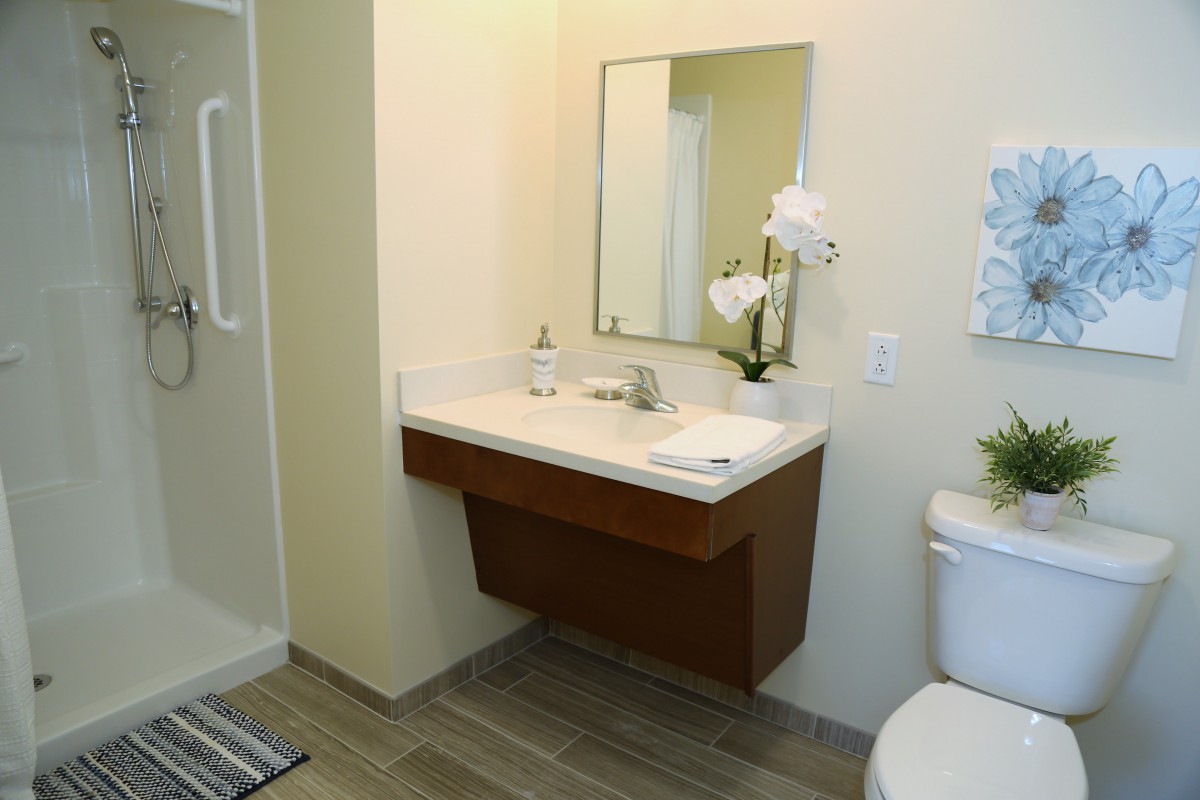
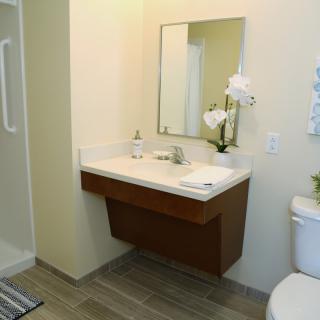
    A modern bathroom features a sleek sink with a mirror, complemented by a toilet and elegant decor.

The Residence At Chadds Ford in Glen Mills, PA

1778 Wilmington Pike, Glen Mills, PA 19342

For more information about senior living options: (844) 490-3973

4.6 from 91 reviews
5 stars
72
4 stars
8
3 stars
6
2 stars
0
1 stars
5

Assisted Living Independent Living Memory Care

The Residence At Chadds Ford Costs & Pricing

The Residence At Chadds Ford offers a range of living options that reflect the premium quality and services provided within its community. For instance, the monthly cost for a studio apartment is $3,995, which is slightly above the average in Delaware County at $3,922 and notably higher than the broader Pennsylvania state average of $3,737. One-bedroom units are priced at $4,995, surpassing both county and state averages of $4,528 and $4,006 respectively. The semi-private accommodations stand out significantly at $6,495 - well above local and state benchmarks of $4,559 and $3,542. Lastly, two-bedroom suites are offered at $7,125, which again exceeds both county ($5,084) and state ($4,242) averages. This pricing reflects not only the esteemed amenities available at The Residence At Chadds Ford but also its commitment to providing an enriched living experience for its residents.

Floor plansThe Residence At Chadds FordDelaware CountyPennsylvania
Studio$3,995$3,922$3,737
1 Bedroom$4,995$4,528$4,006
Semi-Private$6,495$4,559$3,542
2 Bedrooms$7,125$5,084$4,242

Overall Review of The Residence At Chadds Ford

Pros

  • pro The staff at The Residence at Chadds Ford are exceptionally kind, patient, and devoted.
  • pro The caregivers are truly gifted and deeply committed to their calling.
  • pro The leadership and office staff provide attentive, supportive, and professional care.
  • pro The community feels like a warm, home-like environment that fosters social engagement.
  • pro The activities program gives residents meaningful engagement and a sense of normalcy.
  • pro The dining services are outstanding, with delicious meals and attentive service.
  • pro The facility is clean, well-maintained, and inviting.
  • pro Families express gratitude and peace of mind for the care their loved ones receive.

Cons

  • pro They lied to the family about hourly checks on the residents.
  • pro There were significant staff shortages at move-in, making it a very difficult transition.
  • pro The facility is understaffed, leading to inconsistent care.
  • pro They overstate their capabilities.
  • pro The staff sometimes lacked personal warmth.
  • pro A care plan for respite/assisted living was not followed.
  • pro There was not a lot of activity going on, with limited engagement.
  • pro It was fairly expensive and the amenities weren't up to the price point.
  • pro There were leadership turnovers that affected the quality of care.
  • pro The front building sits on a major road, which was a drawback.
  • pro There were times when residents were left in the same clothes on multiple visits.

Review

The Residence at Chadds Ford is best suited for families seeking a small, home-like memory-care focused community where the caregiving team feels genuinely devoted and easy to access. It fits seniors who want a warm atmosphere, reliable daily routines, and engaging programming in a setting that feels intimate rather than institutional. The best results tend to come from residents who need ongoing support with dementia or memory-related challenges, with families who value strong relationships with staff and direct leadership engagement. Those looking primarily for a large-scale independent living campus, or for the lowest possible price, should consider alternatives.

On the positive side, the core strength of The Residence at Chadds Ford lives in its people. Families repeatedly describe a staff that is kind, patient, and deeply committed, with leadership that is present and responsive. The memory-care team is highly regarded for advocacy and consistency, and the overall atmosphere is consistently clean, welcoming, and social. The facility itself demonstrates care in its design, with open dining and plenty of inviting spaces that encourage interaction. Food quality earns frequent praise, and residents appear engaged through a robust activities program that enhances quality of life rather than merely meeting medical needs.

Yet several recurring concerns keep the decision grounded. A number of reviews highlight initial move-in challenges and ongoing questions about staffing levels and consistency. Some families report periods of turnover in leadership or nursing coverage, which can translate into uneven day-to-day care and communication gaps during transitions. There are also observations about the community skewing toward assisted living rather than a full-serve skilled-nursing or high-acuity setting, and a handful of remarks about pricing being hard to justify for certain expectations. Additionally, a few reviewers note the location on a busy road and a tighter space plan that may feel limiting for long-term memory-care needs.

These pros offset the cons in practical, concrete ways. Where staffing consistency has fluctuated, the strong institutional culture and visible leadership presence help restore trust, accountability, and a smoother flow of information to families. The memory-care program is well-regarded for personalized care, meaningful engagement, and careful nutrition - critical in dementia care - and the on-site services, including therapy, reduce unnecessary hospital visits and family burden. The intimate size of the community fosters individualized attention, while flexible dining arrangements and genuine hospitality from front-line staff mitigate some frustrations around throughput or service speed. In short, the strengths address the most impactful gaps that families actually encounter.

Alternatives deserve explicit consideration for families weighing cost, scope, and pace of care. If a resident's needs are leaning toward higher-acuity nursing, or if the budget must be tightly controlled, larger campuses with deeper nursing staffs and broader medical services may offer more reassurance and long-term predictability. For those prioritizing a quiet, sunset-to-evening routine with expansive amenities, a facility with a more expansive campus or a different location could feel more comfortable. And for families who want guaranteed, unwavering consistency in care delivery without turnover concerns, other local options with documented staffing models might be preferable.

In the end, The Residence at Chadds Ford stands out for its heartfelt care, engaged memory-programs, and a genuinely warm community that makes residents feel seen and valued. The best approach is to visit with specific questions about staffing ratios, move-in logistics, and care planning, and to request unfiltered conversations with current families about ongoing communication. Schedule a trial stay if possible, insist on a clear care plan alignment, and verify what is included in the rate versus what requires add-ons. If warmth, personal attention, and a proven memory-care framework matter most, this community warrants serious consideration - and a rigorous, on-site evaluation before any commitment.

Features

Housing

  • 20 resident community capacity 20 resident community capacity
  • 1-bedroom apartments 1-bedroom apartments1-bedroom apartments are important for seniors because they provide a sense of independence, privacy, and autonomy while still offering the necessary space for comfortable living. These apartments allow seniors to maintain their own personal space and lifestyle preferences in a supportive community setting.
  • Studio apartments Studio apartmentsStudio apartments are important for seniors because they offer a smaller, more manageable living space that is easier to navigate and maintain as physical abilities decline. Additionally, studio apartments provide seniors with independence and privacy while still being part of a community that offers support and social opportunities.

Types of Care

  • Assisted Living Assisted LivingAssisted living facilities provide crucial support and care for seniors who may need help with daily tasks such as medication management, bathing, and meal preparation. These communities offer a safe and comfortable environment where seniors can maintain their independence while receiving the assistance they need to thrive in their golden years.
  • Independent Living Independent LivingIndependent living communities are important for seniors because they offer a safe and supportive environment where older adults can live independently while still having access to amenities and services that enhance their quality of life. These communities provide social opportunities, recreational activities, and assistance with daily tasks, promoting overall well-being and allowing seniors to maintain their independence for as long as possible.
  • Memory Care Memory CareMemory care is crucial for seniors as it provides specialized support and services for individuals with dementia or Alzheimer's disease. These programs offer a safe and secure environment where residents receive personalized care, cognitive stimulation, and help with daily activities. Memory care helps seniors maintain their independence, quality of life, and dignity while also providing peace of mind for their families.

Pets

  • Cats allowed Cats allowed"Pet friendly" senior living communities are important for seniors because pets provide companionship, reduce feelings of loneliness and depression, promote physical activity and mental stimulation, and offer a sense of purpose and responsibility. Pets can improve overall well-being and quality of life for seniors in many ways.
  • Dogs allowed Dogs allowed"Pet friendly" senior living communities are important for seniors because pets provide companionship, reduce feelings of loneliness and depression, promote physical activity and mental stimulation, and offer a sense of purpose and responsibility. Pets can improve overall well-being and quality of life for seniors in many ways.

Amenities

  • Activities off-site Activities off-siteEngaging in off-site activities is crucial for seniors to maintain social connections, stay active, and stimulate their minds. It promotes overall well-being and helps combat feelings of isolation and loneliness.
  • Activities on-site Activities on-siteActivities on-site are important for seniors because they provide opportunities for socialization, mental stimulation, physical activity, and overall well-being. Engaging in activities can help seniors stay active, maintain their independence, and improve their quality of life.
  • Air-conditioning Air-conditioningAir conditioning is important for seniors as they are more vulnerable to heat-related illnesses and may have underlying health conditions that make it difficult for them to regulate their body temperature. It helps to keep them comfortable, safe, and healthy in hot weather.
  • Beautician on-site Beautician on-siteHaving a beautician on-site at a senior living community is important for seniors as it allows them to easily access grooming and personal care services, boosting their self-esteem and overall well-being. It also provides convenience and helps seniors maintain their sense of independence and personal style.
  • Beauty salon Beauty salonBeauty salons are important for seniors because they provide a space for them to feel pampered, socialize, and maintain their personal grooming and hygiene. Regular visits to a beauty salon can help boost seniors' self-esteem and overall well-being.
  • Cable or satellite TV Cable or satellite TVCable or satellite TV is important for seniors because it provides entertainment, news, and companionship, helping to combat loneliness and boredom. It also offers a wide range of programming options tailored to different interests and preferences.
  • Devotional services off-site Devotional services off-siteDevotional services off-site are important for seniors as they provide spiritual nourishment, social engagement, and a sense of community outside of the senior living facility. This can enhance overall well-being and help combat feelings of isolation and loneliness often experienced by older adults.
  • Devotional services on-site Devotional services on-siteDevotional services on-site provide seniors with spiritual support and a sense of community, as well as an opportunity for reflection and guidance during their senior living experience. This can promote emotional well-being and connection to others, leading to a more fulfilling and enriching lifestyle in their later years.
  • Dining room Dining roomDining rooms are important for seniors as they provide a space for socialization, connection, and nutritious meals. They offer opportunities for residents to bond over shared meals, foster a sense of community, and promote healthy eating habits. Dining rooms also ensure that seniors have access to well-balanced meals tailored to their dietary needs and preferences.
  • Fully furnished Fully furnishedFully furnished senior living communities are important for seniors because they provide convenience, comfort, and a hassle-free moving experience. Seniors can easily settle into their new living space without the stress of having to buy and move furniture. This allows them to focus on enjoying their new home and community.
  • Garden GardenGardens are important for seniors as they provide a peaceful and therapeutic environment for relaxation, physical activity, and socialization. Being in nature has been shown to reduce stress, improve mood, and promote overall well-being. Gardens also offer opportunities for seniors to engage in gardening activities, which can improve mobility, flexibility, and cognitive function. Additionally, gardens create a sense of community and connection with others who share a passion for plants and outdoor spaces.
  • Ground floor units Ground floor unitsGround floor units are important for seniors because they provide easy accessibility, reduced risk of falls and injuries, and convenience for those with mobility issues. Seniors can avoid climbing stairs or using elevators, making daily tasks and activities more manageable and enjoyable.
  • Handicap accessible Handicap accessible"Handicap accessible" amenities are crucial for seniors to ensure they can easily navigate and access facilities, services, and activities without barriers or limitations due to physical impairments. This promotes independence, safety, and inclusivity for seniors in senior living communities.
  • Housekeeping services Housekeeping servicesHousekeeping services are important for seniors because they help maintain a clean and safe living environment, promote independence, and reduce the risk of accidents or illnesses. Additionally, having assistance with household chores can alleviate physical strain and allow seniors to focus on other aspects of their well-being.
  • Indoor common areas Indoor common areasIndoor common areas are crucial for seniors as they provide a space for socialization, recreation, and community engagement, promoting overall well-being and reducing feelings of isolation and loneliness.
  • Kitchenette KitchenetteKitchenettes are important for seniors living in senior living communities because they provide the convenience and independence of being able to prepare simple meals and snacks in the comfort of their own living space. This can help promote a sense of autonomy and well-being for seniors, allowing them to maintain some level of control over their dietary choices and daily routines.
  • Move-in coordination Move-in coordinationMove-in coordination is important for seniors because it helps ease the transition into their new living environment. It ensures that all logistics, such as packing, organizing movers, and setting up utilities are taken care of, allowing seniors to focus on settling in and adjusting to their new home. Having a smooth move-in process can alleviate stress and anxiety, making the transition smoother and more enjoyable for seniors.
  • Outdoor common areas Outdoor common areasOutdoor common areas are important for seniors as they provide a space for socialization, physical activity, and relaxation. Being outside in nature can improve mood and overall well-being, while also encouraging movement and engagement with others. These spaces can help combat feelings of isolation and promote a sense of community among residents.
  • Outdoor space Outdoor spaceOutdoor spaces are important for seniors as they provide opportunities for physical activity, social interaction, exposure to natural light and fresh air, and a sense of connection to nature. Having access to outdoor spaces can improve overall well-being and quality of life for older adults living in senior communities.
  • Respite or short term stays offered Respite or short term stays offeredRespite or short term stays provide seniors with a temporary solution when their regular caregiver is unavailable, offering them the opportunity to receive additional care and support during times of need, while also giving caregivers a chance to rest and recharge.
  • Telephone TelephoneTelephones are important for seniors as they provide a lifeline for communication with loved ones, emergency services, and healthcare providers. They offer a sense of security and independence, enabling seniors to stay connected and access assistance when needed.
  • Wheelchair accessible showers Wheelchair accessible showersWheelchair accessible showers are crucial for seniors as they provide a safe and independent bathing option for those with mobility challenges. These showers help prevent falls and allow seniors to maintain their dignity and autonomy while ensuring they can bathe comfortably.
  • Wi-Fi/high-speed internet available Wi-Fi/high-speed internet availableWi-Fi/high-speed internet is important for seniors to stay connected with loved ones, access online resources, and participate in virtual activities to combat feelings of loneliness and isolation. It also allows them to easily manage healthcare needs, access entertainment, and engage in lifelong learning opportunities.

Transportation

  • New Castle County (14 miles away) New Castle County (14 miles away)
  • Philadelphia International (16 miles away) Philadelphia International (16 miles away)

Care Services

  • 24-hour call system 24-hour call system24-hour call systems are important for seniors because they provide peace of mind and immediate assistance in case of emergencies. This technology ensures that help is always available, promoting safety and security for elderly individuals living alone or in assisted living facilities.
  • 24-hour supervision 24-hour supervision24-hour supervision is important for seniors to ensure their safety, well-being, and access to immediate assistance in case of emergencies or health issues. This constant support provides peace of mind for both seniors and their loved ones, allowing them to age in place with dignity and security.
  • Activities of daily living assistance Activities of daily living assistanceActivities of daily living assistance are important for seniors because they provide essential support with tasks such as eating, bathing, dressing, and mobility. This assistance helps seniors maintain their independence, dignity, and overall quality of life as they age.
  • Ambulatory care Ambulatory care"Ambulatory care services provide essential medical support and treatment to seniors without requiring hospitalization, allowing them to maintain their independence and quality of life while managing chronic conditions or receiving routine medical care."
  • Assistance with bathing Assistance with bathingAssistance with bathing is crucial for seniors as it helps maintain personal hygiene, prevents infections, and ensures their overall well-being and comfort. It also provides a sense of dignity and independence for seniors who may struggle with this task on their own.
  • Assistance with dressing Assistance with dressingAssistance with dressing is important for seniors because it helps maintain their independence, promotes personal hygiene, prevents accidents and injuries, and improves overall quality of life. This service ensures that seniors can continue to dress comfortably and confidently, despite any physical limitations they may have.
  • Assistance with transfers Assistance with transfersAssistance with transfers is crucial for seniors as it helps prevent falls and injuries, maintains their independence, and ensures they can safely navigate their living environment. It also provides peace of mind for both seniors and their loved ones.
  • Coordination with health care providers Coordination with health care providersCoordination with health care providers is crucial for seniors to ensure proper medical care, medication management, and overall well-being. This collaboration helps prevent overlapping treatments, track progress more effectively, and provide comprehensive support tailored to individual needs.
  • Dementia waiver Dementia waiverDementia waivers are essential for seniors as they provide critical protections and accommodations for those experiencing cognitive decline. These waivers ensure individuals with dementia receive appropriate care, support, and resources to maintain their quality of life and dignity as they navigate the challenges of this progressive condition.
  • Diabetes diet Diabetes dietA diabetes diet is crucial for seniors as it helps manage blood sugar levels, reduce risks of complications, and improve overall health and well-being. By following a balanced and nutritious diet tailored to their specific needs, seniors can better control their diabetes and enhance their quality of life.
  • Diabetic care Diabetic careDiabetic care is crucial for seniors as they are more susceptible to developing diabetes due to aging and other health conditions. Proper management of diabetes can help prevent complications such as heart disease, vision loss, and nerve damage, improving the overall quality of life for seniors in senior living communities.
  • High acuity care High acuity careHigh acuity care is important for seniors because it provides specialized medical attention and support for individuals with complex medical needs. This level of care ensures that seniors receive the appropriate treatment and assistance to maintain their health and quality of life as they age.
  • Hospice waiver Hospice waiverHospice waivers are important for seniors because they allow individuals to receive specialized end-of-life care and support at home or in a hospice facility. This waiver ensures that seniors can access the necessary resources and services to maintain comfort and dignity during their final days.
  • Incontinence care Incontinence careIncontinence care is essential for seniors to maintain their dignity, hygiene, and overall quality of life. By addressing incontinence issues promptly and effectively, seniors can enjoy a sense of independence and comfort in their daily activities.
  • Meal preparation and service Meal preparation and serviceMeal preparation and service are crucial for seniors as they may have limited mobility or energy to cook nutritious meals. Having access to healthy and convenient food options can ensure they are getting the proper nutrition needed to maintain their overall health and well-being.
  • Medication management Medication managementMedication management is crucial for seniors to ensure they are taking the right medications at the correct dosages and times. This helps prevent adverse drug interactions, reduces the risk of medication errors, and promotes overall health and well-being. Proactive management also allows for adjustments as needed based on changing health conditions or new prescriptions.
  • Mental wellness program Mental wellness programMental wellness programs are essential for seniors as they promote cognitive stimulation, emotional support, and social engagement. These programs help prevent isolation, depression, and cognitive decline, ultimately enhancing the overall quality of life for older adults.
  • Mild cognitive impairment Mild cognitive impairment"Mild cognitive impairment" is important for seniors because it is an early stage of cognitive decline that can potentially progress to more severe conditions such as dementia. Recognizing and addressing mild cognitive impairment can help seniors receive appropriate care and support to maintain their quality of life and independence for as long as possible.
  • Special dietary restrictions Special dietary restrictionsSpecial dietary restrictions are important for seniors because age-related changes in metabolism and health conditions can make it difficult for their bodies to process certain foods. By following a diet tailored to their specific needs, seniors can maintain their overall health and well-being, manage chronic conditions, and reduce the risk of complications such as malnutrition or food interactions with medications.
  • Specialized memory care programming Specialized memory care programmingSpecialized memory care programming is crucial for seniors with cognitive impairments such as dementia or Alzheimer's disease. These programs provide a safe and supportive environment tailored to the unique needs of individuals with memory loss, helping them maintain their independence, dignity, and quality of life.
  • Transportation arrangement (medical) Transportation arrangement (medical)Transportation arrangements for medical purposes are essential for seniors as they may have difficulty driving themselves to appointments or accessing public transportation. Having reliable and safe transportation options ensures that seniors can receive timely medical care and maintain their health and well-being.
  • Transportation to doctors appointments Transportation to doctors appointmentsTransportation to doctors' appointments is crucial for seniors as it ensures they have access to necessary medical care and support for their health needs. Without reliable transportation, seniors may struggle to attend important appointments, leading to potential delays in treatment and health complications. Providing transportation services helps seniors maintain their overall well-being and quality of life.

Dining

  • Anytime dining Anytime diningAnytime dining is important for seniors because it allows them the flexibility to eat when they are hungry, rather than being restricted to set meal times. This can be especially beneficial for those with medical conditions or medications that affect their appetite, as well as those who may have difficulty adhering to a strict dining schedule. Overall, anytime dining promotes independence and overall well-being for seniors in senior living communities.
  • Diabetes diet Diabetes dietA diabetes diet is crucial for seniors as it helps manage blood sugar levels, reduce risks of complications, and improve overall health and well-being. By following a balanced and nutritious diet tailored to their specific needs, seniors can better control their diabetes and enhance their quality of life.
  • Guest meals Guest mealsGuest meals are important for seniors living in senior living communities because they provide an opportunity for socialization and companionship. Sharing a meal with friends, family, or new acquaintances can help combat feelings of loneliness and isolation, promote a sense of community, and enhance overall well-being. Additionally, guest meals allow seniors to enjoy delicious food in a comfortable setting without the hassle of cooking or cleaning up, making dining a pleasurable and stress-free experience.
  • International cuisine International cuisineInternational cuisine is important for seniors because it offers a variety of flavors, ingredients, and cultural experiences that can help keep their meals interesting and enjoyable. Trying new dishes can also stimulate the senses and provide different nutrients that contribute to overall health and well-being. Additionally, exploring international cuisine can bring back fond memories of travels or childhood experiences, making mealtime more nostalgic and fulfilling for seniors.
  • Low / no sodium Low / no sodiumLow/no sodium options are important for seniors because excessive sodium intake can lead to high blood pressure, heart disease, and other health issues commonly experienced by older adults. By choosing low/no sodium foods, seniors can better manage their health and reduce their risk of developing these conditions.
  • Meals provided Meals provided"Meals provided" are crucial for seniors in assisted living communities as it ensures they have access to nutritious, balanced meals without the stress of meal planning and preparation. This can help promote overall health and well-being for seniors who may have limited mobility or cognitive abilities.
  • No Sugar No SugarNo sugar diets are important for seniors because they can help prevent or manage chronic conditions such as diabetes, heart disease, and obesity. Sugar can also contribute to cognitive decline and inflammation in the body, so reducing sugar intake can lead to overall improved health and well-being in older adults.
  • Professional chef Professional chefProfessional chefs are important for seniors living in senior living communities because they provide nutritious and delicious meals that cater to their dietary needs and preferences. A professional chef can ensure that seniors are receiving balanced, flavorful meals that support their overall health and well-being.
  • Restaurant style dining Restaurant style diningRestaurant style dining is important for seniors as it offers them a social and enjoyable dining experience, promotes healthy eating habits, and provides personalized menu options to cater to their dietary needs and preferences. This type of dining setting can enhance their overall quality of life and create a sense of community within the senior living facility.
  • Room service Room serviceRoom service is important for seniors in a senior living community because it provides convenience and allows them to have their meals delivered directly to their room. This can be especially beneficial for seniors who may have mobility issues or difficulty accessing the dining area. Room service ensures that seniors are able to receive nutritious meals without having to navigate through the facility, allowing them to maintain their independence and overall well-being.
  • Special dietary restrictions Special dietary restrictionsSpecial dietary restrictions are important for seniors because age-related changes in metabolism and health conditions can make it difficult for their bodies to process certain foods. By following a diet tailored to their specific needs, seniors can maintain their overall health and well-being, manage chronic conditions, and reduce the risk of complications such as malnutrition or food interactions with medications.
  • Special dining programs Special dining programsSpecial dining programs are important for seniors because they provide nutritious meals tailored to their dietary needs and preferences. These programs also offer socialization opportunities, promote overall health and well-being, and can help prevent malnutrition.
  • Vegan VeganVegan diets can provide numerous health benefits for seniors, including lower risk of chronic diseases, improved digestion, and increased energy levels. Additionally, plant-based diets are often rich in essential nutrients that can support overall well-being and longevity in older adults.
  • Vegetarian VegetarianA vegetarian diet is important for seniors because it can help lower the risk of chronic diseases, maintain a healthy weight, and provide essential nutrients needed for aging bodies. Additionally, plant-based diets are often easier on digestive systems and can contribute to overall well-being in older adults.

Activities

  • Art classes Art classesArt classes are important for seniors because they provide a creative outlet, improve cognitive function, reduce stress and anxiety, promote socialization, and enhance overall well-being and quality of life.
  • Catholic services Catholic servicesCatholic services are important for seniors because they provide spiritual support, a sense of community, and opportunities for social interaction that can enhance overall well-being and quality of life in their later years.
  • Community-sponsored activities Community-sponsored activitiesCommunity-sponsored activities are important for seniors as they provide opportunities for social interaction, mental stimulation, and physical activity. These activities can help improve overall well-being, combat loneliness and isolation, and promote a sense of belonging and purpose among older adults.
  • Cooking classes Cooking classesCooking classes are important for seniors as they provide opportunities for social interaction, enhance cognitive skills, promote healthy eating habits, and boost confidence in the kitchen.
  • Devotional activities offsite Devotional activities offsiteDevotional activities offsite are important for seniors because they provide social engagement, spiritual growth, and a sense of community outside of their living environment. This can improve overall well-being, mental health, and combat feelings of isolation or loneliness.
  • Devotional activities on-site Devotional activities on-siteDevotional activities on-site provide seniors with a sense of community, spiritual fulfillment, and emotional support, promoting overall well-being and a positive sense of purpose in their lives.
  • Educational speakers / life long learning Educational speakers / life long learningEducational speakers and lifelong learning opportunities are crucial for seniors as they provide mental stimulation, promote social engagement, and contribute to overall well-being. Continuous learning helps seniors stay mentally sharp, build new skills, and maintain a sense of purpose and fulfillment in their lives. It also allows them to stay connected to the world around them and fosters a sense of community within senior living facilities.
  • Jewish services Jewish servicesJewish services are important for seniors as they provide a sense of community, spiritual support, and connection to their heritage and traditions. These services help enhance overall well-being and quality of life for older adults in senior living settings.
  • Mormon/LDS services Mormon/LDS servicesMormon/LDS services are important for seniors as they provide a sense of community, spiritual support, and connection to their faith during their later years. These services offer opportunities for socialization, worship, and guidance in navigating the challenges of aging.
  • Other religious services Other religious servicesOther religious services are important for seniors as they provide a sense of community, spiritual comfort, and opportunities for socializing. These services can help seniors feel connected to their faith and maintain a sense of purpose and belonging in their later years.
  • Protestant services Protestant servicesProtestant services are important for seniors because they provide spiritual nourishment, community support, and a sense of belonging. These services can help seniors connect with others who share their faith, find comfort and guidance in times of need, and maintain a sense of purpose and fulfillment in their later years.
  • Resident-run activities Resident-run activitiesResident-run activities are important for seniors as they encourage social interaction, creativity, and a sense of autonomy. These activities empower seniors to stay engaged and active in their community while fostering meaningful connections with their peers.
  • Scheduled daily activities Scheduled daily activitiesScheduled daily activities are important for seniors because they provide structure, socialization, mental stimulation, and physical activity. Engaging in regular activities can improve overall well-being and quality of life for seniors living in a community setting.
  • Visiting Rabbi Visiting Rabbi"Visiting rabbis provide spiritual and emotional support to seniors in assisted living communities, helping them connect with their faith, find comfort in times of need, and maintain a sense of community and belonging."
  • Visiting chaplain or priest Visiting chaplain or priestHaving a visiting chaplain or priest at a senior living community is important for seniors because it provides spiritual support, comfort, and guidance during a time of life that can be challenging and uncertain. Their presence can help seniors feel connected to their faith, find peace of mind, and cope with the emotional and mental struggles they may face in their later years.

Description

The Residence At Chadds Ford in Glen Mills, PA is a vibrant assisted living community offering comfortable studio apartments for seniors. With a focus on independent living and specialized memory care, this community provides a range of amenities and care services to cater to the unique needs of each resident.

Residents at The Residence At Chadds Ford can enjoy various activities within the community, including on-site activities and access to a garden. The presence of a beauty salon and beautician on-site ensures that residents can easily maintain their appearance and indulge in some pampering. Additionally, there are indoor common areas where residents can socialize with fellow residents.

Each studio apartment is fully furnished and equipped with air-conditioning, cable or satellite TV, telephone, Wi-Fi/high-speed internet, and also features a kitchenette for added convenience. The ground floor units are designed to be handicap accessible and have wheelchair accessible showers.

Care services provided at this assisted living community include 24-hour supervision, assistance with activities of daily living (such as bathing and dressing), coordination with health care providers, medication management, meal preparation and service (including special dietary restrictions), as well as transportation arrangements for medical appointments.

Dining at The Residence At Chadds Ford offers an array of culinary options to suit different preferences. Residents can enjoy meals prepared by professional chefs in a restaurant style dining setting. Special dietary restrictions such as diabetes diet, low/no sodium, vegan or vegetarian options are also catered to. Room service is available for those who prefer dining in the comfort of their own apartments.

In terms of activities, this community offers a diverse range of options. Residents can participate in community-sponsored activities and scheduled daily activities within the premises. There are also opportunities for devotional activities offsite or on-site for different religious preferences. Educational speakers/life long learning sessions provide intellectual stimulation while resident-run activities encourage camaraderie among peers.

The Residence At Chadds Ford benefits from its convenient location near various amenities. There are cafes, parks, pharmacies, physicians, restaurants, and theaters all nearby, allowing residents to easily access a wide range of services and entertainment options.

Overall, The Residence At Chadds Ford provides a comprehensive assisted living experience with its comfortable accommodations, extensive care services, diverse dining options, engaging activities, and convenient location.

Nearby Places of Interest

Located in Glen Mills, Pennsylvania, this neighborhood offers a convenient and diverse array of amenities suitable for senior living. Within close proximity, you will find several pharmacies including Wegmans, Walgreens, and CVS Pharmacy for easy access to medication and healthcare needs. In terms of dining options, there are popular choices such as Chick-Fil-A, Freddy's Frozen Custard, and Terrain at Styer's. For outdoor activities, residents can enjoy nearby parks like Goose Creek Park and Alapocas Woods Park. Additionally, there are reputable healthcare facilities such as Christiana Care and Foulkstone Christiana Care in the vicinity. Overall, this area provides a balanced mix of resources and services to support a comfortable and fulfilling lifestyle for seniors.

Pharmacies

  • Wegmans (0.3 miles)
  • Walgreens (1.6 miles)
  • CVS Pharmacy (2.3 miles)
  • Walgreens (3.7 miles)
  • CVS Pharmacy (3.7 miles)
  • Rite Aid (4.1 miles)
  • Walgreens (4.1 miles)

Theaters

  • AMC DINE-IN Painters Crossing 9 (0.8 miles)
  • Regal Brandywine Town Center (2.7 miles)

Restaurants

  • Chick-Fil-A (0.8 miles)
  • Terrain at Styer's (1.1 miles)
  • Freddy's Frozen Custard (2.6 miles)
  • Taco Bell (4.5 miles)
  • McDonald's (5.3 miles)
  • McDonald's (5.3 miles)
  • Levante Brewing Company (5.8 miles)

Cafes

  • Styer's Garden Cafe (1.1 miles)
  • Starbucks (4.2 miles)
  • Panera Bread (5.5 miles)
  • Gemelli - Artisanal Gelato & Dessert Cafe (6.8 miles)
  • Starbucks (6.9 miles)
  • Giant Cafe (7.4 miles)

Physicians

  • Pulmonary Consultants (1.3 miles)
  • Christiana Care: Concord Medicine And Pediatrics (1.8 miles)
  • Brandywine Hundred Family Medicine (4.2 miles)
  • Foulkstone Christiana Care (5 miles)
  • Penn Internal Medicine (5.3 miles)
  • AI Dupont Outpatient Cardiac Center (6.4 miles)
  • Richard J. Schmidt, MD (6.4 miles)

Parks

  • Goose Creek Park (4.1 miles)
  • Talley Day Park (5.5 miles)
  • Shipley Heights Park (6.2 miles)
  • Alapocas Woods Park (6.9 miles)
  • Ridley Creek State Park (6.9 miles)
  • Brandywine Creek State Park (7 miles)
  • Marshall Square Park (7.2 miles)

Hospitals

  • Riddle Hospital (6.7 miles)
  • Family Lounge (7.4 miles)
  • Chester County Hospital (7.5 miles)
  • St Francis Hospital (8.5 miles)
  • Wilmington VA Medical Center (9.7 miles)

Places of Worship

  • Willistown United Methodist Church (6.9 miles)

Transportation

  • Joseph R. Biden Jr. Railroad Station (WIL) (9.3 miles)

Frequently Asked Questions

How much does it cost to live at The Residence At Chadds Ford in Glen Mills, PA?
What floor plans and room types does The Residence At Chadds Ford offer?
Where is The Residence At Chadds Ford?
Does The Residence At Chadds Ford provide care for residents with dementia or Alzheimer's disease?
Does The Residence At Chadds Ford allow residents to have pets?
What photos are available for The Residence At Chadds Ford in Glen Mills, Pennsylvania?

Nearby Communities

  • Maris Grove

    Maris Grove

    Glen Mills, PA

    4 from 37 reviews
     

    pro Warm, inviting staff with clean, upscale amenities and engaging activities.
  • Comfort Keepers

    Comfort Keepers

    Chadds Ford, PA

    4.4 from 21 reviews
     

    pro Compassionate, reliable caregivers and responsive office staff.

  • Fox Hill Farm

    Fox Hill Farm

    Glen Mills, PA

    4.2 from 25 reviews
     

    pro Personalized care (medication management and dressing assistance) with meal prep and reliable Wi?Fi.

  • Ivy Creek Gracious Retirement Living

    Ivy Creek Gracious Retirement Living

    Glen Mills, PA

    4.5 from 84 reviews
    $2,685 to $4,675 / month

    pro Beautiful, clean facility with a welcoming atmosphere, engaging activities, and attentive staff.

  • HomeCare Instead

    HomeCare Instead

    Chaddsford, PA

    5 from 5 reviews
     

    pro Close to multiple amenities (cafes, pharmacies, physicians, restaurants, and theaters).

  • Brinton Manor Nursing And Rehabilitation Center

    Brinton Manor Nursing And Rehabilitation Center

    Glen Mills, PA

    4.1 from 109 reviews
    $6,480 to $7,680 / month

    pro Outdoor sitting area and regular activities promote resident interaction.

  • Naamans Creek Country Manor

    Naamans Creek Country Manor

    Garnet Valley, PA

    3.7 from 51 reviews
    $3,156 / month

    pro Caring staff, clean, homey atmosphere, and engaging social activities.

  • Merrill Gardens At Glen Mills

    Merrill Gardens At Glen Mills

    Glen Mills, PA

    4.4 from 111 reviews
    $2,600 to $6,500 / month

    pro Friendly staff and a vibrant, engaging community with diverse dining options.

  • Shipley Living

    Shipley Living

    Wilmington, DE

    4.5 from 115 reviews
    $3,050 to $3,150 / month

    pro Warm, attentive staff creating a welcoming, family-like atmosphere.

Related Resources

  • caregiver support group22 Remarkable Caregiver Support Groups Available Online and In-Person

    Caregiver support groups are crucial for providing emotional and practical assistance to those caring for loved ones, offering resources, coping strategies, and a sense of community through various organizations and platforms. These groups help alleviate isolation and burnout while addressing the unique challenges faced by caregivers of individuals with specific conditions.

  • does medicaid pay for assisted livingUnderstanding Medicaid Coverage for Assisted Living: A Comprehensive Guide

    The guide outlines the complexities of Medicaid coverage for assisted living, highlighting significant state-to-state variations, limited coverage often restricted to personal care services, and the existence of specialized waivers for certain needs like memory care. It advises families to consult local Medicaid offices for options while emphasizing the importance of understanding state-specific regulations and facility policies.

  • does medicaid pay for assisted livingHow and When Medicaid May Cover Assisted Living Costs
    Medicaid coverage for assisted living varies by state and is primarily available to low-income individuals, with eligibility dependent on strict income and asset limits. Some states offer HCBS waivers for specific services in assisted living, but families must generally cover room and board costs, and should verify facility acceptance of Medicaid while considering potential waiting lists.