227 West 22nd Street, Erie, PA 16502
For more information about senior living options: (866) 208-4318
Overall Review of Sarah Reed Senior Living
Pros
 The Admissions Coordinator acted promptly to ensure the transfer would go smoothly without issues.
- At Sarah Reed, the care provided met and even exceeded the care received in the hospital.
- All necessary medications and supplies for discharge were ready and waiting at home.
- Sarah Reed arranged follow-up attention with visiting nurses and therapists to monitor progress at home.
- The staff at Sarah Reed are exemplary, attentive, and dedicated.
- The organization has long-tenured, caring, and friendly employees.
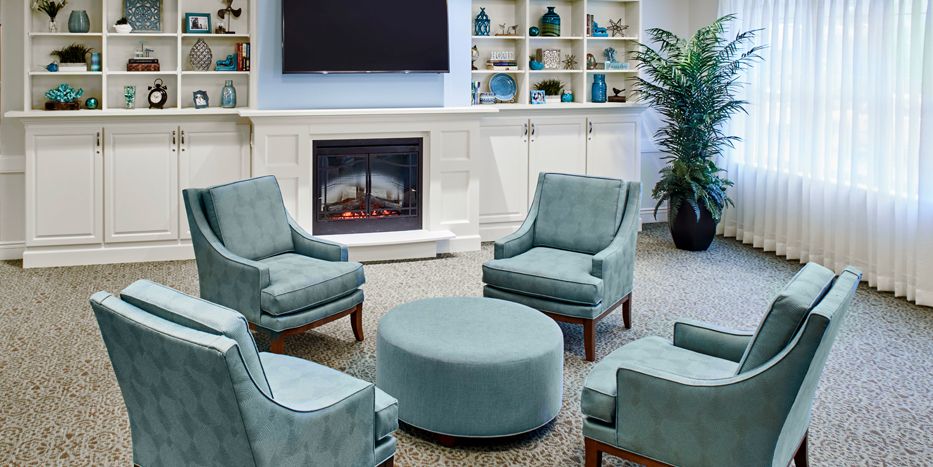
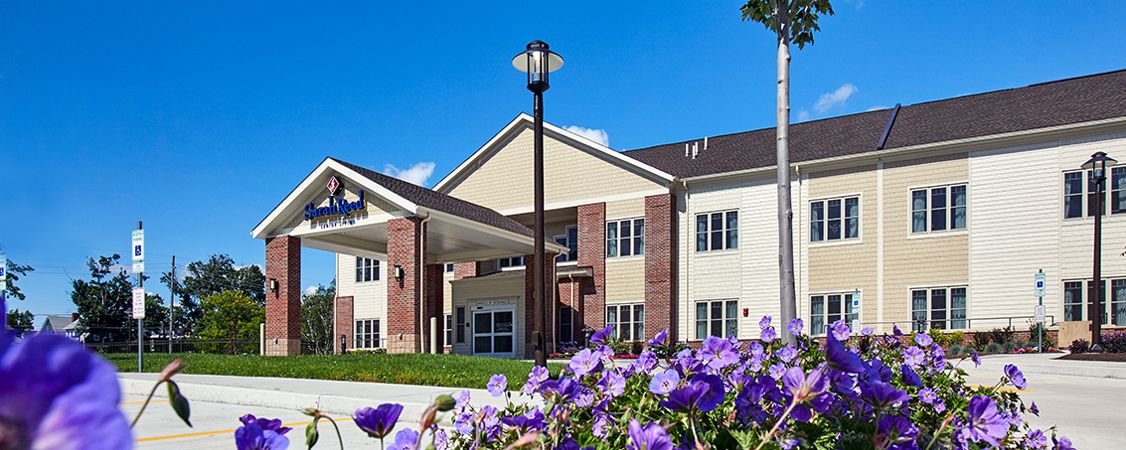
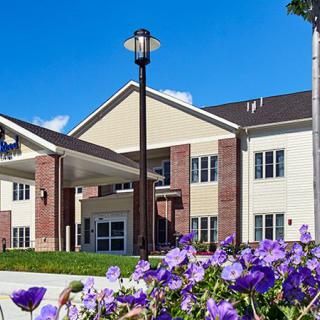
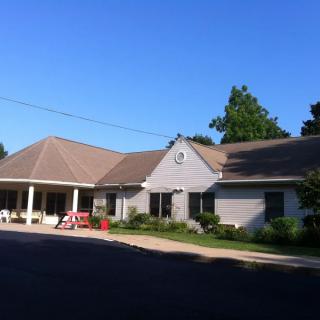
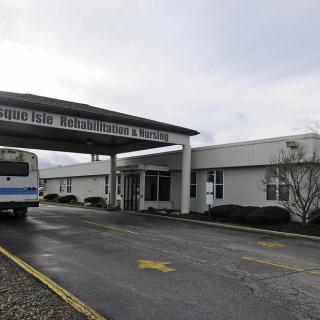
- The facilities are clean and well maintained, with well-kept grounds.
- Dining experiences are pleasant, with fresh, made-to-order meals.
- There are numerous activities for residents, including music, games, and social events.
- Families are kept informed with regular updates and responsive communication.
- The center is up-to-date with technology and medical treatments, providing quality care.
Cons
 The facility was described as very old (about 100 years) with smaller showers and bathrooms that no longer fit today’s needs.
- One reviewer felt there was little interaction with staff and that it wasn’t a good fit for their family member, leaving them to feel the process was just going through the motions.
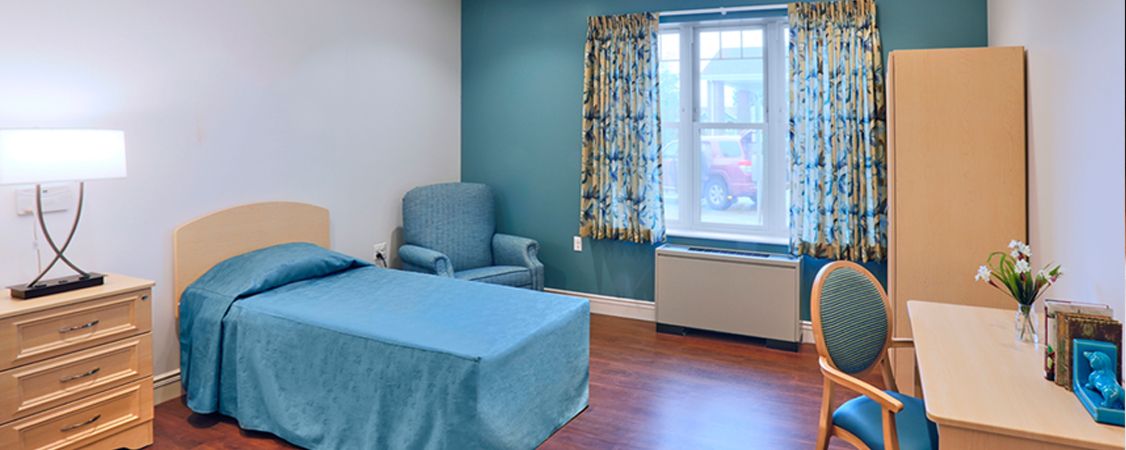
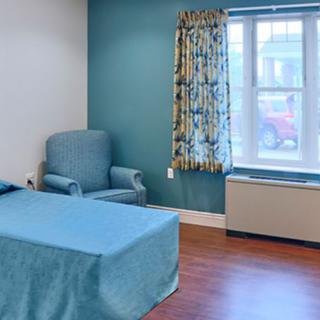
- Some rooms were described as just a room, lacking more spacious living areas.
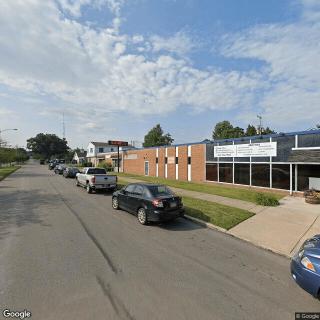
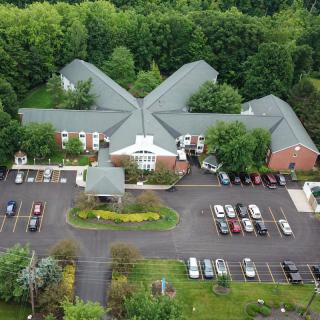
- There is very limited parking for residents who are able to drive.
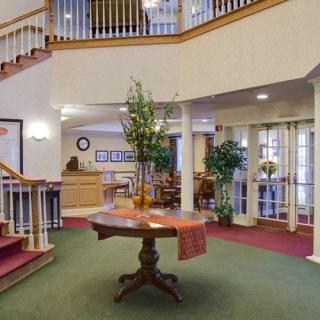
- The receptionist being hidden behind a glass window and not directly at the entrance could allow a resident to walk out without being noticed.
Review
Sarah Reed Senior Living in Erie is best suited for families confronting the realities of a hospital-to-home transition, where a senior needs ongoing medical oversight and therapy but also values a warm, person-centered community. It serves well those who want to maintain independence where possible while having reliable support for daily living, clinical needs, and coordinated follow-up after discharge. The community shines when the goal is seamless handoffs to home health, timely medication readiness, and a stable team that knows residents by name and history, not just room numbers.
The core strengths are unmistakable. A large portion of the staff has long tenures, tenures that translate into familiarity, consistency, and a culture of continuity. The facility itself is clean and well kept, with pleasant outdoor space and a dining experience that many residents and families describe as enjoyable and reliable. Residents benefit from a broad activity calendar, music, church services, cards, and social programs, that keeps people engaged rather than siloed in rooms. The care model supports a spectrum of needs, from independent living through dementia care, with a built-in pathway for escalating to higher levels of service when cognition or mobility changes.
Yet the campus is clearly aging in design, and that reality matters for some families. Several reviews describe an older building footprint with smaller showers and bathrooms, a layout that may feel dated or impractical for those who require larger, more accessible spaces. Parking can be limited, which complicates visits for families and caregivers who rely on driving, and the physical environment may not meet everyone’s aesthetic or functional expectations. A few households noted that staff engagement can vary by situation or encounter; while most days bring warmth and proactive communication, a few families experienced less proactive outreach or missed opportunities to nudge participation in activities.
Those pros offset the cons in meaningful, practical ways. The immediate win is the hospital-to-home pipeline: admissions staff mobilize quickly, discharge readiness is coordinated, and medications plus supplies arrive in time for seamless transitions. Long-tenured care teams translate into reliable daily oversight, with nurses and aides who understand patterns, preferences, and warning signs, reducing anxiety for families. The continuum of care is a clear advantage, independence today, with a well-defined plan for escalation to more intensive nursing or memory-care services as needs evolve. Family communication is robust, with regular updates and accessible staff who answer questions and respond to concerns, which reduces the burden on primary caregivers.
From a decision-making perspective, the community’s strengths align with priorities that matter most to many families: dependable clinical support, an active schedule, and a warmth that comes from staff who remember residents’ stories. It is equally important to acknowledge that the older physical plant may not suit every preference, and some families will weigh that against the comfort of known staff and predictable routines. For those who prioritize the most modern amenities or want plentiful parking and ultra-spacious rooms, alternatives may offer a better fit. Yet for families seeking a practical blend of dependable medical coordination, engaging activities, and a caring, stable staff, Sarah Reed delivers clear value.
The bottom line is practical and decisive. If the goal is a community where hospital discharges are smoothly managed, medications and follow-up care are thoughtfully arranged, and the atmosphere feels personable and attentive, Sarah Reed earns serious consideration. If, instead, the priority is cutting-edge facility design, larger private bathrooms, and abundant parking, looking at newer campuses may be warranted. Prospective families should visit with a checklist focused on the specific level of care needed today and the expected trajectory over the next 12–24 months, verify current staffing strengths, observe activity engagement in real time, and assess the Medicaid pathway and financial planning. In the end, Sarah Reed stands out for its reliability, continuity, and the sense that a resident’s day-to-day life is in capable, caring hands.
 100 resident community capacity
 1-bedroom apartments
 Assisted Living
 Continuing Care Retirement Community (CCRC)
 Memory Care
 Skilled Nursing Facility
 Air-conditioning
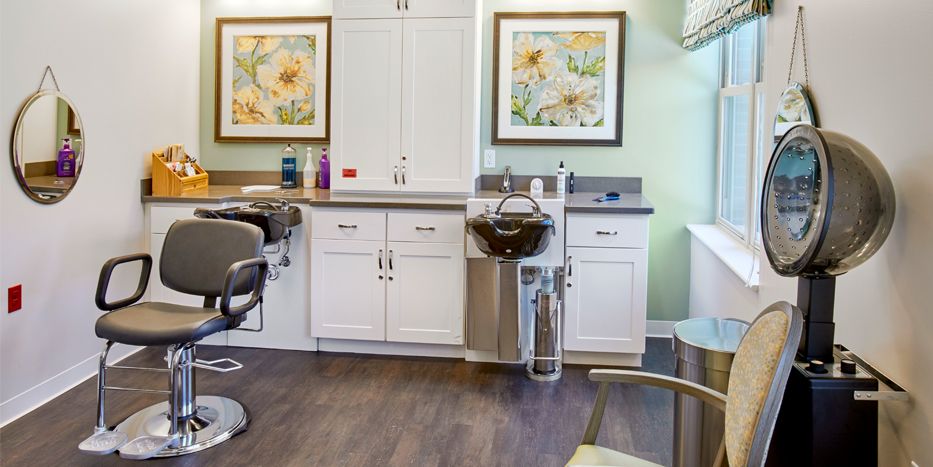
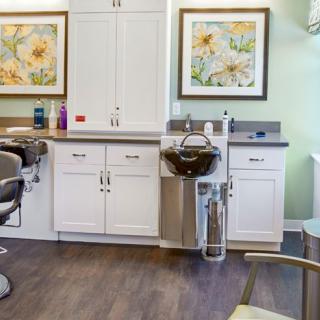
 Beautician on-site
 Cable or satellite TV
 Computer center
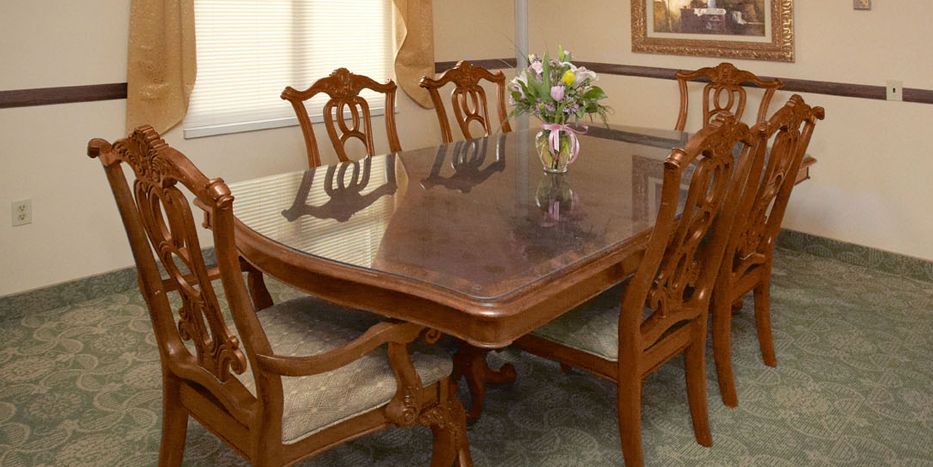
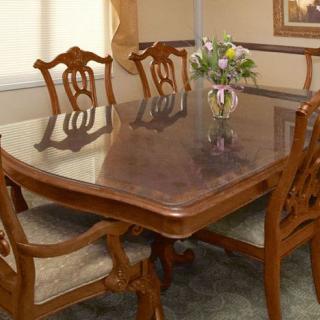
 Dining room
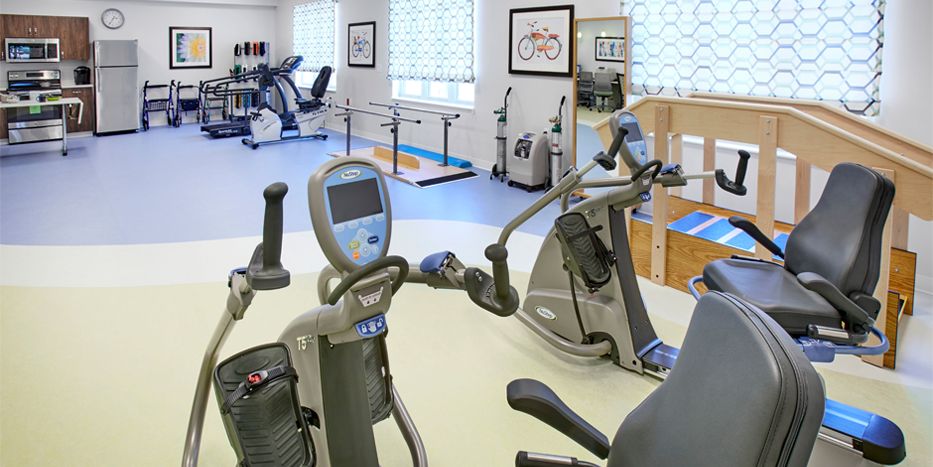
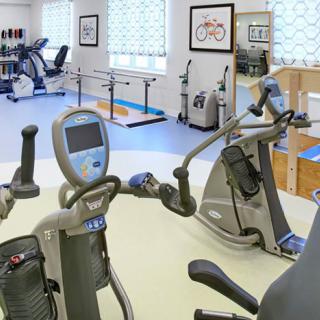
 Fitness room
 Full kitchen
 Fully furnished
 Gaming room
 Garden
 Housekeeping services
 Laundry
 Move-in coordination
 Outdoor space
 Party space
 Private bathrooms
 Resident parking
 Respite or short term stays offered
 Restaurant-style dining
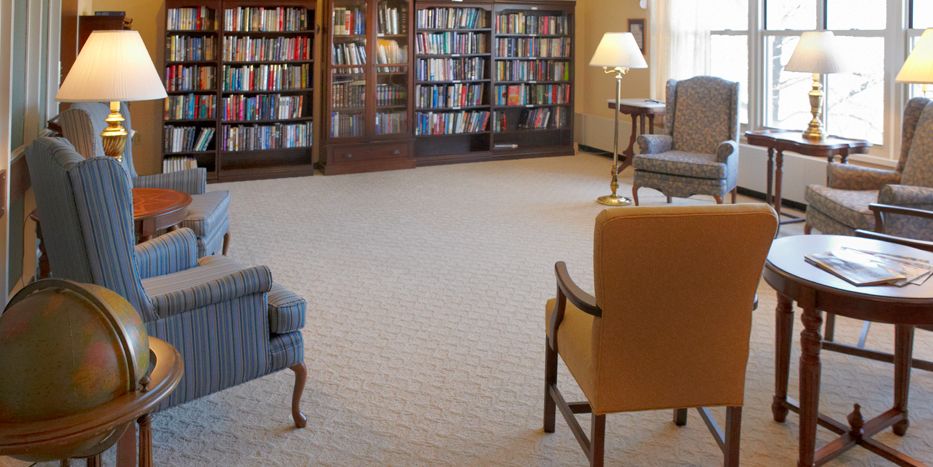
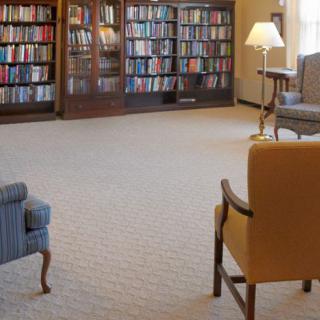
 Small library
 Telephone
 Wellness center
 Wi-Fi/high-speed internet available
 Erie International (5 miles away)
 Community operated transportation
 12-16 hour nursing
 24-hour call system
 Activities of daily living assistance
 Assistance with bathing
 Assistance with dressing
 Assistance with transfers
 Blood work
 Diabetes diet
 Hospice care
 Medication management
 Mental wellness program
 Physical therapy
 Special dietary restrictions
 Arts and crafts
 Concierge services
 Cooking club
 Educational speakers / life long learning
 Games
Games Live musical performances
 Planned day trips
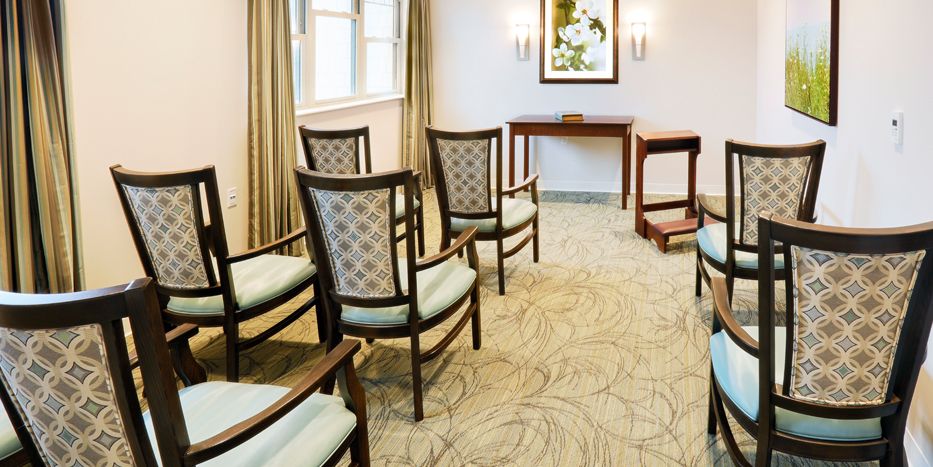
 Religious services
 Wii bowling
 English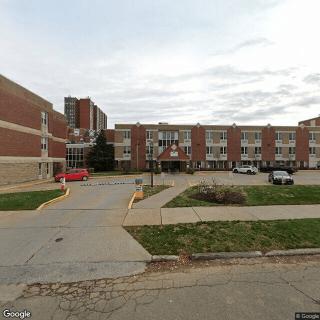
 Understanding Dementia Through Its Seven Stages: A Comprehensive Look at Progression and Expectations
 A Holistic Dementia Care Guide: Effective Strategies for Memory Support
 Comprehensive Insights into Activities of Daily Living (ADLs) and Their Assessment