
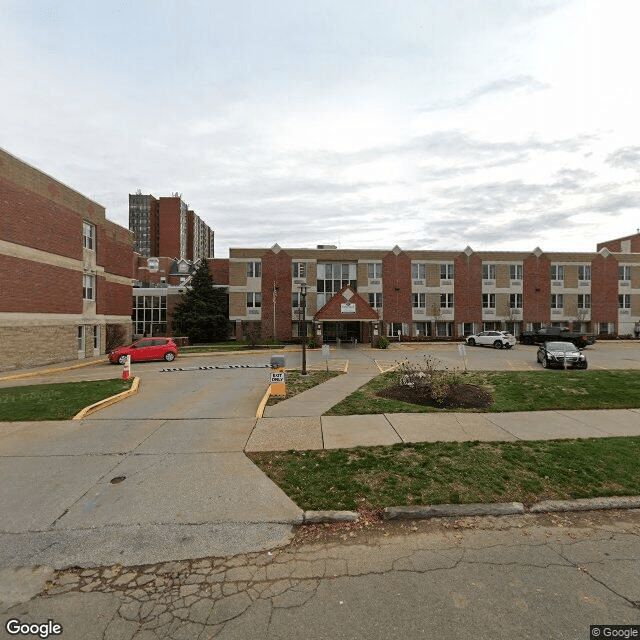
227 W 22nd St, Erie, PA 16502
To contact a resident: (814) 878-2600
For more information about senior living options: (866) 208-4318
Overall Review of Sarah A Reed Retirement Ctr
Pros
 The Admissions Coordinator acted immediately to ensure a smooth transfer.
- The care at Sarah Reed met and exceeded the hospital care.
- All medications and supplies needed for discharge were ready at home.
- Sarah Reed arranged follow-up visits with visiting nurses and therapists to monitor his progress at home.
- He is now home and doing very well, thanks to the exemplary staff.
- The organization has an awesome staff, with many employees having 10, 20, or 30 years of service.
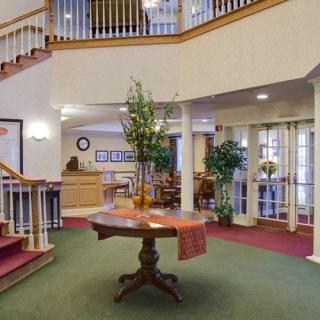
- The facilities are clean, and the staff are attentive and friendly.
Cons
 The reviewer was uncomfortable with the hospital's plan to discharge her husband to home.
Review
Sarah Reed Retirement Center in Erie is best suited for seniors who want a dependable, neighborhood-feeling place that can grow with them as needs evolve, from independent living into coordinated medical support and home-based therapy when required. It is especially appropriate for families seeking strong discharge planning and continuity of care from a local team that has a track record of coordinating hospital-to-home transitions. The emphasis on stable operations and a warm, attentive staff makes it a practical anchor for aging in place without jumping between multiple providers.
Those with higher acuity needs or expectations for intensive memory-care programming should consider alternatives. The reviews acknowledge a spectrum of experiences, including some families who felt responses or outcomes did not meet expectations in certain situations. For residents who require around-the-clock medical oversight, highly specialized dementia care, or aggressively proactive care management, other communities with dedicated memory-care units or hospital-type capacities may be better aligned with those demands. Prospective families should verify unit- and staff-level capabilities and not assume uniform performance across the campus.
The strongest positives center on discharge success and ongoing care coordination. Accounts highlight an admissions team that moves quickly to avert obstacles, ensuring that a hospital discharge translates into timely, appropriate in-home support. When it is time for a transition back home, medications, supplies, and follow-up visits with visiting nurses and therapists are organized and ready, reducing the risk of lapses. Beyond this clinical reliability, the facility is described as clean, with well-kept grounds and friendly staff, traits that reinforce comfort and predictability for residents and visiting family members. The dining experience, whether in the dining room or in the apartment, is frequently cited as pleasant, contributing to daily satisfaction and a sense of normalcy.
Nonetheless, the existence of low-to-moderate dissatisfaction in a segment of reviews cannot be ignored. Three one-star evaluations signal that experiences at times fall short of expectations for some families. Those gaps may reflect variability by unit, staff shifts, or individual circumstances rather than a systemic failure, but they warrant careful scrutiny. Potential residents should seek candid discussions with the admissions team, tour multiple times, and request opportunities to speak with current residents or families who have navigated transitions. Clarifying what guarantees exist for response times, care plan updates, and problem resolution will help align expectations with actual operations.
When weighing pros and cons, the math favors a fit for aging in place with dependable support and a warm, familiar community. The long-tenured staff is a notable asset, suggesting steadiness and resident-specific knowledge that translates into personalized care. Clean facilities, pleasant dining, and a strong sense of community cultivate daily comfort and reduce stress around daily routines. Importantly, the readiness to coordinate post-discharge services and maintain continuity of care down to home visits demonstrates value for families who prize a seamless care ecosystem rather than a shopping list of disconnected providers. The caveat remains: ensure that the level of care matches the resident’s current and anticipated needs, and confirm that any required higher-acuity services can be reliably delivered within the SR framework.
The recommended course is direct and practical: pursue a focused tour with key decision-makers, including the director of nursing and the admissions coordinator, to review a concrete care plan and a cost breakdown. Ask for recent references from families navigating transitions similar to the intended resident’s trajectory, and request a clear fellow-fee structure for any anticipated changes in care level. If the resident values a steady, friendly environment with strong discharge support and the ability to age in place without abandoning familiar community ties, Sarah Reed Retirement Center stands as a solid, credible option. For those whose needs lean toward aggressive medical management or specialized memory programming, it is wise to compare with campuses that foreground those services before deciding.
 Independent Living
 Erie International (5 miles away)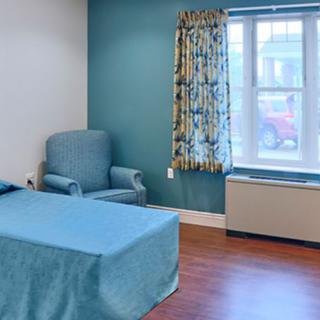





 In-Depth Look at the VA Aid and Attendance Program
 Nurturing Our Loved Ones: A Daughter's Journey in Caring for Her Mother
 Nurturing Our Elders: Linda's Journey of Supporting Her Mother