
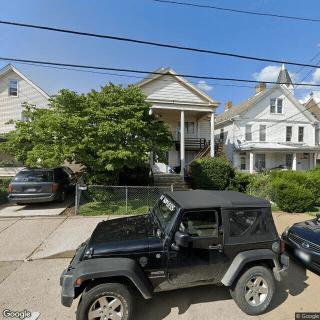
789 Mckean Avenue, Donora, PA 15033
For more information about senior living options: (866) 208-4318
Overall Review of Touched By An Angel
Cons
 This place is closed.
- The business is described as the most unprofessional, negligent, pathetic, and poor excuse for a business the reviewer has ever seen.
- The staff is not acting in the best interest of the residents.
- The business did not pick up the phone or inform the family for an entire week.
- There were many violations found.
- The reviewer would not refer anyone to go there.
- The reviewer would not recommend this place to their worst enemy.
Review
Best suited for no one actively seeking dependable assisted living in Donora. If a family is weighing options, this community should not be considered a serious candidate. The material available around it points to a facility that is effectively closed or operating at a minimal level, with communication breakdowns and repeated safety concerns. In practical terms, only someone with no alternative, and a willingness to tolerate severe gaps in care and accountability, would even contemplate this option. For most families, other nearby assisted-living choices in the Pittsburgh area offer clearer oversight, better staffing, and visible day-to-day operation.
The consensus from available observations paints a troubling picture: the operation appears to be nonfunctional or severely mismanaged. Review signals describe a business that fails basic expectations of care, professionalism, and reliability. There is a sense that residents’ needs and welfare are not being actively monitored, and that the facility lacks the systems necessary to ensure timely updates or responsive communication. These signals are not minor; they speak to a fundamental failure in the core responsibilities of an assisted-living operation.
Communication breakdowns emerge as the most damaging pattern. Multiple accounts indicate phone lines that are habitually unanswered or unreturned, leaving families in the dark about a loved one’s status or progress. When a resident is hospitalized or facing health concerns, the failure to relay critical information promptly is not a mere inconvenience, it is a direct risk to safety and peace of mind. In a setting where families rely on timely updates, these gaps erode trust and make coordinated care nearly impossible.
Safety and compliance concerns compound the problem. The narrative includes references to violations and a sense that the business’s day-to-day operations are not aligned with established standards for resident welfare. Even if some residents were housed in a cost-conscious option, the repeated mention of violations and the perception of negligence suggest that financial considerations cannot justify the risk. The overarching message is that accountability and oversight, two essential pillars of any senior-care setting, appear to be missing or severely deficient.
Pros, if any, fail to offset the main drawbacks. There are no credible, widely reported benefits in the feedback that could counterbalance the risks of poor communication, potential neglect, and questions about the facility’s ongoing viability. In practical terms, the lack of reliable operation, together with a troubling communications pattern and safety concerns, makes this option untenable for most families. Any marginal advantages, whether location, price, or potential privacy, are overshadowed many times over by the absence of dependable care and the specter of closed or near-closed status.
For families actively researching, the course is clear: deprioritize this option and pursue facilities with transparent operations, verified staffing, and documented positive inspection histories. Take these concrete steps: request a current licensure and a copy of the most recent annual survey; schedule on-site tours with administrator access; speak directly with front-line staff about daily routines and contact methods; review state inspection reports and any open violations; ask for references from current residents or families; and verify that communications protocols are in place for hospitalizations and health changes. In markets with stronger oversight, these steps are not optional but essential. When in doubt, pivot to nearby communities with established track records of dependable care and open, responsive communication.
 52 resident community capacity
 Assisted Living
 Air-conditioning
 Beauty salon
 Cable or satellite TV
 Computer center
 Dining room
 Fitness room
 Fully furnished
 Gaming room
 Garden
 Housekeeping services
 Kitchenette
 Move-in coordination
 Outdoor space
 Private bathrooms
 Restaurant-style dining
 Small library
 Telephone
 Wellness center
 Wi-Fi/high-speed internet available
 Community operated transportation
 24-hour call system
 Activities of daily living assistance
 Assistance with bathing
 Assistance with dressing
 Assistance with transfers
 Diabetes diet
 Medication management
 Special dietary restrictions
 Concierge services
 Planned day trips
 24/7 personalized care with engaging activities and on-site amenities.


 Understanding Medicaid Coverage for Assisted Living: A Comprehensive Guide
 How and When Medicaid May Cover Assisted Living Costs
 A Detailed Exploration of Assisted Living Medicaid Waivers Across the United States