
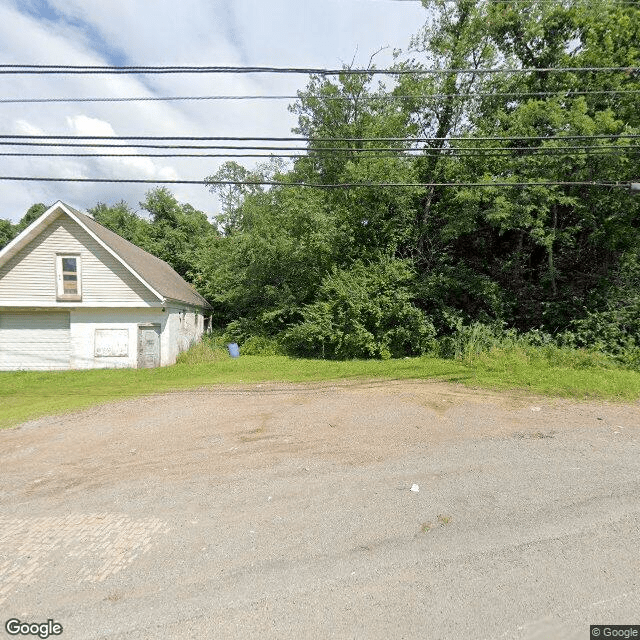
731 Tyrol Boulevard, Monessen, PA 15062
For more information about senior living options: (866) 208-4318
Victoria House II Costs & Pricing
Victoria House II offers competitive pricing for its residential care options when compared to the broader market in Westmoreland County and the state of Pennsylvania. For a semi-private room, residents pay $1,500 per month, which is significantly lower than the county average of $2,955 and the state average of $3,542. Similarly, individuals seeking private accommodations will find Victoria House II's rate of $2,200 to be a more budget-friendly option compared to Westmoreland County's average of $3,914 and Pennsylvania's average of $4,890. This positioning not only reflects Victoria House II's commitment to affordability but also enhances its appeal to those looking for quality care without breaking the bank.
| Floor plans | Victoria House II | Westmoreland County | Pennsylvania |
|---|---|---|---|
| Semi-Private | $1,500 | $2,955 | $3,542 |
| Private | $2,200 | $3,914 | $4,890 |
Assisted Living communities with a similar price nearby
-
from +$200 / mo

Ridgeview Residential Care
$1,700 to $2,200 / month15.8 miles away -
from +$150 / mo
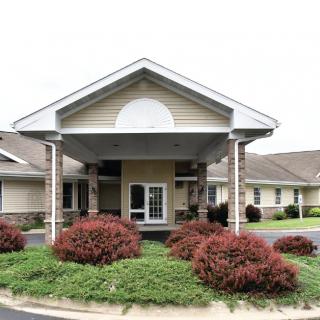
Grandview Estates Of Elizabeth
$1,650 to $1,850 / month7.8 miles away -
from +$200 / mo

Nor-Ridge
$1,700 to $2,500 / month14.2 miles away -
from -$210 / mo

The Residence at Arrowood
$1,290 to $3,570 / month10.6 miles away -
from +$180 / mo
Golden Heights Personal Care
$1,680 to $2,460 / month18.0 miles away
Overall Review of Victoria House II
Pros
 The staff was very knowledgeable.
- The staff was able to answer all of the questions.
Cons
 The place is dank, dark, very smelly, disgusting.
- The carpets were very dirty and needed to be cleaned.
- One of the buildings had a foul odor that needed some attention.
- The community could use some updating.
- The reviewer would give a rating lower than a one.
Review
Victoria House II in Monessen, PA is best suited for families that value straightforward, responsive staff and an affordable option over a polished, resort-like environment. It works for seniors who can tolerate an older, less refined setting and who are prepared to be actively involved in maintaining basic standards of cleanliness and comfort. If the priority is honest, accessible communication from the care team and a predictable, budget-friendly placement, this community warrants a closer look. Those who need a vibrant, modern atmosphere or highly curated social programming may find it insufficient and should consider other options first.
The roughly mid-pack rating reflects a sharp split between what is felt in the building and what is delivered in care conversations. On the negative side, reviewers describe a dank, dark environment with persistent odors and dirty carpeting, issues that undermine daily quality of life and raise concerns about ongoing maintenance. One reviewer even labels the place “disgusting,” pointing to a level of environmental neglect that can be distressing for families and potentially risky for residents with sensitivities. In short, the physical condition of the facility is the dominant, non-negotiable concern.
Yet the narrative on staff suggests a counterweight that matters in practical terms. One reviewer notes that the staff were knowledgeable and able to answer questions, implying clear lines of communication and a degree of reliability when inquiries or problems arise. That asset matters, especially when care needs grow more complex or when a family must advocate for services, schedules, or accommodations. The tension here is real: competent staff can mitigate some frustration, but they cannot fully compensate for pervasive environmental shortcomings that affect daily living and mood.
Even so, the existence of a capable front-line team shouldn't be mistaken for a guarantee of a satisfying experience. The same accounts that commend staff also flag a need for updating and improved upkeep. Cleanliness gaps, carpets that need cleaning and a building with odors, are not minor irritants; they shape impressions of safety, dignity, and overall well-being. For families that prioritize a sense of freshness, smell-free common areas, and clean, comfortable living spaces, these conditions tend to dominate the decision. The lack of observed socialization or engaging activities in some accounts further compounds the concern, suggesting that the core value proposition here hinges more on basic care than on rich, resident-centered programming.
For families considering Victoria House II, practical due diligence is essential. Before committing, arrange a tour that focuses on the living areas, common spaces, and resident rooms to gauge odor, cleanliness, and general upkeep. Ask about the maintenance schedule, plans for flooring or carpet replacement, and any upcoming renovations. Inquire about the calendar of activities, transportation options, and opportunities for social engagement, since questions about “what do residents actually do during a day” reveal much about whether the environment will feel welcoming. Talk to current residents or families about responsiveness to concerns, and verify what level of oversight the administrator provides on a day-to-day basis.
The bottom line is decisively practical: Victoria House II serves a particular segment of families, those who can tolerate an aging physical plant in exchange for straightforward staff accessibility and a lower-cost option. For most buyers seeking a higher standard of environmental quality, stronger odor control, and more robust programming, alternatives should be prioritized. This is not a place to settle for good care alone while ignoring what the eyes and nose experience daily. It is, instead, a place to carefully weigh whether environmental experience and active maintenance can be upgraded to meet family expectations, or whether a different community will better align with the resident’s social, cognitive, and physical needs. If those environmental concerns remain a top priority, exploring other options first will likely yield a more satisfying long-term match.
 15 resident community capacity
 Assisted Living
 Board and Care Home
 Cable or satellite TV
 Dining room
 Fully furnished
 Garden
 Housekeeping services
 Move-in coordination
 Outdoor space
 Private
 Telephone
 Wi-Fi/high-speed internet available
 24-hour supervision
 Activities of daily living assistance
 Ambulatory care
 Assistance with bathing
 Assistance with dressing
 Assistance with transfers
 Diabetes diet
 Diabetic care
 High acuity care
 Incontinence care
 Meal preparation and service
 Medication management
 Special dietary restrictions
 Transportation arrangement (medical)
 Transportation to doctors appointments

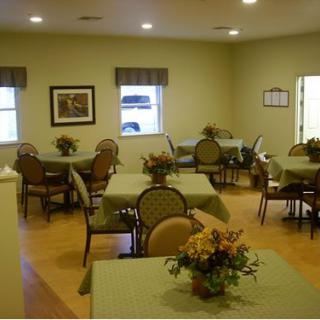


 Vibrant Senior Living: A Comprehensive Guide for Active Older Adults
 When to Transition from Assisted Living to Memory Care: Key Indicators, Steps, and Finding the Right Community
 Assisted Living and Memory Care: Understanding Their Core Differences