
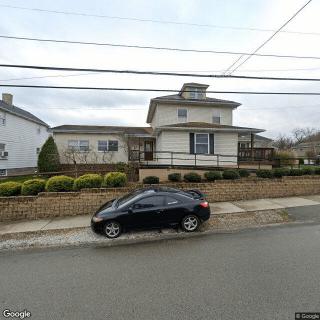
697 Vanderbilt Road, Connellsville, PA 15425
For more information about senior living options: (866) 208-4318
Overall Review of Lint S Personal Care Home
Pros
 The care here is impressive.
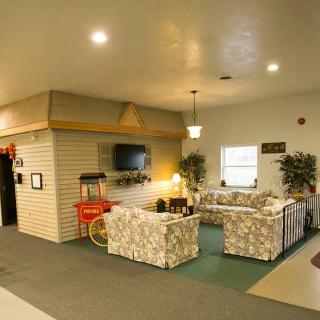
- The facility is cozy and clean.
- The staff are caring and professional.
- Clients are well attended to with medication management, good food, and warm, friendly staff.
- The environment is clean, with a visiting doctor and a registered nurse on site.
- Guests are treated like family.
Cons
 It is shady.
Review
Lint S Personal Care Home in Connellsville, PA is best suited for seniors who prize a warm, home-like atmosphere paired with reliable daily caregiving and straightforward medical oversight. The facility reads as intimate rather than institutional, with a sense that residents are truly known by name and routine. An on-site registered nurse and the presence of a visiting doctor provide essential medical touchpoints without forcing families into hospital-style transitions. The emphasis on a cozy, clean environment and staff who come across as caring and professional makes this community a strong fit for those who value accessibility, personal attention, and a family-like culture over a large-scale, highly staged setting.
Those who should consider alternatives are those seeking extensive medical complexity or a broad continuum of services. For residents who require around-the-clock, highly specialized nursing care, a wide array of therapy options, or robust, calendar-driven social programming typical of larger communities, this home may feel limited. It’s also worth noting that one care experience can diverge from another; while the majority of feedback praises attentiveness and warmth, potential residents should assess whether the level of on-site coverage and activity offerings aligns with their expectations. Families weighing cost versus breadth of amenities will want to compare against bigger facilities that deliver a more expansive service menu.
A core strength here lies in the practical positives: care that feels hands-on and responsive, a clean and welcoming physical setting, and staff who actively cultivate a sense of belonging. Medication management is explicitly highlighted as a strength, reducing worry for families navigating daily pill routines and potential interactions. The menu and dining experience are described as good, which tangibly supports quality of life and routine satisfaction for residents. The combination of a warm staff, a clean environment, and an environment that feels like home helps residents stay engaged and reduces the sense of abandonment that can accompany aging in place elsewhere.
Where the picture becomes nuanced is in recognizing the potential gaps that come with a smaller personal care home. The most evident risk is that service breadth may not match what larger facilities offer, particularly for residents who have evolving medical needs or who crave a richer slate of structured activities, therapies, or specialty programs. While there is on-site nursing and a visiting physician, the degree of, and access to, round-the-clock medical expertise, complex care coordination, and rapid escalation options can be inherently more limited than in bigger assisted living communities. A single low star rating among otherwise positive reviews suggests that not every resident experiences the same level of satisfaction, underscoring the importance of a careful, in-person assessment before move-in.
In offsetting these potential drawbacks, the home’s intimate scale becomes an asset: it supports individualized attention, quick responsiveness, and relationships that feel built on trust rather than routine. For many families, the trade-off is worthwhile, better personal connection, clearer communication, and the comfort of a predictable daily rhythm. The combination of a caring staff, practical medical oversight, and a homey atmosphere tends to pay dividends in comfort, stability, and reduced anxiety over daily care tasks. In short, the pros align well with residents who prioritize warmth, simplicity, and dependable caregiving over a broad menu of high-intensity medical services.
For families weighing the decision, the test remains practical: does the resident’s medical profile fit the day-to-day capabilities of a smaller home, and does the resident value a tight-knit community more than a full calendar of organized activities? Prospective residents should insist on a transparent tour that probes staffing patterns, nursing coverage hours, the workflow for medication management, dining schedules, and planned activity calendars. Budget considerations should be factored against the value of a consistent, home-like environment and on-site medical oversight. If the answer aligns with a desire for personalized care in a warm, manageable setting, Lint S Personal Care Home stands out as a prudent, well-considered option. If not, more expansive communities will likely serve better.
 41 resident community capacity
 Assisted Living
 Respite Care
 Beauty salon
 Cable or satellite TV
 Dining room
 Fully furnished
 Garden
 Housekeeping services
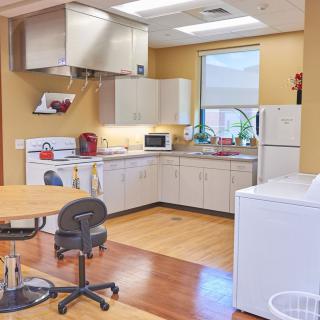
 Kitchenette
 Move-in coordination
 Outdoor space
 Restaurant-style dining
 Small library
 Telephone
 Wi-Fi/high-speed internet available
 24-hour call system
 Activities of daily living assistance
 Assistance with bathing
 Assistance with dressing
 Assistance with transfers
 Diabetes diet
 Medication management
 Mental wellness program
 Special dietary restrictions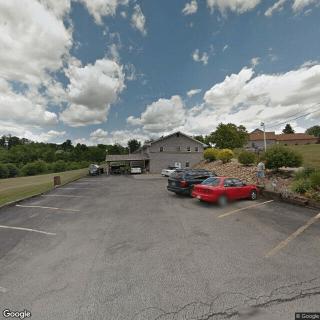


 When to Transition from Assisted Living to Memory Care: Key Indicators, Steps, and Finding the Right Community
 Assisted Living and Memory Care: Understanding Their Core Differences
 Beyond the Bingo Hall: 50+ Enriching Activities for Seniors in Assisted Living